Let's be honest. Most pizza dough recipes scare people off. They talk about active dry yeast versus instant, precise water temperatures, and kneading for 10 minutes. It feels like a science project, not dinner. I've been there. My first few attempts were either dense frisbees or sticky messes. Then I found the magic of a true 3-ingredient pizza dough. It's not a trick. It's a mindset shift: strip it down to the absolute essentials. This recipe uses just flour, Greek yogurt, and baking powder. No yeast, no waiting for hours, no special equipment. In about 45 minutes, you can have a crispy, chewy pizza base ready for your favorite toppings. It works because the acidity in the yogurt reacts with the baking powder, creating lift, while the protein gives it structure. It's a game-changer for weeknights.
What You'll Find in This Guide
Why This 3-Ingredient Pizza Dough Actually Works
You might be skeptical. How can three things make a decent pizza crust? The secret isn't in complexity, but in understanding what each component does. Traditional yeast dough needs time for gluten to develop and for fermentation to create air pockets. This recipe uses a chemical leavener (baking powder) for instant rise and relies on the physical properties of the ingredients for texture.
Greek yogurt is the star. Its thickness and high protein content act like a binder, replacing the need for both water and the gluten network that develops with kneading. The lactic acid in the yogurt also tenderizes the flour slightly. Baking powder provides the immediate lift, so you skip the long proofing time. All-purpose flour is the structure. Together, they create a dough that's surprisingly similar to a thin-crust or Neapolitan-style base—slightly tangy, tender inside, with a nice crisp edge when baked hot.
The Only 3 Ingredients You Need
Here's the beautiful simplicity. You likely have these in your kitchen right now.
The Core Trio (Makes one 12-inch pizza)
- Self-Rising Flour (1 ½ cups, plus more for dusting): This is the key. It's all-purpose flour pre-mixed with baking powder and salt. If you don't have it, see the substitution note below. Using it guarantees the right balance of leavening.
- Plain, Full-Fat Greek Yogurt (1 cup): The binder and moisture source. The fat content is crucial for flavor and texture. I've had consistent success with brands like Fage 5%. Avoid any with added gelatin or stabilizers if possible.
- Optional: Pinch of Salt (¼ tsp): If you're using plain all-purpose flour instead of self-rising, you'll need this. Salt enhances flavor and strengthens the gluten slightly.
No Self-Rising Flour? Don't run to the store. Make your own. For this recipe, mix 1 ½ cups of all-purpose flour with 2 ¼ teaspoons of baking powder and ¼ teaspoon of salt. Whisk it thoroughly in a bowl before adding the yogurt. This ensures the baking powder is evenly distributed.
Step-by-Step: Making Your 3-Ingredient Dough
This process takes 10 minutes of hands-on time. No stand mixer needed.
1. The Mix
Dump your self-rising flour (or your homemade mix) into a medium bowl. Add the entire cup of Greek yogurt. Now, use a fork or a spatula to start combining them. It will look shaggy and dry at first. Keep going. Eventually, switch to using your hands. It will form a rough ball.
2. The "Knead" (It's Not Really Kneading)
Lightly flour a clean surface. Turn the dough ball out onto it. Here's the expert move: you're not developing gluten through vigorous kneading. You're just incorporating the flour and yogurt until it's smooth. Push it, fold it over, give it a quarter turn. Do this for about 2-3 minutes, just until the dough is uniform and no longer sticky. If it sticks to your hands, dust them with a tiny bit more flour. The goal is a soft, slightly tacky ball, not a dry one.
3. The Rest
Place the dough ball back in the bowl, cover it with a damp kitchen towel or plastic wrap, and let it sit for 30 minutes at room temperature. This isn't for rising in the traditional sense. It's for "hydration"—allowing the flour to fully absorb the moisture from the yogurt. This relaxes the dough, making it infinitely easier to roll out without springing back. You'll see it puff up just a little.
Shaping, Topping, and Baking Your Pizza
Preheat your oven as high as it will go, ideally 475°F to 500°F (245°C to 260°C). If you have a pizza stone or steel, put it in the lower third of the oven now so it heats up. A preheated baking sheet turned upside down works too.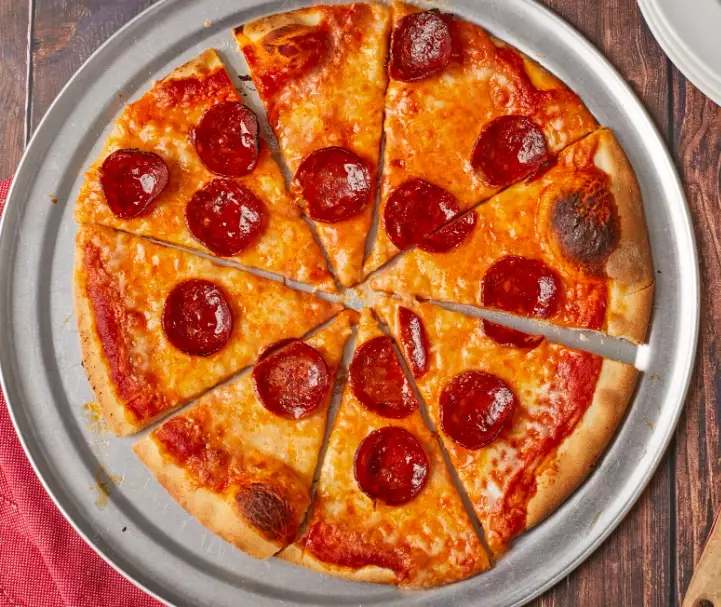
Take your rested dough and place it on a piece of parchment paper lightly dusted with flour or cornmeal. Using your hands or a rolling pin, press and stretch it into a 12-inch circle. Don't worry about perfect roundness—rustic is charming. The parchment is key; it acts as a pizza peel for easy transfer.
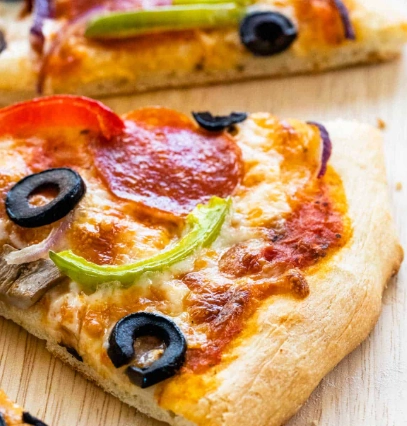
Add your sauce and toppings, but be light-handed. This isn't a deep-dish dough. A thin layer of sauce, a modest amount of cheese, and a few toppings will cook perfectly. Overloading it will make the center soggy.
Slide the parchment with the pizza onto your hot stone or baking sheet. Bake for 10-15 minutes, until the crust is golden brown and the cheese is bubbly and spotted. Let it cool for 2-3 minutes on a wire rack before slicing—this keeps the bottom crisp.
How to Store and Freeze Your Pizza Dough
This dough is fantastic for meal prep. After the 30-minute rest, you can choose not to bake it.
To refrigerate: Wrap the dough ball tightly in plastic wrap. It will keep in the fridge for up to 3 days. When ready to use, let it sit at room temperature for 20 minutes before shaping.
To freeze: Wrap the dough ball tightly in plastic wrap, then place it in a freezer bag. It will keep for up to 3 months. Thaw overnight in the refrigerator, then let it come to room temperature for 20-30 minutes before using.
A 5-Minute Pizza Sauce to Complete the Meal
Since the dough is so simple, don't ruin it with jarred sauce. Make this while the dough rests. In a bowl, mix: 1 can (14 oz) of crushed tomatoes (like San Marzano), 1 minced garlic clove, 1 tablespoon of olive oil, ½ teaspoon of dried oregano, and a pinch of salt and red pepper flakes. Stir. That's it. No cooking needed. The flavors meld as the pizza bakes. It's fresher, brighter, and cheaper.


Leave a Comment