Quick Navigation
Let's be honest. The wedding cake often feels like this monumental, slightly terrifying task. It's edible art that has to taste amazing, look incredible in photos, and somehow survive a summer outdoor ceremony. I've been to weddings where the cake was the star, and others where... well, let's just say it was memorable for different reasons. A friend's cake once started leaning like the Tower of Pisa by the time they cut it. Not ideal.
So, how do you avoid the pitfalls and end up with a showstopper that actually gets eaten? That's what these wedding cake tips are for. This isn't about vague advice. It's a step-by-step walkthrough of the entire process, from your first budget thoughts to figuring out what to do with the top tier. We'll talk money, design, tastings, logistics – the whole messy, beautiful process.
Think of this as a chat with a friend who's been through it and made a few notes (and mistakes) along the way.
First Things First: Budget and Size Reality Check
Before you fall in love with a five-tiered masterpiece covered in sugar flowers, let's talk numbers. This is the least fun but most crucial of all wedding cake tips. The sticker shock is real.
Most couples, in my experience, underestimate this cost. A custom wedding cake isn't the same as picking up a birthday cake at the grocery store. You're paying for intricate design work, premium ingredients, and the skill of a specialist baker.
Quick Tip: A good rule of thumb is to allocate 3-5% of your total wedding budget to the cake. This includes the cake itself, any cutting fees the venue might charge, and delivery.
What drives the price up? A few key things:
- The Detail Work: Hand-painted designs, intricate lace patterns, and realistic sugar flowers are stunning but add hours of labor. A simple buttercream finish with fresh flowers will always be kinder to your wallet.
- The Fondant Factor: Many bakers charge more for fondant icing versus buttercream. Fondant gives that super-smooth, polished look but has a distinct taste and texture that not everyone loves. More on that later.
- Servings: This is the big one. More guests = more tiers or larger tiers = higher cost. But here's a secret: you don't always need a slice for every single person.
Which brings me to sizing. A classic wedding cake tip is to order for about 75-80% of your guest list. Not everyone eats cake. Some are too full, some are dancing, some just don't like sweets. Ordering a slightly smaller "display" cake to cut and then supplementing with a less expensive sheet cake sliced in the kitchen is a brilliant, budget-savvy move. No one will know the difference.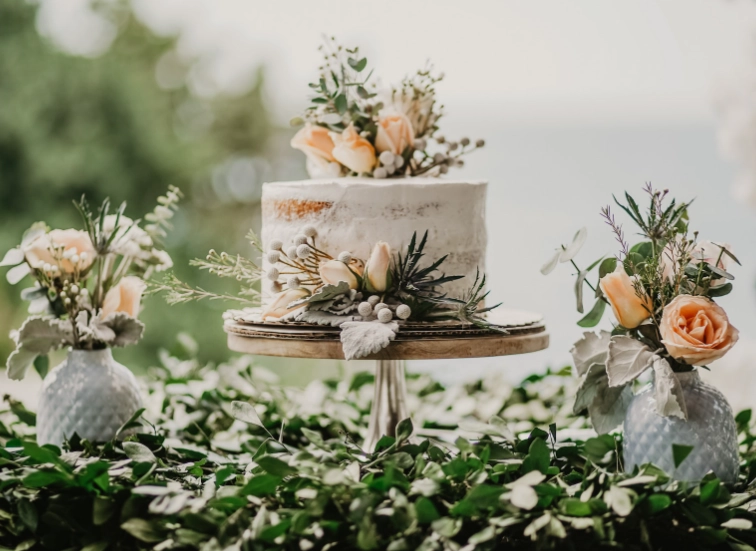
I did this for my own wedding. We had a beautiful three-tier cake for 50 people, but our guest list was 120. The kitchen had two plain sheet cakes in the same flavors. We saved hundreds, and everyone who wanted cake got some.
Popular Cake Sizes and Servings (A Rough Guide)
| Tier Configuration | Approximate Servings | Best For Guest Count |
|---|---|---|
| 2-Tier (6" + 8") | 30-50 | Intimate weddings, elopements |
| 3-Tier (6" + 8" + 10") | 70-100 | The most common, versatile size |
| 4-Tier (6" + 8" + 10" + 12") | 120-150 | Larger celebrations |
| 5-Tier or More | 150+ | Grand, formal weddings |
Remember, these are estimates. Always confirm serving counts with your specific baker, as their recipes and slice sizes may vary.
Finding "The One": Design and Style Inspiration
This is the fun part. Pinterest and Instagram are flooded with ideas, but it can be overwhelming. My biggest piece of advice here? Consider your venue and overall wedding vibe first. A rustic, naked cake covered in berries might look out of place in a sleek, modern ballroom. Conversely, a stark white, geometric fondant cake could feel cold in a barn setting.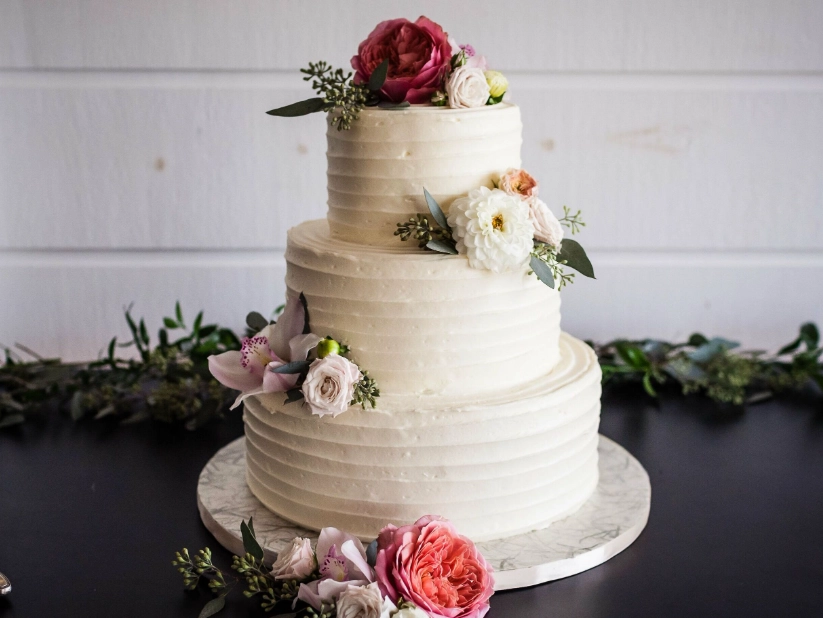
Let's break down some popular styles, warts and all.
Buttercream vs. Fondant: The Eternal Debate
This is a major decision, and it affects look, taste, and cost.
Buttercream is my personal favorite for taste. It's rich, creamy, and can be smoothed to a "semi-naked" or fully iced finish. It's generally less expensive. The downside? It's more susceptible to heat and humidity. If you're having an outdoor summer wedding, a buttercream cake needs to be in the shade, ideally with some AC nearby. The science of buttercream stability is something bakers take very seriously.
Fondant is that smooth, matte, almost plastic-looking covering. It's essentially a sheet of sugar dough. It holds intricate shapes beautifully, is fantastic for hot weather, and gives a super clean, polished look. The trade-off? The taste. Many find it too sweet or waxy. A good baker will use a thin layer over a base of buttercream or marzipan to improve flavor, but it's still not for everyone. I've seen guests peel it off and just eat the cake underneath.
Watch Out: Some trendy finishes, like metallic paints or heavy glitter, might not be edible or food-safe. Always ask your baker if every element on the cake is meant to be consumed. The FDA has guidelines on food additives, including colorants, which reputable bakers follow.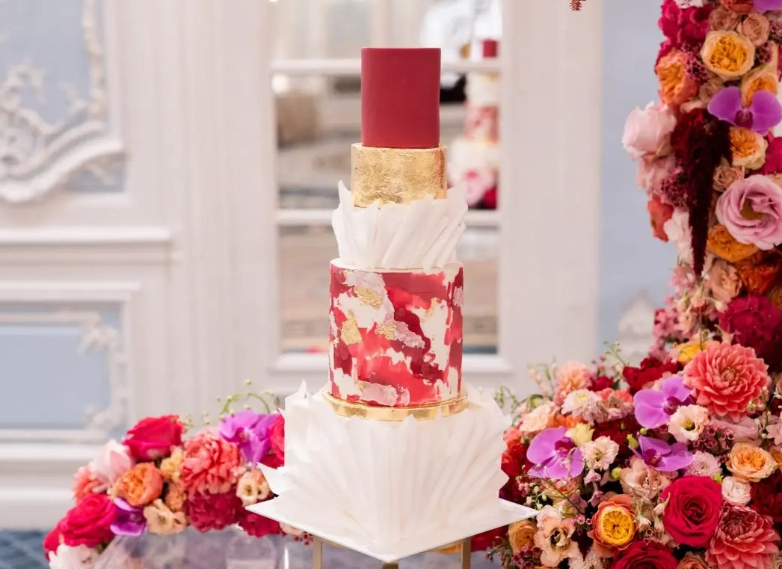
Current Trends Worth Considering (or Avoiding)
- Textured Buttercream: Swirls, rosettes, and "unfinished" brushstroke effects are huge. They feel artistic and less formal.
- Drip Cakes: A chocolate ganache or caramel drip cascading down the sides. Still popular, but starting to feel a bit overdone to me. If you go for it, maybe choose a unique color.
- Fresh Florals: Always timeless. Critical wedding cake tip: Work with your florist and baker to ensure the flowers are pesticide-free and food-safe. Not all pretty flowers are non-toxic.
- Geometric & Metallic Accents: Clean lines, gold leaf, or sharp edges for a contemporary look. Can be stunning but often requires fondant.
When you gather inspiration, look for common threads. Do you keep saving cakes with delicate piping? Or maybe all-white cakes with greenery? That's your style starting point.
The Make-or-Break Moment: The Tasting Appointment
This is the best homework you'll ever have. Never, ever book a baker without a tasting. It's not just about flavor; it's a vibe check. Are they organized? Do they listen? Do they seem excited about your ideas or dismissive?
Most bakers offer tastings as part of their consultation package. Some charge a fee that is later deducted from your order. Come prepared.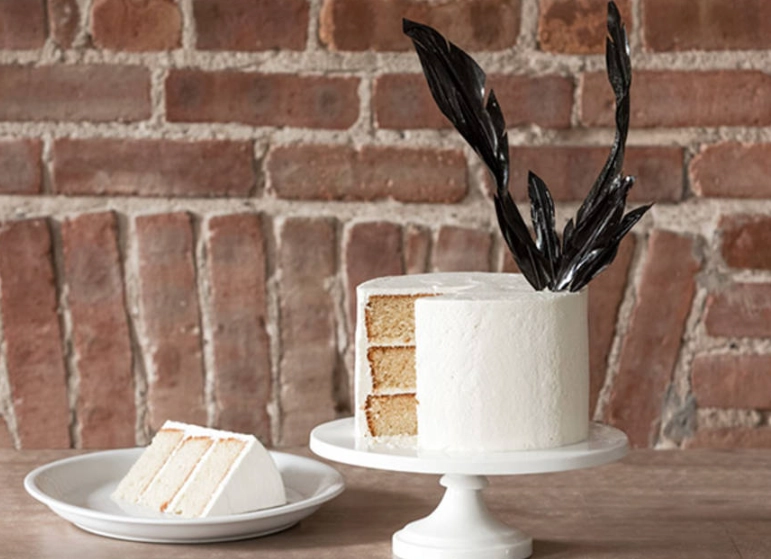
What to bring to your tasting:
- Your inspiration photos (but keep an open mind!).
- Your venue details and wedding date.
- A rough guest count.
- A list of questions. Trust me, you'll forget them otherwise.
- Your partner, or a trusted friend with a good palate.
Here's how to get the most out of it. Don't just say "this is good." Be specific. "This chocolate cake is wonderfully moist, but the frosting is a bit too sweet for me. Do you have a darker chocolate option?" Or, "I love the texture of this lemon curd. Could we pair it with the vanilla bean cake instead of the lemon?"
A professional baker wants this feedback. It helps them build your perfect cake.
Flavor Combinations That Actually Work
Gone are the days of just vanilla or chocolate. Now it's about creating a experience. A top wedding cake tip is to offer 2-3 different flavor combinations across the tiers. This caters to different tastes and makes things more interesting.
Top Tier (The one you save): Choose a classic, sturdy flavor that freezes well, like almond cake with amaretto syrup and vanilla buttercream.
Middle Tier: Go for a crowd-pleaser. Chocolate stout cake with salted caramel buttercream is always a hit.
Bottom Tier: This is where you can get a little adventurous. Maybe a spiced carrot cake with cream cheese frosting, or a refreshing raspberry lemonade cake.
Ask about fillings! Curds, mousses, fruit compotes, and even layers of cake soak (like simple syrup with a hint of liquor) add moisture and complexity.
What about dietary restrictions? A good baker can often accommodate gluten-free, dairy-free, or nut-free needs for a portion of the cake or even the whole thing. Discuss this upfront, as it may affect price and recipe development. Resources like the American Celiac Disease Alliance can provide context on the importance of cross-contamination prevention if you have severe allergies.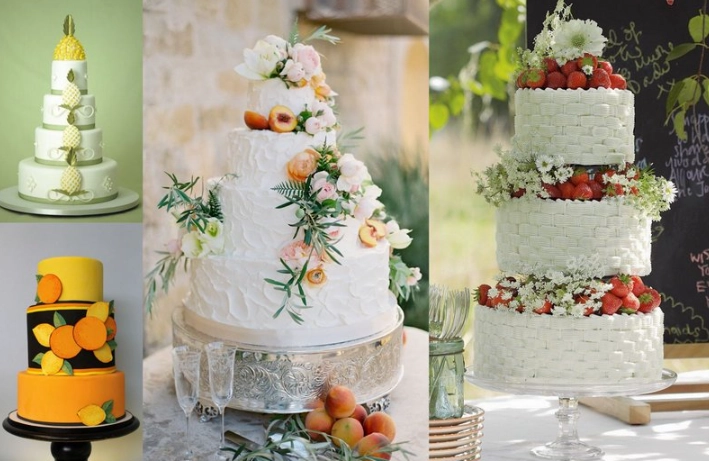
The Nitty-Gritty: Ordering, Delivery, and Setup
You've chosen your baker, finalized the design, and paid the deposit. Now what? The logistics. This is where many wedding cake tips fall short, but it's where disasters are prevented.
Get everything in writing. The contract should detail the final design (a sketch is ideal), exact flavors for each tier, size and serving count, delivery time and address, setup requirements, and the total cost with payment schedule. What is their bad weather plan for delivery? What if the venue has stairs and no elevator?
Delivery is critical. Most high-end bakers insist on delivering and setting up the cake themselves. This is worth every penny. They know how to transport it safely, assemble it on-site (many cakes are tiered on location), and make final adjustments. They'll also coordinate with your venue or planner on where to place it.
I once helped set up a friend's cake that was delivered in boxes. We were not professionals. It was stressful, and the layers didn't line up perfectly. Pay for the professional setup.
Where to put the cake at the venue? Another crucial wedding cake tip. Avoid direct sunlight, drafts from open doors, or spots right next to the dance floor where vibrations could make it wobble. A stable, cool(ish) corner where it can be admired is perfect. Tell your photographer where it will be so they can plan shots.
After the Last Dance: Preservation, Leftovers, and The Top Tier
The party's over. You're married! Now, what about this beautiful (and expensive) cake?
The Top Tier Tradition: Freezing the top tier to eat on your first anniversary is a sweet tradition. But let's be real – freezer-burn cake is not a treat. Here's how to do it right. Ask your baker for the best method, as it depends on the frosting. Generally, you need to:
- Remove any non-edible decorations (like fresh flowers or ribbons).
- Chill the tier, uncovered, in the fridge for an hour to harden the frosting.
- Wrap it tightly in several layers of plastic wrap, then a layer of aluminum foil. Place it in an airtight container if possible.
- Label it clearly and put it in the back of the freezer where the temperature is most constant.
Will it taste as good as fresh? Probably not. But it's a fun ritual. Some couples now order a small replica cake from their baker for their anniversary instead, which is a genius idea.
Dealing with Leftovers: Talk to your venue or caterer beforehand. Will they box up leftover slices for guests to take home? Some couples provide cute boxes for this purpose. If not, send slices home with your wedding party or family. It's better than it going to waste.
Answers to Those Burning Questions
Q: How far in advance should I book my wedding cake baker?
A: For popular bakers in peak season (spring/summer), 9-12 months out isn't too early. For off-peak or if you're flexible, 6 months is usually safe. Don't leave it to the last 2-3 months.
Q: Is a dummy tier a good idea?
A: A dummy tier is a fake, styrofoam cake layer covered in icing. It can save money if you want the look of a huge cake but don't need the servings. The downside? You don't get to eat it, and some feel it's a bit disingenuous. I think it's a smart hack if done discreetly (maybe the bottom tier is fake).
Q: What if I want a non-traditional "cake"?
A: Go for it! Cupcake towers, doughnut walls, cheese wheel cakes, or even a pie bar are fantastic alternatives. The same wedding cake tips apply: consider delivery, setup, and how you'll do the "cutting" ceremony.
Q: How do I handle a cake disaster on the day?
A: First, take a breath. Your baker's contact info should be with your wedding planner or a trusted family member. A good baker often has a "disaster kit" with extra icing and tools for minor fixes. For major issues, they may have a clause in the contract. The truth is, most guests won't notice a small smudge or cracked flower. They're looking at you.
At the end of the day, the best wedding cake tips all boil down to planning, communication, and trusting a professional. Your cake should be a reflection of you, a delicious part of the celebration, and not a source of major stress. Forget perfection. Aim for something beautiful that makes you and your guests go "wow" – and then happily dig in.
Now go enjoy that tasting.

Leave a Comment