I used to think my banana bread was pretty good. It was fine. Friends would eat it, maybe even compliment it. But there was always this nagging feeling—it wasn't that banana bread. You know the one. The loaf that disappears from the counter in hours, the one people ask you to bring to brunch, the one with that impossibly moist, tender crumb and deep, nuanced flavor that makes store-bought versions taste like sweet cardboard.
I tried everything. More bananas. Brown sugar instead of white. A splash of vanilla extract. They were incremental improvements, sure. But the breakthrough, the real game-changer, wasn't a fancy spice or an exotic flour. It was sitting in my fridge the whole time, probably in yours too. After a decade of baking (and a lot of mediocre loaves), I'm convinced there's one ingredient that stands above the rest for a true banana bread upgrade.
Ready to Bake? Let's Dive In
The Not-So-Secret, Secret Ingredient
Let's cut to the chase. The one ingredient is full-fat sour cream.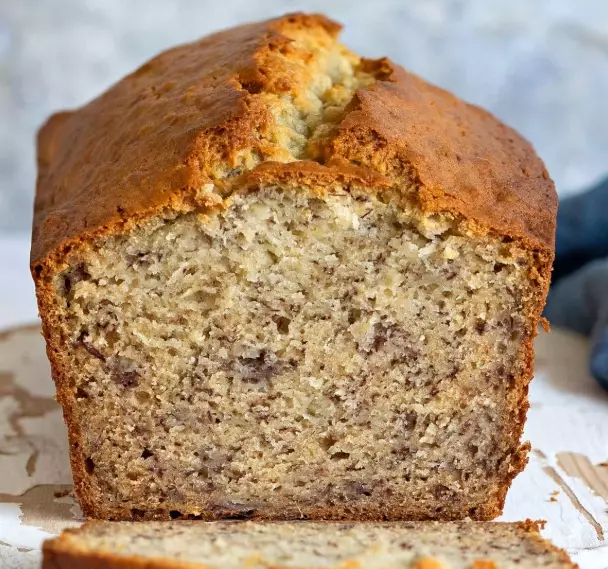
I can hear the questions already. Sour cream? In a sweet bread? Trust me on this. This isn't some random internet hack. The science and the results are undeniable. While other bloggers might suggest yogurt, applesauce, or even mayonnaise (yes, really), sour cream is the heavyweight champion for transforming texture and flavor.
Here's the thing about those other suggestions. Yogurt often lacks the fat content, leading to a less rich mouthfeel. Applesauce adds moisture but can make the bread gummy if you're not careful. And mayonnaise... well, let's just say the flavor profile isn't for everyone, despite its emulsifying properties.
Sour cream hits the perfect trifecta: fat, acidity, and moisture.
Why Sour Cream Works Its Magic: The Science of a Better Crumb
Understanding why it works makes you a better baker. You stop following recipes blindly and start understanding how to fix problems.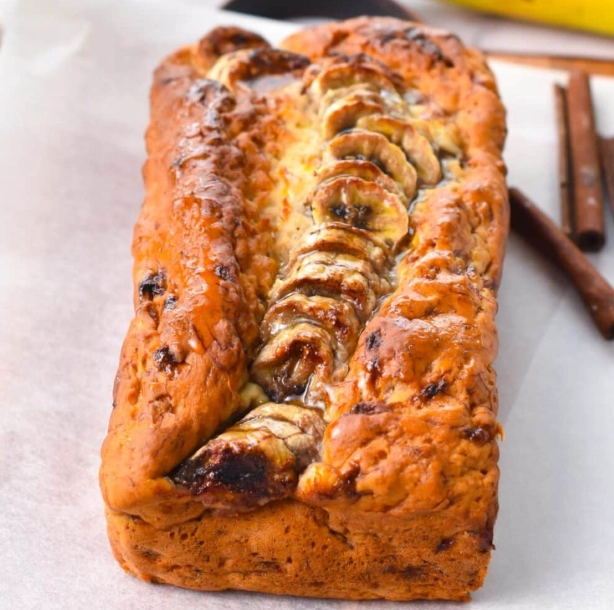
The Fat Factor
The high fat content in full-fat sour cream (about 18-20%) coats the proteins in the flour. This coating inhibits gluten formation. Less gluten development means a more tender, cake-like crumb instead of a tough, bread-like one. It's the difference between a delicate slice that melts in your mouth and one you have to chew.
The Acidity Advantage
The lactic acid in sour cream does two critical things. First, it tenderizes. It helps break down long protein strands, further contributing to that soft texture. Second, it reacts with baking soda (a common leavener in banana bread). This reaction produces carbon dioxide bubbles, giving your loaf a better, more even rise. No more dense, sunken middles.
It also balances sweetness. The very slight tang cuts through the sugar and banana, creating a more complex flavor that isn't one-note sweet. It makes the banana taste more... banana-y.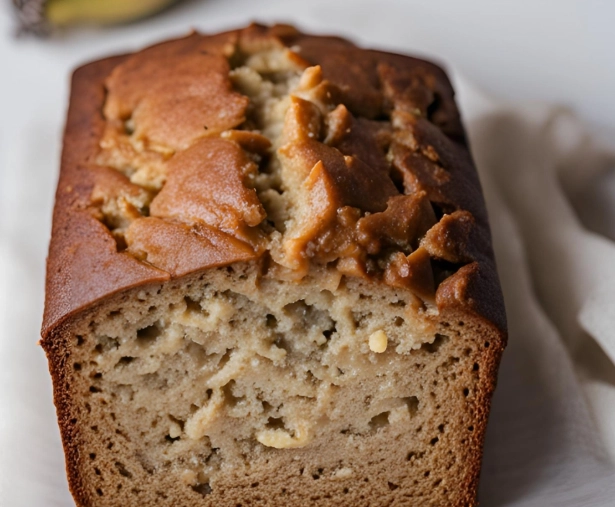
Moisture Lock
This is the most noticeable benefit. The structure of sour cream helps bind and retain water during baking. While other dairy can dry out, sour cream's emulsion holds onto that moisture, distributing it evenly throughout the loaf. The result? A banana bread that stays moist for days, not hours. According to the USDA's nutrient database, sour cream's composition is uniquely suited for baked goods, providing both water and fat in a stable form.
Pro Tip from a Kitchen Veteran: Don't even bother with low-fat or fat-free sour cream here. The fat is doing half the work. Using a reduced-fat version will give you underwhelming results. Go for the full-fat stuff. The difference in quality is worth the few extra calories.
How to Use It: Your New Go-To Banana Bread Recipe
Okay, you're sold on the idea. Now, how do you actually use it? You can tweak your favorite recipe, but to see the full effect, try this optimized version built around sour cream.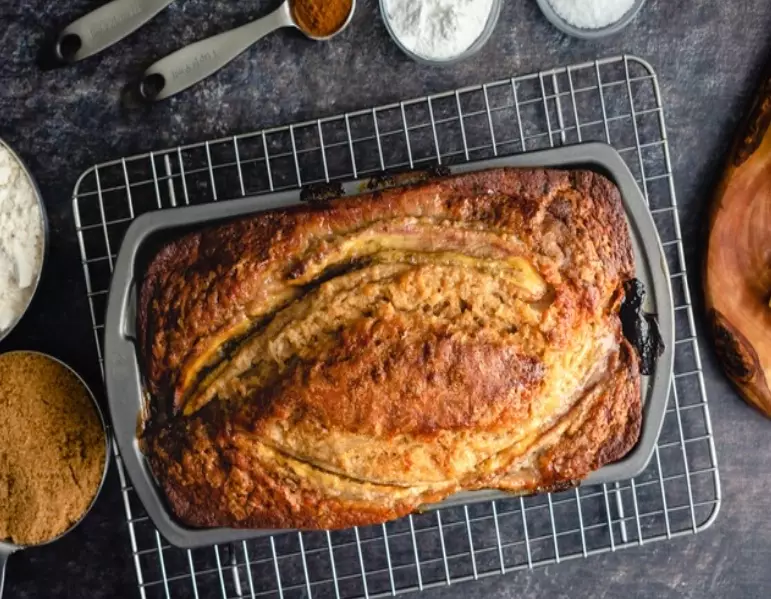
| Ingredient | Quantity | Purpose & Note |
|---|---|---|
| Very ripe bananas | 3 large (about 1 1/2 cups mashed) | Black spots are good! They provide natural sweetness and moisture. |
| All-purpose flour | 2 cups (240g) | Spoon and level to measure. Don't scoop from the bag. |
| Baking soda | 1 tsp | Fresh is key. It reacts with the sour cream's acid. |
| Salt | 3/4 tsp | Enhances all flavors. Don't skip it. |
| Unsalted butter, softened | 1/2 cup (113g) | Combines with sour cream for ultimate richness. |
| Granulated sugar | 3/4 cup (150g) | You can use part brown sugar for deeper flavor. |
| Large eggs | 2 | Room temperature blends more easily. |
| Pure vanilla extract | 1 tsp | The real stuff, not imitation. |
| FULL-FAT sour cream | 1/2 cup (120ml) | The Star. This is the upgrade. |
The Method Matters
1. Mash and Mix Wet: In one bowl, mash the bananas until mostly smooth with a few chunks. Whisk in the melted (and cooled) butter, sugar, eggs, vanilla, and the sour cream until just combined. Don't over-whisk.
2. Combine Dry: In another bowl, whisk the flour, baking soda, and salt.
3. The Critical Fold: Add the dry ingredients to the wet. Use a spatula and fold gently. Stop when the last trace of flour disappears. A few lumps are fine. Overmixing is enemy number one for tenderness.
4. Bake: Pour into a greased 9x5 loaf pan. Bake at 350°F (175°C) for 60-70 minutes. The true test? A toothpick inserted in the center should come out with a few moist crumbs, not wet batter.
5. Cool Completely: This is the hardest part. Let it cool in the pan for 15 minutes, then remove to a wire rack. Cutting into a warm loaf smushes it. Wait at least an hour for the structure to set.
The smell alone will tell you you've made something special.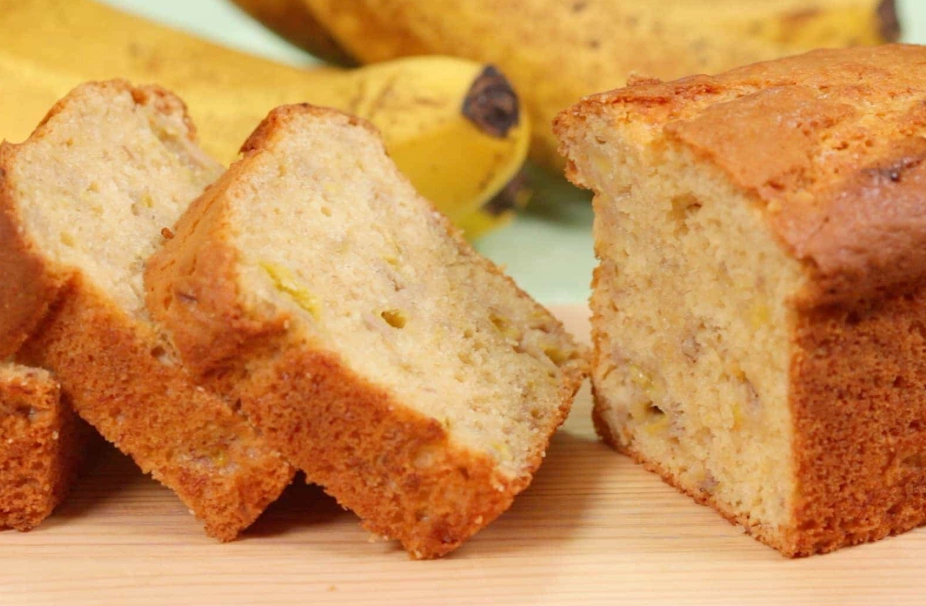
What Everyone Gets Wrong (And How to Avoid It)
Even with the magic ingredient, you can still stumble. Here are the subtle errors I see all the time.
Using Underripe Bananas. This is the biggest flavor killer. Green or yellow bananas are starchy, not sweet. You need those black-speckled, super-soft ones. No good bananas? Fake it: place unpeeled bananas on a baking sheet and bake at 300°F for 30-40 minutes until the skins are black. Cool, then use.
Overmixing the Batter. I mentioned it, but it's worth repeating. Vigorous stirring after adding flour develops gluten. Gluten equals toughness. Fold with a gentle hand.
Ignoring Oven Hot Spots. Most home ovens have them. If your bread is browning too quickly on one side, rotate the pan halfway through baking. An oven thermometer is a cheap tool that ensures your 350°F is actually 350°F.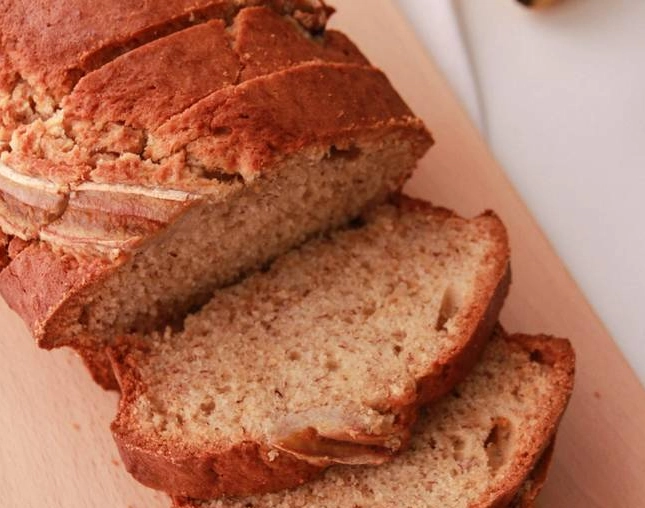
Substituting with Whipped Topping or Light Sour Cream. The structure and fat content are completely different. Whipped sour cream has air beaten in, throwing off your measurements. Light sour cream adds gums and starches to compensate for missing fat, which can alter texture. Stick to regular, full-fat.
Your Burning Banana Bread Questions, Answered
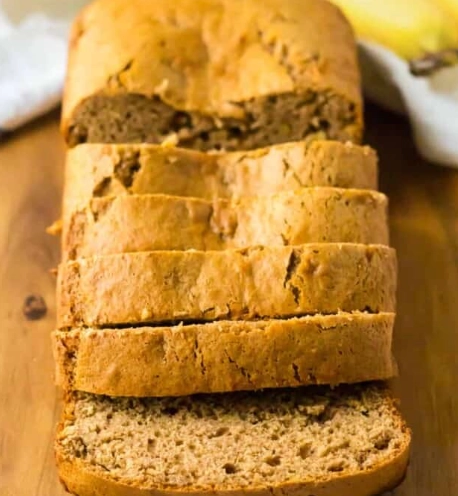
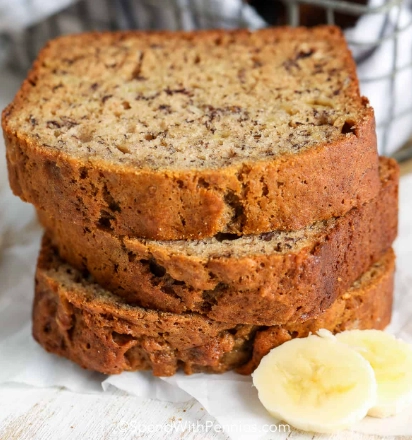
So, next time you see those brown bananas on the counter, don't just think "banana bread." Think "upgraded banana bread." Reach for the sour cream. That one simple swap in the dairy aisle is the difference between a good homemade treat and a legendary one that people will ask you to make again and again. It turns a weekly bake into a signature dish. Give it a try this weekend. Your taste buds (and anyone you share it with) will thank you.




Leave a Comment