Let's cut through the noise. You don't need a pantry full of ingredients to make great pizza dough. For years, I believed the hype about sugar, oil, and fancy bread flour being essential. Then, after one too many dense, bready crusts, I stripped it all back. The result? A revelation. A chewy, airy, flavorful pizza crust that comes together with three simple ingredients you almost certainly have right now: flour, yeast, and water. That's it. No salt? We'll get to that. This isn't just a shortcut; it's a fundamental method that teaches you what pizza dough is really about.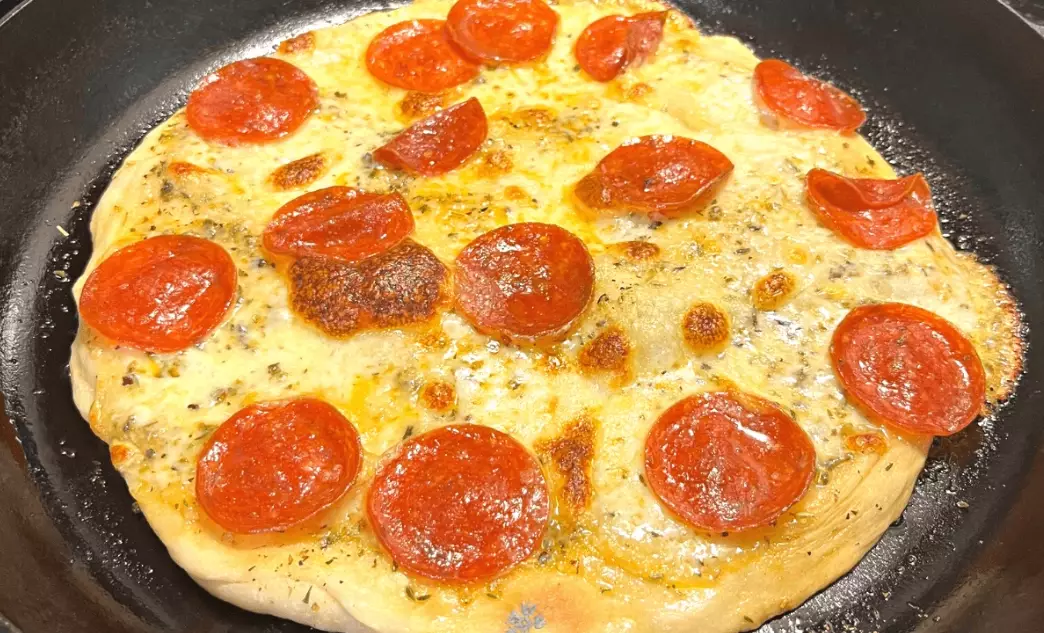
What's Inside This Guide
What Are the 3 Ingredients for Pizza Dough?
Yes, just three. I know other recipes list four or five, often counting salt and olive oil separately. But for the pure, foundational dough, these are the non-negotiables.
The Magic Trio
Flour (500g / about 4 cups): The structure. All-purpose flour is your best friend here. It has enough protein (usually 10-12%) to develop gluten but isn't as tough as some bread flours. You can use bread flour for a chewier crust, but AP flour is more forgiving and creates a lovely balance.
Active Dry Yeast (7g / 2 1/4 teaspoons): The engine. This tiny organism eats sugars in the flour and produces carbon dioxide gas, making your dough rise. You can use instant yeast too—just mix it directly with the dry flour.
Lukewarm Water (325ml / 1 1/3 cups): The catalyst. It hydrates the flour and activates the yeast. The temperature is critical. Too hot, and you kill the yeast. Too cold, and it sleeps. Aim for water that feels warm to your wrist, like a baby's bottle, around 105°F (40°C).
Now, about salt. Technically, it's a fourth ingredient for flavor. But in the spirit of the "3-ingredient" challenge, you can skip it if you're topping your pizza generously with salty cheeses and meats. For a truly complete dough, I add 10g (about 1 3/4 tsp) of fine sea salt. But the core technique works without it.
How to Make 3-Ingredient Pizza Dough: Step-by-Step Guide
This is a no-knead method. We let time do the work, developing flavor and texture with a long, slow rise.
The Role of Each Ingredient
Understanding the "why" prevents mistakes. The flour's protein forms gluten when mixed with water—think of it as a stretchy net. The yeast inflates that net. The water's temperature controls how fast that happens. Get this relationship right, and you've won.
Mixing & The First Rise
In a large bowl, whisk the flour and yeast (and salt, if using). Make a well in the center and pour in all the lukewarm water. Use a wooden spoon or your hands to mix until a shaggy, sticky dough forms. This takes less than a minute. Don't aim for smoothness.
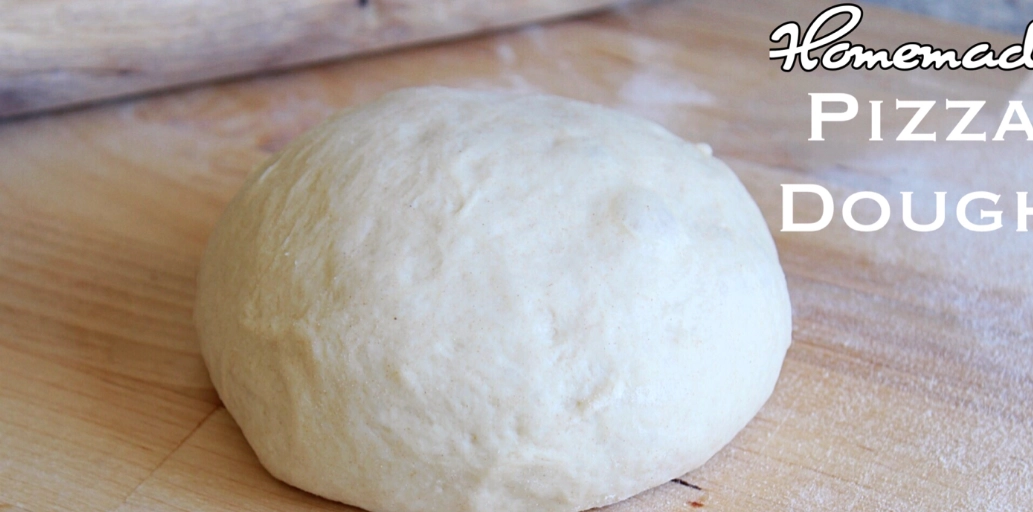
Scrape down the sides, cover the bowl tightly with plastic wrap or a damp cloth, and walk away. Let it sit at room temperature for at least 12 hours, up to 24 hours. This long fermentation is the secret. It develops complex flavors and a beautiful, open crumb structure. You'll come back to a bubbly, risen dough that smells slightly sweet and yeasty.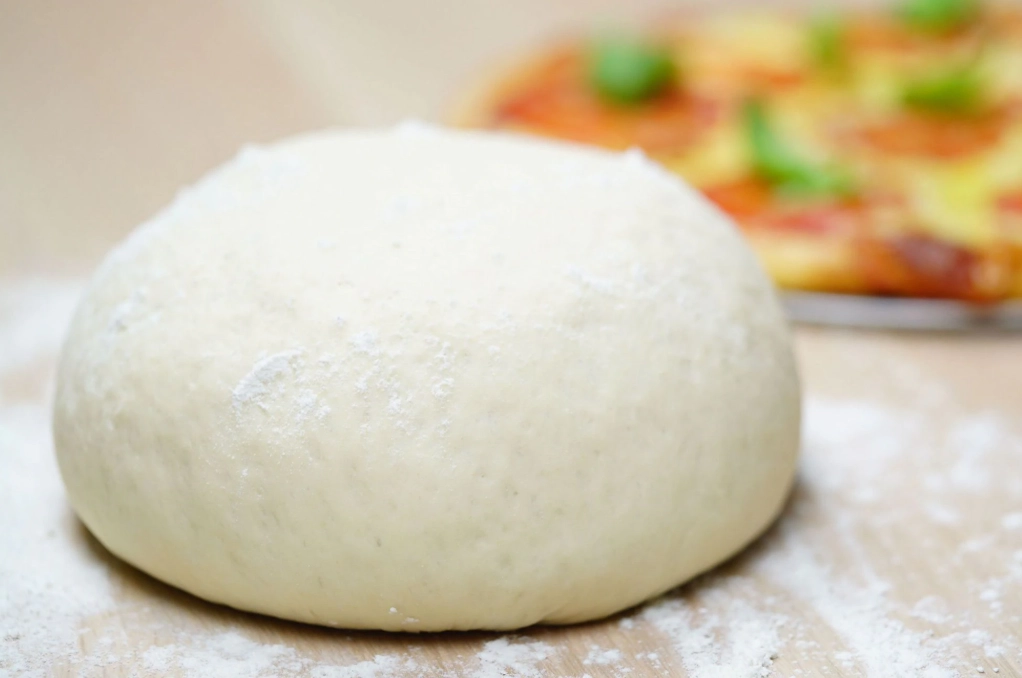
My kitchen is cool, around 68°F (20°C). If yours is very warm, the dough might be ready in 8-10 hours. Look for the dough being doubled in size and covered with small bubbles.
Shaping & The Second Rise
Dust your work surface generously with flour. Scrape the dough out—it will be loose and bubbly. Don't punch it down. Instead, fold it over itself a few times with floured hands, just to give it some shape. Divide it into two equal pieces for two 12-inch pizzas.
Here's a pro tip: Use a bench scraper, not more flour, to handle the sticky dough. Dumping on too much flour at this stage makes the crust dry.
Gently shape each piece into a loose ball by tucking the edges underneath. Place them on a floured surface or a floured baking sheet, cover lightly, and let them rest for 1 hour. This second, shorter rise relaxes the gluten, making the dough easy to stretch.
The 5 Mistakes Everyone Makes (And How to Avoid Them)
I've taught this recipe to dozens of friends. These are the universal hiccups.
1. Using boiling or cold water. This is the #1 reason dough doesn't rise. Yeast is a living thing. Lukewarm water wakes it up gently. Test it on your wrist.
2. Kneading the dough. With this long-ferment method, kneading is unnecessary and can overwork the gluten, leading to a tough crust. Mix until just combined and let time do the kneading.
3. Adding too much flour when shaping. The dough is supposed to be tacky, not a dry ball. A sticky dough makes a light, airy crust. Use a bench scraper and a light dusting.
4. Rushing the rise. Giving it only 2-3 hours results in bland flavor and a dense texture. The long, slow fermentation is non-negotiable for the "wow" factor.
5. Stretching the dough with a rolling pin. This presses out all the precious gas bubbles. Always use your fingertips to gently press and stretch the dough from the center outwards, leaving a thicker border for the crust.
Flour Showdown: Which One Makes the Best Crust?
Not all flours are created equal. I tested the three most common types side-by-side using the exact same 3-ingredient method. Here’s what happened.
| Flour Type | Protein Content | Resulting Crust Texture | Best For |
|---|---|---|---|
| All-Purpose Flour | 10-12% | Perfect balance: slightly crisp outside, tender and chewy inside with good air pockets. | The universal winner. Forgiving and reliable for Neapolitan or New York-style. |
| Bread Flour | 12-14% | Chewier, denser structure with a pronounced "snap." Can be tougher if not hydrated enough. | If you love a substantial, hearty crust that can hold heavy toppings. |
| 00 Flour (Tipo 00) | 11-12% | Incredibly soft, delicate, and light. Less chew, more tenderness. Burns faster in home ovens. | Authentic Neapolitan-style, but best cooked at very high heat (e.g., pizza oven). |
My take? Start with all-purpose. It's cheap, available everywhere, and gives fantastic results. Once you master it, experiment. According to the North American Millers' Association, all-purpose flour is specifically formulated for versatility, making it an ideal starting point.
From Oven to Grill: How to Bake Your Masterpiece
You have beautiful dough balls. Now what? Your home equipment dictates the method.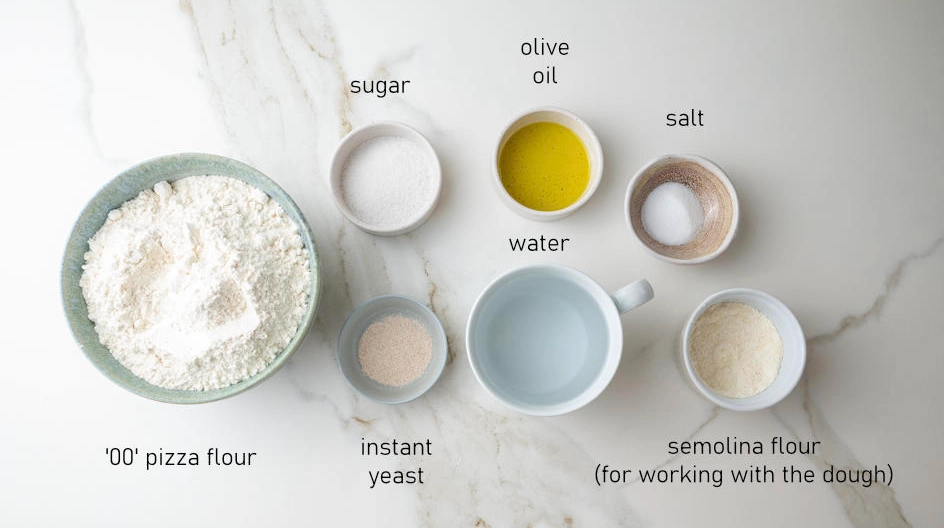
In a Standard Home Oven (The Realistic Method)
Preheat your oven as high as it goes—500°F (260°C) or 550°F (290°C) if possible—for at least 45 minutes. Place a pizza stone or an inverted heavy baking sheet on a middle rack to heat up.
Stretch your dough on a piece of parchment paper. Add toppings lightly. Slide the parchment with the pizza onto the hot stone. Bake for 8-12 minutes until the crust is puffed and blistered. The parchment prevents a mess and makes transfer easy.
On a Grill (For Smoky Flavor)
Heat your grill to high. Stretch the dough, brush one side lightly with oil, and place it oil-side-down directly on the grates. Close the lid and cook for 2-3 minutes until grill marks form and the top is set. Flip, quickly add toppings, close the lid, and cook for another 3-4 minutes. This method gives a fantastic char.
In a Pizza Oven (The Dream)
If you have one, you know the drill. Get the floor to around 750°F (400°C). The 3-ingredient dough cooks in about 60-90 seconds, emerging with a leopard-spotted, smoky crust. The high hydration of this dough is perfect for blistering fast.
Your Dough Questions, Answered
My dough didn't rise at all after 12 hours. What happened?
Check your yeast. It might be old. Yeast has a shelf life. To test it, dissolve a pinch in a little warm water with a pinch of sugar. If it doesn't foam up within 10 minutes, it's dead. Also, double-check your water temperature—too hot is a silent killer.
Can I speed up the recipe? I want pizza tonight.
You can, but you'll sacrifice flavor and texture. For a same-day dough, use 1 full tablespoon of yeast and warm water. Mix, knead for 5 minutes, then let rise in a warm place for 2-3 hours until doubled. It'll make pizza, but it will taste more like bread and less like that complex, fermented pizza shop crust.
 How do I store leftover dough?
After the initial 12-24 hour rise, you can punch it down, shape it into balls, and store them in an airtight container in the fridge for up to 3 days. The cold slows fermentation, developing even more flavor. Let a dough ball sit at room temperature for an hour before shaping and baking.
Why is my dough so sticky and impossible to handle?
That's a feature, not a bug. A wet dough (high hydration) is the key to an airy, holey crust. Instead of adding flour, use wet or oiled hands and a bench scraper. Confidence comes with practice. The stickiness transforms in the oven.
Can I freeze the dough?
Absolutely. After the first rise, shape into balls, wrap each tightly in plastic wrap, and freeze for up to 3 months. Thaw overnight in the fridge, then let it come to room temperature for an hour before the second rise and baking.
Is this dough suitable for making breadsticks or focaccia?
It's perfect for focaccia. After the first rise, pour the sticky dough into a well-oiled baking sheet, dimple it with your fingers, drizzle with olive oil and herbs, and let it proof for another hour before baking at 425°F (220°C) for 20-25 minutes. For breadsticks, you'd want a slightly drier dough, so reduce the water by about 50ml.

Leave a Comment