Picture this: you're packing for a road trip, stocking a dorm room with zero kitchen space, or just had a fridge die on you. The craving for something sweet hits, but all the classic options—ice cream, pudding, cream pies—are off the table. That's where the magic of shelf-stable desserts comes in. This isn't about settling for stale crackers. We're talking about a whole world of delicious, satisfying treats designed to thrive at room temperature. Let's get straight into what makes a dessert shelf-stable and then explore your best options.
Quick Bites: What's Inside?
The Simple Science Behind Shelf-Stable Sweets
Refrigeration slows down bacteria and mold. To avoid the fridge, a dessert must be inherently resistant to them. This boils down to three main factors: moisture, sugar/fat content, and pH level.
Bacteria need water to grow. Desserts with very low water activity (think crisp biscotti or dry shortbread) are naturally safe. Conversely, high sugar and salt concentrations bind water molecules, making them unavailable to microbes—this is how jams and fruitcakes last. Fats like butter can go rancid, but in a sealed, cool environment, they're stable for a good while. Finally, acidity (low pH) is a powerful preservative. Lemon bars, with their tart curd, often hold up better at room temp than a neutral custard.
I learned this the hard way on a camping trip years ago. I brought a beautiful lemon tart, thinking the citrus would save it. It didn't. The filling was still too moist. A drier, bar-style version would have been perfect.
Your Pantry's Secret Weapons: Key Ingredients
Building a no-fridge dessert starts with the right building blocks. Forget fresh dairy and delicate fruits. Here’s your new shopping list:
- Flours & Grains: All-purpose flour, oat flour, rolled oats, rice cereal. The base of most bars and cookies.
- Sugars & Sweeteners: Granulated sugar, brown sugar (adds moisture), honey, maple syrup, corn syrup. Sugar is a preservative.
- Fats: Vegetable oils (neutral, long-lasting), coconut oil (solid at room temp, great texture), clarified butter/ghee (has the milk solids removed, so it's more stable than regular butter).
- Binders & Shelf-Stable "Dairy": Eggs (in baked goods, they're cooked), sweetened condensed milk (a miracle in a can), evaporated milk, powdered milk.
- Dried Fruits & Nuts: Raisins, apricots, dates, cranberries, walnuts, almonds. Add flavor, texture, and natural sugars.
- Chocolate & Cocoa: Dark chocolate (higher cocoa fat, less dairy), cocoa powder, chocolate chips.
- Spices & Extracts: Cinnamon, nutmeg, vanilla extract, almond extract. These don't spoil and add complexity.
Top Categories of No-Refrigeration Desserts
Let's break down the most reliable types, from quick no-bake bites to baked classics that improve with age.
1. The No-Bake Champions (Energy Balls, Bars, and Clusters)
Perfect for when you can't or don't want to turn on the oven. The formula is simple: sticky binder + dry ingredients = instant treat.
Classic No-Bake Oatmeal Cookies: Boil sugar, butter, milk, and cocoa, then stir in oats and peanut butter. Drop by spoonfuls onto parchment. They set up firm in an hour. I add a pinch of sea salt on top—cuts the sweetness perfectly.
Date & Nut Energy Balls: Pulse dates, nuts, rolled oats, and a tablespoon of cocoa in a food processor until it sticks together. Roll into balls. If the mix is too dry, a tiny bit of honey helps. Roll them in shredded coconut or more cocoa powder. They'll keep for over a week in a tin.
Rice Cereal Treats (The Gourmet Upgrade): Melt marshmallows with butter, but try using brown butter for a nutty depth. Mix with cereal, but also add a handful of dried cherries and dark chocolate chips before pressing into a pan.
2. The Baked & Sturdy (Cookies, Bars, and Biscuits)
This is the largest and most versatile category. The baking process removes moisture and creates a stable structure.
- Shortbread & Butter Cookies: High fat, low moisture. A classic shortbread (flour, butter, sugar) stored in an airtight container can last for weeks. The key is to bake them until just lightly golden, not brown.
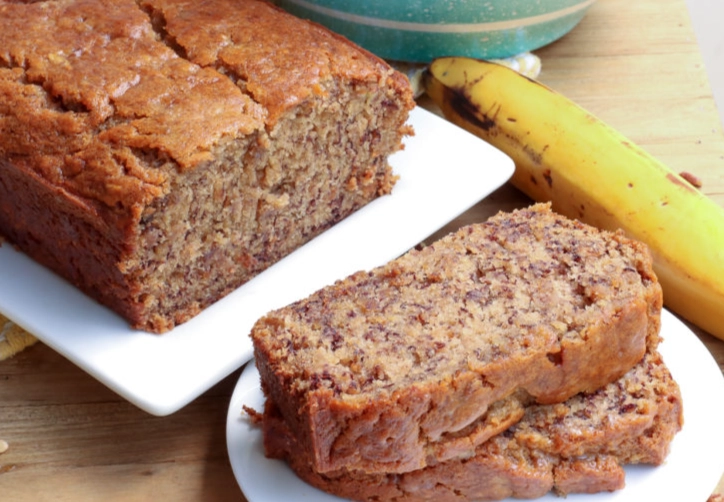
- Brownies & Blondies: Dense, chewy, and perfect for room-temp storage. Underbake them slightly for a fudgy texture that stays moist. The high sugar content acts as a preservative.
- Biscotti & Crisp Cookies: Twice-baked biscotti are literally designed to be dry and durable for dipping. Pfeffernüsse or German spice cookies also rock-hard when first baked but soften beautifully over days in a sealed container.
- Fruit Bars (Fig Newtons, Date Squares): A cooked fruit filling (high sugar, low water) encased in a pastry or crumb crust. These are lunchbox classics for a reason.
3. The Long-Lasting Legends (Fruitcake & Dense Cakes)
Don't scoff at fruitcake. A properly made one is the ultimate shelf-stable dessert. The combination of sugar-soaked dried fruits, nuts, spices, and often a spirits soak (rum, brandy) creates an environment where spoilage organisms simply can't compete. According to resources from institutions like the USDA on food preservation, sugar and alcohol are time-tested preservatives. An un-iced gingerbread or pound cake also keeps remarkably well due to its dense, low-moisture crumb.
Pro Tips for Storage & Making Them Last
How you store these treats is half the battle.
The Container is King: Airtight is non-negotiable. I prefer glass jars or tin boxes. They keep moisture out and freshness in. For cookies, layering them with parchment paper prevents sticking.
Location, Location, Location: Keep your stash in a cool, dark, dry pantry. Not above the stove. Not in a sunny window. Heat and light are the enemies of fats and can cause melting or rancidity over time.
The Bread Trick (For Soft Cookies): Want your chocolate chip cookies to stay soft for days? Put a slice of bread in the container with them. The cookies will draw moisture from the bread. Just change the bread slice if it gets hard.
Freezing for the Long Haul: Most of these baked goods freeze exceptionally well. Wrap them tightly in plastic wrap, then foil, or use a freezer bag. Thaw at room temperature in their packaging to prevent condensation.
Your Questions, Answered
The world of desserts beyond the fridge is vast and delicious. It's about smart ingredients, understanding a bit of food science, and embracing textures that are meant to be chewy, dense, or satisfyingly crisp. Whether you're hitting the road, simplifying your kitchen, or just preparing for a power outage, having a few of these recipes in your back pocket means you're never more than a few minutes away from something sweet.
Leave a Comment