I used to hate that moment. You're halfway through measuring flour for a cake, and the digital scale screen flickers and dies. You rummage through drawers for AAA batteries, hoping you have some. A rechargeable kitchen scale fixed that for me. It's not just about convenience—it's about precision that doesn't quit halfway through a recipe and a small step towards less battery waste. This guide cuts through the marketing to show you how to pick one that actually works for your kitchen and how to use it beyond just weighing flour.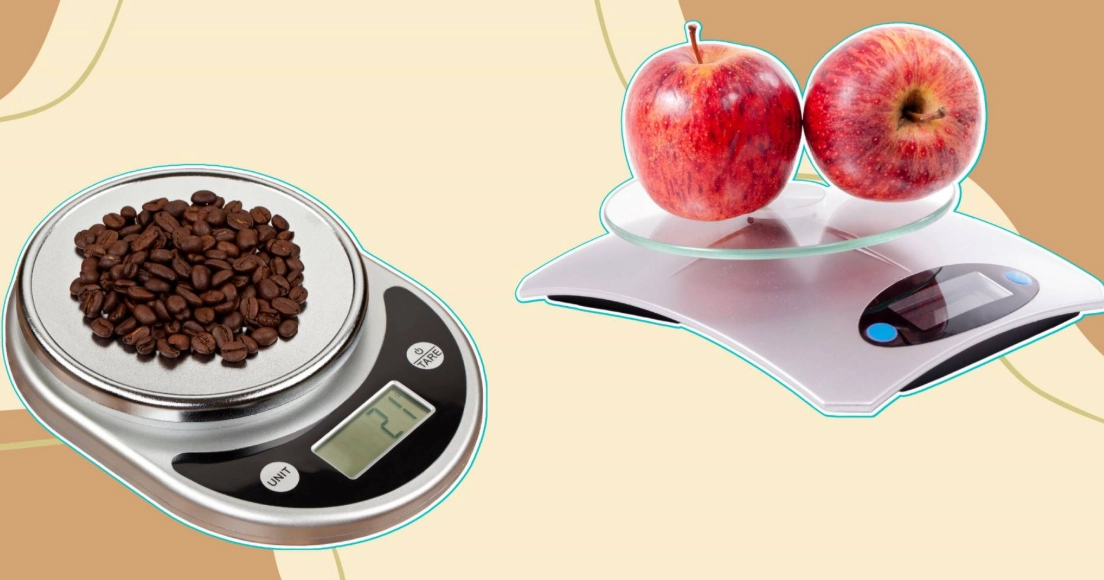
What's Inside This Guide?
Why a Rechargeable Scale Beats Battery-Powered Every Time
Let's be clear. If you use your kitchen scale more than twice a month, a rechargeable model is a no-brainer. The upfront cost might be slightly higher, but you eliminate the ongoing expense and hassle of batteries. More importantly, you avoid the risk of a dying battery ruining a measurement mid-recipe—a surefire way to waste ingredients and time.
There's an environmental angle too. The U.S. Environmental Protection Agency estimates that millions of single-use batteries are thrown away each year. A built-in lithium-ion battery lasts for years of regular use. You plug it in with a USB cable (the same one for your phone, usually) every few months, and you're done.
But the biggest benefit is consistent performance. A rechargeable scale with a good battery maintains a stable voltage output. A disposable battery's power dips gradually, which can, in cheaper scales, subtly affect accuracy long before the "low battery" icon appears. You might not notice until your cookies spread too much or your bread doesn't rise right.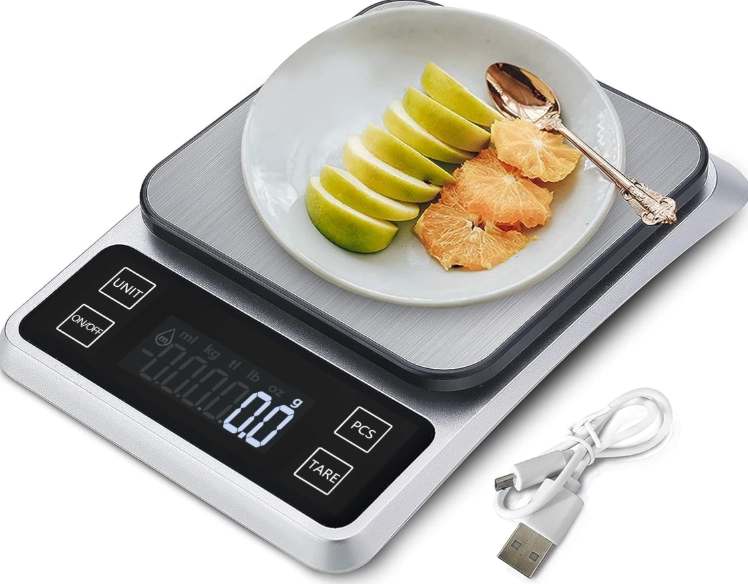
How to Choose the Best Rechargeable Kitchen Scale for You
Don't just buy the first one you see on Amazon. Think about what you'll actually weigh.
Key Specs You Can't Ignore
Precision and Capacity: This is the core. Look for a scale that measures in increments of at least 1 gram (0.05 oz is better) and has a capacity of at least 5kg (11 lbs). Why both? You need fine resolution for baking powder (a few grams) but also enough headroom for weighing a large bowl of dough or a whole chicken. A scale with 1g precision but only a 2kg max weight is useless for serious cooking.
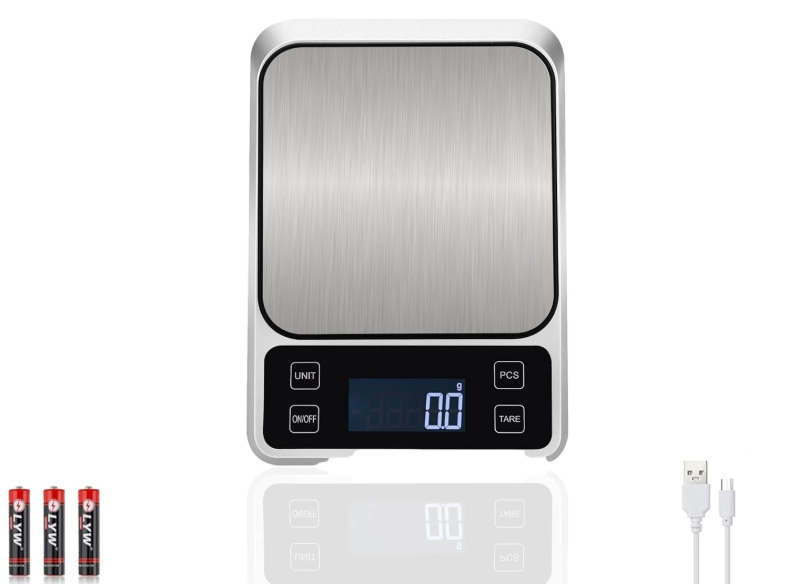
The "Tare" Function: Non-negotiable. This lets you zero out the weight of your bowl, so you only see the weight of what you're adding. The best scales have a dedicated tare button that's easy to press, even with wet or floury fingers.
Units and Auto-Off: It should switch seamlessly between grams, ounces, pounds, and milliliters (for fluid). Auto-off saves battery life, but make sure the timeout is adjustable or long enough (like 3-5 minutes) so it doesn't turn off while you're slowly pouring honey.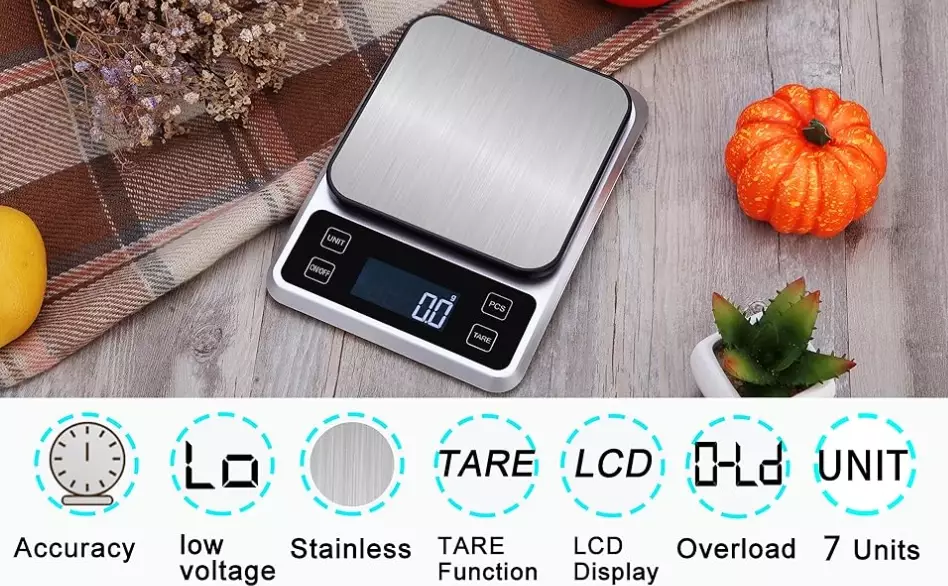
Advanced Features: Worth It or Not?
Bluetooth/App Connectivity: This is the big trend. A smart scale pairs with your phone to log weights, access recipes, or provide nutritional data. It's fantastic for meticulous meal preppers or bakers following complex recipes from apps like SideChef or Paprika. But if you just want to weigh ingredients from a cookbook, it's an unnecessary cost and complexity.
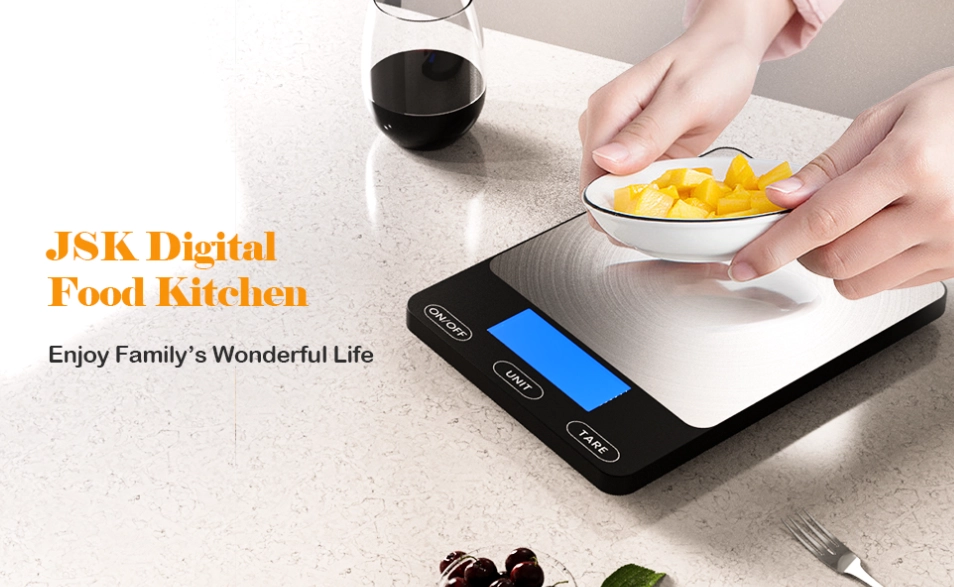
Design and Cleanability: A sleek, stainless steel platform is easy to wipe down. Avoid scales with deep crevices or raised buttons that trap flour and grease. A removable bowl or a platform that's entirely seamless is ideal.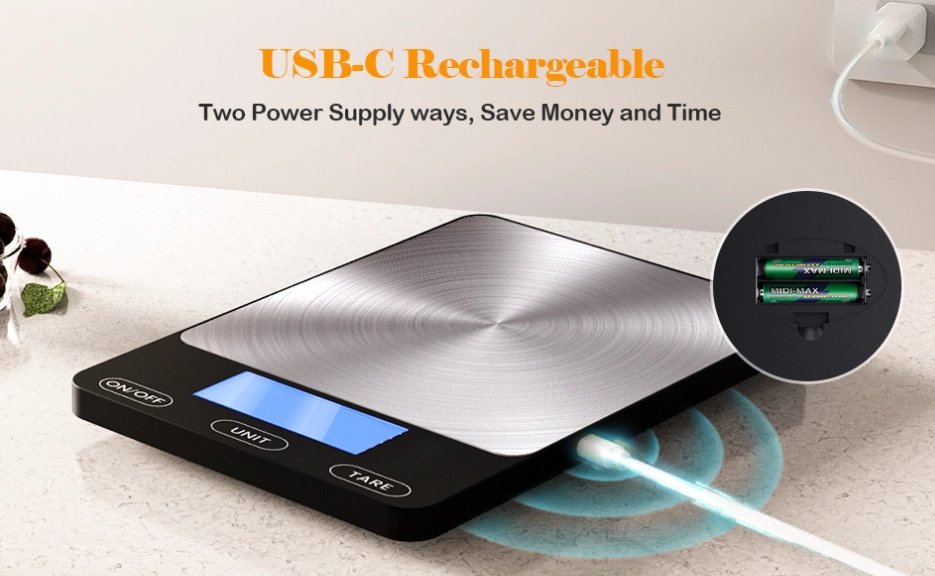
Top Models Compared: Features That Matter
Here’s a breakdown of three common types based on my experience and community feedback. This isn't about specific brands, but archetypes.
| Scale Type | Best For | Key Strength | Potential Drawback |
|---|---|---|---|
| Basic Rechargeable Workhorse | Everyday bakers, general kitchen use. | Simple, reliable, excellent value. Great precision (0.1g/0.01oz) for the price. | Basic display. No fancy connectivity. |
| Smart App-Connected Scale | Tech-savvy cooks, diet trackers, recipe app users. | Logs data, guides through recipes step-by-step, can calculate nutrition. | Requires phone, app can be buggy, more expensive. |
| High-Capacity Baker's Scale | Serious bread bakers, bulk meal preppers. | Huge capacity (10kg+), large platform, often ultra-precise at low weights. | Larger footprint, often pricier. |
My personal pick for most home bakers is a high-quality Basic Rechargeable Workhorse. You get phenomenal accuracy without the points of failure that apps introduce. Brands like OXO or Escali have models that just work for years.
Using Your Scale Like a Pro: From Baking to Meal Prep
Unbox it, charge it fully, and let's move beyond just weighing sugar.
Baking with Unshakeable Accuracy
Place your mixing bowl on the scale. Hit "Tare." The display reads 0. Add your flour directly from the bag until you hit, say, 250g. Tare again. Add 200g sugar. Tare. Add 5g baking powder. This is the "mise en place" method. It's faster than using multiple measuring cups, creates fewer dishes, and is infinitely more accurate. Cup measurements for flour can vary by 20% depending on how you scoop.
For sticky ingredients like honey or peanut butter, place the jar on the scale, tare it, then scoop out what you need. The negative weight shown is the amount you removed. No more struggling to scrape it out of a cup.
Cooking & Portion Control
Weighing pasta (85g per person is a good serving) ensures perfect portions every time. Weigh meat for even cooking—four 180g chicken breasts will cook at the same rate. For coffee, the National Coffee Association recommends a 1:18 coffee-to-water ratio by weight for optimal extraction.
It's also a powerful tool for managing leftovers or cost. Weigh the whole casserole dish after cooking, tare it, then weigh your portion. You'll know exactly how much you're eating and can accurately calculate the cost per serving.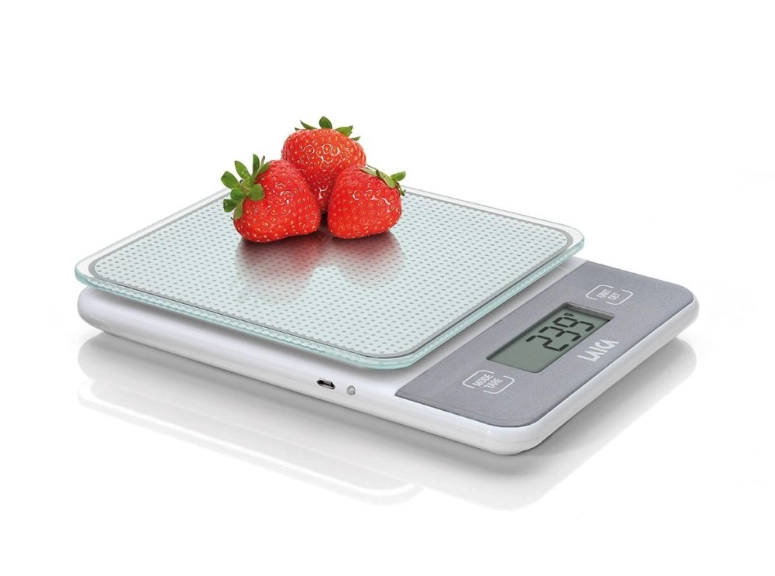
Your Questions, Answered (The Real Stuff)
Why does my new rechargeable kitchen scale give slightly different readings for the same item?
This is often about placement, not the scale's fault. Ensure it's on a perfectly flat, hard surface (not a tile grout line). Check for tiny crumbs or moisture under the platform. Also, let it warm up for 30 seconds after turning on. For ultra-fine measurements (under 5g), a draft from an air vent or even your breath can affect it.
How long does the battery last on a single charge, and how do I know when to recharge?
A good model should last 2-4 months with daily use. Don't wait for it to die mid-use. Get in the habit of plugging it in via USB when you see the battery icon drop to one bar, usually overnight. Letting a lithium battery fully deplete regularly can shorten its overall lifespan.
 Are rechargeable kitchen scales accurate enough for baking bread, which needs precise yeast measurements?
Absolutely, more so than volume measures. A standard packet of yeast is about 7 grams. A good rechargeable scale with 0.1g or 1g resolution is perfect for this. The key for yeast and salt is to measure them separately from your flour after taring, not to try and add them to a large, existing weight in the bowl where a 1-2g error is harder to detect.
Can I use the milliliter (ml) mode on my scale to measure all liquids accurately?
Careful here. The ml mode assumes the liquid has a density similar to water (1g=1ml). It works perfectly for water, milk, or stock. It will be inaccurate for dense liquids like honey or oil because they weigh more per milliliter. For those, stick to weighing them in grams. The U.S. Food and Drug Administration's guidelines on nutrition labeling treat fluid ounces and weight ounces differently for this reason.
My smart scale's app is clunky and keeps disconnecting. What should I do?
A common frustration. First, use the scale as a brilliant non-smart scale. The physical buttons and display still work. For the app, try the basics: update the app, restart your phone, ensure Bluetooth permissions are granted. If it's still bad, contact support. Sometimes a factory reset of the scale (check the manual) can re-establish a clean connection. If the app is truly terrible, consider that you paid for a premium scale that functions well without it.
 Switching to a rechargeable kitchen scale changed how I cook. It made me faster, more consistent, and wasted less food. It's one of those small tools that, once you get used to it, you wonder how you ever managed without. Skip the battery aisle and invest in a tool that brings real precision into your kitchen.




Leave a Comment