In This Guide
- The Heart of the Holiday: Why We Bake
- Your Christmas Cookie & Gingerbread Toolkit
- The Foundation: Understanding Your Dough
- Showdown: The Top 5 Christmas Cookies & Gingerbread Recipes You Need
- The Gingerbread House: Ambition vs. Reality
- Frosting, Icing, and the Great Decoration Debate
- Where Did I Go Wrong? The Troubleshooting Bible
- Storing, Gifting, and Surviving the Season
- Answers to Those Burning Questions (FAQ)
- Wrapping It All Up
You know that feeling? The one in early December when you dig out the old cookie tins, the ones that smell faintly of cinnamon and nostalgia. That's the signal. It's time to bake. For me, the holiday season doesn't really start until my kitchen is covered in a fine layer of flour and the air is thick with the warm, spicy scent of gingerbread. It's a ritual. Sometimes messy, often chaotic, but always worth it.
But let's be honest. Baking Christmas cookies and gingerbread can be a minefield. Why do my sugar cookies spread into weird shapes? How do I get my gingerbread men to be crisp but not rock-hard? I've had my share of failures—a gingerbread house that collapsed like a bad metaphor, cookies that tasted more like cardboard than Christmas. It's frustrating.
This guide is what I wish I'd had years ago. It's not just a collection of recipes. It's the why behind the how. We'll talk about the soul of these treats, the simple recipes that never fail, the advanced tricks for show-stoppers, and how to fix things when they go wrong (because they will). Whether you're a first-time baker or you've been making the same family recipe for decades, there's something here for you. Let's get our aprons on.
The Heart of the Holiday: Why We Bake
It's more than just dessert. Christmas cookies and gingerbread are edible memories. The act of baking them is a connection—to family, to tradition, to childhood. A gingerbread man isn't just a cookie; it's a project for a rainy afternoon with kids, its silly grin made with shaky hands. A plate of spritz cookies pressed through your grandmother's old cookie press is a taste of history.
I think that's why we get so stressed about it! We're not just making snacks; we're trying to create a feeling. That pressure can suck the joy right out of the kitchen. My advice? Start simple. Pick one or two recipes you genuinely love, not five that will exhaust you. The best Christmas cookie is the one you enjoy making.
A Quick Dip into History
Gingerbread has been around for centuries, believe it or not. It started in Europe, with medieval monks using ginger and other spices for medicinal purposes in baked goods. The gingerbread man as we know him? He likely gained popularity in the court of Queen Elizabeth I, who had them made in the likeness of important guests. Fancy, right? The tradition of elaborate gingerbread houses took off in Germany after the Brothers Grimm published "Hansel and Gretel" in the 19th century. Suddenly, everyone wanted a delicious, decorated house (preferably without a witch inside).
Christmas cookies have a similarly global journey. Recipes traveled with immigrants, adapting to new lands and ingredients. The American sugar cookie, the Italian pizzelle, the German springerle—they all tell a story. The U.S. Department of Agriculture's historical recipe archives show how recipes evolved with ingredient availability, which is pretty cool if you're a baking nerd like me.
A Personal Memory: My first solo attempt at gingerbread was a disaster. I was ten, overly ambitious, and misread "tablespoon" for "teaspoon" of cloves. The resulting cookies were inedible, smelling like a dentist's office. My dad, bless him, ate one with a straight face and said, "Very... robust flavor." The lesson? Mistakes happen. They often make the best stories.
Your Christmas Cookie & Gingerbread Toolkit
You don't need a professional kitchen, but a few key tools make life infinitely easier. Here’s what I actually use, not just what fancy blogs tell you to buy.
The Non-Negotiables
- Stand Mixer or Good Hand Mixer: For creaming butter and sugar properly. This step is crucial for texture.
- Quality Baking Sheets: Light-colored, heavy-duty aluminum sheets. Dark sheets burn bottoms. I have two so one can cool while I load the other.
- Parchment Paper or Silicone Mats: For non-stick baking and easy cleanup. A game-changer.
- Rolling Pin: A simple wooden one is fine. Some swear by adjustable-thickness pins for perfectly even dough.
- Cooling Racks: Letting cookies steam on the hot sheet is a one-way ticket to sogginess.
The "Nice-to-Haves" That Feel Like Luxuries
- Cookie cutters (a simple set of circles and a gingerbread man is a great start).
- A small offset spatula for frosting.
- Piping bags and tips if you want to get fancy with royal icing.
- A food scale. Measuring by weight (grams) is more accurate than cups, especially for flour. It’s the secret to consistent results. Resources like King Arthur Baking emphasize this in their professional recipes.
The Foundation: Understanding Your Dough
This is where the magic (or the misery) happens. Different Christmas cookies and gingerbread have different dough personalities. Treat them right, and they'll reward you.
| Cookie Type | Dough Key Feature | Best For | Common Pitfall |
|---|---|---|---|
| Rolled/Cut-Out Cookies (Sugar Cookies, Gingerbread) | Firm, chill-able dough. Often uses less sugar/more flour for structure. | Shaping, detailed decorating, gingerbread houses. | Too soft/warm dough sticks and loses shape. Over-flouring during rolling makes them tough. |
| Drop Cookies (Chocolate Chip, Oatmeal Raisin) | Softer, stickier dough. Leavening agents (baking soda/powder) create spread. | Easy, rustic cookies with a chewy or crisp texture. | Over-mixing develops gluten, leading to cakey or tough cookies. |
| Shaped/Spritz Cookies | Rich, often egg-yolk based, soft but pipe-able. | Fancy shapes without cutting, delicate texture. | Dough too cold to pipe, or too warm and it loses form on the sheet. |
| Bar Cookies & Squares | Often a press-in crust or batter poured into a pan. | Feeding a crowd, minimal hands-on shaping. | Under-baking (leads to gooey mess), over-baking (dry and crumbly). |
See that? The dough tells you what it wants. Gingerbread dough, for example, demands chilling. Trying to roll warm gingerbread dough is like trying to roll out silly putty—it’s a frustrating, sticky mess. I chill mine for at least 2 hours, sometimes overnight. The flavor actually improves.
Showdown: The Top 5 Christmas Cookies & Gingerbread Recipes You Need
Here’s my personal ranking. These are the workhorses, the crowd-pleasers, the ones people ask for year after year. I’ve included a super simple gingerbread recipe because everyone needs a good one.
#1: The Unbeatable Classic Gingerbread Cookie
This is my go-to. It's spicy, holds its shape perfectly for cut-outs, and has a slight snap on the outside with a hint of softness inside. The molasses is key—don't substitute blackstrap, it's too bitter. Use a regular, unsulphured molasses.
Ingredients: 3 cups all-purpose flour, 1 tsp baking soda, ¾ tsp salt, 1 Tbsp ground ginger, 1 Tbsp ground cinnamon, ½ tsp ground cloves, ¾ cup (1.5 sticks) unsalted butter (softened), ¾ cup packed dark brown sugar, 1 large egg, ½ cup molasses.
Method: Whisk dry ingredients (flour through cloves). Cream butter and sugar until light and fluffy. Beat in egg and molasses. Gradually add dry mix on low speed until just combined. Divide dough in half, flatten into discs, wrap in plastic, and chill for AT LEAST 3 hours. Roll out to ¼-inch thickness on a lightly floured surface. Bake at 350°F (175°C) on parchment-lined sheets for 8-10 minutes. Let cool on sheet for 5 minutes before transferring to a rack.
Why is this the best gingerbread recipe? The balance of spices. It's warm and familiar without being overwhelming. And it's sturdy. These cookies can handle royal icing decorations or just a simple sprinkle of sugar before baking.
#2: The Chewy Ginger-Molasses Cookie
A different beast altogether. This is a drop cookie, thick, chewy, and deeply flavored. The surface cracks beautifully. It's less fussy than rolled gingerbread and delivers an incredible texture. Roll the dough balls in coarse sugar before baking for a sparkling, crunchy contrast.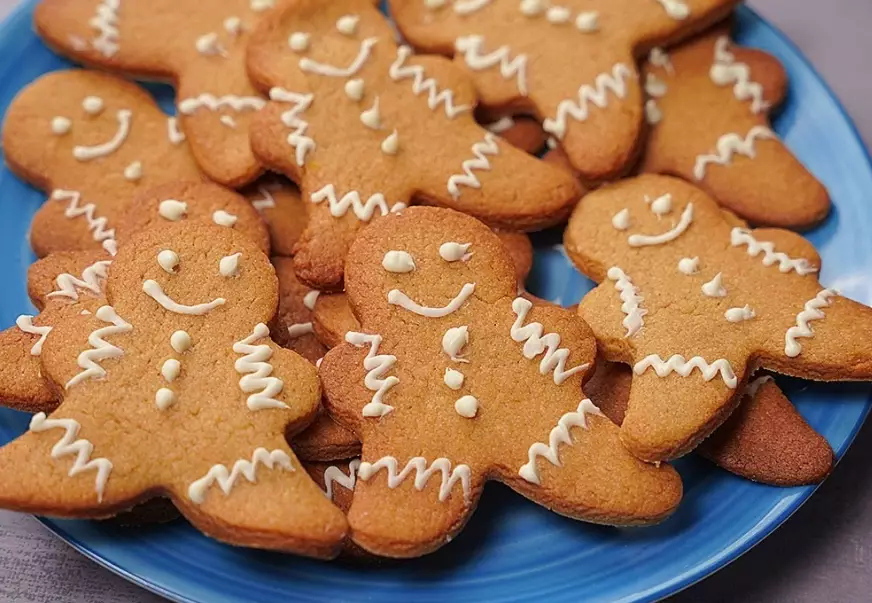
#3: The Ultimate Chocolate Crinkle
It's not Christmas without a plate of these dramatic, crackly, fudgy cookies. They're like little brownies rolled in powdered sugar. The secret is chilling the dough thoroughly so the exterior sets quickly in the oven while the inside stays gooey.
#4: Brown Butter Shortbread with Sea Salt
Simple, elegant, and sophisticated. Browning the butter adds a nutty, toffee-like depth that transforms basic shortbread. A tiny flake of sea salt on top cuts the richness. These are the cookies you make for the adults with their coffee.
#5: Russian Teacakes / Mexican Wedding Cookies
Buttery, nutty, melt-in-your-mouth balls of joy rolled in powdered sugar. They're fragile, messy to eat, and absolutely irresistible. They use ground nuts instead of flour for some of the structure, giving them their unique, sandy-yet-tender crumb.
The Gingerbread House: Ambition vs. Reality
Ah, the gingerbread house. The pinnacle of holiday baking ambition. It looks so charming in pictures. The reality involves structural engineering, cement-like icing, and the occasional emotional breakdown. I've been there.
First, decide your goal. Is it a fun, messy activity with kids where the lopsided result is part of the charm? Or are you aiming for a Pinterest-worthy masterpiece? Your approach will be different.
For a Fun Family Project:
- Use a Kit: Seriously, no shame. The pre-baked pieces are consistent and strong. The focus becomes decorating, not architecture.
- Use Royal Icing as Glue: Make it thick (like toothpaste). Apply a generous amount and hold pieces for a full minute. Let the walls set completely before adding the roof.
- Candy is Your Friend: Gumdrops, licorice, candy canes, M&Ms. More is more. The goal is creativity and sticky fingers.
For the Amateur Architect:
- Bake Your Own Pieces: Use a sturdy gingerbread recipe (like the one above). Roll it slightly thicker (⅜ inch). Cut out templates from cardboard first.
- Trim for Precision: After baking, while pieces are still warm, place your cardboard template over them and use a serrated knife to trim any spread, ensuring straight, perfect edges that will fit together.
- The Royal Icing Rule: Your "glue" icing must be thick. Your "decoration" icing can be thinner. Always make more than you think you need. A great resource for royal icing consistency is Serious Eats, which breaks down the science beautifully.
- Internal Supports: For a large house, use small cardboard boxes or cans inside as hidden supports while the icing dries overnight.

Confession: My most "successful" gingerbread house was also my least delicious. I baked the pieces until they were nearly indestructible to prevent collapse. They were great for building but tasted like spiced plywood. Sometimes, you have to choose between form and function.
Frosting, Icing, and the Great Decoration Debate
This is where personality shines. A simple sugar cookie can become a blank canvas.
Royal Icing: The pro's choice for detailed work. It dries rock-hard and smooth. It's made from powdered sugar, meringue powder (or egg whites), and water. The learning curve is in getting the consistency right—"flood consistency" for filling areas, "outline consistency" for borders. It's finicky but gives a flawless finish.
Buttercream Frosting: My personal favorite for flavor. It's soft, creamy, and delicious. It won't dry hard, so you can't stack these cookies, but who cares? It tastes like heaven. A simple American buttercream (butter, powdered sugar, cream, vanilla) is foolproof.
Glaze: A simple mix of powdered sugar and milk or citrus juice. It's thin, dries semi-hard, and is perfect for a quick, shiny finish. Drizzle it over spice cookies or gingerbread.
The Decorator's Arsenal: Sprinkles (jimmies, nonpareils, sanding sugar), edible glitter, dragées (those little silver balls—check if they're truly edible in your region, some are decorative only), colored sugars, and of course, candy of all shapes. Let kids go wild here. Neatness is overrated.
Where Did I Go Wrong? The Troubleshooting Bible
We've all been there. You pull a sheet from the oven and your heart sinks. Here's what probably happened and how to fix it next time.
| Problem | Likely Cause | Solution for Next Batch |
|---|---|---|
| Cookies spread too much | Butter too warm/over-creamed. Dough not chilled. Baking sheet too warm. Oven temp too low. | Chill dough thoroughly. Cool baking sheets between batches. Ensure oven is fully preheated. Use parchment paper. |
| Cookies are tough/hard | Over-mixed dough. Too much flour measured into cups (packed it in). | Mix dry ingredients in just until combined. Fluff flour with a spoon before gently scooping and leveling the cup, or better yet, weigh it. |
| Cookies are too cakey/puffy | Too much leavening (baking powder/soda). Too many eggs. | Check your recipe measurements. Ensure your baking powder/soda is fresh (test it!). |
| Gingerbread is too soft/chewy (when you wanted crisp) | Dough rolled too thick. Under-baked. Too much honey or brown sugar (hygroscopic ingredients). | Roll dough evenly to ¼" or less. Bake 1-2 minutes longer. For construction gingerbread, use a recipe with more flour and less liquid. |
| Gingerbread is too hard/brittle | Over-baked. Too much flour. Dough rolled too thin. | Use a timer. Weigh your flour. Follow recipe thickness. Store with a piece of bread to soften slightly. |
| Icing/color bleeds | Used gel food coloring in wet icing; colors weren't set before adding next to them. | Use powdered food coloring for intense colors without adding liquid. Let each color area dry completely before adding adjacent colors. |
See? Most problems are fixable. It's usually a temperature, measurement, or timing issue. Don't get discouraged.
Storing, Gifting, and Surviving the Season
You've made a mountain of beautiful Christmas cookies and gingerbread. Now what?
Storing for Freshness: Let all cookies cool completely before storing. Most keep for up to a week at room temperature in an airtight container. Separate layers with parchment paper. Avoid the fridge for most cookies—it introduces moisture and can make them soggy. The exception is cookies with perishable fillings (like cream).
The Freezer is Your Friend: You can freeze baked cookies for 2-3 months. Layer them in a rigid container with parchment between layers. Thaw at room temperature. Even better, you can freeze cookie dough. Portion drop cookie dough into balls, or roll out and cut gingerbread shapes, then freeze them on a sheet before bagging. Bake straight from frozen, adding a minute or two to the bake time. This means fresh cookies on demand!
Gifting with Style: A lovely tin or a cardboard box lined with parchment or doilies is perfect. Mix textures and colors—a few iced sugar cookies, some chocolatey ones, some spiced gingerbread. Add a tag with the cookie types if there are allergens. A homemade gift of Christmas cookies is one of the most heartfelt things you can give.
Answers to Those Burning Questions (FAQ)
I get asked these all the time. Let's clear them up.
Can I make gingerbread cookies without molasses?
You can, but it won't be true gingerbread. Molasses provides the distinctive deep flavor and dark color. In a pinch, you can use dark corn syrup or honey, but the taste will be much milder and sweeter.
Why are my gingerbread men puffy and not holding sharp details?
Your dough was too warm when baked, or you used a recipe with too much leavening (baking soda). For sharp details, the dough must be well-chilled and the recipe should have little to no baking soda/powder. The baking just sets the shape, doesn't make it rise much.
How do I get white icing to stay bright white on gingerbread?
Use clear vanilla extract (or another clear flavor like almond or lemon) instead of brown vanilla. Also, make your royal icing with meringue powder instead of raw egg whites for food safety and a purer white. Let the gingerbread cool completely before icing.
What's the best way to ship Christmas cookies?
Choose sturdy cookies like shortbread, gingerbread, or biscotti. Avoid anything with soft frosting or delicate decorations. Pack them snugly in a rigid container (tin or Tupperware) with plenty of cushioning (bubble wrap, packing peanuts) in a larger box. Ship early in the week to avoid weekend delays. The USPS and other carriers have specific guidelines for shipping food, so check their sites.
Are gingerbread houses meant to be eaten?
Technically, yes, the components are edible. Realistically, after being handled during construction and sitting out as decoration for weeks, they're more of a display piece. The gingerbread becomes very hard and the royal icing is like concrete. I recommend breaking off pieces (like the roof) to nibble on if you must, but baking a separate batch of softer, tastier gingerbread cookies for eating is a better plan.
Wrapping It All Up
So there you have it. The whole messy, wonderful world of Christmas cookies and gingerbread, from the simple joy of a chocolate chip cookie to the ambitious glory of a gingerbread mansion. Remember, the goal isn't perfection. The goal is the smell in your kitchen, the flour on your nose, the shared laughter over a lopsided gingerbread man.
Start with one recipe. Master it. Then maybe try another. Your repertoire will grow over the years, and so will your confidence. Don't be afraid to put on some music, make a mess, and taste-test liberally. That's the spirit of it all.
And if your cookies spread, or your gingerbread house has a noticeable lean, just call it "rustic charm." I promise, no one will mind. They'll just be happy you baked.


Leave a Comment