I bought a loaf of sourdough last week, and by the next morning, it felt like a brick. Sound familiar? Store bought bread often turns hard faster than we'd like, but there are simple ways to bring it back to life. In this guide, I'll share five proven methods to make store bought bread softer, based on my years of baking and kitchen experiments. You don't need fancy tools—just a few household items and some patience.
What You'll Learn
Why Does Store Bought Bread Get Hard?
Bread hardens due to starch retrogradation—a fancy term for starch molecules recrystallizing as they cool. When bread is baked, starches gelatinize and hold water. Over time, they lose that moisture, especially in dry environments. Commercial bread often has additives to delay this, but it still happens. Humidity, storage, and even the type of flour play a role. Understanding this helps you tackle the problem effectively.
I've noticed that bread with preservatives might last longer but still turns stale if stored poorly. It's not just about age; it's about moisture balance.
5 Methods to Soften Store Bought Bread
Here are five methods I've tested. Each works in different scenarios, so pick based on your bread's condition and your time.
1. Steam Method
Steam is my go-to for reviving crusty bread. It adds moisture without making the interior soggy. Preheat your oven to 300°F (150°C). Place the bread on a baking rack, and put a pan of hot water on the lower rack. Heat for 5-10 minutes. Check frequently—over-steaming can lead to a wet crust. For a quicker version, use a steamer basket on the stove for 3-5 minutes.
I once overdid this with a baguette, leaving it in for 15 minutes. The crust softened nicely, but the inside became too moist. Lesson learned: shorter intervals work better.
2. Oven Heat
If your bread is slightly hard, oven heating can help. Wrap the bread loosely in aluminum foil to trap steam. Bake at 350°F (175°C) for 10-15 minutes. This method works well for whole loaves. For slices, reduce the time to 5-8 minutes. The foil prevents drying out, but don't seal it tightly—allow some airflow.
Many people skip the foil and end up with drier bread. That's a common error I see in online tutorials.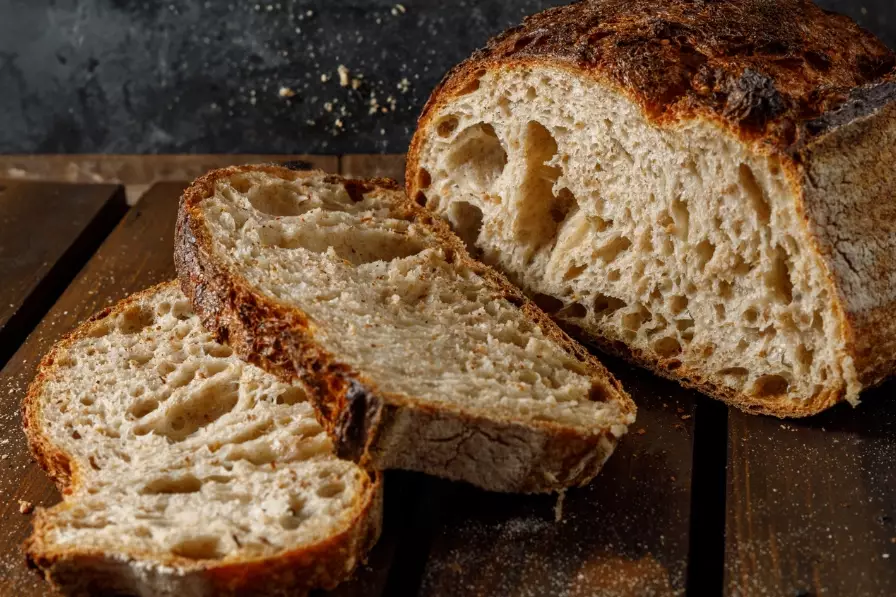
3. Microwave Tricks
Microwaves are fast but tricky. Place the bread on a microwave-safe plate. Dampen a paper towel and cover the bread. Heat on medium power for 10-15 seconds. Check and repeat if needed. High power can overcook the starches, making the bread rubbery. I prefer this for individual slices; for whole loaves, steam or oven methods are safer.
Pro Tip: Add a cup of water in the microwave alongside the bread to create a steamy environment. It prevents overheating.
4. Bread Box Storage
Prevention is key. Store bread in a bread box or a paper bag at room temperature. These containers maintain humidity without sealing in moisture like plastic bags. I've used a ceramic bread box for years—it keeps my bread soft for up to 5 days. Avoid refrigerators; the cold accelerates staling, as noted in resources like the USDA's food storage guidelines.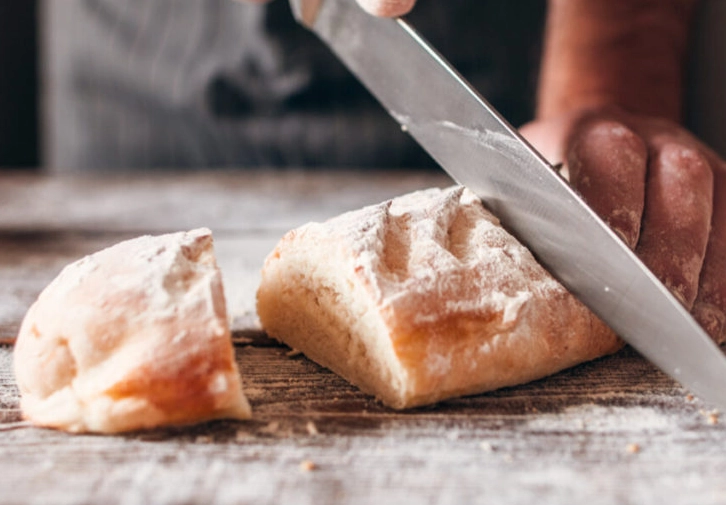
5. Add Moisture Directly
For bread that's already hard, sprinkle a few drops of water on the crust. Wrap it in a damp cloth or paper towel, then microwave for 10 seconds or bake briefly. This method is best for crusty breads like French bread. Don't over-wet; too much water makes the bread soggy. I've found that using a spray bottle gives more control.
Watch Out: Never soak bread in water—it'll turn mushy. A light mist is enough.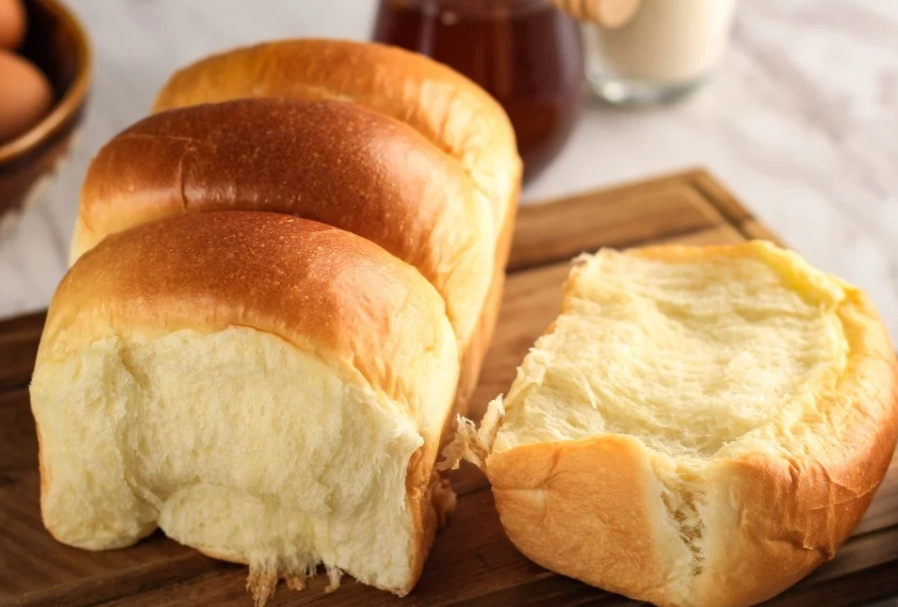
Common Mistakes and How to Avoid Them
People often make these errors when trying to soften bread. I've done a few myself early on.
Overheating in the microwave: It's tempting to zap bread for 30 seconds, but that dries it out. Stick to short bursts.
Using plastic bags for storage: Plastic traps moisture, leading to mold. Paper bags or bread boxes are better.
Ignoring room temperature: Bread stales fastest at fridge temperatures. Keep it at room temp unless freezing.
Not slicing before freezing: Freezing whole loaves makes thawing uneven. Slice first for convenience.
I recall a friend who stored bread in the fridge, complaining it hardened overnight. Switching to a bread box solved it.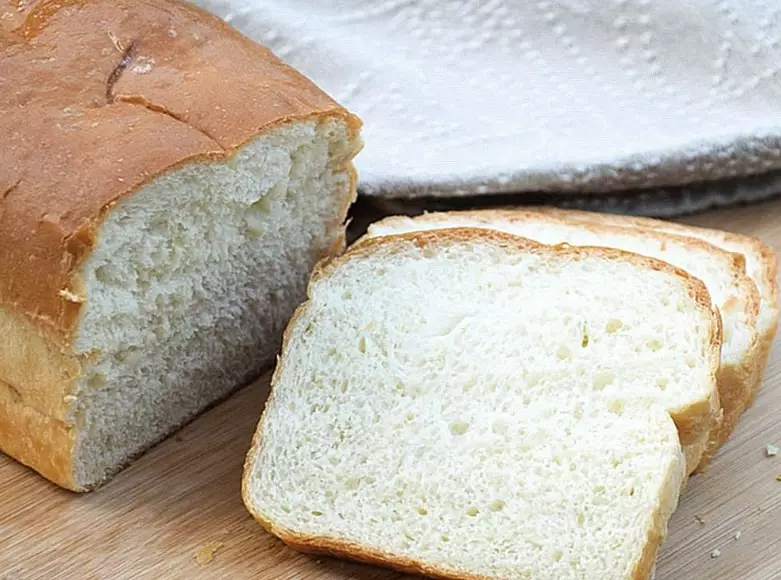
Expert Tips for Keeping Bread Soft Longer
Beyond softening, here's how to keep bread fresh from the start.
Choose the right bread: Breads with higher fat content, like brioche, stay softer longer. Check labels for ingredients like oil or butter.
Control humidity: In dry climates, add a slice of apple or a damp cloth to the bread box. It adds moisture slowly.
Freeze for long-term: If you won't eat bread within a few days, freeze it. Wrap tightly in foil or use an airtight container. Thaw at room temperature or use the oven method.
Use a bread keeper: Invest in a good bread box—it regulates airflow and humidity. I recommend ones with ventilation holes.
These tips come from my experience and referencing sources like King Arthur Baking's advice on bread storage.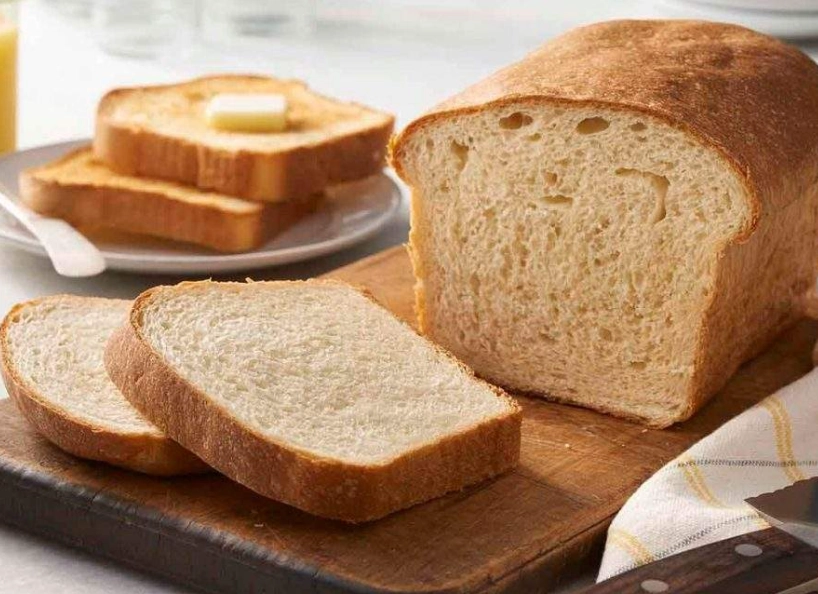
Frequently Asked Questions
Softening store bought bread isn't rocket science. With these methods, you can enjoy soft bread without waste. Try them out and see what works for your kitchen. If you have more questions, drop a comment—I love sharing kitchen hacks!



Leave a Comment