Let's be honest. Most "quick" pizza dough recipes aren't that quick. They promise the world in 30 minutes, but what you get is a cracker-like base or a dough that's impossible to shape. I spent years testing methods, frustrated by the gap between promise and reality. Then I nailed down a formula that genuinely delivers a great, workable dough in under an hour—from bowl to oven. The secret isn't magic; it's about understanding how to work with yeast and gluten when you're short on time. This recipe uses instant yeast, a bit more warmth, and a no-knead approach that leverages time in a smart way. Forget overnight rises. This is for when you want pizza tonight.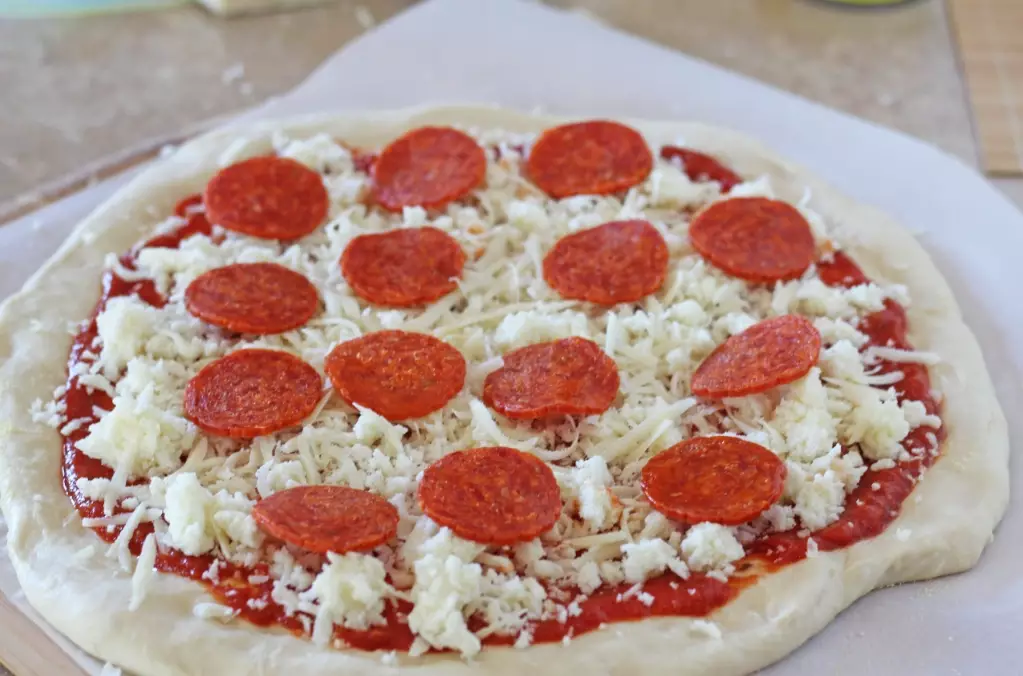
What You'll Find in This Guide
How Does This Dough Get So Fast?
Traditional dough needs hours for yeast to produce gas and for gluten to develop structure. We speed up both processes. First, we use instant yeast (also called rapid-rise or bread machine yeast). Unlike active dry yeast, it doesn't need to be dissolved in water first. You mix it right in with the flour. Second, we use warm water—around 105-110°F (40-43°C). This is hotter than a typical dough, giving the yeast a vigorous jump start. Think of it like turning up the thermostat a notch.
The third trick is the no-knead, high-hydration method. By using a slightly wetter dough and simply letting it rest, we allow the flour to fully hydrate and the gluten to start forming networks on its own through a process called autolyse. A single 30-45 minute rest does the work of 10 minutes of kneading. It's a trade-off: the crust will be slightly more tender and less chewy than a slow-fermented Neapolitan style, but the flavor is still fantastic, and the texture is light and airy.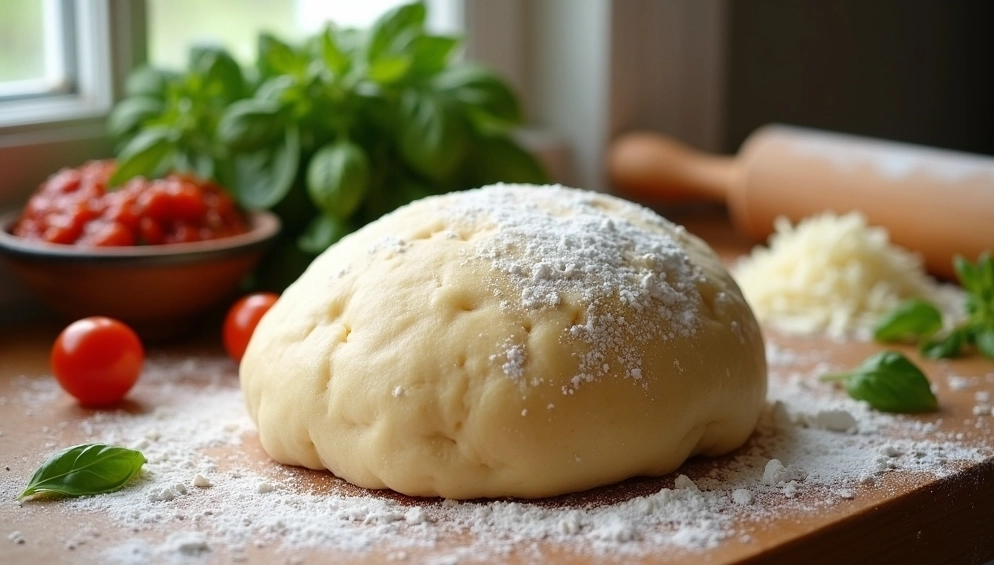
The Simple Ingredient List (and Why Each Matters)
You only need a handful of pantry staples. The quality and proportions are key for speed and texture.
| Ingredient | Amount | Purpose & Notes |
|---|---|---|
| Bread Flour | 3 ½ cups (about 455g) | Higher protein (12-14%) than all-purpose flour. This is non-negotiable for fast gluten development. It gives the dough strength and chew. (King Arthur or similar brands are great). |
| Instant Yeast | 2 ¼ tsp (one ¼ oz packet) | The engine. Instant yeast works faster than active dry. Store it in the fridge or freezer for longevity. |
| Warm Water | 1 ½ cups (355ml) at 105-110°F | The activator. Warmth wakes the yeast up quickly. Volume can vary slightly based on flour brand humidity. |
| Olive Oil | 2 tbsp | Adds flavor, softens the crumb, and makes the dough easier to handle. Extra virgin is fine. |
| Salt | 2 tsp | For flavor and to regulate yeast activity. Use fine sea salt or kosher salt. |
| Sugar or Honey | 1 tsp | A tiny bit of food for the yeast to kickstart fermentation. It won't make the dough sweet. |
Why bread flour? I tried this with all-purpose flour dozens of times. The dough was always softer, harder to shape, and often tore. Bread flour has the muscle to trap the gas from the fast-rising yeast, creating those desirable air pockets. If you must use all-purpose, reduce the water by 2 tablespoons.
The 5-Minute Mixing Method
Total hands-on time is about 5 minutes. The clock starts now.
Step 1: The Dump and Mix
In a large bowl, whisk together the bread flour, instant yeast, salt, and that one teaspoon of sugar. Make a well in the center. Pour in the warm water and olive oil. Use a sturdy spatula or your hands to mix until you can't see dry flour anymore. It will be a shaggy, sticky mess. That's perfect. Don't add more flour out of panic. Scrape down the sides of the bowl.
Step 2: The Critical Rest
Cover the bowl tightly with plastic wrap or a damp kitchen towel. Find the warmest spot in your kitchen. Near the oven (not on it), on top of the fridge, or in a turned-off microwave with a cup of hot water. Let it sit for 30 to 45 minutes. You're not waiting for it to double. You're waiting for it to look puffy, bubbly on the surface, and have roughly increased in volume by 50%. This is the autolyse and first rise combined.
I once tried to shortcut this to 20 minutes. The dough was dense and wouldn't stretch. Give it the full time.
Step 3: Shape and Second Rise (Optional but Recommended)
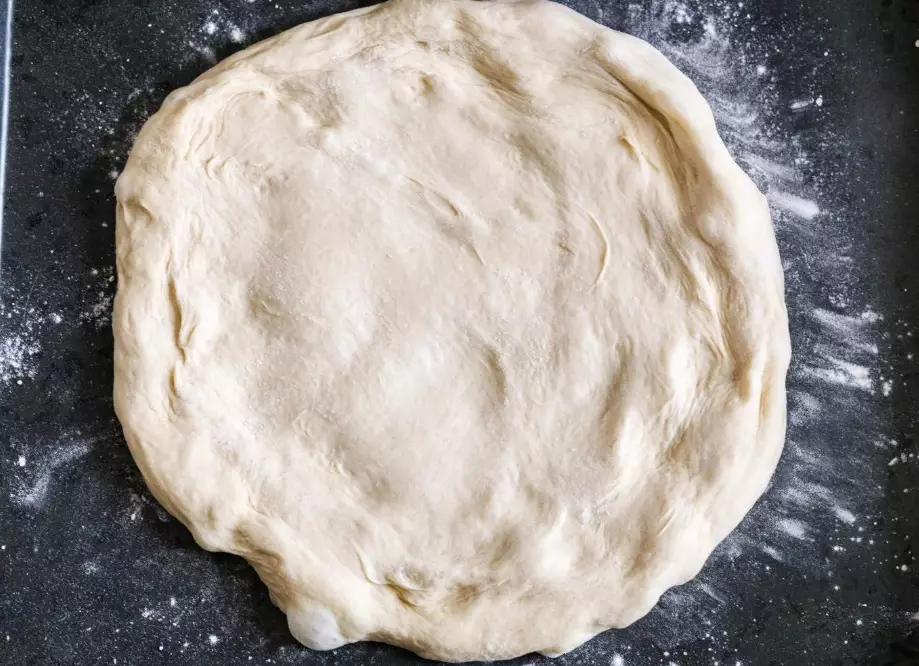
Dust your work surface lightly with flour. Scrape the dough out. It will be loose. Fold it over itself a few times—just enough to form a smooth-ish ball. This takes 30 seconds. Divide it in half for two 12-inch pizzas, or leave it whole for a large sheet pan or thicker crust.
Place the shaped dough ball(s) on a piece of parchment paper, cover loosely, and let them rest for another 15-20 minutes while your oven preheats. This short rest lets the gluten relax, making the dough much easier to stretch without snapping back.
Shaping, Topping, and Baking for Best Results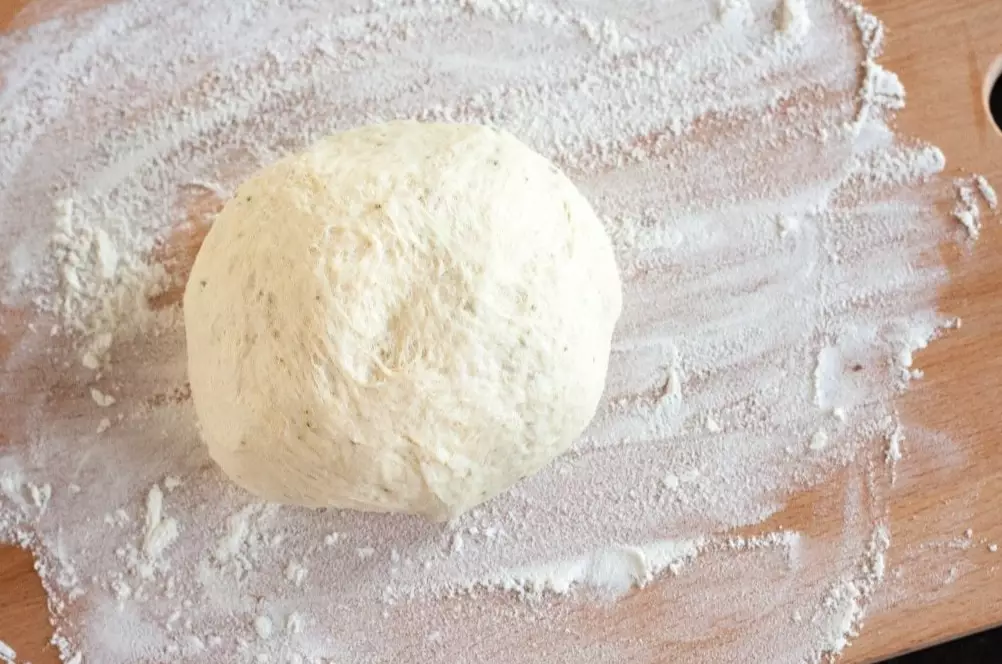
Preheat your oven as high as it will go—500°F (260°C) or 550°F (290°C) if possible. Place a pizza stone, steel, or an inverted heavy baking sheet on a middle rack to heat for at least 30 minutes.
To shape, don't roll. Rolling pushes out all the gas. Place your dough ball on a floured surface. Press down in the center with your fingertips, leaving a thick border for the crust. Gently stretch it outwards, rotating it, letting gravity help. If it resists, walk away for 2 minutes and try again. The gluten just needs a moment to relax.
Transfer the stretched dough to a piece of parchment (this is your "peel"). Add your sauce and toppings lightly—overloading is the enemy of a crisp crust.
Slide the pizza (on the parchment) onto the hot stone. Bake for 8-12 minutes, until the crust is golden and the cheese is bubbly.
Your Quick Dough Questions Answered
 Can I make this dough ahead and refrigerate it?




Leave a Comment