Ask a dozen bakers for the secret to perfect donuts, and you'll get a dozen answers. The right flour. The perfect proof. Precise oil temperature. They're all correct, but they're also all incomplete. After burning through more oil and flour than I care to admit, I've learned the hard way that the "secret" is actually a system. It's the meticulous control over a chain of tiny, interconnected details that most recipes casually gloss over. Forget about finding a single magic bullet. The perfect donut—the kind that's feather-light with a crisp, golden shell and a tender, flavorful interior—happens when you master the entire process, from the temperature of your milk to what you do the second they come out of the fryer.
What You'll Learn Inside
Ingredient Alchemy: It's More Than Just Flour
Most recipes start with flour, sugar, yeast, and call it a day. That's like saying a car needs wheels and an engine. Which flour, though? The protein content is your steering wheel.
I used to grab all-purpose flour and wonder why my donuts were sometimes tough. The problem was inconsistency. All-purpose flour can range from 9% to 12% protein. For donuts, you need structure, but not the chewy structure of bread. You're aiming for tender.
Pro Tip: Look for a bread flour with around 11-12% protein. Yes, bread flour. It sounds counterintuitive for tenderness, but the higher, consistent protein gives the dough enough strength to trap air during frying without becoming dense. The real tenderness comes from fat and proper hydration, not weak flour.
Now, let's talk about the silent hero: the fat. Recipes say "butter or shortening." This is a huge fork in the road. Butter adds incredible flavor but has water in it, which can slightly toughen gluten. Shortening creates a supremely tender, melt-in-your-mouth crumb but lacks flavor. My non-consensus take? Use both. I do a 50/50 blend. The shortening guarantees that tender texture, and the butter brings the taste. It's the best of both worlds.
Here’s a quick breakdown of how your fat choice changes the game:
| Fat Type | Effect on Texture | Effect on Flavor | Best For |
|---|---|---|---|
| Unsalted Butter | Good tenderness, can be slightly denser | Rich, classic, buttery flavor | Raised donuts where flavor is paramount |
| Vegetable Shortening | Superior tenderness, very light crumb | Neutral, "clean" taste | Cake donuts or ultra-light raised donuts |
| 50/50 Blend | Excellent balance of strength and tenderness | Rich flavor with a light texture | The ideal hybrid for most home bakers |
And one more thing nobody mentions: nutmeg. Just a quarter teaspoon grated into your dough for yeast-raised donuts. It doesn't scream "nutmeg"; it creates a warm, complex background note that makes people say, "Wow, these taste professional."
The Temperature Dance: From Yeast to Oil
Temperature isn't a step; it's the environment. Get it wrong, and your yeast will sulk, your butter will weep, and your oil will betray you.
Yeast Activation: The Wrist Test is a Lie
Every recipe says to use "warm water/milk, about 110°F (43°C)." Then they tell you to test it on your wrist. That method is wildly inaccurate. Your wrist skin varies. If the liquid is too hot (over 115°F/46°C), you kill the yeast. Too cool, and it takes forever to wake up.
Buy a cheap digital thermometer. It's the best $10 you'll spend. Aim for 105-110°F (40-43°C) for the liquid that touches the yeast directly. But here's the bigger picture: the final dough temperature. After mixing, your dough ball itself should feel cool, around 75-78°F (24-26°C). If it's warmer, fermentation runs too fast, developing off-flavors. If your kitchen is hot, use cooler liquids. If it's cold, use slightly warmer ones. Control the dough, not just the ingredient.
Proofing: Patience Over Warmth
The urge to put dough in a super-warm spot to speed things up is strong. Resist it. A slow, cool rise (in the fridge overnight, for instance) allows flavors to develop deeply. The gluten relaxes. The result is a donut with more character and a better texture. A rushed, warm proof gives you puffy donuts that taste bland and can collapse in the fryer.
Common Mistake: Proofing until the dough "doubles in size." For donuts, you want them just under doubled. They should still spring back slowly when gently poked. If the indentation stays, they're over-proofed and will be fragile, absorbing oil like a sponge and tasting yeasty.
Frying Mastery: Beyond "350°F"
This is where dreams go to die or become glorious. The number 350°F (177°C) is a guideline, not a commandment.
First, oil choice matters. Neutral oils with a high smoke point are key: peanut, canola, or vegetable shortening. I prefer peanut oil for its clean taste and high smoke point. Avoid olive oil. It's a flavor and smoke-point disaster for donuts.
Now, the real secret: temperature recovery. You drop a cold, 70°F dough into 350°F oil. The oil temperature plummets. If you're using a thin pot and not enough oil, it may never recover, leading to greasy, pale donuts. You need a heavy-bottomed Dutch oven or deep fryer and enough oil so the temperature drop is minimal (2-3 donuts at a time max). Monitor the thermometer constantly and adjust the heat to keep it between 365°F and 375°F (185-190°C) during frying. The initial higher temp compensates for the drop.
Fry for about 60-75 seconds per side. Look for a deep, even golden brown, not a light blonde. That color equals flavor.
The most critical, often missed step? The draining rack. Do not, I repeat, do NOT drain donuts on paper towels. The bottom steams, becoming soggy. Place them directly on a wire cooling rack set over a baking sheet. This allows air to circulate all around, keeping the entire shell crisp.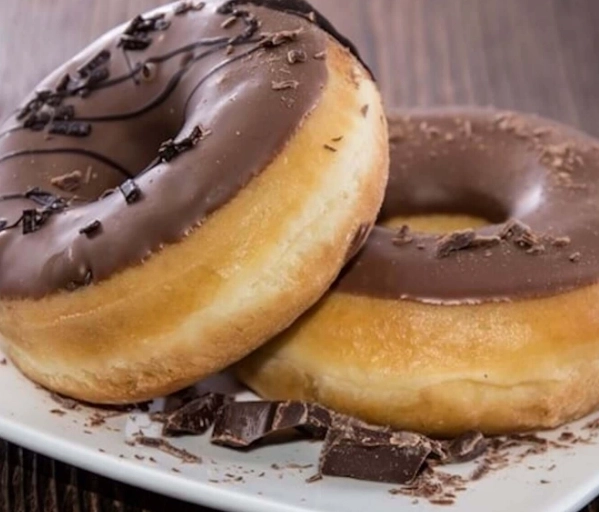
Glaze & Finish: The Icing on the Cake (Ring)
A perfect donut can be ruined by a cloying, thick, or sloppy glaze. Timing is everything.
For a classic sugar glaze, the donut must be warm, not hot. If it's piping hot, the glaze will just melt and slide off. If it's cold, the glaze sets too thick and crackly. Aim for "just cool enough to handle"—about 1-2 minutes out of the oil. Dip, let the excess drip off for a count of three, then back to the rack.
Want that crackly shell on a chocolate cake donut? Make a simple ganache (heavy cream poured over chopped chocolate) and dip while the donuts are completely cool. The temperature contrast gives you that signature snap.
And for cinnamon sugar? Toss them while they're still hot and wet with oil. The sugar will stick in a beautiful, craggy layer. If you wait until they're dry, it won't adhere properly.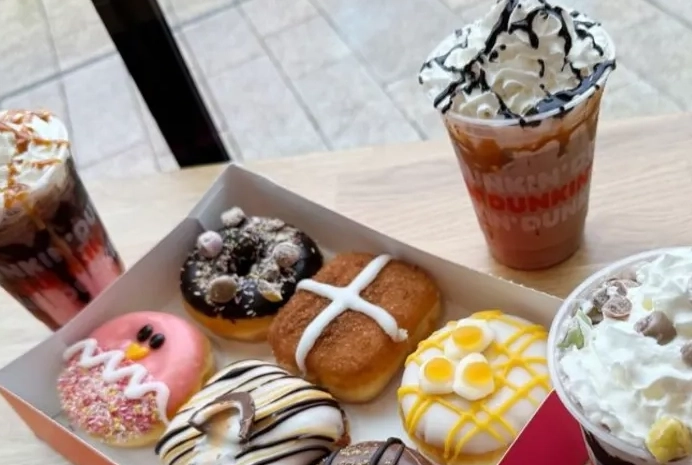
Saving Your Donuts: FAQ for Common Disasters
Why are my donuts raw or doughy in the middle but brown outside?
My donuts are soaking up oil and taste greasy. What went wrong?
The donuts are tough and chewy, not light and fluffy.
Can I make the dough ahead of time?
My glaze is always too thin or too thick. How do I get it right?

Leave a Comment