Quick Guide
- It All Starts With the Star Ingredient: The Bananas
- The Moisture Dream Team: Fats, Sugars, and Eggs
- The Silent Moisture Killer: Overmixing
- Baking Time & Temperature: The Final Hurdle
- Common Problems & Quick Fixes (A Troubleshooting Table)
- Answering Your Banana Bread Questions
- Putting It All Together: A Mental Checklist for Success
Let's be honest, we've all been there. You follow a recipe to the letter, wait patiently for it to bake, and then... disappointment. The top looks great, but the inside is crumbly, dry, or worse, weirdly dense. You're left wondering, what is the key to making banana bread moist? Is it more bananas? More butter? Some magical ingredient you missed?
I've asked myself that same question more times than I can count. After years of baking (and more than a few failures I'd rather forget), I've learned it's never just one thing. It's a combination. A little bit of science, a lot of understanding your ingredients, and avoiding some incredibly common mistakes. The good news? Once you know what they are, moist banana bread is almost foolproof.
So, let's ditch the dry loaves for good. This isn't about a single secret trick. It's about building a foundation of knowledge so you can make the best banana bread every single time, even if you tweak the recipe.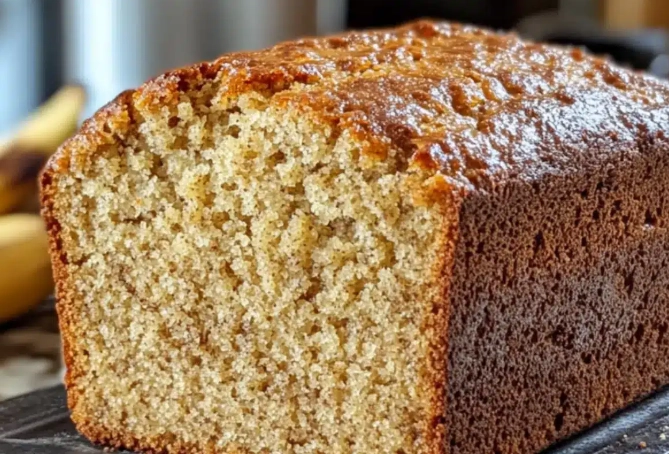
It All Starts With the Star Ingredient: The Bananas
If your banana bread is dry, the first place to look is your fruit. Using the wrong bananas is probably mistake number one.
The Golden Rule: The blacker, the better. Seriously. Those pristine yellow bananas with maybe a couple of spots? Save them for eating. For baking, you want bananas that look like they've given up on life. Completely brown, almost black skin, soft to the point of being mushy. They should look unappealing.
Why? As bananas ripen, their starches convert into sugars. This means two things for your bread: more natural sweetness (allowing you to sometimes reduce added sugar) and more moisture. An overripe banana is essentially a pouch of sweet, thick liquid. A yellow banana is still starchy and firm, contributing less liquid and flavor. The difference in moisture content and flavor intensity is huge.
How to Get "Baking Bananas" Fast (And What to Do With Extras)
Don't have time to wait a week for bananas to turn? Here's a trick I use all the time. Place yellow bananas (peels on) on a baking sheet and bake them in a 300°F (150°C) oven for about 30-40 minutes, until the peels are completely black and shiny. Let them cool, and you've got perfect baking bananas. The heat accelerates the ripening process beautifully.
And what about those extra overripe bananas? Don't bake them all at once. Peel them, mash them, and freeze the mash in one-cup portions (about 2-3 bananas) in zip-top bags. Thaw in the fridge when you're ready to bake. Some bakers swear frozen-and-thawed bananas make an even moister bread, as the cell walls break down further.
This focus on banana ripeness is a non-negotiable part of the answer to what is the key to making banana bread moist. Skip it, and you're starting with a handicap.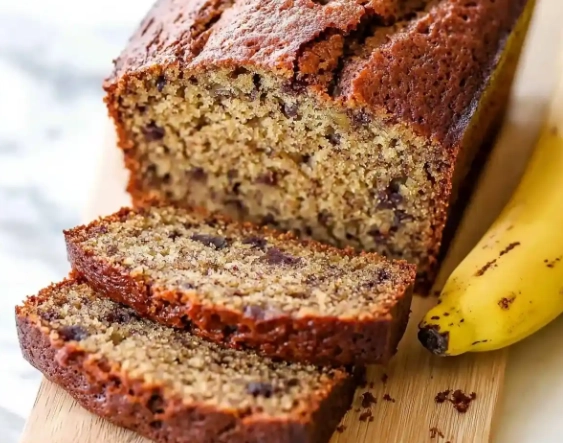
The Moisture Dream Team: Fats, Sugars, and Eggs
Bananas provide the base moisture, but they need a support crew. The fats, sugars, and eggs in your recipe aren't just there for fun—they're crucial for texture.
I used to think fat was the enemy of health, so I'd try to cut the butter or oil in recipes. Big mistake. Every single time, I ended up with a dry, tough brick. It was a hard lesson that in baking, fat equals tenderness and moisture.
Let's break down their roles:
- Fat (Butter/Oil): This coats the flour proteins, preventing them from forming too much gluten (which makes things tough). It also literally lubricates the batter, giving it a rich, tender crumb. Oil tends to make a moister crumb than butter that stays moist longer, as oil is liquid at room temperature while butter solidifies. But butter gives better flavor. Many bakers (myself included) use a combination.
- Sugar: It's not just sweet. Sugar is hygroscopic, meaning it attracts and holds onto water molecules. This helps lock moisture into your bread over time. Brown sugar, with its molasses content, is even better at this than white sugar.
- Eggs: They provide structure and richness. The yolks, full of fat and emulsifiers, help bind the water and fat in the batter together into a smooth, cohesive mixture that bakes up evenly.
Getting the balance of this "dream team" right is another fundamental part of the key to making banana bread moist. Too little fat, and it's dry. Too little sugar, and it stales quickly. It's a delicate dance.
The Silent Moisture Killer: Overmixing
Here's where a lot of good intentions go wrong. You have your perfect overripe bananas, you've measured your dream team ingredients precisely, and then you ruin it in 30 seconds of enthusiastic mixing.
Banana bread batter should be mixed with a gentle, almost lazy hand. Why? Flour contains gluten proteins. When you add liquid and then stir or beat the batter, you activate this gluten. A little gluten gives structure. A lot of gluten gives you the chewy, dense texture of bread... not the tender, cake-like crumb of good banana bread.
The Rule: Mix the wet and dry ingredients together just until the flour disappears. No more. It's okay if the batter looks a little lumpy or uneven. Those lumps will bake out. Overmixed batter looks smooth and uniform, and will bake into a tough, rubbery loaf.
My method? I use a fork or a wooden spoon, not an electric mixer, for the final combining. I make a well in the dry ingredients, pour in the wet, and fold them together with maybe 15-20 strokes max. When I see no more dry flour patches, I stop. Even if it feels wrong. Trust me, it's right.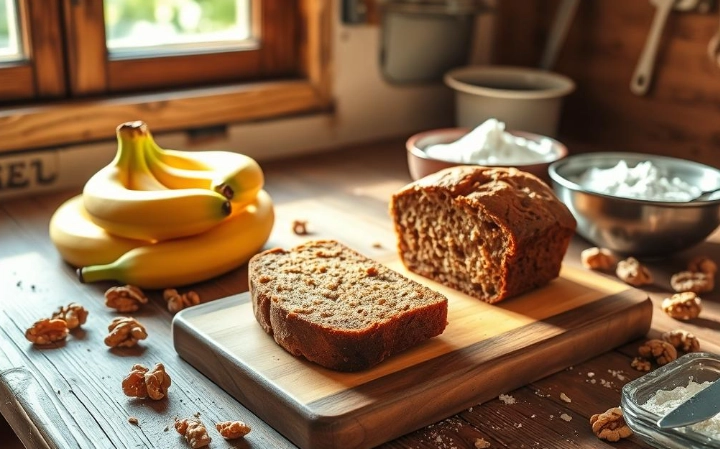
Baking Time & Temperature: The Final Hurdle
You can do everything else perfectly and still dry out your bread in the oven. Baking is the final transformation, and it needs respect.
Most recipes call for 350°F (175°C). That's a good standard. But ovens lie. They have hot spots, they cycle on and off, and their thermostat might be off by 25 degrees. An oven thermometer is a cheap and essential tool. If your oven runs hot, your bread will bake faster on the outside while the inside stays wet, or worse, it will simply bake dry all the way through.
Start checking for doneness a good 10 minutes before the recipe says it should be done. The classic test is inserting a toothpick or skewer into the center. It should come out with a few moist crumbs clinging to it, not clean and not wet with raw batter.
Pro Tip: If the top is browning too quickly but the center is still wet, loosely tent a piece of aluminum foil over the loaf pan for the remainder of the baking time. This slows down the browning so the inside can catch up without the top burning.
And here's a critical step almost no one talks about: let it cool completely in the pan. I know, the smell is incredible and you want to slice it warm. Resist. The bread is still cooking from residual heat as it cools. Slicing it too soon releases a torrent of steam—which is moisture leaving the loaf forever. Let it cool for at least an hour, preferably two, in the pan on a wire rack. This allows the structure to set and the moisture to redistribute evenly throughout the crumb.
So, when you're figuring out what is the key to making banana bread moist, don't forget the oven and the cooling rack. Patience is part of the recipe.
Common Problems & Quick Fixes (A Troubleshooting Table)
Let's diagnose some specific issues. This table breaks down why things might go wrong and how to fix them next time.
| Problem | Likely Cause | How to Fix It Next Time |
|---|---|---|
| Dry & Crumbly | Not enough fat/liquid; overbaked; bananas not ripe enough; overmixed. | Increase oil/butter by 1-2 tbsp; use black bananas; check oven temp with a thermometer; mix less. |
| Dense & Gummy | Too much banana; not enough leavening (baking soda); underbaked. | Measure bananas (2-3 med is usually right); ensure baking soda is fresh; use toothpick test. |
| Soggy Bottom/Wet Center | Underbaked; pan too small causing batter to be too deep. | Bake longer (cover top with foil if browning); use correct 9x5" loaf pan. |
| Tough & Rubbery | Overmixed. This is almost always the culprit. | Fold wet & dry ingredients just until combined. Use a spoon, not a mixer. |
| Cracks Heavily on Top | Oven too hot; too much batter in pan. | Lower oven temp by 25°F; don't overfill pan (2/3 full max). |
Answering Your Banana Bread Questions
Putting It All Together: A Mental Checklist for Success
Before you even preheat your oven, run through this list. It encapsulates everything we've talked about.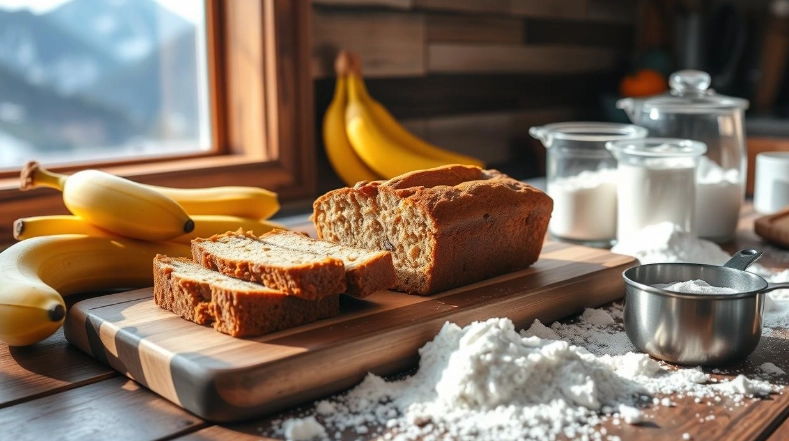
- Bananas: Are they completely brown/black and mushy? (If not, roast them!).
- Fat: Am I using enough? Is my butter/oil measured correctly?
- Mix Plan: Am I prepared to mix by hand and stop the second the flour is incorporated?
- Pan: Is my loaf pan the right size (9x5 inches)? Am I going to grease it well?
- Oven: Do I trust my oven's temperature? (If not, use a thermometer).
- Timer: Will I start checking for doneness early?
- Patience: Am I ready to let it cool completely in the pan before slicing?
When you understand the why behind each step—why ripe bananas matter, why overmixing is bad, why cooling is crucial—you stop just following a recipe and start baking with confidence. You can look at any recipe and know if it has the right ratios. You can troubleshoot on the fly.
That's the ultimate goal. To never have to ask "what is the key to making banana bread moist?" again, because you'll already know. You'll have absorbed the principles. Your kitchen will smell like success, and your slices will be perfectly, reliably, deliciously moist every single time.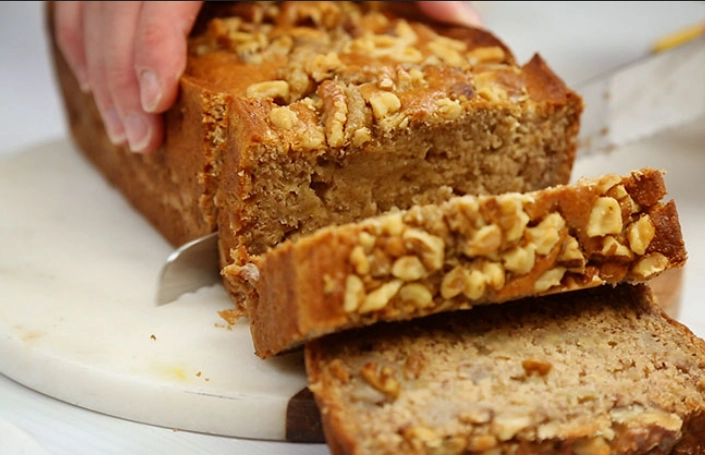
Now go check your fruit bowl. Those bananas aren't going to overripen themselves.

Leave a Comment