Quick Navigation
Let's be honest. We've all been there. You find a promising classic sugar cookie recipe online, spend an hour mixing and chilling and rolling, only to pull a pan of sad, puffy, misshapen blobs from the oven. Or worse, ones that spread into a single, crispy sheet. The frustration is real. I've thrown away more failed batches than I care to admit.
But what if you had a recipe that just... worked? One that gave you those tender, sweet, perfectly shaped canvases just begging for royal icing? That's what this is. This isn't just another recipe. It's the culmination of years of testing, tweaking, and yes, failing, to land on the absolute best method for a classic sugar cookie recipe. We're talking about the kind of cookie that holds the sharp lines of a Christmas tree cutter, has a soft yet sturdy bite, and tastes like pure, buttery nostalgia.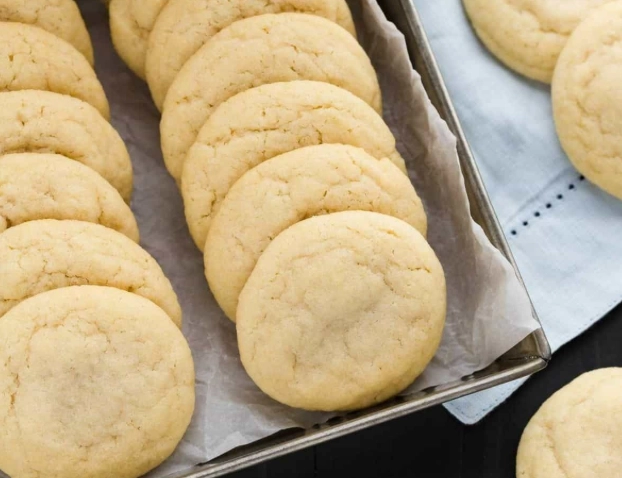
Why This Classic Sugar Cookie Recipe is Different
Most recipes get the basics right: butter, sugar, flour, eggs. But the devil is in the details—the ratios, the technique, the little secrets that bridge the gap between good and legendary. I learned this the hard way after a holiday party where my cookies were the only dessert left untouched. Ouch.
This version prioritizes two things: flavor and structure. It uses a balanced mix of granulated and powdered sugar for sweetness without graininess, and just the right amount of leavening to prevent puffiness. The real game-changer? Understanding the ingredients like they're your friends (or sometimes, foes).
The Building Blocks: Your Ingredient Deep Dive
You can't build a great house with poor materials, and the same goes for cookies. Let's break down each player in this classic sugar cookie recipe.
Sugars: We use both. Granulated sugar provides structure and slight spread. Powdered sugar (confectioner's sugar) tenderizes the crumb and helps keep the shape defined. Don't substitute one for the other entirely.
Egg: One large egg, straight from the fridge, binds everything. The cold temperature helps firm up the creamed butter and sugar.
Vanilla Extract: Use the real stuff. Imitation vanilla can leave a chemical aftertaste. For a deeper flavor, try a blend of pure vanilla and a tiny drop of almond extract (but be careful, it's potent!).
All-Purpose Flour: The backbone. For consistent results, fluff your flour in the bag, spoon it lightly into your measuring cup, and level it off. Better yet, weigh it. 360 grams is your magic number. Too much flour is the #1 cause of dry, crumbly cookies.
Leaveners: We use a touch of baking powder. Not soda. Baking powder gives a little lift without promoting excessive spread. Some recipes use both, but in my tests, that often leads to too much airiness, and you lose those crisp edges.
The Foolproof Step-by-Step Method
Ready to bake? Clear your counter. Here’s the process, with all the “why’s” explained so you never have to guess again.
Creaming is Everything
In your stand mixer or with a hand mixer, beat the softened butter and both sugars on medium speed for a full 2-3 minutes. You're not just mixing; you're incorporating tiny air bubbles that will lighten the texture. It should become noticeably pale and fluffy. Scrape the bowl down. Add the egg and vanilla, and mix until fully combined, another minute.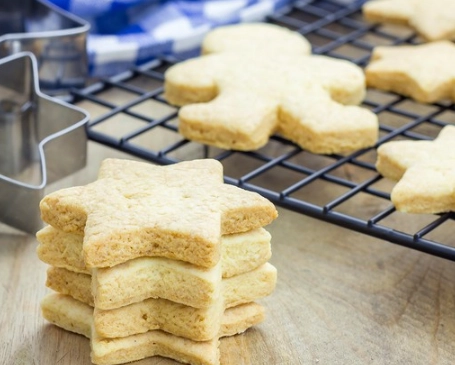
The Dry Ingredients
Whisk your flour, baking powder, and salt in a separate bowl. This ensures even distribution. With the mixer on low, gradually add the dry ingredients to the wet. Mix just until no dry streaks of flour remain. Overmixing at this stage develops gluten, leading to tough cookies.
The dough will be soft. This is normal and correct.
The Chill: Your Secret Weapon
Divide the dough in half, shape each into a 1-inch thick disc, wrap tightly in plastic wrap, and refrigerate for at least 2 hours, preferably overnight. This step is not a suggestion. It firms up the butter, hydrates the flour evenly, and guarantees your cut out sugar cookies will keep their shape. Chilling also deepens the flavor.
Can you skip it? You can, but you'll get a completely different (and likely disappointing) result. Trust me on this.
Rolling, Cutting, and Baking Like a Pro
This is where the magic becomes visible. Take one disc of dough out of the fridge. Let it sit on the counter for 5-10 minutes to become just pliable enough to roll.
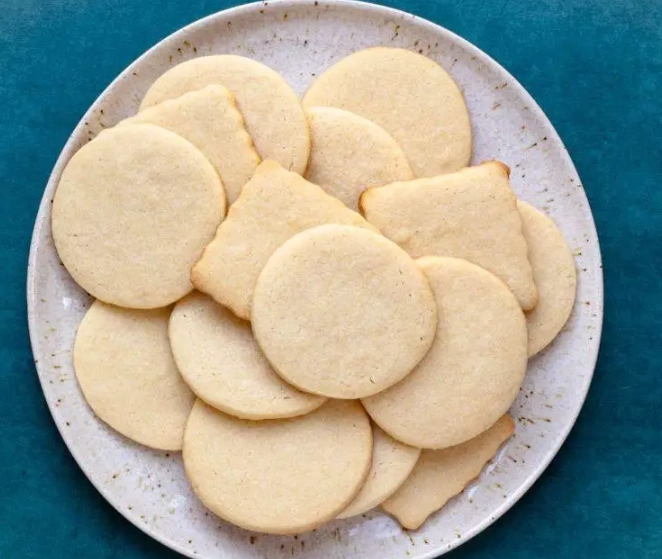
Lightly flour your surface and rolling pin. Roll the dough to a consistent 1/4-inch thickness. Too thin, and they'll bake too fast and be brittle. Too thick, and they'll be doughy in the middle. Use guide rings on your rolling pin if you have them—they're lifesavers.
Dip your cookie cutters in flour before each cut. Press down firmly and lift straight up. Don't twist. To transfer the shapes to your parchment-lined baking sheet, a thin offset spatula is your best friend.
Re-roll the scraps once. After that, the dough gets overworked. Bake the cookies in a preheated 350°F (175°C) oven for 9-11 minutes. They're done when the edges are set and have the faintest hint of golden brown. The centers should look dry, not wet or shiny.
Let them cool on the baking sheet for 5 minutes before moving to a wire rack to cool completely. This is non-negotiable for structure.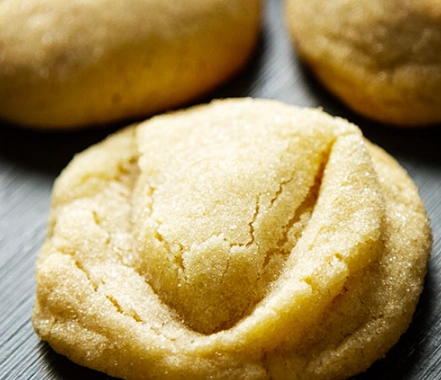
Troubleshooting Your Classic Sugar Cookies
Even with a great recipe, things can go sideways. Here’s a quick fix guide based on common problems.
| Problem | Likely Cause | How to Fix It Next Time |
|---|---|---|
| Cookies spread too much | Butter too warm, dough not chilled enough, oven too cool, too much sugar. | Ensure butter is cool-room-temp soft, chill dough thoroughly, check oven temp with a thermometer. |
| Cookies are puffy/cakey | Too much baking powder, over-creaming, dough rolled too thick. | Measure leavener precisely, don't over-cream warm butter, roll to consistent 1/4". |
| Cookies are tough/hard | Overmixed dough after adding flour, too much flour, overbaked. | Mix dry ingredients only until combined, measure flour correctly (use a scale!), reduce bake time. |
| Cookies are too crumbly | Not enough liquid (egg), too much flour/shortening, under-creamed butter. | Use a large egg, fluff and spoon flour, cream butter & sugar properly. |
| Edges aren't sharp | Dough too warm when cut, cutter twisted, too much leavener. | Keep dough cold, flour cutter and press straight down, ensure baking powder is fresh. |
Decorating 101: From Simple to Stunning
Now for the fun part. Your perfect blank canvas awaits. You don't need to be a pastry artist to make them beautiful.
The Simple Route: Before baking, sprinkle with coarse or sanding sugar. It adds sparkle and crunch. A simple glaze of powdered sugar and milk or lemon juice dries smooth and shiny.
Royal Icing: This is the gold standard for detailed work. It dries rock hard. The key is consistency. You need a thick "outline" consistency to pipe borders, and a thinned "flood" consistency to fill areas. It takes practice—my first few batches looked like a toddler's art project. Don't get discouraged. Use gel food coloring, not liquid, to avoid thinning the icing.
Buttercream: Easier to work with than royal icing and tastes delicious, but it doesn't dry hard, so you can't stack the cookies easily.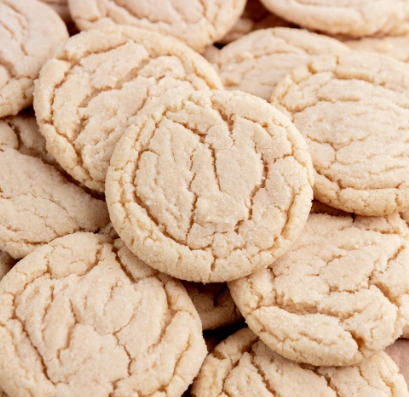
"The beauty of a great classic sugar cookie recipe is its versatility. Master the base, and you can dress it up for any season, any holiday, any occasion."
Frequently Asked Questions (The Stuff You Really Want to Know)
I get asked these questions all the time. Let's clear them up.
Taking Your Classic Sugar Cookie Recipe Further
Once you've mastered this base, the world is your oyster. Here are some easy twists.
- Lemon Sugar Cookies: Add 2 tablespoons of fresh lemon juice and 1 tablespoon of zest. Reduce the vanilla to 1 teaspoon.
- Almond Sugar Cookies: Replace the vanilla with 1 teaspoon of pure almond extract. Press a sliced almond into the center before baking.
- Chocolate-Dipped: Dip half of a cooled cookie in melted chocolate (dark, milk, or white) and let set on parchment.
- Spiced: Add 1 teaspoon of cinnamon, 1/4 teaspoon of nutmeg, and a pinch of cloves to the dry ingredients for a fall-inspired treat.
The goal is a cookie that's tender but sturdy, sweet but not cloying, and reliable enough to be the star of your cookie tray. This classic sugar cookie recipe is that workhorse. It’s the one I turn to for Christmas, Valentine’s Day, birthdays—you name it.
Baking is part science, part heart. This recipe gives you the science. You bring the heart. Now go preheat that oven. Your perfect batch of easy sugar cookies is waiting.


Leave a Comment