What’s Inside This Guide
- Why Your Bagels Aren't Chewy (The Common Pitfalls)
- The Science of Chew: It's All About Gluten and Gelatinization
- The Ultimate Chewy Bagel Recipe: Ingredients Matter
- Step-by-Step: The Process That Builds Chew
- Troubleshooting Your Chewy Bagel Quest
- Beyond the Basic: Flavor Variations That Keep the Chew
- Storing and Reheating: Keeping the Chew Alive
- Frequently Asked Questions (The Stuff You Actually Search For)
- The Final Word on Chew
Let's be honest for a second. How many times have you tried a bagel recipe promising "chewy" results, only to pull something from the oven that's closer to a soft dinner roll with a hole in it? I've been there. My kitchen has seen more bagel-shaped disappointments than I care to admit—puffy, cakey things that bore zero resemblance to the dense, malty, satisfyingly resistant chew of a proper New York-style bagel. It's frustrating. You follow the instructions, you knead, you wait, you bake. And yet, that elusive, iconic texture remains out of reach.
So I went down a rabbit hole. I talked to bakers, read old baking manuals, and burned through enough flour to open a small bakery. What I discovered wasn't just one secret, but a whole series of non-negotiable steps and ingredient choices that separate a good bagel from a legendary, chewy bagel. This isn't about subtle tweaks; it's about understanding the why behind the chew.
If you're searching for a truly chewy bagel recipe, you're not just looking for instructions. You're seeking that specific mouthfeel—the slight resistance when you tear into it, the dense crumb, the shiny, crackly crust. This guide is built to give you exactly that, and explain every single step so you never have a soft, disappointing batch again.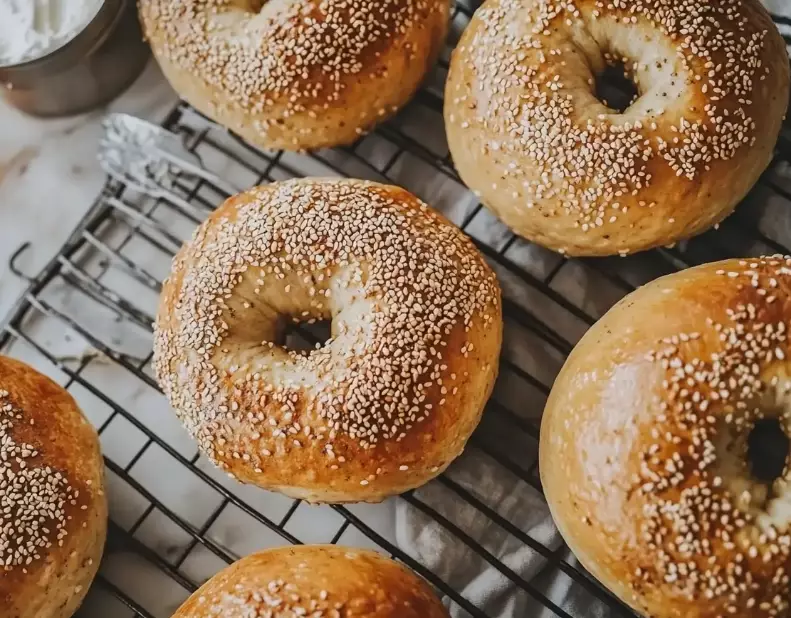
Why Your Bagels Aren't Chewy (The Common Pitfalls)
Before we fix the problem, let's diagnose it. Most homemade bagels fail on the chewiness front for a few key reasons. First up is flour. All-purpose flour is the default for most home bakers, but it's often the first point of failure. Its protein content is a gamble—sometimes high enough, often too low. Protein is what forms gluten, and gluten is the network that gives bagels their structure and chew. Weak gluten means a soft, weak bagel.
Then there's the yeast. Using too much, or letting the dough rise for too long in a warm place, creates large air bubbles and a light, bread-like texture. A proper bagel dough is meant to be dense and slow. The boiling step is another classic stumbling block. Some recipes suggest a quick dip, or worse, skip it altogether for a "simpler" bake. Big mistake. Boiling sets the crust, gelatinizes the starches on the surface, and is absolutely critical for that signature shiny, chewy exterior. Finally, under-kneading. A bagel dough is stiff and tough to work with. It's tempting to stop early, but insufficient kneading means underdeveloped gluten. You can't get a chewy bagel from a slack dough.
The Supermarket Illusion: Most mass-produced bagels you find on shelves are essentially soft, sweet bread shaped like a bagel. They're baked on pans, not boiled, and are loaded with additives to keep them soft for weeks. Don't use them as your benchmark for texture. A real bagel should be best the day it's made and have some serious jaw-work required.
The Science of Chew: It's All About Gluten and Gelatinization
Chewiness in bagels is a textural marvel created by two main processes: extensive gluten development and starch gelatinization. A high-protein flour, combined with thorough kneading and a relatively low hydration (stiff dough), creates a strong, extensive gluten network. This network is elastic and resistant. The boiling step then cooks the outer layer of this dough. The hot water causes the starches on the surface to gelatinize, forming a gel-like layer that sets during baking into a glossy, firm crust. This crust acts as a barrier, preventing the bagel from expanding too much in the oven (which would create a soft, airy crumb) and locking in the dense, chewy interior. Resources like the King Arthur Baking bread guide offer fantastic deep dives into the science of gluten.
Think of it like building a house. The gluten network is the steel framework—it needs to be strong. The gelatinized starch crust is the brick exterior—it needs to be tight and sealed. Miss either component, and the structure (your bagel's texture) collapses into something soft.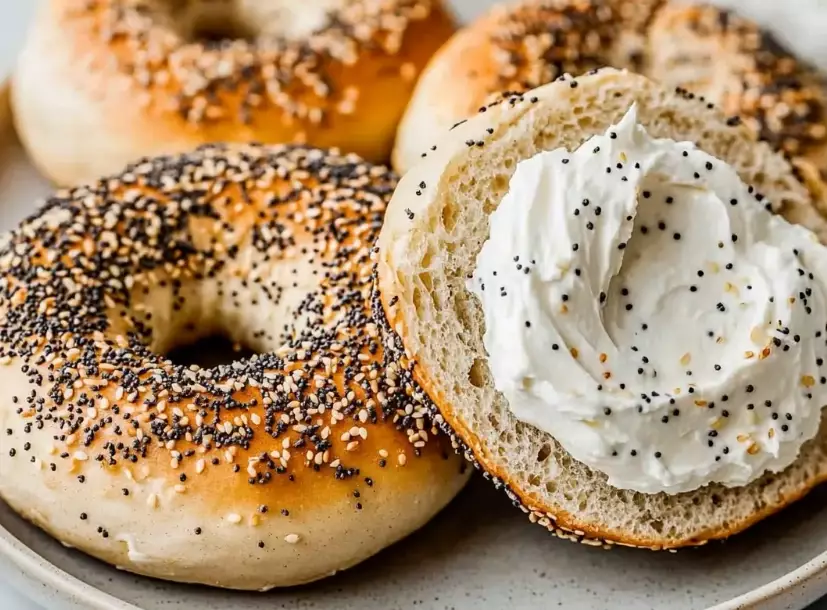
The Ultimate Chewy Bagel Recipe: Ingredients Matter
This is the core. The recipe I landed on after all my testing is deliberately simple in ingredients but strict on specifications. Every component has a job.
The Non-Negotiable Ingredients List
- High-Gluten Flour or Bread Flour: This is the number one rule. You need flour with a protein content of at least 12.5%. King Arthur Bread Flour (12.7%) is a widely available and consistent choice. If you can find genuine high-gluten flour (around 14% protein, often used by pizzerias), your chewiness potential goes through the roof. All-purpose flour at 10-11% protein simply won't build a strong enough network. This is the single most important factor for a chewy bagel dough recipe.
- Water: Cool or lukewarm. Hot water will kill the yeast. The amount is precise to create that stiff dough.
- Malt: This is the flavor and color secret. Non-diastatic malt powder or syrup (like from King Arthur) adds a subtle sweetness, aids in browning, and contributes to a tender crust. You can substitute barley malt syrup or even dark brown sugar in a pinch, but malt is traditional.
- Yeast: Instant yeast for convenience. A small amount for a slow, controlled rise.
- Salt: For flavor and to tighten the gluten structure.
| Ingredient | Weight (grams) - For Accuracy | Volume (Approx.) | Why It's Here |
|---|---|---|---|
| High-Gluten or Bread Flour | 500g | ~4 cups (spoon & level) | Builds the strong gluten network for chew. |
| Water (cool) | 270g | 1 cup + 2 tbsp | 54% hydration for a stiff, workable dough. |
| Non-Diastatic Malt Powder | 10g | 1 tbsp | Adds flavor, aids browning, improves crust. |
| Instant Yeast | 5g | 1 1/2 tsp | Leavening agent for a slow, controlled rise. |
| Fine Sea Salt | 9g | 1 1/2 tsp | Strengthens gluten, enhances flavor. |
| Barley Malt Syrup (for boiling) | 30g | 2 tbsp | Gives the crust classic color and slight sweetness. |
Kitchen Scale is Key: I know, I know. But for a recipe where texture is everything, weighing your ingredients is the only way to ensure consistency. Cup measurements for flour are notoriously variable. A $20 digital scale will transform your baking, especially for a precise bagel recipe chewy like this one.
Step-by-Step: The Process That Builds Chew
1. Mixing and Kneading: Building the Muscle
Combine all the dry ingredients in a large bowl. Whisk them together to distribute the yeast and salt evenly. Add the water and malt syrup (if using liquid). Now, get ready to work. This dough will be shaggy and dry at first—that's correct. Turn it out onto an unfloured counter. The low hydration is intentional.
Knead. And I mean really knead. For a full 10-12 minutes by hand. A stand mixer with a dough hook can do it in about 8-9 minutes on medium-low speed. You're looking for a very smooth, extremely stiff dough. It will fight you. It should feel tight, elastic, and barely sticky. The windowpane test is your friend: take a small piece and gently stretch it. If you can stretch it thin enough to see light through it without it tearing immediately, your gluten is well-developed. This is the foundation of your chewy bagel recipe. Don't shortcut this.
2. The First Rise: Slow and Cold is Best
Place the dough in a lightly oiled bowl, cover it tightly, and here's the first secret for maximum chew: put it in the refrigerator. Let it cold-ferment for at least 12 hours, up to 24. This long, slow rise allows flavor to develop deeply (that tangy background note) and strengthens the gluten network even further without over-inflating the dough. It also makes the dough easier to shape.
3. Shaping: Creating the Classic Form
Punch down the cold dough and divide it into 8 equal pieces (about 100g each). The classic method is to roll each piece into a tight ball, then poke your thumb through the center. Swing the ring around your finger to widen the hole to about 1.5 inches—it will shrink during proofing and boiling. Place the shaped bagels on a parchment-lined baking sheet.
4. The Second Proof: Just a Puff
Cover the shaped bagels and let them sit at room temperature for just 30-45 minutes. They should look slightly puffed but not doubled. You want them to be eager to bake, not exhausted. Meanwhile, preheat your oven to a very hot 450°F (230°C) and bring a large pot of water to a boil. Add the barley malt syrup or honey to the water.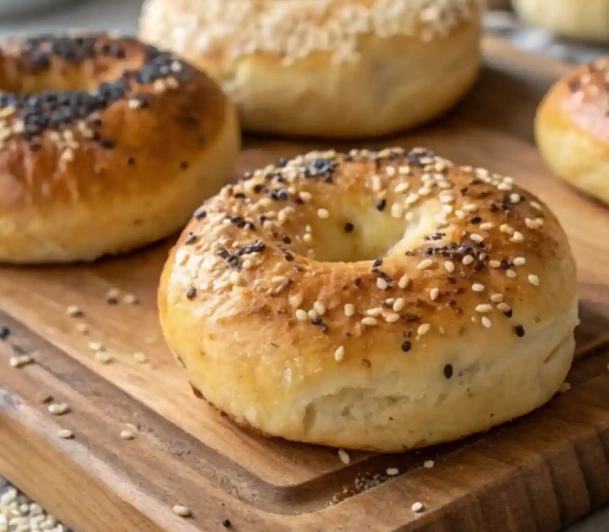
5. The Boil: The Magic Moment
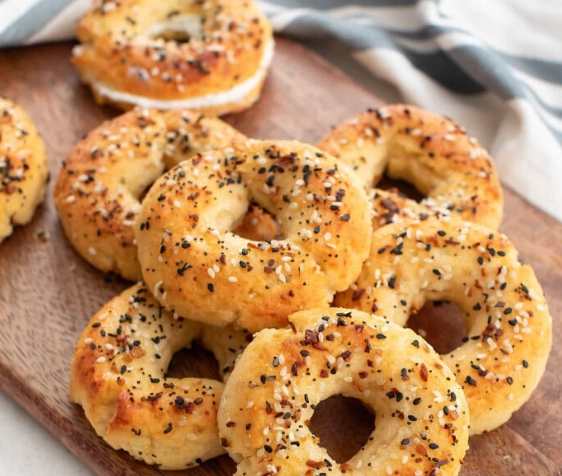
This is non-negotiable. Gently lower 2-3 bagels at a time into the vigorously boiling water. They will sink, then float. Boil for 60 seconds, flip them over, and boil for another 60 seconds. A longer boil (up to 2 minutes per side) yields an even thicker, chewier crust. I find 90 seconds per side is my sweet spot for a substantial chew. Remove with a slotted spoon, let excess water drip off, and place them back on the baking sheet. If you want toppings (sesame seeds, poppy seeds, dried onion, etc.), sprinkle them on generously now, while the bagels are wet and sticky.
Boiling Tip: Don't crowd the pot. The bagels need room to float. The water should return to a boil quickly after adding them. If it doesn't, your pot is too crowded or your water isn't hot enough to start.
6. Baking: Setting the Structure
Bake the boiled bagels for 20-25 minutes, rotating the tray halfway through, until they are a deep, glossy golden brown. That color is flavor and texture. A pale bagel is an under-baked bagel, and it won't have the same chew or shelf life.
Let them cool on a wire rack for at least 30 minutes before you even think about cutting into one. The interior is still setting as it cools. I know it's torture, but slicing into a hot bagel turns the gummy, under-set interior into a gummy, under-set mess. Wait.
Troubleshooting Your Chewy Bagel Quest
Even with a great recipe, things can go sideways. Here's how to fix common issues.
- Bagels are too hard and dense: You likely over-kneaded or over-proofed after shaping, then over-boiled. The crust became too thick, locking in a leaden interior. Reduce kneading by a minute or two, keep the final proof to 30 minutes max, and try a 60-second-per-side boil.
- Bagels are too soft and puffy: The most common failure. Causes: Flour protein too low (use bread flour!). Dough hydration too high (measure carefully). Final proof too long (they looked like pillows before boiling). Boiling time too short or water not at a full, rolling boil. Oven temperature too low.
- Bagels are wrinkled after boiling: They were over-proofed before boiling. The structure couldn't hold during the boil and collapsed. Shorten that final room-temp proof.
- Toppings won't stick: You didn't add them immediately after boiling while the surface was wet. Have your topping bowls ready to go right by your boiling station.
Beyond the Basic: Flavor Variations That Keep the Chew
Once you've mastered the plain chewy bagel, the world opens up. The key is to add flavors without sabotaging the dough structure.
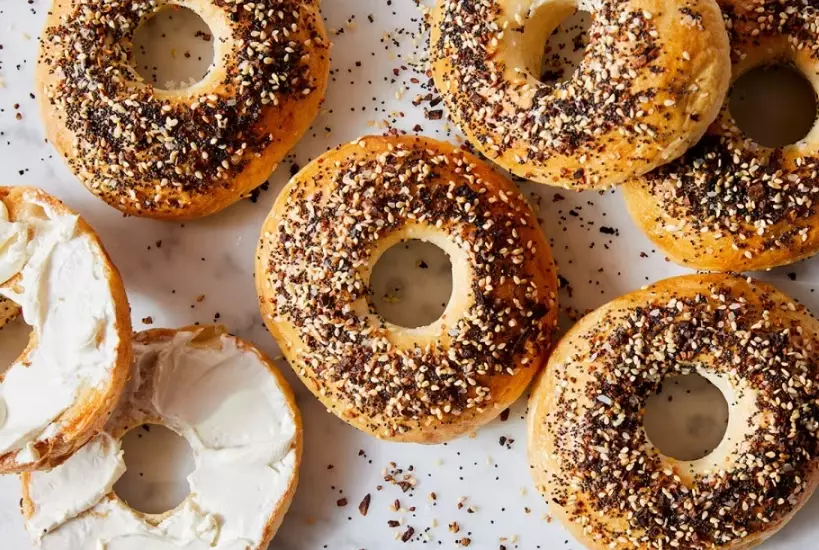
- Everything Bagel: The king. Mix sesame seeds, poppy seeds, dried garlic, dried onion, and coarse salt. Apply liberally after boiling.
- Cinnamon Raisin: Add 2 tsp of cinnamon to the dry ingredients. Soak 1 cup of raisins in warm water for 10 minutes, drain and pat dry, then fold them in during the last minute of kneading. Be gentle to avoid tearing the dough.
- Whole Wheat: For a heartier chew, substitute up to 30% of the bread flour with whole wheat flour. Expect a slightly denser result, but still wonderfully chewy. The Whole Grains Council has great info on baking with alternative grains.
Storing and Reheating: Keeping the Chew Alive
A perfect bagel is best eaten the day it's made, but you can preserve that texture. Once completely cool, place them in a paper bag at room temperature for up to 2 days. For longer storage, slice them in half, wrap tightly in plastic, and freeze for up to a month.
Never microwave a bagel to thaw it. It turns it rubbery and steamy. To reheat: toast it. Straight from the freezer to the toaster. Or, for a more authentic soft-but-chewy revive, sprinkle the cut side with a few drops of water and heat in a 350°F oven for 8-10 minutes.
Frequently Asked Questions (The Stuff You Actually Search For)
Can I make this chewy bagel recipe without a stand mixer?
Absolutely. I make them by hand most of the time. It's a workout, but it's doable. Just commit to the full 10-12 minutes of kneading on the counter. Use the heel of your hand to push and fold the dough relentlessly.
What's the best substitute for malt?
For the dough, dark brown sugar works in a pinch. For the boiling water, honey or even maple syrup will give color and a slight flavor difference, but it works. The crust might be slightly less classic, but you'll still get a great chew.
Why do my bagels deflate when I boil them?
Almost certainly over-proofing. If the dough is too puffy and airy before it hits the water, the shock of the boil causes it to collapse. Keep that final proof short and sweet—just until they look a little fuller, not doubled.
Can I use active dry yeast instead of instant?
Yes. Use the same amount. It's often recommended to proof it in a little of the warm water with a pinch of sugar first, but honestly, with modern ADY, I often just mix it in with the dry ingredients and haven't had issues. The long cold ferment gives it plenty of time to activate.
My bagels are chewy but also tough. What gives?
You've crossed the line from chewy to leathery. This usually means too much flour was incorporated during kneading (weigh your ingredients!), or you boiled them for far too long. Scale back the boil to 60 seconds per side. Also, make sure you're not using flour with an excessively high protein content (over 14%) without adjusting hydration slightly.
The Final Word on Chew
Making a genuinely chewy bagel at home is a commitment. It asks for specific ingredients, patience, and a bit of elbow grease. But the reward? It's immense. That moment you tear into a bagel with a crisp, shiny crust that gives way to a dense, malty, satisfyingly chewy interior—it's a different food entirely from the soft impostors. You made that. You understood the process, from building the gluten network in your chewy bagel dough recipe to the transformative boil.
This recipe is your blueprint. Follow it closely the first time. Then, make it yours. Adjust the boil time for more or less crust. Try different malt products. Experiment with a 36-hour cold ferment for more complex flavor. The path to your perfect bagel recipe chewy is now clear. Now go preheat your oven, and get that water boiling.
Leave a Comment