Ask a dozen bakers about the secret ingredient in doughnuts, and you'll get a dozen different answers. Nutmeg. Sour cream. Potato. Maybe even a splash of brandy. The truth is, most home cooks are looking for that one magic bullet – the single item that will transform their homemade doughnuts from good to "oh my god, where have you been all my life." I've been baking professionally for over a decade, and I'm here to tell you: you're asking the wrong question. The secret isn't one ingredient. It's a specific combination of ingredients and technique that most recipes online gloss over. Let's dig past the surface-level answers.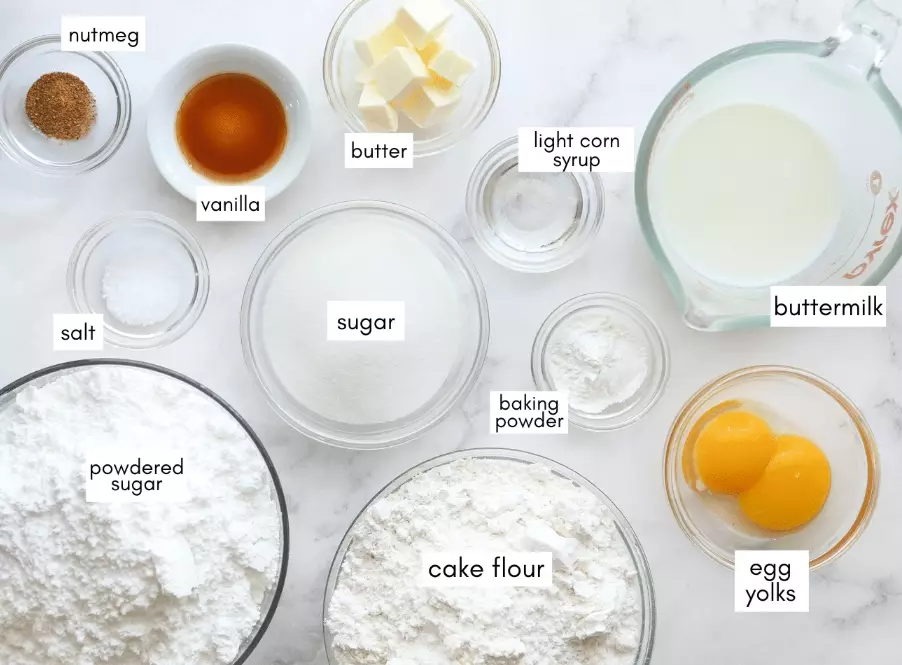
Your Quick Guide to Doughnut Secrets
Common Answers and Why They Fall Short
Let's address the elephant in the room first. The most frequent answer you'll find is nutmeg. It's not wrong. A quarter to a half teaspoon of freshly grated nutmeg in your yeast doughnut batter does wonders. It adds a warm, almost mysterious depth that complements the sugar and fat perfectly. But calling it the "secret" ingredient is like saying the secret to a great burger is ketchup. It's important, but it's not the foundation.
Other common nominees include:
Sour cream or buttermilk: These add tang and tenderness. The acidity helps tenderize the gluten, leading to a softer crumb. A solid choice, but again, not the whole story.
Potato (mashed or potato flour): Now we're getting warmer. Potatoes add incredible moisture and a unique, pillowy texture that wheat flour alone can't achieve. Old-fashioned potato doughnuts are a testament to this. This is a heavyweight contender.
The problem with focusing on just one of these is that you miss the synergy. A great doughnut isn't about one star player; it's about how the whole team works together.
The Real Secret: It's a Symphony, Not a Solo
After testing hundreds of batches, I've landed on what I believe is the true "secret" formula for an exceptional, bakery-quality yeast-raised doughnut. It's a trio of ingredients working in concert:
- Sour Cream (for tang and richness)
- Cooked & Mashed Potato (for unparalleled moisture and fluff)
- An Extended, Cold Fermentation for the Yeast Dough (for flavor development)
Let's break down why this combo is so powerful. The sour cream provides fat and acidity, which tenderizes. The potato starch retains water like a champ, keeping the interior moist for days (not that they'll last that long). But the real game-changer is the third point: time.
Here's a mistake I see all the time: rushing the proof. Most home recipes have you proof the dough in a warm place for 1-2 hours until doubled. That gets you airy dough, sure. But it lacks complex flavor. Instead, try mixing your dough, letting it rise at room temperature for an hour, then sticking it in the fridge overnight. This slow, cold fermentation allows enzymes to break down starches into sugars, and the yeast produces subtle, tasty byproducts. The flavor deepens exponentially. It's the difference between cheap white bread and a rustic sourdough boule.
My Personal Aha Moment: I once catered a wedding and needed to make 300 doughnuts ahead of time. Out of necessity, I prepped the dough three days in advance and kept it chilled. The morning of the event, I shaped, proofed, and fried them. The bride later tracked me down to say they were the best doughnuts she'd ever had – not just light, but with a flavor that "tasted expensive." That was the cold ferment talking.
Why Your Technique Might Be Letting You Down
You could have the perfect ingredient list and still end up with hockey pucks. Technique is the silent partner in this secret. Two areas where people consistently mess up:
Frying Temperature Control: This is non-negotiable. If your oil is too cool, the doughnuts will absorb oil and become greasy. Too hot, and they'll brown on the outside while staying raw inside. You need a reliable thermometer. The sweet spot is between 365°F and 375°F (185°C - 190°C). And don't crowd the pot – adding too many at once crashes the temperature.
Handling the Dough: Over-kneading develops too much gluten, leading to toughness. You want a smooth, slightly tacky dough that springs back slowly when poked. When rolling it out, use as little extra flour as possible. Excess flour incorporated during rolling creates dry, tough patches in the final product.
Building a Better Doughnut: A Step-by-Step Breakdown
Let's translate this into actionable steps. Imagine you're making a batch this weekend. Here's what focusing on the "secret" principles looks like:
| Step | Standard Recipe Approach | "Secret" Enhanced Approach | Why It Works Better |
|---|---|---|---|
| 1. The Base | All-purpose flour, milk, sugar, yeast, eggs, butter. | Replace 1/4 cup of flour with 1/2 cup of finely mashed, cooled russet potato. Replace milk with full-fat sour cream. | Potato adds moisture-retaining starch. Sour cream adds fat and acidity for tenderness. |
| 2. The Flavor Boost | Maybe a dash of vanilla extract. | Add 1/2 tsp freshly grated nutmeg AND the zest of one lemon. | Nutmeg for warmth, lemon zest for a bright, high note that cuts the richness. It's unexpected and brilliant. |
| 3. The Rise (Crucial!) | Proof in a warm place for 1-2 hours until doubled. | Initial 1-hour warm proof. Then, punch down, cover tightly, and refrigerate for 8-24 hours. | Cold fermentation develops deeper, more complex flavors. It also makes the dough easier to handle. |
| 4. Frying | Heat oil until "shimmering," test with a bread cube. | Use a deep-fry thermometer. Maintain 370°F. Fry in batches of 2-3. | Precise temperature ensures a crisp exterior without greasiness. |
| 5. The Finish | Roll in granulated sugar while warm. | Let cool on a rack for 3 minutes, then roll in vanilla-infused sugar or dip in a thin glaze. | Cooling slightly prevents the sugar from melting into a soggy layer. Infusing the sugar adds another flavor dimension. |
Notice how it's not about adding a single weird ingredient. It's about upgrading each stage with purpose.
Your Doughnut Troubleshooting Handbook
Even with the best plans, things can go sideways. Here’s how to diagnose common problems through the lens of our "secret" principles: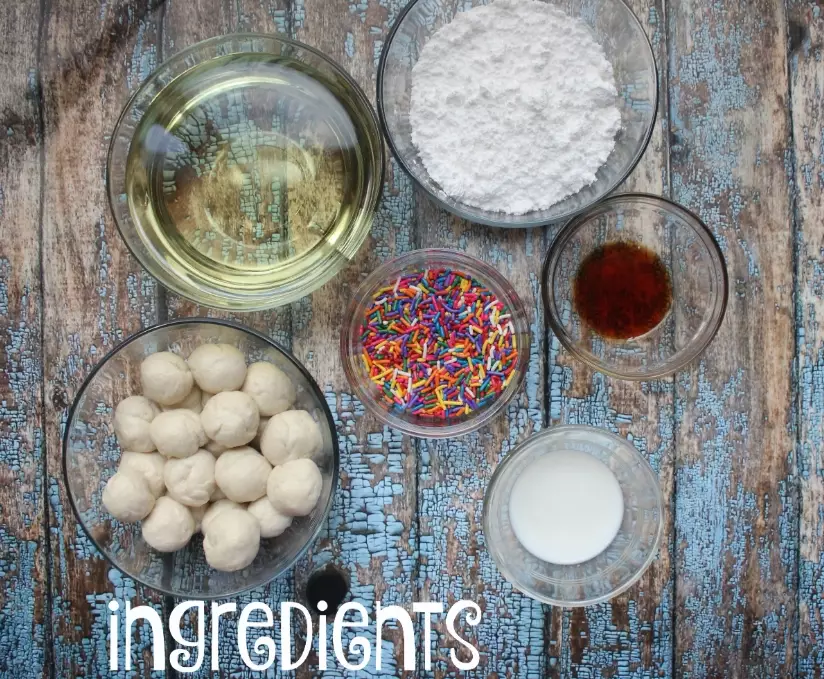
Problem: Doughnuts are dense and heavy.
Likely Culprit: Under-proofing or dead yeast. The dough didn't get enough air in it. Or, you killed the yeast with liquid that was too hot. Also, check if you over-kneaded and developed too much gluten.
Fix: Always test your yeast in warm (110°F) liquid with a pinch of sugar first. Ensure your final proofing spot is adequately warm (around 75-80°F). Let them proof until they look visibly puffy and pass the "finger test" (a gentle poke leaves an indent that slowly fills back in).
Problem: Doughnuts taste bland.
Likely Culprit: Rushed fermentation and lack of flavor enhancers. You skipped the cold rest and didn't use any spice or zest.
Fix: Implement the overnight cold ferment. Don't skip the nutmeg and lemon zest. Salt is crucial too – make sure your recipe has at least 1 tsp of kosher salt.
Problem: They're greasy/oily.
Likely Culprit: Frying temperature was too low. The oil soaks in before a crust can form.
Fix: Thermometer, thermometer, thermometer. Let the oil come back to 370°F between batches. Drain on a wire rack over a paper towel, not just on a towel (which traps steam and makes them soggy).
Frequently Asked Questions (The Real Ones Bakers Ask)
Can I use Greek yogurt instead of sour cream?
I don't have a thermometer. How do I know the oil is ready?
 Why do my doughnuts have a tough, white ring around the middle inside?
Can I bake doughnuts instead of frying them to be healthier?
My glaze always soaks in and makes the doughnut soggy. What am I doing wrong?
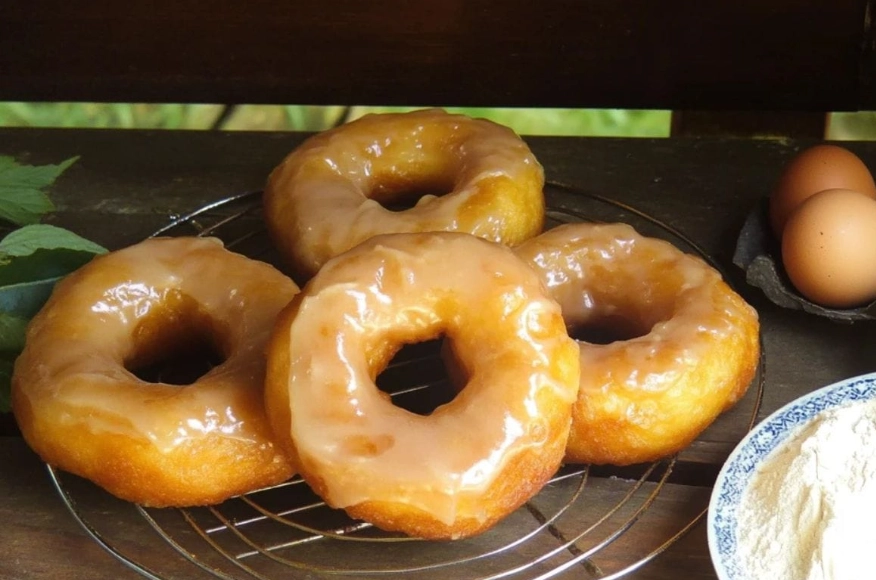 So, what is the secret ingredient in doughnuts? It's the understanding that excellence comes from layering multiple good ideas: moisture-retaining potatoes, tenderizing acids, flavor-building time, and precise frying. It's not a magic powder. It's a process. Stop searching for a single silver bullet and start building your doughnuts with intention at every step. That's the secret the best bakeries know, and now, so do you.
Go on, give that cold-fermented, potato-and-sour-cream dough a try this weekend. You might just find your new secret.





Leave a Comment