- The Science of Chew: It's All About Moisture and Structure
- The 7 Non-Negotiable Ingredients for Chewy Gingerbread
- The Step-by-Step Process: Where Good Intentions Go to Die
- Baking Temperature: The Make-or-Break Moment
- Ingredient Substitutions & Troubleshooting: Your Questions Answered
- The Ultimate Chewy Gingerbread Recipe Breakdown Table
- Learning from Failure: My Top 3 Gingerbread Disasters
- Putting It All Together: Your Chewy Gingerbread Action Plan
Let's be honest. We've all been there. You follow a recipe to the letter, your kitchen smells like a winter wonderland, but you pull out a sheet of gingerbread that could double as roofing tiles. Crunchy, hard, maybe even a little sad. The dream of that perfect, soft, chewy gingerbread cookie with a slight bend and a deep molasses flavor seems to vanish with every over-baked batch.
I remember my own disasters vividly. One year, I gifted gingerbread so hard my friend joked about using it as a doorstop. Not the reaction you want. So I became obsessed. I baked batch after batch, tweaking everything. And you know what I found? Asking "what is the secret to chewy gingerbread?" is the wrong question. There isn't one secret. It's a conspiracy of ingredients, technique, and a little bit of kitchen science.
This isn't about a magic bullet. It's about understanding the why behind the how. Once you get that, you can make chewy gingerbread cookies reliably, every single time.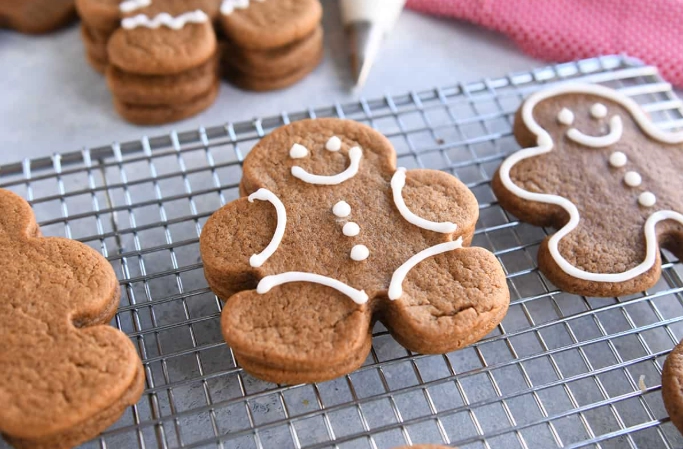
The Science of Chew: It's All About Moisture and Structure
Before we dive into flour and spices, we need to talk about what makes a cookie chewy versus crispy or cakey. It boils down to the balance between moisture retention and the structure set by gluten and protein. A crispy cookie has less moisture and a more rigid structure. A cakey one has more leavening and a more open crumb. A chewy cookie? It holds onto its moisture tightly within a flexible matrix.
The Chewiness Formula: High moisture content + the right type of sugar + the right type of fat + controlled gluten development = Chewy Gingerbread Nirvana. Miss one, and the texture shifts.
Think of it like this. The sugars (brown sugar, molasses) are hygroscopic—they attract and hold water from the air and the dough itself. The fats (butter, specifically) coat the flour proteins, limiting how much gluten can form. Too much gluten, and you get tough. Too little structure, and you get a crumbly mess. It's a delicious, spiced tightrope walk.
The 7 Non-Negotiable Ingredients for Chewy Gingerbread
You can't build a sturdy house with weak bricks. The same goes for cookies. Here’s where most recipes fail—they treat gingerbread like any other cookie. It's not.
1. The Sugar Duo: Brown Sugar & Molasses
This is the heart of the operation. White sugar makes things crisp. Brown sugar, with its molasses content, makes things moist and chewy. For the ultimate chew, use dark brown sugar. Its higher molasses content is a game-changer. And the molasses itself? It's not just for flavor. That thick, sticky liquid adds incredible moisture and acidity, which also helps tenderize the dough. Using robust or blackstrap molasses can be too bitter for some; I find a medium or "light" molasses (often just labeled "molasses") gives the perfect balance of flavor and function.
2. The Fat: Melted Butter vs. Creamed Butter
This is a huge debate. Most classic cookie recipes cream softened butter and sugar to incorporate air, leading to a cakier texture. For maximum chew, you want melted and slightly cooled butter. Why? Melted butter hydrates the flour more thoroughly and encourages less air incorporation, resulting in a denser, chewier crumb. It also promotes more spread, which leads to a thinner, more uniformly baked cookie—key for avoiding a raw center and a hard edge.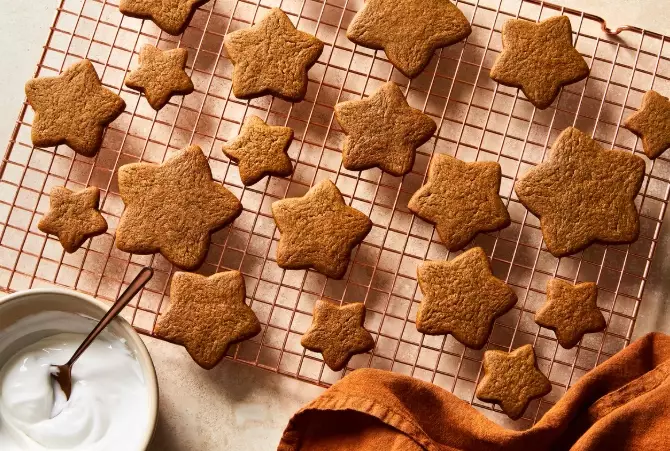
My Personal Take: I've tested both side-by-side a dozen times. The melted butter batch is consistently, undeniably chewier. The creamed butter batch is taller and softer, almost like a gingerbread cake. If chew is your goal, melt that butter.
3. The Flour: All-Purpose, and How You Use It
Bread flour has more protein, which creates more gluten and leads to a tougher cookie. Cake flour has less, leading to a more tender, crumbly texture. All-purpose flour is your Goldilocks flour. But here's the real secret: don't overmix once the flour is added. Mix just until the flour disappears. Every extra stir develops more gluten strands, which means more structure and less chew. Be gentle.
4. The Binder: One Whole Egg + One Extra Yolk
Eggs provide structure and richness. The whites set firm when baked, while the yolks add fat, emulsifiers, and a fudgy richness. Using one whole egg plus one extra yolk tilts the balance towards moist, rich, and chewy, rather than overly structured. It's a small change with a massive impact on texture.
5. The Leavener: Baking Soda, Not Powder
Baking powder creates a more airy, cake-like lift. Baking soda, when activated by the acidity in the molasses and brown sugar, creates a more spread-out, porous lift. This spread helps achieve that ideal thin-but-not-too-thin chewy center. Make sure your baking soda is fresh! If it doesn't fizz when you add a drop of vinegar, it's dead and won't do its job.
6. The Spices: Freshness is Key
While spices don't directly affect chewiness, stale spices are the silent killer of flavor. Your ginger, cinnamon, cloves, and nutmeg should smell potent. If your jar of ground ginger is from two Christmases ago, it's time for a new one. Good flavor makes a good cookie great.
7. The Secret Weapon: A Bit of Honey or Corn Syrup
This is my personal hack. Adding one tablespoon of honey or light corn syrup to the wet ingredients is an insurance policy for chew. These invert sugars are even better at retaining moisture than sucrose (table sugar). They keep the cookie soft and pliable for days longer. Don't overdo it, or they can make the cookies too sticky, but a tablespoon works wonders.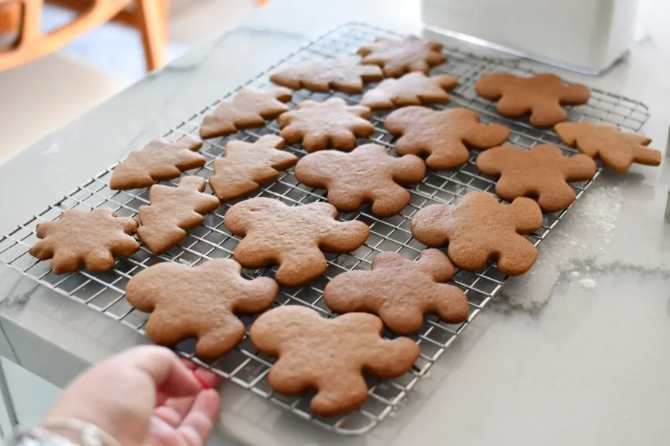
The Step-by-Step Process: Where Good Intentions Go to Die
Knowing the ingredients is half the battle. The other half is not messing it up during the process. Here’s a breakdown of the critical steps, because the devil is in the details.
Common Pitfall Alert: Rushing the steps or making substitutions before you've mastered the basic method is the fastest route to disappointment. Follow this order.
First, combine your wet ingredients properly. Whisk the melted (and cooled!) butter with the dark brown sugar, molasses, and that tablespoon of honey until it looks like a glossy, thick syrup. Then whisk in the egg and extra yolk. It should be smooth and emulsified—no separated greasy bits.
Second, whisk your dry ingredients separately. This includes the flour, baking soda, salt, and all those spices. Whisking ensures the baking soda and spices are evenly distributed, so you don't get a bitter bite in one cookie and a bland one in the next.
Third, the gentle combine. Add the dry ingredients to the wet. Use a spatula, not a mixer, from this point on. Fold and stir just until no dry flour pockets remain. The dough will be soft and sticky. This is normal and good.
Fourth, the mandatory chill. You must chill this dough. I wrap it tightly and refrigerate for at least 3 hours, preferably overnight. This does several crucial things: it solidifies the fat so the cookies don't spread into a flat puddle, it allows the flour to fully hydrate, and it deepens the flavors. Skipping the chill is asking for thin, greasy, pale cookies.
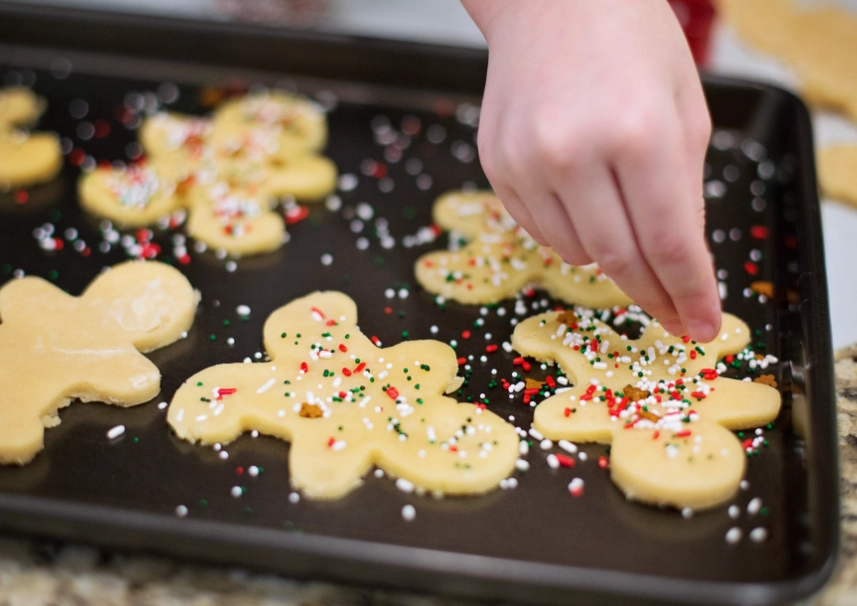
Fifth, portion and bake with wisdom. When ready, scoop balls of dough (I use a #40 cookie scoop for consistency) onto a parchment-lined baking sheet. Give them plenty of space—they will spread. Now, the single most important factor after the dough itself: oven temperature.
Baking Temperature: The Make-or-Break Moment
So you've made the perfect dough. Now you're going to ruin it in a 375°F (190°C) oven like most generic recipes say. Don't.
High heat sets the edges too quickly, leaving the center underdone or forcing you to over-bake the outside to cook the middle. The secret to evenly baked, chewy gingerbread is a moderately hot oven: 350°F (175°C).
Bake at 350°F for 9-11 minutes. The cookies will look puffed and the centers will still look very soft, even slightly underdone. The edges will be just set. This is perfect. They will continue to cook and firm up on the hot baking sheet as they cool. Pulling them out at this soft stage is what guarantees a chewy center. If you wait for them to look "done" in the oven, they will be overdone and hard once cooled.
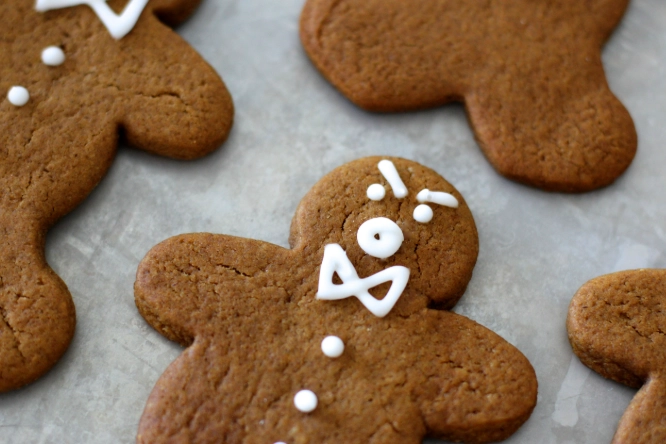
Let them cool on the baking sheet for 5 full minutes before transferring them to a wire rack. This finishing time allows the structure to set without shocking it.
Ingredient Substitutions & Troubleshooting: Your Questions Answered
Okay, so what if you're out of something? Or something goes wrong? Let's tackle the most common questions head-on. This is where most blog posts stop, but it's where real baking problems start.
I wouldn't. Baking powder needs a different acid to activate (it contains its own), and it won't react with the molasses in the same way. The spread and texture will be different—more cakey, less chewy. If you're in a true pinch, you can substitute, but expect a different result. Honestly, just run to the store for baking soda.
Did you chill it? A properly chilled dough is firm. If it's still sticky after chilling, you might have slightly under-measured the flour. When scooping, lightly flour your hands or the scoop. Don't add more flour to the entire batch if you can avoid it, as it will dry out the cookies.
Then it's not really gingerbread, is it? The flavor and color will be entirely different. In a true emergency, you could use a very dark maple syrup or dark corn syrup, but the flavor profile will shift significantly. Molasses is non-negotiable for authentic taste and its role in chewiness.
You probably creamed the butter and sugar instead of melting the butter. Or you used baking powder. Or you over-mixed the dough after adding the flour, incorporating too much air. Or your baking soda was old. See how it's a chain reaction? Go back to the melted butter method.
Let them cool completely. Then store them in an airtight container at room temperature, with a piece of bread or a half an apple in the container. The bread/apple will release moisture that the cookies will absorb, keeping them soft for days. It sounds weird, but it works.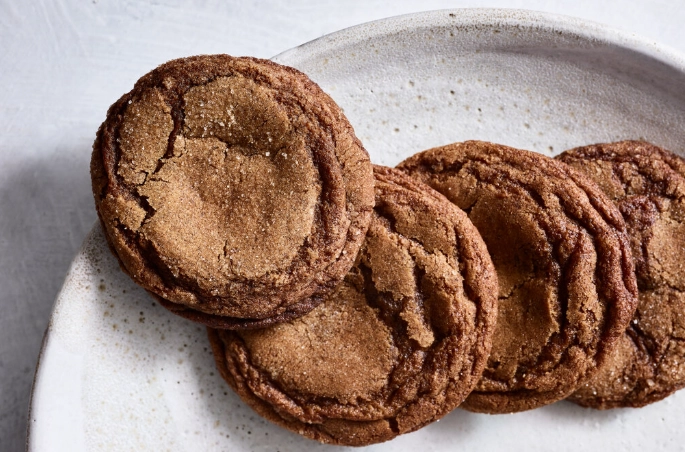
The Ultimate Chewy Gingerbread Recipe Breakdown Table
Let's visualize how each choice affects the final texture. This table compares the common approaches side-by-side.
| Ingredient/Technique | Choice for CHEWY Texture | Choice for CRISPY Texture | Choice for CAKEY Texture |
|---|---|---|---|
| Sugar | Dark Brown Sugar | Mostly White Sugar | Mix of White & Brown |
| Butter | Melted & Cooled | Creamed (with white sugar) | Creamed (with both sugars) |
| Eggs | 1 Whole + 1 Extra Yolk | 1 Whole Egg | 2 Whole Eggs |
| Leavener | Baking Soda only | Baking Soda | Baking Powder (or both) |
| Flour Measurement | Scooped & Leveled (accurate) | Same | Same, but may use cake flour |
| Mixing | Minimal after adding flour | Normal mixing | Thorough creaming, normal mixing |
| Chilling Dough | Mandatory (3+ hours) | Helpful | Often shorter or skipped |
| Baking Temp | 350°F (175°C) | 375°F (190°C) | 350°F (175°C) |
| Baking Time | Until centers look soft (9-11 min) | Until fully set & golden | Until a toothpick comes clean |
Learning from Failure: My Top 3 Gingerbread Disasters
To make you feel better, and to prove I've been in the trenches, here are my most spectacular fails and what they taught me about what is the secret to chewy gingerbread.
Disaster #1: The Spreading Pancake. I once skipped the chill because I was impatient. The butter was too warm, the dough was soup, and the cookies baked into one giant, thin, crispy sheet on the pan. Lesson: Chill your dough. Every time.
Disaster #2: The Tough Brick. I used bread flour because I ran out of all-purpose. I also mixed the dough in my stand mixer for a good 2 minutes after adding the flour, "to make sure it was combined." The result was dense, tough cookies with a strong gluten flavor. Lesson: Use AP flour and mix by hand at the end.
Disaster #3: The Bitter Pill. I used blackstrap molasses for a "deep flavor" and didn't realize my baking soda had been open for over a year. The cookies were dark, bitter, and didn't spread at all. They tasted like regret. Lesson: Use regular molasses and fresh leavener.
Putting It All Together: Your Chewy Gingerbread Action Plan
So, after all this science and storytelling, what is the secret to chewy gingerbread? Let's summarize it into an actionable checklist you can follow.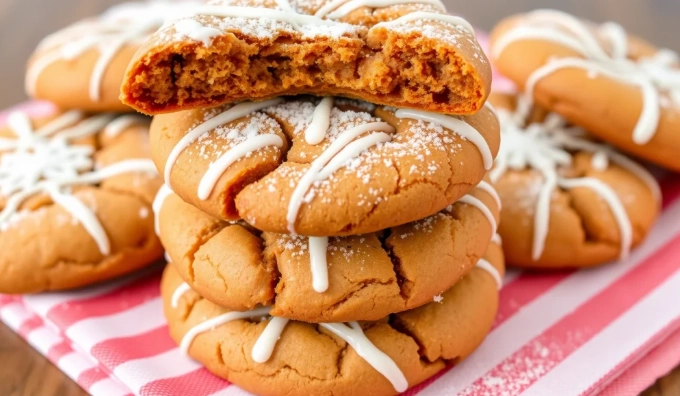
- Gather: Dark brown sugar, molasses (not blackstrap), melted cooled butter, an extra egg yolk, a dash of honey, fresh spices, fresh baking soda, all-purpose flour.
- Mix: Whisk wets until syrupy. Whisk dries separately. Combine gently with a spatula until just mixed. No overmixing.
- Chill: Wrap the sticky dough and refrigerate for at least 3 hours, no arguments.
- Bake: Scoop onto parchment-lined sheets. Bake at 350°F (175°C) for 9-11 minutes ONLY, until the centers look soft and puffy.
- Cool: Let them sit on the hot pan for 5 minutes to finish setting. Then move to a rack.
- Store: In an airtight container with a piece of bread to maintain softness.
If you want to dive deeper into the food science behind baking textures, resources from institutions like the USDA's National Agricultural Library or trusted culinary science sites like Serious Eats offer fantastic, research-backed reading. Understanding the principles makes you a better, more adaptable baker.
Look, the real secret isn't hidden in a grandma's handwritten notebook. It's in understanding how ingredients interact. It's in the patience to chill the dough. It's in the courage to pull soft cookies from the oven. Once you internalize that process, you'll never have to search for "what is the secret to chewy gingerbread?" again. You'll just know. And your kitchen will smell like success.
Now go preheat your oven. And for goodness' sake, check the date on your baking soda.

Leave a Comment