Quick Baking Guide
Easter baking is one of those things that sneaks up on you. One minute you're thinking about spring cleaning, the next you're elbow-deep in flour, trying to remember if your grandmother used currants or raisins in her hot cross buns. It's a tradition that ties families together, but let's be honest, it can also be a source of serious kitchen stress. I remember one year, my attempt at a lamb cake looked more like a bewildered sheep after a haircut. Not a good look for the centerpiece.
But that's why we're here. This isn't just a list of Easter baking recipes. It's your personal roadmap. Whether you're a seasoned baker looking for a new challenge or a nervous newbie hoping not to burn the simnel cake, we've got you covered. We'll walk through the classics that everyone expects, throw in some modern twists that'll impress your guests, and most importantly, share the real-world tips and fixes that recipe books often gloss over. Because the goal isn't perfection—it's creating something delicious that brings a bit of joy to your table.
The Foundation: Classic Easter Baking Recipes You Should Master
Some things are non-negotiable. These are the pillars of Easter baking, the treats that signal the holiday has truly arrived. Mastering these gives you a solid foundation, and honestly, they're just delicious.
Hot Cross Buns: The Spiced Sweet Roll That Started It All
No discussion of Easter baking recipes is complete without hot cross buns. They're iconic for a reason. That soft, spiced dough, studded with fruit and topped with a simple cross, is comfort food at its finest. The cross, of course, holds the religious significance, but even if you're just in it for the flavor, they're a win.
The Real Secret? It's all about the spice blend and not overdoing the fruit. Soak your raisins or currants in warm tea or orange juice for an hour before baking. It plumps them up and prevents them from sucking all the moisture out of your dough. And please, for the love of all things good, use a mix of cinnamon, nutmeg, and allspice. Just cinnamon on its own tastes flat. I learned that the hard way after a batch of bland buns that nobody finished.
For a truly authoritative take on the method, the BBC Good Food guide to hot cross buns is an excellent resource that breaks down the science of the dough.
The Showstopper: Easter Lamb Cake (Osterlamm)
This is the ultimate centerpiece. A cake baked in a special lamb-shaped mold, often dusted with powdered sugar to look like wool. It's adorable, it's tradition, and it can be tricky. The main challenge? Getting it out of the mold in one piece.
Pro-Tip for Lamb Cake Success: Grease and flour your mold incredibly well. We're talking brush melted butter into every crevice, then dust with flour, tap out the excess, and maybe do it again. Chill the filled mold for 20 minutes before baking to help the cake set its structure. And once baked, let it cool completely in the mold before you even think about turning it out. Patience is key.
This is one of those Easter baking recipes where a simple, sturdy pound cake or vanilla cake recipe works best. You want a tight crumb that can hold the shape.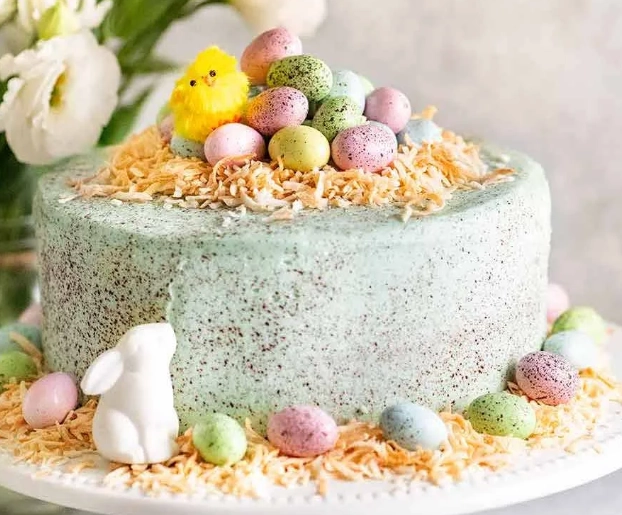
Simnel Cake: The Fruitcake That Actually Gets Eaten
Unlike its Christmas cousin, Simnel cake is lighter, less boozy, and topped with a layer of marzipan that is then toasted. The eleven marzipan balls on top represent the eleven faithful apostles (Judas is omitted). It's rich, fruity, and surprisingly popular.
The key is not to make it too heavy. Use a good quality marzipan, and don't skip the step of brushing the top with apricot jam before adding the marzipan layer—it acts as glue. And toasting the top under the broiler for a minute or two? That's non-negotiable. It transforms the marzipan.
Beyond the Classics: Modern & Easy Easter Baking Recipes
Not everyone has the time or energy for a multi-day baking project. These ideas are quicker, often easier, and just as festive. They're perfect for getting kids involved or for when you need to whip something up last-minute.
Why limit yourself? Some of the best Easter baking recipes are the ones you invent.
Decorated Easter Egg Cookies
A blank canvas. Bake simple sugar cookies in egg shapes. Royal icing is the traditional go-to for decorating, but it can be finicky. A simpler alternative is a glaze icing (powdered sugar, milk, a tiny bit of corn syrup for shine). Let the kids go wild with food coloring, sprinkles, and edible markers. The mess is part of the fun.
Bird's Nest Cupcakes
These are almost too easy. Bake your favorite cupcakes (chocolate is a classic). Frost with chocolate buttercream or a green-tinted coconut frosting to look like grass. Make a small dent in the center and fill with chocolate eggs (like mini Cadbury eggs). Instant crowd-pleaser, minimal skill required.
No-Bake Cheesecake in a Jar with Berry Compote
For a fresh, spring-like feel. Layer a simple no-bake cheesecake filling (cream cheese, sugar, whipped cream) in clear jars with a vibrant homemade berry compote. Top with a fresh berry. It's light, pretty, and can be made a day ahead. Perfect for a sunny Easter afternoon.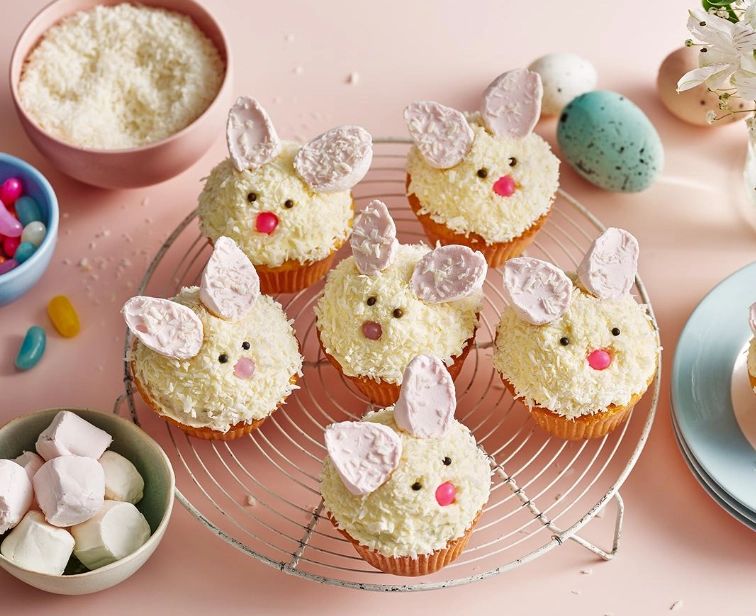
Your Easter Baking Toolkit: A Step-by-Step Guide
Alright, you've picked your Easter baking recipes. Now what? Let's talk about the process, from pantry to presentation. This is where most guides stop, but it's where the real questions start.
Stage 1: Planning & Prep (The Most Important Step)
Read the entire recipe. Twice. I can't stress this enough. Notice if it requires chilled butter or room-temperature eggs. Check your pantry for spices—how old is that jar of nutmeg? Old spices lose their punch. Make a shopping list.
Common Planning Mistake: Underestimating time. Yeast doughs need to rise. Cakes need to cool completely before frosting. Butter needs to soften. Start a day or two before if you're doing something complex. Baking under time pressure is a recipe for disaster (and burnt buns).
Here’s a quick reference table for ingredient temperatures, which is a huge factor in baking success:
| Ingredient | Ideal State | Why It Matters | Quick Fix if You Forgot |
|---|---|---|---|
| Butter | Room Temp (cool to touch, leaves a slight indent) | Creams properly with sugar for airy cakes & cookies. | Grate cold butter on a box grater; it will soften in minutes. |
| Eggs | Room Temp | Emulsify better into batters, leading to smoother texture. | Place whole eggs in a bowl of warm (not hot) water for 10 mins. |
| Milk/Buttermilk | As recipe states (often room temp) | Prevents cold liquid from solidifying butter in dough. | Microwave in 5-sec bursts until no longer fridge-cold. |
| Flour | Usually used as-is | N/A | N/A |
Stage 2: The Baking Process Itself
Measure your flour correctly. The most common mistake is scooping the measuring cup directly into the flour bag, which packs it down. Use a spoon to fluff the flour in its container, then spoon it into your measuring cup, and level it off with a knife.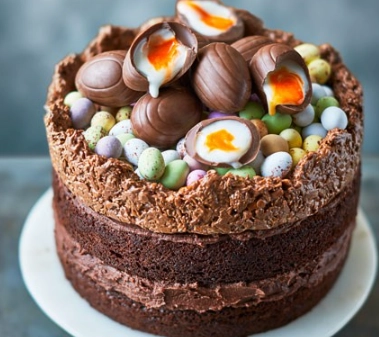
Oven thermostats lie. Get an inexpensive oven thermometer. If your oven runs hot or cold, you'll know, and you can adjust. Rotate your pans halfway through baking for even cooking.
Don't open the oven door constantly to check. Every peek causes a temperature drop. Use the light instead.
Stage 3: Cooling, Decorating & Storing
This is where patience pays off. Let cakes cool in their pans for 10-15 minutes before turning them out onto a wire rack. Frosting a warm cake is a sloppy, melty disaster.
How long do these Easter treats last? It depends.
- Hot Cross Buns: Best the day they're made. Refresh day-old buns with a 10-second zap in the microwave or a quick warm-up in the oven. They also freeze beautifully.
- Frosted Cakes/Cupcakes: Store in an airtight container at room temperature for 2-3 days, unless the frosting is dairy-based (like cream cheese), then refrigerate.
- Cookies: Most keep for a week in an airtight container at room temp.
Fixing Common Easter Baking Disasters
It happens to everyone. Here's how to salvage your efforts.
My dough is too sticky/wet. Add flour a tablespoon at a time until it becomes manageable. Humidity affects flour, so recipes sometimes need adjustment.
My cake sank in the middle. Usually underbaking, opening the oven door too early, or too much leavening agent. Unfortunately, you can't unbake it. Your best bet? Turn it into a trifle! Cube the cake, layer it with fruit and whipped cream or custard. No one will know.
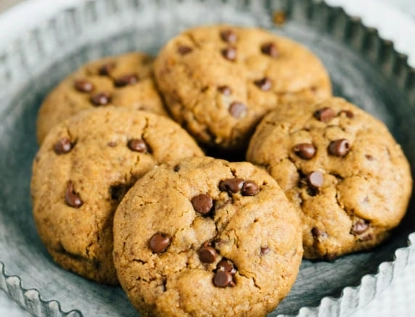
My cookies spread into one giant blob. Your butter was too warm, or your dough wasn't chilled. For next time, chill the shaped cookie dough on the baking sheet for 15 minutes before baking. For now, you have cookie brittle. Break it up and serve it over ice cream.
My royal icing is too runny/thick. For runny icing, add more sifted powdered sugar, a bit at a time. For thick icing, add tiny drops of water or lemon juice. Aim for a consistency where a drizzle from the spoon holds its shape for a few seconds before melting back.
See? Most “disasters” are edible and often fixable. For more detailed food safety questions, especially regarding eggs used in uncooked frostings or fillings, the USDA's egg safety guidelines are the definitive source.
Frequently Asked Questions About Easter Baking Recipes
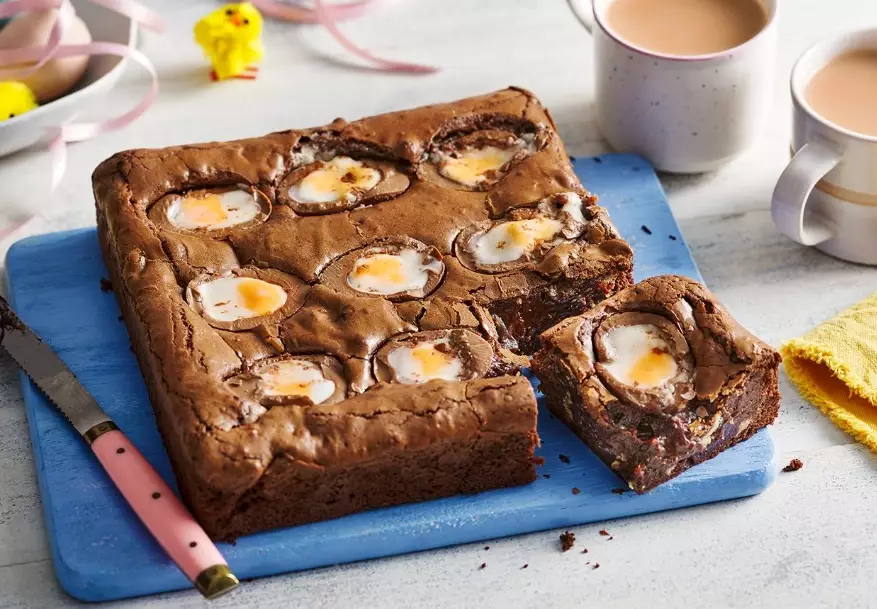
Baking should be fun, not frightening.
At the end of the day, Easter baking is about more than just the food. It's about the smell of spices filling your house, the flour on your hands, the shared effort (and mess) with family. Whether you nail a perfect Simnel cake or your cookies are a bit lopsided, it's the intention and the love that counts. I hope this guide gives you the confidence to dive in and create some delicious new traditions of your own. Start with one recipe that calls to you, gather your ingredients, and just begin. You might surprise yourself.
And if your lamb cake still looks a little... abstract? Just dust it heavily with powdered sugar and call it a modern art piece. I've done it. It works.

Leave a Comment