Ever found yourself scraping the bowl clean after making cookies, that raw dough calling your name? I know I have. That sweet, buttery, slightly salty paste is pure temptation. But then you remember the warnings about raw eggs and flour, and you reluctantly put the spoon down. What if I told you there's a way to have your dough and eat it too, completely safely? That's the magic of edible cookie dough.
This isn't just a niche trend anymore. It's a full-blown movement for anyone who's ever craved that pre-baked cookie experience. The goal here is simple: to create a cookie dough that's meant to be eaten raw, with all the safety concerns designed out from the start. No salmonella scares, no E. coli worries. Just pure, unadulterated spoonfuls of joy.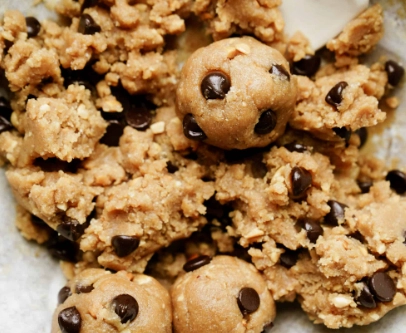
Let's be honest, the store-bought tubs are fine in a pinch, but they often have a weird aftertaste or a gummy texture. They're packed with preservatives to give them a shelf life. Making your own edible cookie dough at home is where the real magic happens. You control the sweetness, the mix-ins, the salt level—everything. And it comes together in about ten minutes.
Think of this guide as your one-stop shop. We're going to dive deep into the why, the how, and the "oh wow" of edible cookie dough. We'll cover the crucial safety steps most blogs gloss over, explore recipes that actually work (and some I've found that don't), and answer all those questions you're too afraid to ask, like "can I actually bake this stuff?"
Quick Guide
- Why You Shouldn't Eat Regular Cookie Dough
- The Simple Science Behind Safe Edible Cookie Dough
- Your Step-by-Step Guide to Perfect Edible Cookie Dough
- Top Edible Cookie Dough Recipes to Try at Home
- Pro Tips, Tricks, and Common Mistakes
- Storing Your Edible Cookie Dough: Making It Last
- Edible Cookie Dough FAQ: Your Questions, Answered
- Final Thoughts: Indulge Responsibly
Why You Shouldn't Eat Regular Cookie Dough
It feels like we should start here, right at the guiltiest pleasure. We all know we're not supposed to eat raw cookie dough, but do we really know why? It's not just the eggs, though that's the part everyone talks about.
The real culprit is often the flour. Sounds harmless, doesn't it? It's just ground-up wheat. But here's the thing: flour is a raw agricultural product. It doesn't get treated or processed to kill bacteria before it's bagged up. That means it can be contaminated with pathogens like E. coli right from the field or during processing. The U.S. Food and Drug Administration (FDA) is very clear about this risk, and they've linked outbreaks of illness directly to raw flour.
Then there are the eggs. Commercial eggs, even clean-looking ones, can carry Salmonella bacteria on the shells or, less commonly, inside the egg itself. Eating raw or undercooked eggs is a well-known risk. So, traditional cookie dough is a double whammy: raw flour plus raw eggs. It's a playground for potential foodborne illness, and it's just not worth the stomach cramp (or worse).
This is the fundamental problem that edible cookie dough solves. It redesigns the classic recipe from the ground up to eliminate these risks.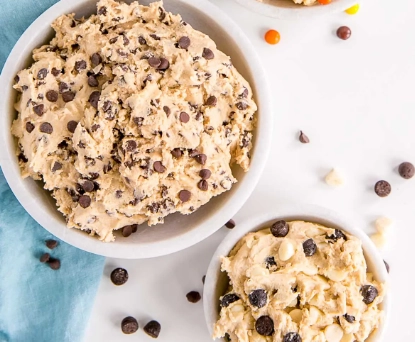
The Simple Science Behind Safe Edible Cookie Dough
Making dough safe to eat raw boils down to two key interventions: heat-treating the flour and finding a safe substitute for the raw eggs. That's it. The rest is just delicious cookie science.
Heat-Treating Your Flour: A Non-Negotiable Step
This is the most important step in the entire process, and you cannot skip it. You have to kill any potential bacteria in the flour. Luckily, it's incredibly easy. You have a couple of options, and I've tried them all.
Oven Method: This is my preferred way. It's hands-off and gives you a nice, even treatment. Just spread your all-purpose flour on a baking sheet and pop it in a 350°F (175°C) oven for about 5-7 minutes. You'll want to stir it once halfway through. You're not looking to brown it or cook it, just heat it through to 160°F (71°C), which is the temperature needed to kill pathogens. Let it cool completely before using it. It sometimes gives the flour a very faintly toasted, almost nutty scent, which I actually think adds depth.
Microwave Method: This works in a pinch. Put the flour in a microwave-safe bowl and heat it in 30-second intervals, stirring well between each, until it's uniformly hot. It can be trickier to get an even temperature, and it tends to clump more, so you have to sift it afterward. I'm not a huge fan of this method—it feels less reliable to me.
Replacing the Raw Eggs
Eggs in traditional cookie dough add structure and moisture. For our safe-to-eat version, we just need the moisture and a bit of binding. You have fantastic options:
- Milk or Cream: The simplest swap. A tablespoon or two of milk, heavy cream, or even a non-dairy milk like almond or oat milk adds the perfect amount of liquid. It won't bind like an egg, but for a dough meant to be eaten with a spoon, that's fine.
- Applesauce or Mashed Banana: These add moisture and a hint of flavor (which can be nice or distracting, depending on your goal). They can also make the dough a bit cakier.
- A Bit of Corn Syrup or Maple Syrup: This adds moisture and a lovely chew. Just a teaspoon does the trick.
- Commercial Egg Replacers: These work perfectly if you're also aiming for a vegan edible cookie dough.
The beauty is, you can play with this. Want a richer dough? Use cream. Want it a little lighter? Use milk. The lack of egg also means your edible cookie dough is safe for pregnant people and those with compromised immune systems, once the flour is treated, of course.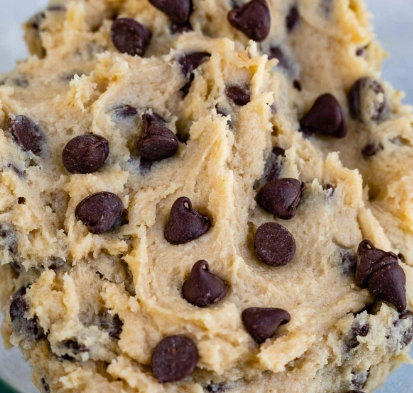
Your Step-by-Step Guide to Perfect Edible Cookie Dough
Let's walk through the process. It's so simple it almost feels like cheating.
- Heat-Treat the Flour: Do this first so it has time to cool. 1 cup of flour on a sheet pan, 350°F oven for 5-7 minutes. Stir, cool, sift if it's lumpy.
- Cream the Butter and Sugars: Use room-temperature butter. Cream it with your brown and white sugars until it's light and fluffy. This incorporates air and is the base of your texture. Don't rush this step.
- Add the Vanilla and Salt: Mix in your vanilla extract and a good pinch of salt. Salt is crucial—it cuts the sweetness and makes all the flavors pop.
- Incorporate the Dry Ingredients: With the mixer on low, gradually add your cooled, heat-treated flour. Mix just until it's combined. Overmixing at this stage can make the dough tough.
- Add Your Liquid: This is your egg substitute—a tablespoon of milk or cream. Mix until the dough comes together. It might seem crumbly at first, but it will come together as you mix.
- Fold in the Fun Stuff: Chocolate chips are classic. But why stop there? Mini M&Ms, chopped pretzels for salty-sweet, sprinkles, toffee bits, crushed Oreos. This is your moment.
And that's it. Seriously.
You now have a bowl of safe, delicious, edible cookie dough. Spoon it into a jar, grab a spoon, and dig in. The texture should be soft, pliable, and distinctly dough-like—not like a baked cookie, but like the dreamy, raw dough you remember, just without the guilt or the risk.
Top Edible Cookie Dough Recipes to Try at Home
The basic formula is a playground for creativity. Here are a few of my favorite variations, tested in my own kitchen. I've put them in a table to make it easy to compare.
| Recipe Name | Key Ingredients (Beyond Base) | Best For | My Personal Note |
|---|---|---|---|
| Classic Chocolate Chip | Semi-sweet chocolate chips, a pinch of extra sea salt | The purist. The nostalgia hit. | Can't go wrong. Use high-quality chocolate chips; it makes all the difference. |
| Funfetti Birthday Cake | 1/4 cup rainbow sprinkles, 1 tsp almond extract (or more vanilla) | Celebrations, kids, anyone who loves fun. | The almond extract is the secret—it gives that true "cake batter" flavor. Jimmies work better than nonpareils. |
| Vegan Peanut Butter Chocolate | 1/4 cup creamy peanut butter, dairy-free chocolate chips, oat milk | Dairy-free/egg-free diets, PB lovers. | Incredibly rich and satisfying. The peanut butter adds enough fat that you can use a little less vegan butter. |
| Brownie Batter | 1/4 cup cocoa powder, replace some white sugar with extra brown sugar, chocolate chunks | Deep chocolate cravings. | This one can be dry. You might need an extra splash of milk to get the right fudgy texture. |
| Oatmeal Raisin (or Craisin) | 1/2 cup quick oats (toasted with the flour!), cinnamon, raisins or dried cranberries | A slightly "healthier" feeling treat. | Toasting the oats with the flour is a game-changer. It adds a whole new layer of flavor to your edible cookie dough. |
You see how easy it is to branch out? Once you have the safe base down—heat-treated flour, no eggs—you can let your imagination run wild. The key is to start with the master ratio: for every 1 cup of heat-treated flour, you'll use about 1/2 cup (1 stick) of butter, 1/4 cup each of brown and white sugar, and your liquid binder.
Pro Tips, Tricks, and Common Mistakes
After making more batches of edible cookie dough than I care to admit, here are the hard-earned lessons.
- Texture is King: If your dough is too dry and crumbly, add more liquid one teaspoon at a time. If it's too wet and sticky, add a little more heat-treated flour. Humidity affects flour, so you have to adjust.
- Butter Temperature Matters: Room temperature butter creams beautifully. Microwave-softened butter is often too soft and oily, leading to a greasy dough. Plan ahead.
- Don't Skip the Salt: I've said it before, but it's worth repeating. A good flaky sea salt mixed in or sprinkled on top elevates edible cookie dough from sweet to sublime.
- The Mix-In Rule: If you're adding something crunchy like pretzels or nuts, fold them in at the very end to prevent them from breaking down. For a more uniform dough, mix chocolate chips in with the beaters on low.
- Sweetness Overload: The first time I made it, I found it almost too sweet to eat more than a spoonful. That's because you're not baking it, which mellows the sugar. You can slightly reduce the sugar in the base recipe (try 1/3 cup each instead of 1/2) without issue.
Storing Your Edible Cookie Dough: Making It Last
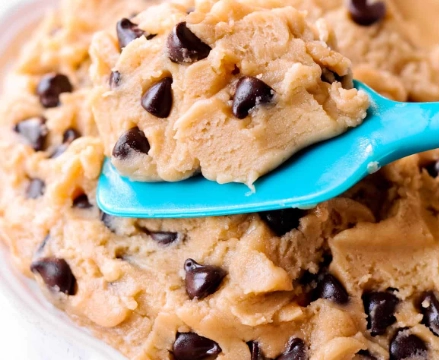
Homemade edible cookie dough doesn't have the preservatives of the store stuff, so storage is key. It will keep in an airtight container in the refrigerator for up to 5 days. The flavor actually improves after a day as everything melds together.
For longer storage, you can freeze it. I like to roll it into a log in parchment paper, or scoop individual dough balls onto a tray, freeze them solid, and then transfer to a freezer bag. They'll keep for 2-3 months. A frozen ball of edible cookie dough is the perfect portion-controlled treat—it thaws in minutes, or you can nibble on it like a sweet, doughy popsicle.
Let it sit out for 10-15 minutes before eating from the fridge. The butter hardens, so letting it soften a touch brings back that perfect, spoonable texture.
Edible Cookie Dough FAQ: Your Questions, Answered
Can you bake edible cookie dough?
No, please don't. It's designed to be eaten raw. It lacks the necessary structure (egg, proper raw flour chemistry) to bake into a proper cookie. You'll be disappointed. If you want cookies, make cookie dough meant for baking.
Is store-bought edible cookie dough safe?
Generally, yes. Reputable brands like the ones you find in grocery stores specifically formulate their products to be safe. They use heat-treated flour and pasteurized ingredients. Always check the label, but major brands have this down to a science. The USDA's Food Safety and Inspection Service oversees many of these prepared foods.
Can I use this dough to make cookie dough dips or stuff other desserts?
Absolutely! It's fantastic as a dip for fruit (apple slices, strawberries) or pretzels. You can thin it out with a little extra milk. It's also incredible as a filling for cupcakes, a topping for ice cream sundaes, or layered in parfaits. An edible cookie dough cheesecake swirl? Yes, please.
My dough tastes like flour. What went wrong?
You probably didn't cream your butter and sugars long enough. That step is vital for flavor development. Also, ensure your butter is truly room temperature, not melted. Using high-quality vanilla extract helps mask any residual "floury" taste from the heat treatment.
Is edible cookie dough healthier than regular cookies?
Not really. It's still a treat made of butter, sugar, and flour. The main benefit is safety, not health. However, because it's so rich and sweet, you might find yourself satisfied with a smaller portion than a batch of baked cookies, which could be a win for mindful eating.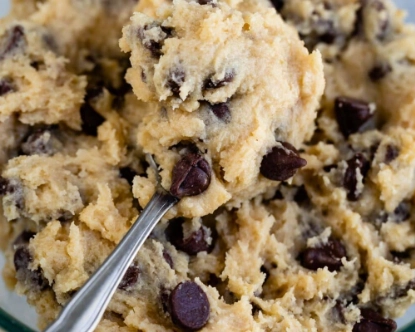
Final Thoughts: Indulge Responsibly
At the end of the day, edible cookie dough is about joy without worry. It's a simple pleasure, a little act of rebellion against the "rules" of baking, but done smartly and safely. It satisfies that specific, deep-seated craving in a way nothing else quite can.
Making it yourself gives you control and a sense of accomplishment. You know exactly what's in it—no mysterious ingredients or gums. You can make a small batch for a solo treat night or a big one for a party. It's versatile, forgiving, and deeply satisfying.
The journey from risky bowl-scraper to master of safe, homemade edible cookie dough is a short and delicious one. Heat that flour, ditch the egg, and embrace the dough.
So go ahead. Grab your spoon. That childhood dream of eating the whole bowl? It's finally, safely, within reach.



Leave a Comment