Your Quick Guide
- What Exactly Is a Mug Cake (And Why Is It So Popular)?
- The Foundation: Your Mug Cake Toolkit
- The Master List: 8 Tried & Tested Mug Cake Recipes
- Level Up: Pro Tips for Mug Cake Perfection
- Your Mug Cake Questions, Answered
- Troubleshooting: Fixing Common Mug Cake Fails
- Beyond the Cake: Toppings & Pairings
- The Final Word on Mug Cake Mastery
Let's be honest. We've all been there. It's 9 PM, the day has been long, and a specific, undeniable craving hits you. Cake. Not just any cake, but a warm, comforting, single-serving piece of cake. The thought of dragging out the mixer, preheating the oven, and washing a mountain of bowls feels utterly impossible. That's where the magic of mug cake recipes comes in.
I remember my first attempt at a microwave mug cake. It was a disaster. I followed some vague instructions from a meme, used a giant soup mug, and ended up with a sad, rubbery puck that somehow managed to be both burnt and raw. I nearly gave up on the whole concept. But then I got curious. Why did some people rave about these quick desserts while others, like my past self, ended up with culinary tragedies? I started experimenting, tweaking, and yes, failing a few more times. What I discovered transformed my late-night snack game completely.
This isn't just a list of recipes. It's the guide I wish I had. We're going to dig into the science of the microwave mug cake, uncover the common pitfalls that lead to failure, and build a collection of genuinely delicious, foolproof mug cake recipes that actually work. From the classic chocolate you're dreaming of to some surprising healthy twists, we've got you covered. Forget the hockey pucks and lava cores. Let's make real cake.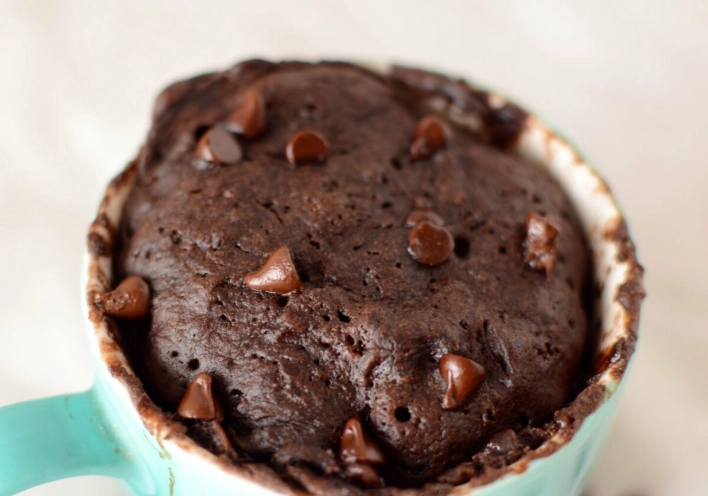
What Exactly Is a Mug Cake (And Why Is It So Popular)?
At its core, a mug cake is exactly what it sounds like: a small portion of cake batter mixed directly in a mug and cooked in a microwave. The microwave's intense heat causes rapid cooking, setting the structure in minutes—sometimes seconds. The appeal is obvious: speed, simplicity, and portion control. You can satisfy a craving in less time than it takes to watch a YouTube tutorial on baking a full-sized cake.
But popularity comes with misconceptions. The biggest one? That any combination of flour, sugar, and egg thrown in a microwave will magically become cake. Not true. The microwave is a harsh environment. It requires a specific balance of ingredients to prevent toughness, sogginess, or explosive overflow. Understanding this balance is the key to moving from failed experiments to reliable mug cake recipes.
Think of it this way: A traditional oven provides gentle, ambient heat that cooks cake from the outside in. A microwave bombards food with energy that excites water molecules, cooking from the inside out. This is why timing and moisture content are absolutely critical.
The Foundation: Your Mug Cake Toolkit
Before we get to the recipes, let's talk gear and ingredients. Getting this right solves half the problems before you even start mixing.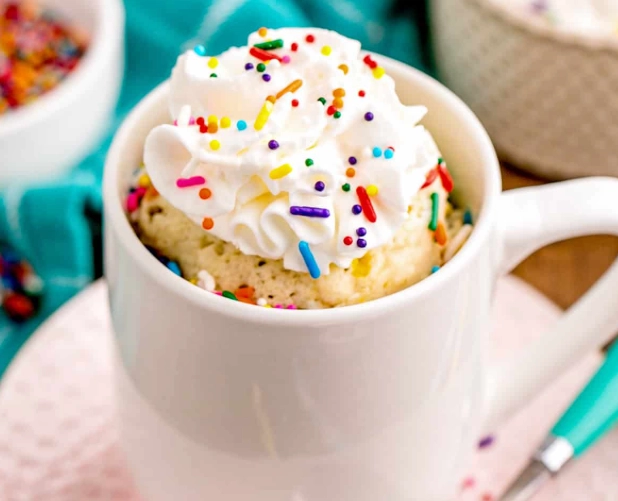
The Right Mug Matters
This seems trivial, but it's not. That giant, thick-walled ceramic mug you got as a gift? Probably not ideal. You want a standard-sized, microwave-safe ceramic or glass mug that holds about 12 ounces (350ml). Why? Microwaves need to penetrate the food. A mug that's too tall or narrow forces the batter into a deep column, leading to an undercooked bottom and an overcooked, overflowing top. A wider mug gives the batter room to rise evenly. I've had the best results with simple, straight-sided mugs.
Non-Negotiable Ingredients & Their Roles
Flour, leavening, fat, sugar, liquid. Each plays a starring role.
- Flour: All-purpose is your best bet. It provides structure. Don't pack it into the measuring spoon—fluff it, spoon it, level it. Too much flour is the #1 cause of dry, tough mug cakes. For a deeper dive on flour types, resources from places like King Arthur Baking are invaluable, even for small-scale baking.
- Leavening: Baking powder is essential for lift. Make sure yours is fresh. If it doesn't fizz when you add a pinch to hot water, toss it.
- Fat: Oil (vegetable, canola, melted coconut) gives a more tender crumb than melted butter in the microwave. Butter can sometimes lead to a greasy feel. I usually go with a neutral oil.
- Liquid: Milk (dairy or plant-based) is standard. But here's a pro tip: a tiny splash of extra liquid can save a dry mix. The batter should be pourable but not soupy.
- The Egg Question: Most single-serving mug cake recipes use just a portion of an egg—usually a tablespoon or so. This adds richness and helps bind. If you hate wasting eggs, many "eggless" mug cake recipes use extra baking powder or a bit of yogurt for lift and moisture. We'll include both types.
The Master List: 8 Tried & Tested Mug Cake Recipes
Alright, let's get to the good stuff. Here are my go-to mug cake recipes, categorized for whatever mood strikes. I've made each one multiple times to iron out the kinks.
Classic & Comforting
These are the foundational flavors, the ones you'll come back to again and again.
| Cake | Key Ingredients | Microwave Time | Pro Tip |
|---|---|---|---|
| Ultimate Chocolate Mug Cake | AP flour, cocoa powder, sugar, oil, milk, a bit of egg | 60-70 seconds | Use Dutch-process cocoa for a richer chocolate flavor. A small pinch of instant espresso powder amplifies the chocolate taste without adding coffee flavor. |
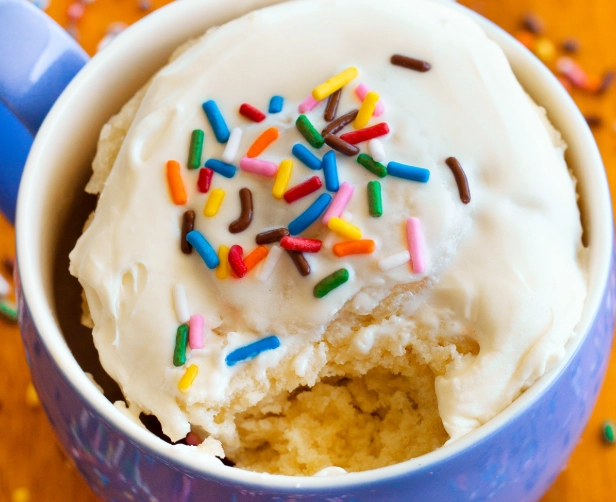
| Vanilla Birthday Cake Mug Cake | AP flour, sugar, oil, milk, egg, vanilla, rainbow sprinkles | 70-80 seconds | Use clear vanilla extract if you have it for that classic "birthday cake" aroma. Fold sprinkles in last to prevent them from bleeding color. |
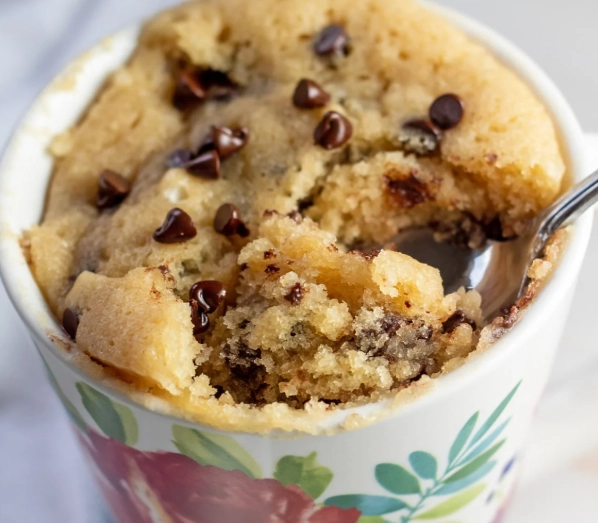
| Gooey Chocolate Chip Cookie Mug Cake | Brown sugar, melted butter, flour, a splash of milk, chocolate chips | 50-60 seconds | Undercook it slightly! Take it out when the top is still a bit moist and gooey-looking. It will continue to set as it cools, giving you a soft-baked cookie texture. |
The chocolate chip cookie one is my personal favorite for a quick fix. It's dangerously easy. I've learned the hard way that 65 seconds in my 1100-watt microwave turns it from gooey to cakey. Start low, add time if needed.
Health-Conscious Twists
Yes, you can make a mug cake that feels a bit lighter. These recipes use clever swaps without sacrificing satisfaction.
- Flourless Peanut Butter Banana Mug Cake: Mash half a ripe banana in your mug. Mix in one tablespoon of peanut butter, one tablespoon of oat flour (or rolled oats blitzed in a blender), a teaspoon of maple syrup, and a pinch of baking powder. Microwave for 60 seconds. It's dense, moist, and naturally sweet. No flour, no refined sugar, no egg.
- Apple Cinnamon Oatmeal Mug Cake: This one blurs the line between cake and breakfast. Mix ¼ cup quick oats, two tablespoons of unsweetened applesauce, a tablespoon of milk, a teaspoon of honey, and a big dash of cinnamon. Microwave for 60-75 seconds. Top with a dollop of Greek yogurt. It's hearty and comforting.
A reality check on "healthy" mug cakes: They often have a different texture—more moist and dense, less light and fluffy than a traditional cake. Don't expect an identical experience. They're delicious in their own right, but they're a different beast. I tried a "black bean brownie" mug cake once... let's just say it was an experience I don't need to repeat.
Special Occasion & Fun Flavors
Impress yourself with these elevated easy mug cake ideas.
| Cake | The Twist | How-To |
|---|---|---|
| Salted Caramel Brownie Mug Cake | Decadent chocolate with a salty-sweet ribbon | Make the standard chocolate batter. Before microwaving, drop a teaspoon of store-bought or homemade caramel sauce in the center and swirl lightly. Sprinkle with flaky sea salt after baking. |
| Lemon Blueberry Yogurt Mug Cake | Bright, tangy, and bursting with fruit | Use a base of flour, sugar, lemon zest, oil, and plain Greek yogurt (instead of milk/egg). Fold in a small handful of fresh or frozen blueberries. Microwave for 75-85 seconds. |
| Pumpkin Spice Latte Mug Cake | Fall in a mug | Add a tablespoon of pumpkin puree and a teaspoon of instant coffee granules to a vanilla cake base. Spice with cinnamon, ginger, and nutmeg. Top with a drizzle of cream cheese glaze (mix cream cheese, powdered sugar, and a splash of milk). |
Level Up: Pro Tips for Mug Cake Perfection
You have the recipes. Now, let's make sure you nail them every single time. These tips are distilled from many, many mugs of trial and error.
Mix Thoroughly, But Gently: This is crucial. You must whisk that batter until there are zero pockets of dry flour. A small fork or a mini whisk is perfect for this. Lazy mixing leads to bites of raw flour. But don't beat it to death once it's combined—overmixing can develop gluten and make it tough.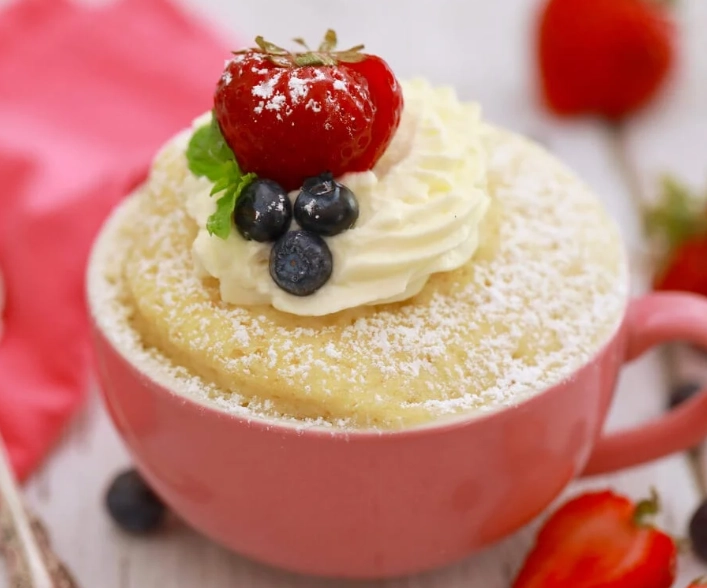
Timing is everything.
All microwave wattages are different. My times are based on a standard 1100-watt microwave. Always start with the lower time. It's easier to add 10 seconds than to fix a dry, overcooked brick. The cake is done when the top looks set, is slightly springy to a gentle touch, and maybe has a few moist crumbs attached to a toothpick poked in the center. It will continue to cook from residual heat as it cools for a minute.
Avoid the Volcano: If your mug cake consistently rises dramatically and then spills over, your mug is too small or you're overfilling it. The batter should only fill your mug halfway to allow for rise. Also, adding a tiny pinch of salt helps stabilize the rise.
The Resting Period: I know it's hard. But let the mug cake sit for at least 60-90 seconds after it comes out of the microwave. This allows the frantic steam inside to settle, the structure to firm up, and it prevents you from burning your tongue on molten sugar. The texture improves dramatically with a brief rest.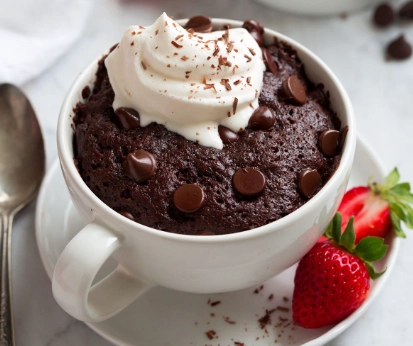
Your Mug Cake Questions, Answered
Can I make a mug cake without an egg?
Absolutely. For a standard recipe that calls for egg, you can substitute one tablespoon of the liquid with one tablespoon of plain yogurt, applesauce, or even mayonnaise (it works, trust me). Or, you can seek out specifically designed egg-free mug cake recipes, like the peanut butter banana one listed above. The texture will be slightly more dense but still delicious.
Why did my mug cake turn out rubbery?
The twin culprits are usually overcooking or too much egg. The microwave's intense heat can quickly over-coagulate the proteins in the egg and flour, creating a rubbery, chewy texture. Ensure you're using the right amount of egg (often just a portion) and never, ever blast it on high power for minutes on end. Short bursts are better if your microwave allows power adjustment.
Can I use gluten-free flour or almond flour?
You can, but it's not a 1:1 swap. Gluten-free all-purpose blends (like Bob's Red Mill 1-to-1) usually work well. For almond flour, you need a completely different recipe ratio, as it's much denser and oilier. Almond flour mug cakes often need an extra binder like an egg and more leavening. I'd recommend searching for a recipe specifically developed for almond flour to avoid a greasy, sunken result.
Is it safe to eat raw mug cake batter?
This is a serious point. Traditional cake batter carries a risk of Salmonella from raw flour and eggs. The FDA advises against consuming raw batter. The beauty of a 5 minute mug cake is that it cooks so quickly, the temptation to taste the raw batter is minimal. Just mix and cook. For ultimate safety, you can look for recipes that use heat-treated flour or skip the egg.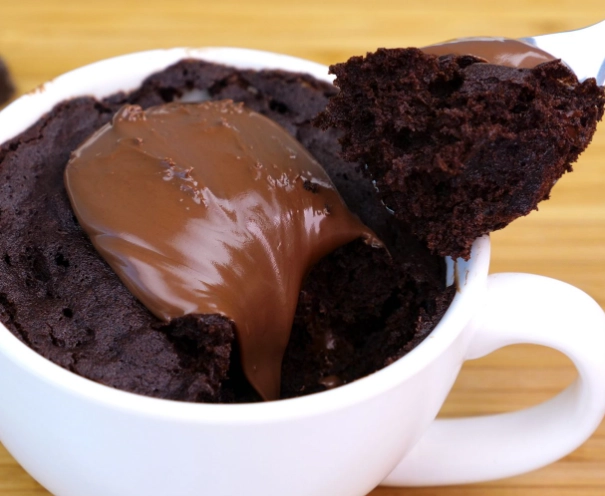
Can I bake a mug cake in a conventional oven?
Technically, yes. Preheat your oven to 350°F (175°C) and bake in an oven-safe ramekin or mug for about 12-15 minutes. The texture will be more even and traditional. But let's be real—the whole point of a mug cake is the microwave speed. If you're using the oven, you might as well make a small batch of cupcakes.
Troubleshooting: Fixing Common Mug Cake Fails
Even with the best instructions, things can go sideways. Here's a quick diagnostic guide.
- Dry and Crumbly: Overcooked, or too much flour. Next time, reduce the time by 10 seconds and double-check your flour measurement. A tiny splash more liquid can help.
- Dense and Gummy: Undercooked in the center. Add time in 5-second increments. Also, ensure your baking powder is fresh.
- Overflowed Everywhere: Mug too small, or batter filled more than halfway. Also, too much baking powder can cause a violent rise.
- Tastes Eggy: Too much egg for the recipe size. Try reducing the egg by half next time or using one of the eggless substitutes.
- No Flavor: Don't forget salt! A tiny pinch enhances all other flavors. Also, use real vanilla extract, not imitation.
See? Most problems have a simple fix.
Beyond the Cake: Toppings & Pairings
A great mug cake is made legendary by its toppings. This is where you can get creative.
A scoop of vanilla ice cream melting into a warm chocolate mug cake is a classic for a reason. Whipped cream (from a can or homemade) adds a lovely lightness. A simple glaze of powdered sugar mixed with a few drops of milk or lemon juice can be drizzled over vanilla or lemon cakes. For a salty contrast, a sprinkle of flaky sea salt on a caramel or chocolate cake is divine. Crushed cookies, chopped nuts, or a handful of fresh berries are all fantastic, easy additions.
What about a beverage pairing? A cold glass of milk is the undisputed champion. But a strong cup of coffee alongside a chocolate or caramel mug cake is a sophisticated adult treat. For the lemon blueberry cake, a cup of herbal tea works beautifully.
The Final Word on Mug Cake Mastery
Mug cakes are more than a internet food fad. When done right, they're a legitimate, convenient, and deeply satisfying way to enjoy a homemade dessert without the commitment of a whole cake. They teach you about baking ratios, the power of moisture, and the importance of precise timing—all in a five-minute, low-stakes package.
The journey from my first rubbery puck to a consistently fluffy, flavorful easy mug cake was one of the more fun kitchen experiments I've undertaken. It taught me to pay attention to details I'd normally gloss over. It taught me that sometimes, the simplest solutions—like using the right mug, or remembering to let it rest—make all the difference.
So grab your favorite mug, pick a recipe from the list above, and give it a shot. Start with the classic chocolate. Follow the instructions, trust the process, and don't skip the resting time. I think you'll be surprised. You might just find that these mug cake recipes become a permanent part of your dessert rotation, ready to rescue any evening that needs a little sweet, warm comfort, fast.
And if your first one isn't perfect? That's okay. Tweak it. Change the time. Add a pinch more salt. The next mug is only five minutes away.

Leave a Comment