Let's be honest. Most fried donut recipes you find online promise "easy" and "perfect" results, but they often skip over the tiny, crucial details that separate a dense, greasy disc from a light, airy, melt-in-your-mouth masterpiece. I've been baking and frying donuts for over a decade, and I've made every mistake in the book so you don't have to. This isn't just another list of ingredients; it's a deep dive into the science and feel of donut making. We'll cover the classic yeast-raised ring donut, because once you master that, cake donuts are a walk in the park. Forget the uncertainty. By the end of this, you'll know exactly why your dough behaves a certain way and how to fix it.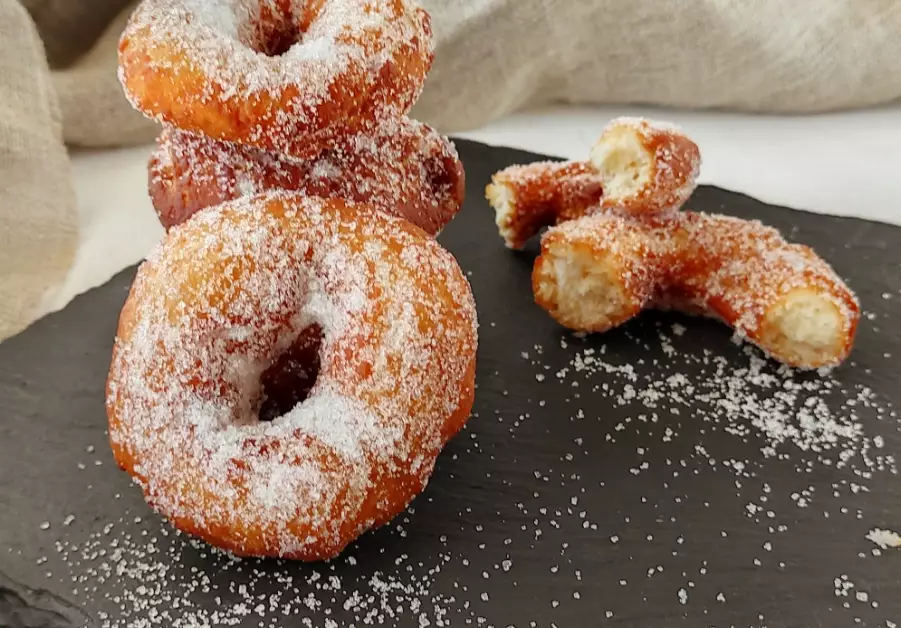
What's Inside This Guide
The Core Fried Donut Recipe & Ingredients
This recipe yields about 12-14 classic ring donuts. The ingredient list is simple, but the quality and handling make all the difference.
| Ingredient | Quantity | Purpose & Notes |
|---|---|---|
| Whole Milk, warmed | 1 cup (240ml) | Activates the yeast. Must be between 105-110°F (40-43°C). Too hot kills yeast, too cold slows it. |
| Active Dry Yeast | 2 ¼ teaspoons (1 packet) | The leavening agent. Creates the airy texture. Ensure it's not expired. |
| Granulated Sugar | ⅓ cup (67g) | Feeds the yeast and adds sweetness. Don't reduce it for the dough. |
| Large Eggs, room temp | 2 | Adds richness and structure. Cold eggs can shock the yeast. |
| Unsalted Butter, melted & cooled | 6 tablespoons (85g) | For tenderness and flavor. Salted butter can throw off the recipe's salt balance. |
| Pure Vanilla Extract | 2 teaspoons | Essential for depth of flavor. Imitation vanilla will give a chemical aftertaste. |
| All-Purpose Flour | 4 ½ cups (563g) + more for dusting | The foundation. I prefer unbleached. Measure by spooning into the cup and leveling off. |
| Salt | 1 teaspoon | Balances sweetness and strengthens gluten. Non-negotiable. |
| Nutmeg (freshly grated) | ¼ teaspoon | The secret background note in classic donuts. Pre-ground works in a pinch. |
| Neutral Oil for Frying | 8-10 cups (e.g., vegetable, canola) | High smoke point is key. Peanut oil is excellent but pricier. |
How to Make Fried Donuts from Scratch (Step-by-Step)
This process is about patience, not speed. Rushing leads to tough donuts.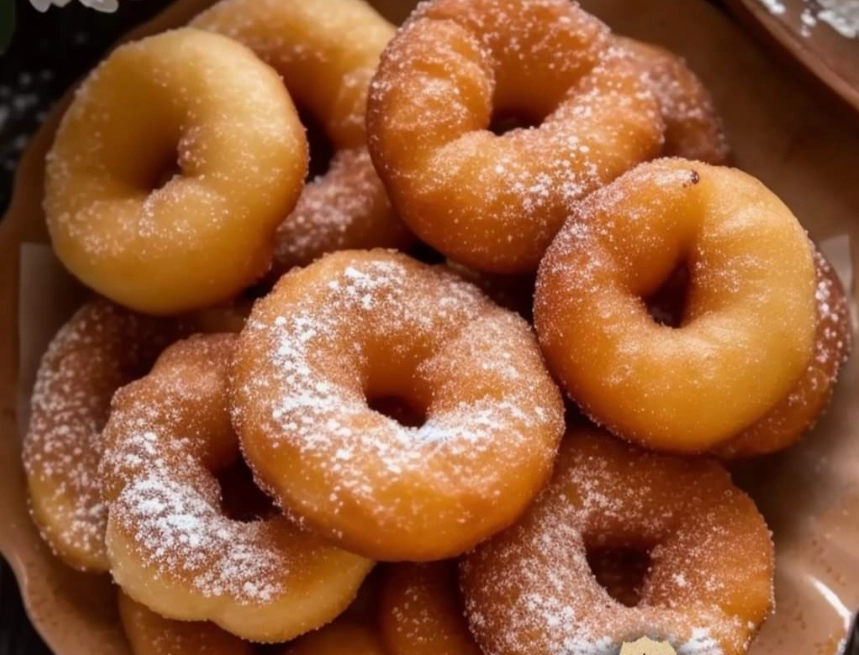
1. Activate the Yeast and Make the Dough
Combine the warm milk, yeast, and a pinch of the sugar in your mixer's bowl. Let it sit for 5-7 minutes. You should see a foamy, creamy layer on top. If you don't, your yeast is dead or the milk was the wrong temperature—start over. This step is your insurance policy.
Add the remaining sugar, eggs, melted butter, and vanilla. Mix on low with a dough hook until just combined. In a separate bowl, whisk the flour, salt, and nutmeg. Gradually add the flour mixture to the wet ingredients on low speed. Once a shaggy dough forms, increase speed to medium and knead for 3-4 minutes. The dough should be soft, slightly sticky, and pull away from the sides of the bowl. It should not be a dry, stiff ball. If it's too wet, add a tablespoon of flour at a time. If too dry, add a teaspoon of milk.
2. The First Rise (Bulk Fermentation)
Place the dough in a lightly oiled bowl, turning to coat. Cover with plastic wrap or a damp kitchen towel. Let it rise in a warm, draft-free place for 1.5 to 2 hours, or until doubled in size. Don't go by time alone; go by visual cues. Poke it with a floured finger—the indentation should remain.
3. Shaping the Donuts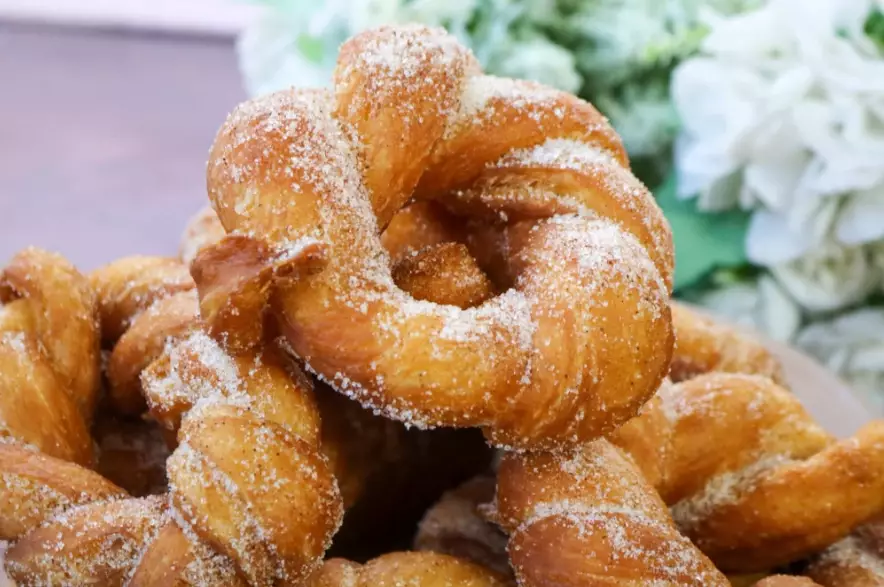
Gently punch down the dough to release air. Turn it out onto a lightly floured surface. Roll it out to about ½-inch thickness. Using a 3.5-inch donut cutter (or a round cutter and a smaller one for the hole), cut out your rings. Re-roll the scraps once for more donuts, but be aware these may be slightly tougher. Place the cut donuts and holes on parchment-lined baking sheets, cover, and let them rise again for 45-60 minutes. They should look puffy and almost ready to fry.
Frying Mastery: Temperature, Oil, and Technique
This is where the magic (or disaster) happens. I use a large, heavy-bottomed Dutch oven. A deep fryer works, but a pot gives you more control.
Fill the pot with 2-3 inches of oil. Attach a candy/deep-fry thermometer—this is non-negotiable. Heat the oil over medium heat to 365-370°F (185-188°C). If the oil is too cool, the donuts will absorb grease and be heavy. Too hot, and they'll brown instantly while staying raw inside.
Carefully slide 2-3 donuts into the oil using a slotted spoon or spider. Do not crowd the pot. Fry for about 60 seconds per side, flipping once they're a deep golden brown. The holes fry faster, about 30 seconds per side. Drain on a wire rack set over a baking sheet, not on paper towels. Paper towels trap steam and make the bottom soggy.
According to the USDA Food Safety guidelines, maintaining proper oil temperature is also key to safe frying, as undercooked dough can pose risks.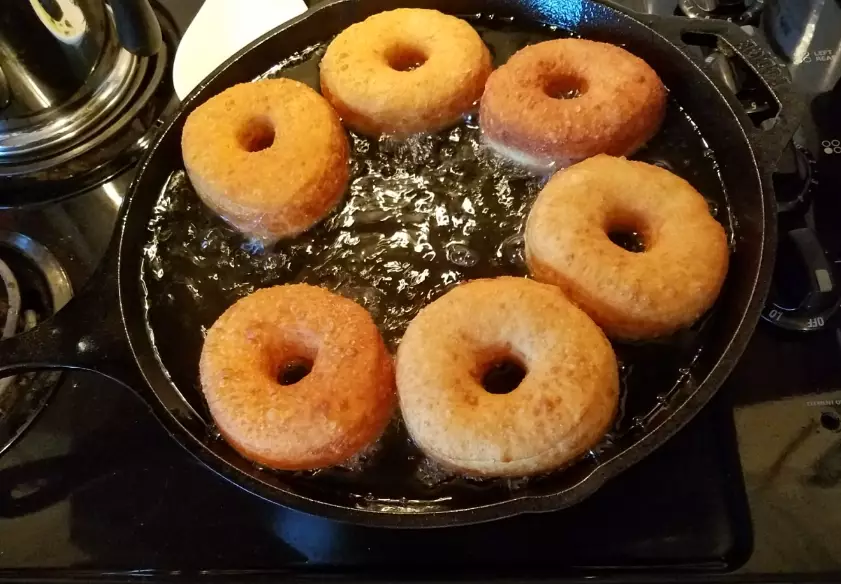
Glaze Perfection and Flavor Variations
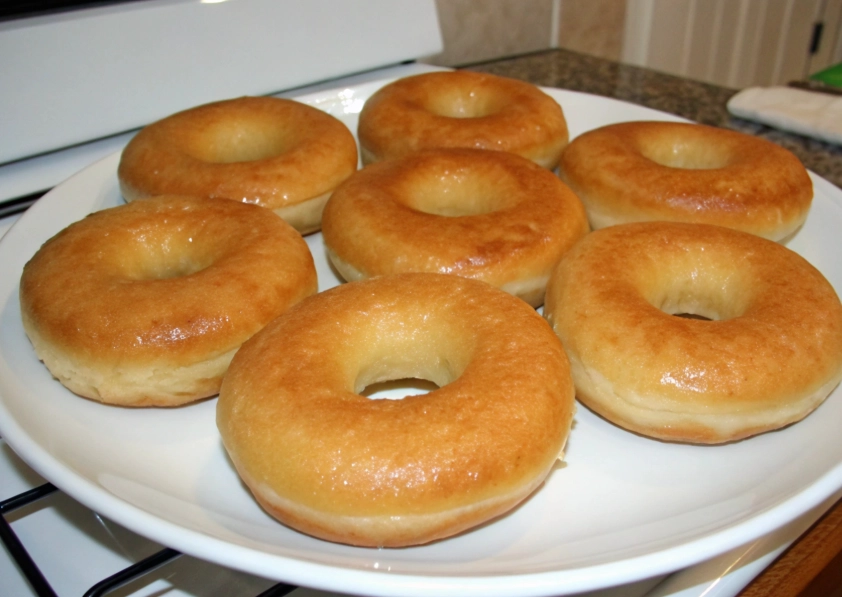
Glaze while the donuts are still warm, not hot. A simple glaze is 2 cups powdered sugar, ¼ cup milk, and 1 teaspoon vanilla. Whisk until smooth. Dip the top of each donut, let excess drip off, and return to the rack. For a thicker coat, double-dip.
Variations to try:
Cinnamon Sugar: Toss warm donuts in a mix of 1 cup sugar + 1 tbsp cinnamon.
Chocolate Ganache: Dip in melted chocolate (½ cup cream + 1 cup chocolate chips).
Maple Bacon: Use maple extract in the glaze, top with crumbled cooked bacon.
Why Your Donuts Might Fail (Troubleshooting Guide)
Here’s a quick reference for common issues, based on my own kitchen blunders.
Doughy or Greasy Center: Oil temperature was too low. The donut absorbed oil before it could cook through. Always verify with a thermometer.
Dense, Tough Texture: You over-kneaded the dough or used too much flour when rolling. The dough should be soft and tender. Also, check your yeast was active.
Donuts Didn't Rise Enough: The proofing environment was too cold, the yeast was old, or the milk was too hot and killed the yeast. The first rise is critical.
Uneven Browning: The oil temperature fluctuated, or you flipped the donuts too often. Let them fry undisturbed for a full minute before checking.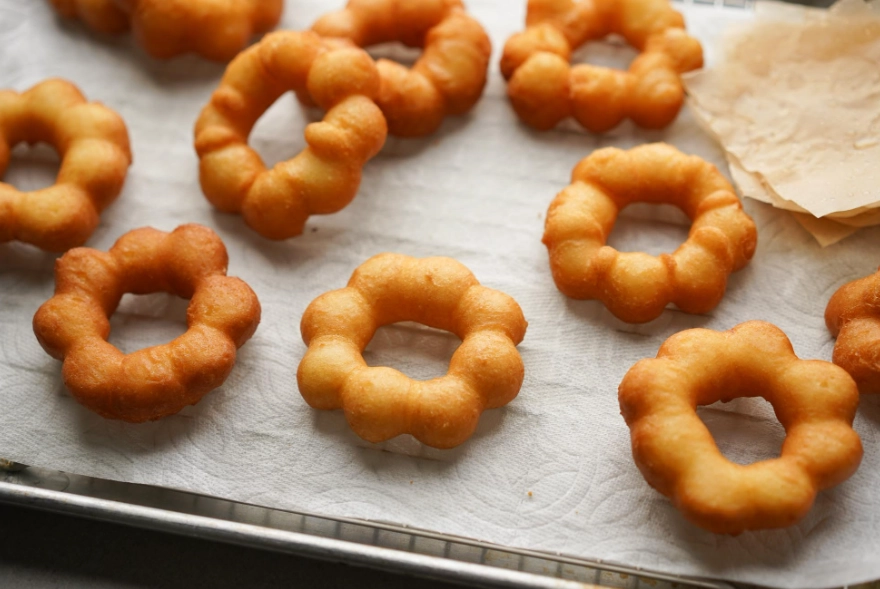
Your Fried Donut Questions, Answered
 My donuts are always raw in the middle even when brown outside. How do I fix this?
Leave a Comment