Quick Guide
- Why You Need a Go-To Easy Muffin Recipe in Your Life
- The Foundation: Your Can't-Fail Basic Muffin Formula
- Level Up: 3 Incredibly Easy Flavor Variations
- Tools & Ingredients: Keeping It Simple
- Science of Simple: Why These Methods Work
- Troubleshooting: Fixing Common Muffin Mishaps
- Your Muffin Questions, Answered
- Beyond the Basics: Simple Pro-Tips for Better Muffins
- Healthy-ish Twists on Easy Muffin Recipes
- Resources & Trusted Information
Let's be honest. Sometimes you just want a muffin. Not a project, not a three-hour kitchen marathon, just a warm, delicious muffin with your coffee. That's where easy muffin recipes come in—they're the unsung heroes of home baking. I've been there, staring at a recipe with fifteen steps and wondering if I need a culinary degree. It shouldn't be that hard.
Truth is, a good muffin is one of the simplest things you can bake. The basic formula is forgiving, the ingredients are usually pantry staples, and the payoff is huge. Whether you're a total beginner or just someone with limited time (and patience), this guide is for you. We're going to strip away the complexity and focus on what works. No fancy techniques, no weird ingredients you have to hunt for. Just straightforward, reliable methods that deliver every single time.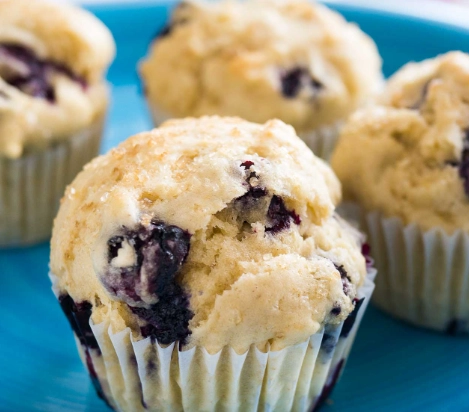
I remember my first batch. They were... dense. Like, could-have-been-used-as-a-doorstop dense. I overmixed the batter because I was nervous. It's a common mistake. Now, after more batches than I can count, I want to save you from that fate. We'll cover everything from the absolute simplest base recipe to fun variations, troubleshooting, and those little secrets that make all the difference. Ready? Let's preheat that oven.
Why You Need a Go-To Easy Muffin Recipe in Your Life
Think about it. Muffins are the ultimate versatile food. Breakfast? Check. Snack? Absolutely. A lunchbox treat? Perfect. Having a reliable, simple muffin recipe in your back pocket is a life skill. It's cheaper and healthier than buying them from a cafe, you control the ingredients (goodbye, mysterious preservatives), and the smell that fills your house is pure therapy.
But the real beauty of a truly easy recipe is its adaptability. Master one base, and you've mastered a dozen different muffins. Blueberry Monday, chocolate chip Wednesday, apple cinnamon Saturday. It's all the same core process. This isn't just about following a single recipe—it's about giving you the confidence to play, to experiment, and to make baking a regular, stress-free part of your routine.
My Personal Rule: If a recipe requires me to sift something more than once or separate eggs, it's not an "easy" muffin recipe in my book. We're keeping it real here.
The Foundation: Your Can't-Fail Basic Muffin Formula
Every great building needs a solid foundation. For muffins, it's this ratio and method. Memorize this, and you're halfway there. The goal is a tender crumb, a nicely domed top, and a process that takes minutes, not hours.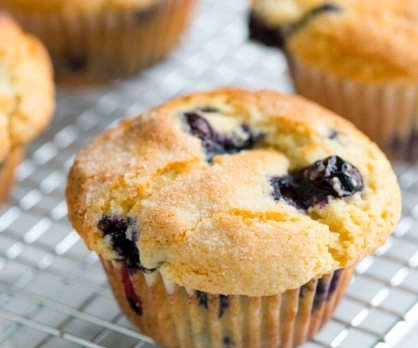
The key to easy muffin recipes is the "muffin method." It sounds official, but it's just a fancy way of saying: mix the dry stuff in one bowl, mix the wet stuff in another, then combine them with as few strokes as possible. Overmixing is enemy number one. It develops the gluten in the flour and leads to tough, chewy muffins. We want tender. We want light.
The Universal "Master" Easy Muffin Recipe
This makes about 12 standard muffins. Preheat your oven to 375°F (190°C). Line your muffin tin with papers or grease it well.
Dry Ingredients: Whisk these together in a large bowl.
- 2 cups (250g) all-purpose flour
- 3/4 cup (150g) granulated sugar (you can reduce this slightly if you like)
- 1 tablespoon baking powder (yes, a full tablespoon—this is crucial for the rise)
- 1/2 teaspoon salt
Wet Ingredients: Whisk these in a separate bowl or large jug.
- 1 cup (240ml) milk (any kind)
- 1/2 cup (115g) melted butter, cooled slightly, OR 1/2 cup (120ml) neutral oil (like vegetable or canola)
- 2 large eggs
- 1 teaspoon vanilla extract
Method: Make a well in the center of your dry ingredients. Pour the wet ingredients in. Using a spatula or wooden spoon, fold everything together until it's *just* combined. The batter will be lumpy. Lumpy is good! It should look shaggy and uneven. If you see a few streaks of flour, that's fine. Seriously, stop mixing. Gently fold in any add-ins (like 1 cup of berries or chocolate chips). Divide the batter among the muffin cups (fill them about 2/3 to 3/4 full). Bake for 18-22 minutes, until a toothpick inserted comes out clean. Let cool in the pan for 5 minutes, then transfer to a wire rack.
See? Not a single complicated step. The melted butter versus oil debate? Butter gives more flavor, oil often gives a slightly more moist texture. I usually go with butter because I love the taste, but on days I'm really rushing, oil is faster because you don't have to wait for it to cool.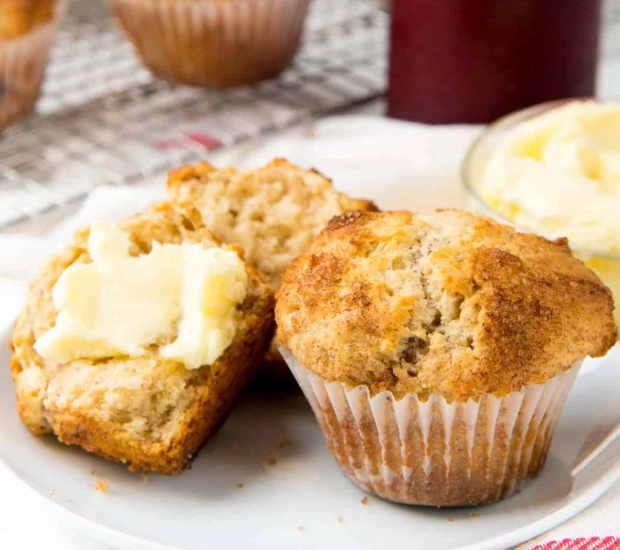
Level Up: 3 Incredibly Easy Flavor Variations
Now that you have the base, let's make it exciting. These are my most-requested, foolproof variations. Each one starts with the master recipe above, with simple tweaks.
Classic Blueberry Bliss
Take the master recipe. Before mixing, toss 1 1/2 cups of fresh or frozen blueberries (don't thaw if frozen) with 1 tablespoon of the measured flour. This little trick prevents them from sinking to the bottom. Fold them in at the very end. Sometimes I add a teaspoon of lemon zest to the wet ingredients—it brightens the whole thing up beautifully. This is, hands down, the most popular quick muffin recipe in my house.
Banana Chocolate Chip (The Clean-Your-Fruit-Bowl Special)
Mash 2 very ripe bananas (about 1 cup). Reduce the milk in the master recipe to 1/2 cup (120ml). Add the banana mash to the wet ingredients. Fold in 3/4 cup of chocolate chips with the dry/wet mix. The banana adds incredible moisture and natural sweetness, so you could even reduce the sugar by a couple of tablespoons if you want. These stay soft for days.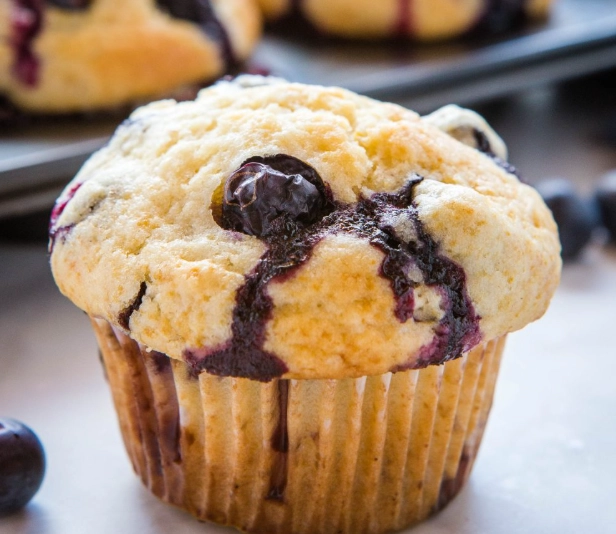
Cinnamon Apple Crunch
Peel and finely dice 1 medium apple (about 1 cup). Add 1 1/2 teaspoons of ground cinnamon to the dry ingredients. Mix the diced apple into the dry ingredients before adding the wet. For a crunch topping: mix 2 tablespoons melted butter, 1/4 cup flour, 1/4 cup brown sugar, and a pinch of cinnamon into crumbs. Sprinkle generously on each muffin before baking. The smell is unreal.
Honestly, once you try these, you'll start seeing flavor possibilities everywhere. Zucchini? Yes. Pumpkin? In the fall, absolutely. Leftover cranberry sauce? Get creative.
Tools & Ingredients: Keeping It Simple
You don't need a kitchen outfitted like a bakery. Here's the real list of what matters.
The Essentials: A good muffin tin (non-stick is helpful), a set of mixing bowls (just two!), a whisk, a spatula, and measuring cups/spoons. That's it. No stand mixer required—in fact, for easy muffin recipes, hand mixing is better because it gives you more control to avoid overworking the batter.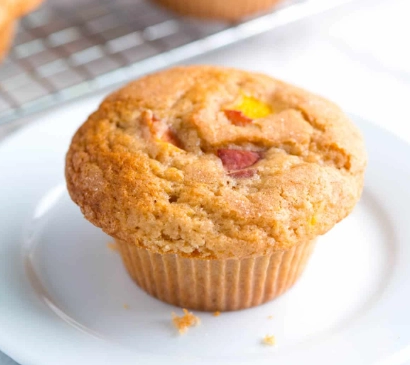
Ingredients Quality: Use fresh baking powder. It loses its potency after about 6 months. If yours is old, your muffins won't rise properly. Check the date. For flour, standard all-purpose is perfect. I don't usually bother with cake flour for muffins—it's an extra step we don't need. Real vanilla extract makes a difference over imitation, but in a pinch, use what you have.
A Common Pitfall: Don't use hot, just-melted butter directly into the cold wet ingredients. It can start to cook the eggs. Let it cool for a few minutes until it's warm to the touch, not scalding.
Science of Simple: Why These Methods Work
Understanding the "why" makes you a better, more confident baker. It's not magic; it's just a bit of kitchen science.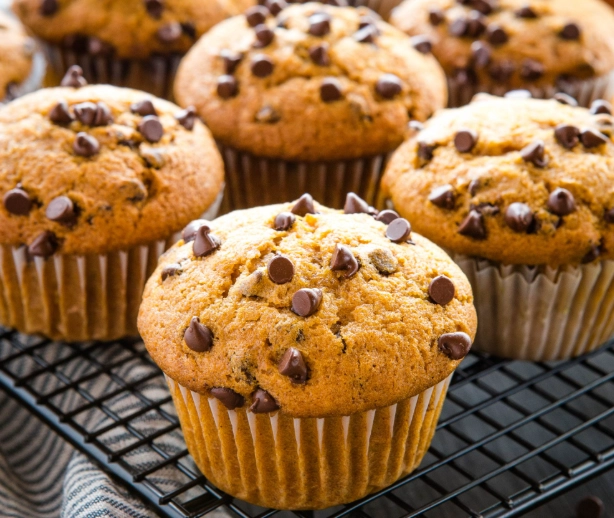
The baking powder is your leavening agent. When it gets wet and then hot, it produces gas bubbles that make the batter rise. That's why you don't want to let mixed batter sit around for an hour before baking—the reaction starts early and can fizzle out. Mix, scoop, bake. The high oven heat (375°F) gives a good initial "oven spring," pushing the tops up quickly to create that classic dome.
The minimal mixing keeps gluten strands short and tender. Think of gluten as a network of elastic bands. The more you mix, the more developed and tight the network becomes, leading to a bread-like texture. A few gentle folds leave the network loose, resulting in a tender, cake-like crumb. It's the fundamental principle behind every successful simple muffin recipe.
Troubleshooting: Fixing Common Muffin Mishaps
We've all had a batch go wrong. Here's how to diagnose and fix it next time.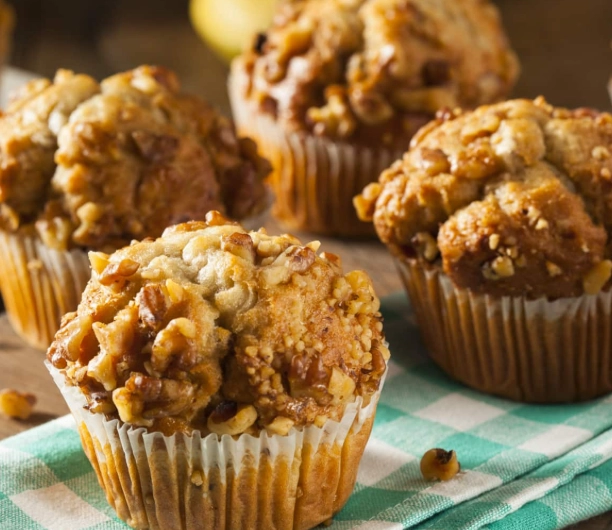
| Problem | Likely Cause | How to Fix It Next Time |
|---|---|---|
| Dense, heavy muffins | Overmixed batter, old baking powder, or oven temperature too low. | Mix less, check your baking powder date, use an oven thermometer. |
| Lopsided or flat tops | Oven not preheated, batter sat too long before baking, or uneven heating. | Always preheat fully, bake immediately after mixing, rotate pan halfway. |
| Dry texture | Overbaking, too much flour, not enough fat/liquid. | Check early, measure flour correctly (spoon & level!), follow recipe ratios. |
| Soggy bottoms | Steaming in the pan after baking, underbaking. | Let muffins cool in pan for only 5 mins, then move to a wire rack. Ensure they're baked through. |
| Fruit all sunk to the bottom | Add-ins are too wet/heavy, or batter is too thin. | Toss fruit in a bit of flour first, ensure batter is thick (not runny). |
My personal nemesis was the lopsided top. Drove me crazy. Turns out my old oven had a major hot spot. Rotating the pan halfway through baking solved 90% of the problem. The other 10% was me under-filling the cups. You need enough batter to create that dome.
Your Muffin Questions, Answered
Beyond the Basics: Simple Pro-Tips for Better Muffins
These aren't required, but they're little things that elevate your baking from good to "wow, you made these?"
- Use an ice cream scoop to portion the batter. It's faster, cleaner, and gives you evenly sized muffins that bake at the same rate.
- If you love high, bakery-style domes, start the oven at 425°F (220°C) for 5 minutes, then reduce to 375°F (190°C) for the remainder of the bake time. The initial blast of heat gives a powerful lift.
- For extra flavor, toast your nuts before adding them to the batter. It only takes a few minutes in a dry pan and makes a world of difference.
- Don't have buttermilk? Make your own "soured milk" for a tender crumb: add 1 tablespoon of white vinegar or lemon juice to your 1-cup measure, then fill the rest with milk. Let it sit for 5 minutes before using.
I learned the ice cream scoop trick from a baker friend, and it was a game-changer. No more drips down the side of the tin, and my muffins look uniform and professional.
Healthy-ish Twists on Easy Muffin Recipes
Sometimes you want something a bit lighter. Here's how to tweak the master recipe without sacrificing texture.
You can replace up to half the oil/butter with unsweetened applesauce or Greek yogurt. The muffins will be slightly denser but still moist. You can reduce the sugar by about 1/4 cup without major issues, especially if you're using sweet add-ins like ripe bananas or berries. For more fiber, try replacing 1/4 cup of the flour with rolled oats or oat flour. These are simple muffin recipes that feel a bit more virtuous.
Just a word of caution: going completely fat-free or sugar-free often leads to disappointing, rubbery results. Baking is chemistry. Small swaps work; total overhauls usually don't.
Resources & Trusted Information
While experimenting is fun, it's also good to know where to find reliable, tested information. For the science of baking, from how leavening works to precise ingredient functions, the resources from King Arthur Baking's Learn section are incredibly thorough and trustworthy. They've been a go-to for bakers for years. When you're dealing with food safety, especially if you're creating recipes with dairy or eggs for storage or gifting, it's wise to check guidelines from authoritative sources like the USDA's Food Safety and Inspection Service. It's better to be safe, especially if you're new to this.
And there you have it.
Baking shouldn't be intimidating. A perfect muffin isn't about perfectionism; it's about the joy of making something simple and satisfying with your own hands. You now have a master recipe, variations, fixes for problems, and answers to nagging questions. The best thing you can do is to just start. Pick a recipe, grab your bowl, and mix. Your first batch of truly easy muffin recipes is waiting. I promise, it's easier than you think.
Now, if you'll excuse me, I think it's time for a blueberry muffin. My coffee's getting cold.


Leave a Comment