Picture this. Your cake is baked, cooled, and ready. You open the drawer for your piping bags and tips… and find nothing. Or maybe you never owned them in the first place. The panic is real. I've been there, early in my baking journey, staring at a naked cake with a sinking feeling. But here's the secret I learned over years: some of the most charming, creative cake decorations come from your kitchen drawers, not a specialty store. Decorating a cake without traditional tools isn't a limitation; it's an invitation to improvise.
Forget fancy equipment. We're talking about spoons, knives, forks, plastic bags, and a bit of ingenuity. This approach is perfect for the spontaneous baker, the budget-conscious home cook, or anyone who just wants a slice of creative fun without the clutter. Let's turn your kitchen into a decorating studio.
Your Quick Guide to No-Tool Decorating
Your Improv Toolkit: What You Already Own
Before we start, let's take inventory. Walk to your kitchen and grab these items. This is your new decorating kit.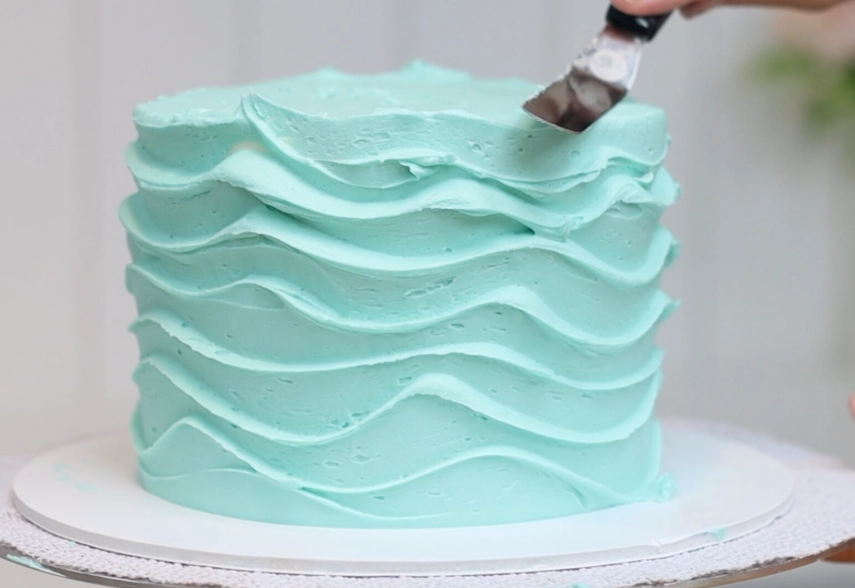
| Tool Substitute | Best For | Pro Tip / Watch Out |
|---|---|---|
| Heavy-duty resealable plastic bag (freezer bag) | Piping borders, writing, dots, rosettes. Your #1 most useful item. | Use a freezer bag. Thicker plastic won't burst at the seams under pressure. Cut the tiniest hole imaginable to start. |
| Large metal spoon & butter knife | Spreading frosting, creating smooth surfaces, making rustic swirls and peaks. | Dip in very hot water and dry quickly for the smoothest glide over frosting. The warmth melts the surface just enough. |
| Fork | Creating textured lines, wave patterns, or a simple basketweave look. | Press gently and drag. Different fork tine widths create different effects. A salad fork gives finer lines. |
| Vegetable peeler or cheese grater | Making chocolate curls or dust for garnish. | For curls, use a room temperature chocolate bar and a firm, confident pull with the peeler. A grater gives fine sprinkles. |
| Small jars, glasses, or cookie cutters | Creating perfect fondant or fruit cut-outs, or as guides for layered designs. | Press the rim into a rolled-out fruit slice or a thin layer of marzipan for neat circles. |
| Toothpicks or skewers | Drawing designs in frosting, fixing small mistakes, testing cake doneness (obviously). | Use to sketch a light guideline before committing with chocolate or frosting. It's your edible pencil. |
See? You're already equipped. The American Bakers Association often highlights creativity as a core home baking skill, and this is exactly what they mean. It's about resourcefulness.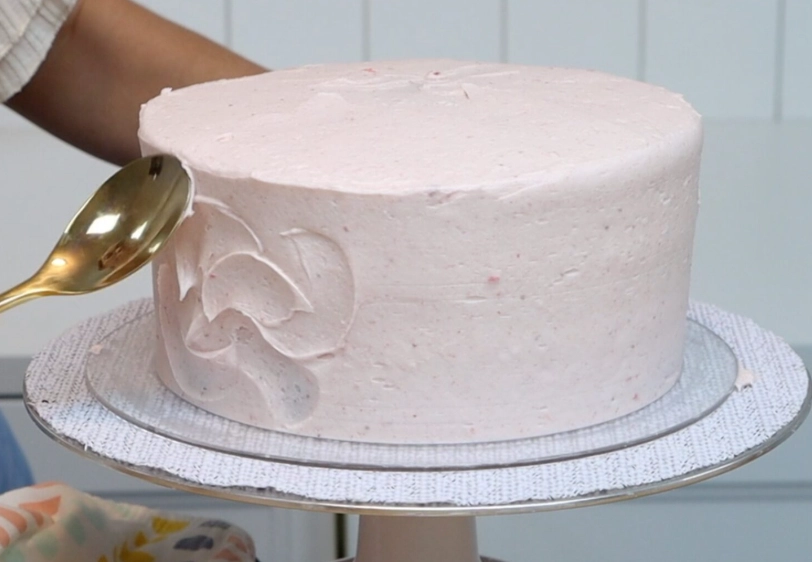
Mastering the Basics: Frosting and Smoothing
A good foundation makes everything else easier. Your goal here is to get a decently even layer of frosting on the cake. Perfection isn't the point; character is.
First, make sure your frosting is the right consistency. Too stiff, and you'll tear the cake crumbs. Too runny, and it'll slide off. You want it spreadable but not soupy. If it's too thick, add milk or cream a teaspoon at a time. Too thin? Add a bit more powdered sugar or pop it in the fridge for 10 minutes.
Use a large spoon or butter knife to dollop a generous amount of frosting on top of the cake. Spread it outwards towards the edges, letting some fall over the sides. Now, take that same spoon or knife, dip it in a glass of very hot water, wipe it dry with a towel, and use the warm surface to gently smooth the top. The heat works like magic. Do the same for the sides, using the curved back of the spoon to create a smooth, rounded corner where the top meets the side.
Don't obsess. A perfectly smooth cake requires specific tools. A slightly rustic, hand-spread look has its own charm. I actually prefer it for most casual cakes—it looks homemade in the best way.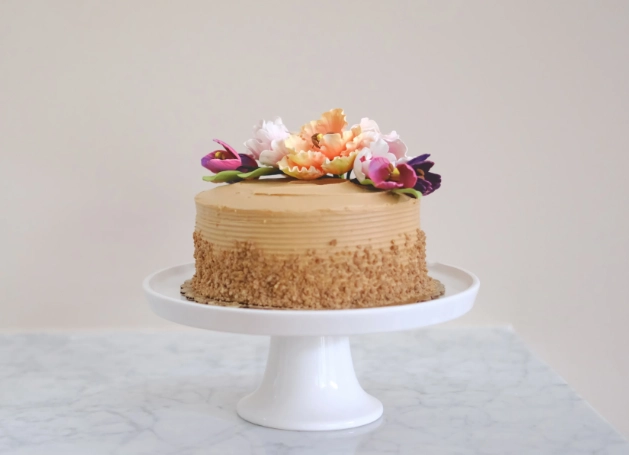
The Cardboard Scraper Trick
If you really want to tackle the sides, find a piece of stiff, clean cardboard (like from a cereal box). Cut a rectangle that's taller than your cake. Hold it vertically against the side of the cake and slowly turn the cake plate, letting the cardboard edge scrape off excess frosting and create a straighter side. It's a hack I used for my first dozen cakes before I bought a scraper.
Creative Piping Without a Piping Bag
This is where the plastic bag becomes your star. Spoon your frosting or whipped cream into a sturdy freezer bag. Push it down into one bottom corner. Now, here's the critical part everyone gets wrong: cut too big a hole. You want control. Snip the tiniest bit off that corner—think 2 millimeters. You can always cut more if nothing comes out.
Twist the top of the bag to create pressure. Practice on a plate first. You can pipe dots, lines, and simple borders. For a star-like effect, take scissors and make 3-4 tiny vertical snips up into the plastic tip to create little petals.
What if you need different colors? Use multiple bags. Or, for a simple two-tone effect, spoon two lines of different colored frosting side-by-side into the same bag. When you pipe, you'll get a cool striped effect.
A quick story: I once had to decorate a birthday cake at a friend's vacation home. No tools. I used a plastic sandwich bag (too flimsy, burst immediately), then moved to a thicker zip-top bag. The hole was too big, and my "Happy Birthday" looked like a blob. Lesson learned: thick bag, tiny hole. I fixed it by using the blobs as a base for berry flowers. Crisis became a feature.
Creating Textures and Patterns
You don't need combs or stencils to make a cake look interesting. Texture adds depth and a professional touch.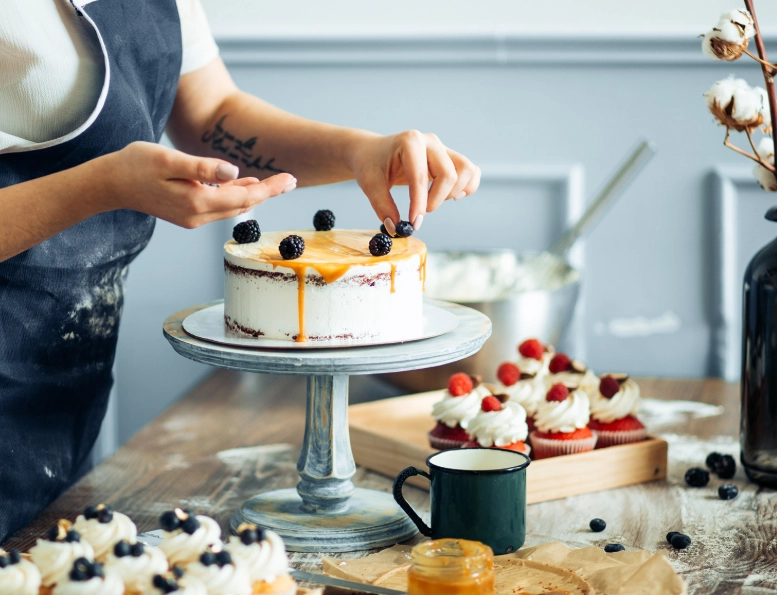
- The Fork Drag: Run the tines of a fork across the frosting in straight lines, wavy lines, or a cross-hatch pattern. Instant texture.
- Spoon Swirls: Use the back of a small spoon. Press it into the frosting, twist your wrist, and lift. You get lovely little rose-like swirls all over the cake.
- Paper Towel Press: This is a sneaky one. Once your frosting is slightly set (a 10-minute fridge trip helps), press a piece of clean, textured paper towel or even a piece of lace gently onto the surface. Peel it off carefully. It leaves a beautiful, subtle imprint.
- Knife Peaks: Use the tip of a knife to lift little peaks of frosting all over the cake. It creates a playful, spiky look that's great for covering minor imperfections.
Final Touches with Edible Garnishes
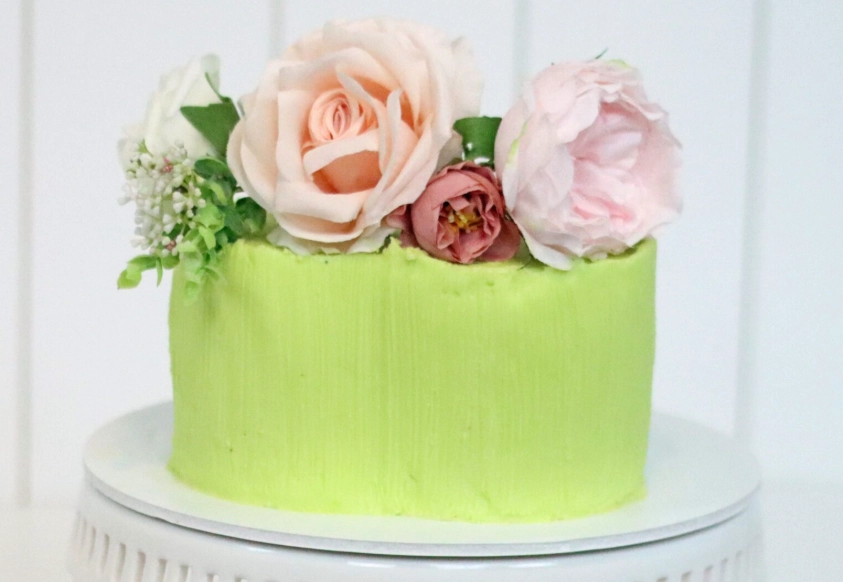
Garnishes are the easiest way to elevate a simply frosted cake. They add color, flavor, and look like you spent hours.
Fresh Fruit: Berries are a no-brainer. Arrange them in a circle on top, pile them in the center, or line the bottom edge. For a more polished look, use a small glass to cut melon or mango into perfect circles before placing them.
Chocolate Work: Take a chocolate bar at room temperature. Use a vegetable peeler to shave off curls. Press them onto the sides of the cake immediately—they'll stick to the frosting. For shavings, use the fine side of a cheese grater over the top of the cake. Messy is good here.
Nut and Crumb Crust: Finely chop toasted nuts, cookies, or graham crackers. After you frost the cake, gently press a handful of crumbs onto the sides. It creates a delicious "crust" that hides any uneven frosting and adds crunch.
Edible Flowers: If you have access to pesticide-free flowers like pansies, violets, or nasturtiums, a few scattered on top look stunningly elegant. It's the ultimate "looks professional but took zero skill" move.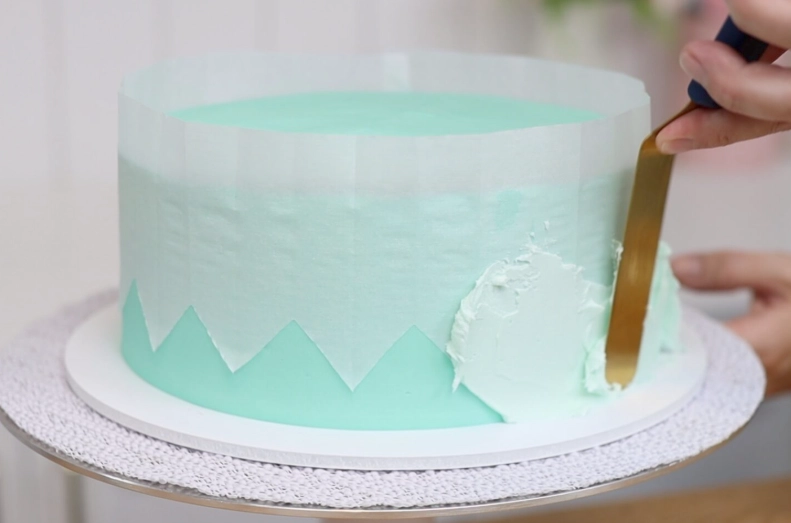
Troubleshooting Common Issues
Things will go a little sideways sometimes. That's normal.
Frosting is too soft and won't hold shape: Your kitchen might be too warm, or your frosting needs to be stiffer. Pop the whole bowl of frosting (and the cake) in the fridge for 20 minutes. Cold frosting is much easier to work with when you're using makeshift tools.
Plastic bag keeps splitting at the seam: You're either using a flimsy bag or overfilling it. Use a freezer bag and only fill it halfway. The extra plastic gives you room to twist and apply pressure without stress on the seams.
Can't get a smooth finish on the frosting: Embrace the texture! The spoon-swirl or fork-drag techniques exist precisely to turn a not-perfectly-smooth surface into a deliberate design feature. Smooth is hard; texture is easy and stylish.
Garnishes are sliding off: Make sure your frosting is fresh and slightly sticky when you apply garnishes. If you've refrigerated the frosted cake, the surface might have formed a slight crust. Use a tiny dab of honey, jam, or extra frosting as "glue" for heavier items like strawberry slices.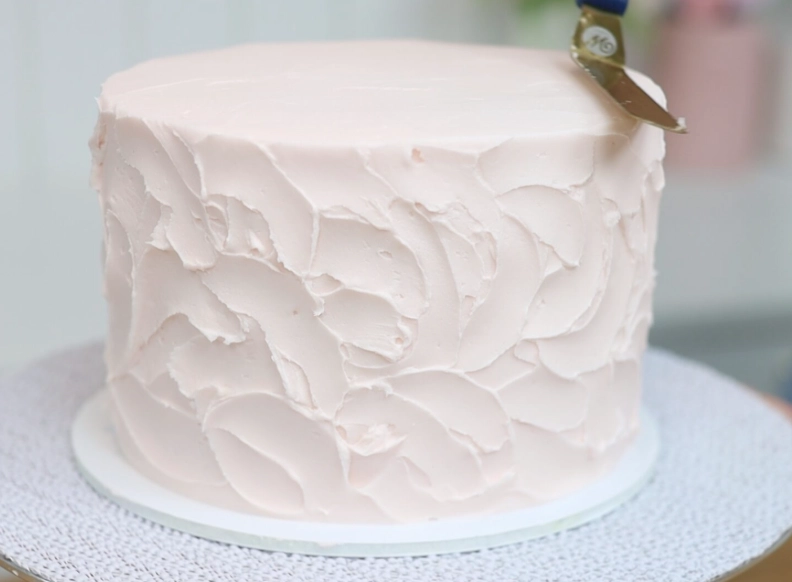
Decorating a cake without special tools isn't a compromise. It's a different path to a delicious, beautiful result. It forces you to be observant, to see the potential in a spoon or a bag. The cake you make this way won't look like it came from a factory. It will look like it came from your kitchen, made with care and a dash of cleverness. And that's always the best kind.
Next time you're in a pinch, or just want to try something different, raid your drawers instead of the store. You might be surprised at what you can create.
Leave a Comment