Let's be honest. The hardest part about sticking to a keto diet isn't skipping the bread. It's dealing with that nagging sweet tooth. You stare at a menu, scroll through social media, and everywhere you look there's a decadent dessert calling your name. For years, I thought "keto dessert" was code for "disappointing, eggy, or weirdly gritty." I wasted so much almond flour on crumbly messes and spent evenings mourning the loss of real cheesecake. Then I figured out the secrets. It's not about finding a perfect 1:1 substitute for sugar and flour. It's about creating something new and delicious that happens to fit your macros.
What’s Inside This Guide?
The One Keto Dessert Mistake Almost Everyone Makes
You find a recipe, buy all the special ingredients—erythritol, almond flour, xanthan gum—follow the instructions to the letter, and... it's just okay. Maybe it's too dry. Maybe it has a weird cooling aftertaste. Maybe it falls apart. The problem usually isn't the recipe. It's a foundational misunderstanding.
Keto baking is chemistry, but with different players. Regular sugar does more than sweeten; it provides bulk, moisture, and caramelization. Wheat gluten gives structure. When you remove them, you can't just do a straight swap and expect magic. The biggest mistake? Treating all low-carb sweeteners the same. Monk fruit, allulose, erythritol, stevia—they behave wildly differently in heat and react uniquely with other ingredients. A recipe formulated for powdered erythritol will fail with liquid stevia. I learned this the hard way with a batch of rock-hard brownies.
Another common pitfall is fat balance. It sounds counterintuitive, but sometimes more fat isn't better. A dessert that's too high in fat without enough structural support (from eggs or specific fibers like psyllium husk) can feel greasy and heavy, not rich and satisfying.
My Top 3 Tried-and-True Keto Dessert Recipes
These aren't just recipes I've collected. These are the ones I've made dozens of times, for skeptical friends and family, and they always get asked for the recipe. They cover different cravings: creamy, chocolatey, and something you can eat with your hands.
1. The No-Bake Raspberry Cheesecake Jars (The Crowd-Pleaser)
This is my secret weapon. Zero baking, minimal cleanup, and it looks fancy. It solves the "I need dessert NOW" craving because it sets in the fridge in about an hour. The tang from the cream cheese and raspberries cuts through the richness perfectly.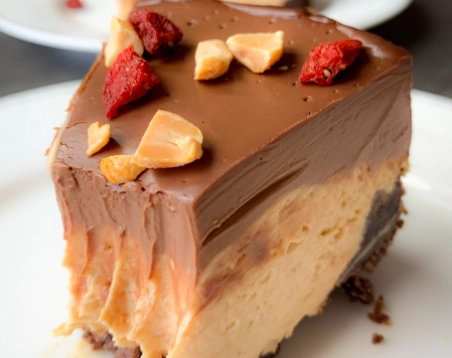
Why This Recipe Works:
It uses a simple macadamia nut crust that doesn't require pre-baking and stays crunchy. The filling gets its stability from whipped cream and gelatin, not a ton of extra cream cheese, so it's light. The raspberry swirl isn't just for looks; the slight acidity makes the whole dessert taste brighter and less cloying.
For the Crust: 1 cup raw macadamia nuts, 2 tbsp melted coconut oil, 1 tbsp powdered erythritol, pinch of salt.
For the Filling: 8 oz full-fat cream cheese (softened), 1 cup heavy whipping cream, 1/3 cup powdered erythritol or monk fruit blend, 1 tsp vanilla extract, 1 tsp unflavored gelatin dissolved in 2 tbsp hot water.
For the Swirl: 1/2 cup frozen raspberries (thawed), 1 tsp lemon juice, 1 tbsp powdered sweetener.
Method: Pulse the crust ingredients until crumbly. Divide between 4 small jars or glasses and press down. Whip the cream cheese and sweetener until smooth. In another bowl, whip the cream and vanilla to stiff peaks. Fold the whipped cream into the cream cheese, then quickly fold in the liquid gelatin. Divide the filling among the jars. Mash the raspberries with lemon juice and sweetener, then dollop and swirl into the filling. Chill for at least 1 hour.
2. Fudgy Avocado Brownies (The Sneaky Healthy One)
Don't knock it until you've tried it. Avocado replaces butter, adding moisture and healthy fats without a vegetal taste. These are dense, dark, and deeply chocolatey—the kind of brownie you want with a black coffee. They freeze incredibly well, too.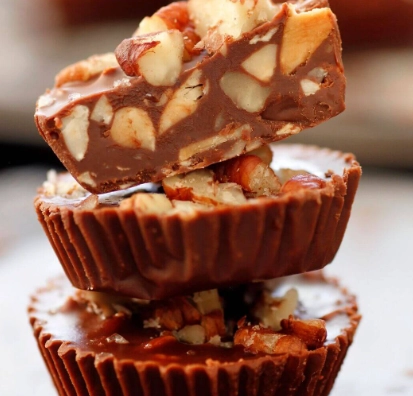
The key here is using a high-quality, dark cocoa powder (like Dutch-process). It packs a bigger flavor punch, masking any subtle notes from the avocado. I also add a small amount of instant coffee granules to intensify the chocolate flavor—a trick I picked up from professional bakers.
3. Lemon Poppy Seed Mug Cake (The 90-Second Fix)
Single-serving dessert for when you don't want a whole batch tempting you. It's fluffy, bright, and ready faster than you can order delivery. The poppy seeds add a lovely texture and visual appeal that makes it feel more "real."
Pro Tip: Use fresh lemon zest, not just juice. The zest contains the aromatic oils that give the cake its powerful lemon fragrance. A microplane grater is your best friend here.
How to Choose the Right Keto-Friendly Sweeteners
This is where most recipes go off the rails. Here’s a quick breakdown from my own trial and (many) errors:
- Erythritol/Monk Fruit Blends (Granulated/Powdered): The workhorses. Good for general baking, mimicking sugar's bulk. The "cooling effect" can be pronounced for some people. Tip: For frostings or no-bake fillings, always use powdered. Granulated won't dissolve fully and you'll get a gritty texture.
- Allulose: My personal favorite for caramelization and ice cream. It browns like sugar and doesn't recrystallize, making it perfect for keto caramel sauce or chewy cookies. It's more expensive and can cause digestive issues in large amounts.
- Pure Stevia or Monk Fruit Drops (Liquid): Incredibly potent. You only need drops. They're great for sweetening beverages, chia pudding, or yogurt. Warning: Never use them cup-for-cup in a recipe designed for granulated sweeteners. It will be a disaster. You must reformulate the entire recipe to account for the lost bulk.
My Non-Consensus Advice: Don't be a sweetener purist. I often use a 50/50 blend of a granulated erythritol blend and allulose. The erythritol provides structure and cost-effectiveness, while the allulose improves browning, moisture, and reduces the cooling aftertaste. It's the closest I've gotten to the real deal.
Professional Tricks for Perfect Keto Dessert Texture
Texture issues—grittiness, crumbliness, egginess—are the main complaints. Here's how to fight back.
Grittiness: Almost always comes from undissolved sweetener. For cold recipes (cheesecake, mousse), use powdered sweetener and let the mixture sit for 10 minutes after mixing to allow it to fully dissolve. For baked goods, some grittiness from erythritol is hard to avoid, but blending it into a finer powder yourself can help.
Crumbliness: Lack of binding. Keto flours have no gluten. You need binders. Eggs are your primary binder. Don't skip them. For an extra boost, 1 tsp of psyllium husk powder (not whole husks) added to cookie or bread recipes works wonders. It absorbs moisture and creates a flexible structure. Xanthan gum (1/4 tsp per cup of flour) also helps, but it can create a slightly gummy texture if overused.
Eggy Taste: Usually a sign of overcooking or using too many eggs for the amount of fat/flour. Ensure your recipes are well-balanced. Adding an extra splash of vanilla or a touch of acid (lemon juice, apple cider vinegar) can also mask any eggy notes.
Your Keto Dessert Questions, Answered
The journey to finding the best keto dessert recipes is really about experimentation. Start with a solid, well-reviewed recipe. Make it once as written. The next time, tweak one thing—maybe the sweetener blend, or add a pinch of spice. Pay attention to how ingredients interact. Your perfect dessert is out there, one that satisfies the craving without compromising your goals. It just might take a few batches to find it. And honestly, that's the fun part.
Leave a Comment