Let's cut to the chase: having the right professional baking tools isn't about showing off a fancy kitchen. It's the difference between a frustrating, inconsistent hobby and a reliable, joyful craft. I've been baking professionally for over a decade, and I can tell you that 80% of common baking fails—cakes that don't rise evenly, cookies that spread into a single blob, bread with a gummy crumb—can be traced back to using the wrong or low-quality tool for the job. This guide isn't just a list. It's a curated roadmap based on what actually works in a real kitchen, not a showroom.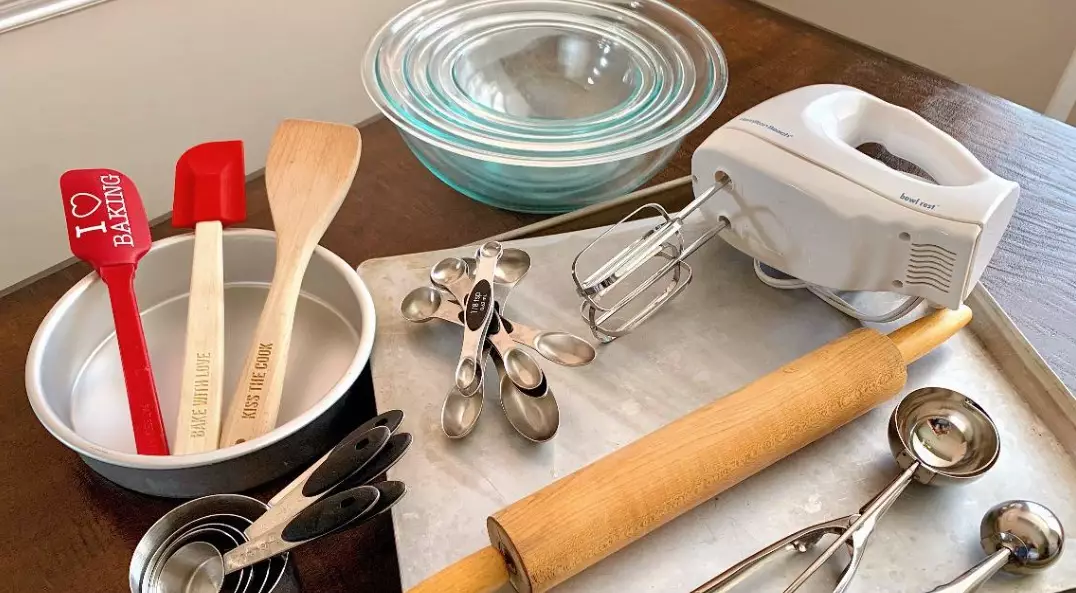
What's Inside This Guide?
- Why the Right Baking Tools Matter More Than You Think
- The Non-Negotiables: 5 Core Tools Every Baker Needs
- Beyond the Basics: Specialized Equipment for Advanced Bakers
- How to Choose Professional Baking Tools: An Expert's Buying Guide
- Setting Up Your Baking Workspace for Efficiency
- Common Baking Tool Mistakes and How to Fix Them
- Your Burning Baking Tool Questions, Answered
Why the Right Baking Tools Matter More Than You Think
Think of your tools as an extension of your hands. A dull knife mashes berries instead of slicing them. A thin, warped baking sheet creates hot spots that burn your biscotti. Precision is everything in baking, which is essentially edible chemistry. A few grams off in flour, a few degrees off in oven temperature, and your result is compromised.
I see a lot of home bakers make one big mistake: they invest in a high-end stand mixer but pair it with flimsy, non-stick pans from a discount store. That mixer can cream butter and sugar to perfect aeration, but if you pour that beautiful batter into a pan that doesn't conduct heat evenly, you've wasted your effort. The tool chain is only as strong as its weakest link.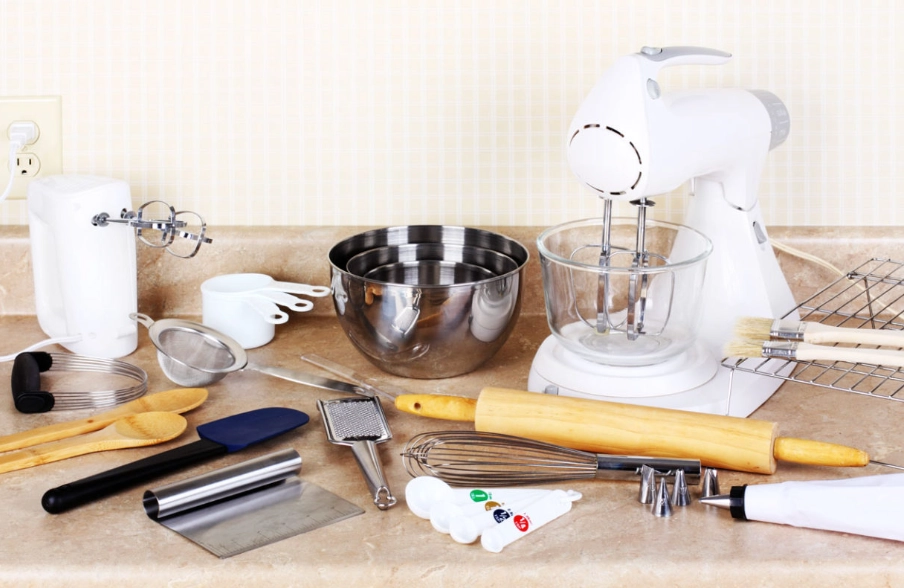
Here's the non-consensus bit: You don't need to buy everything at once, and you certainly don't need the most expensive version of everything. The goal is intentional accumulation. Start with tools that solve your most frequent pain points. Are your muffins always stuck? Prioritize a good quality muffin tin. Does your pie crust shrink? Get some pie weights. This targeted approach is smarter than buying a pre-packaged "baking set" full of items you'll never use.
The Non-Negotiables: 5 Core Tools Every Baker Needs
If you're starting from zero or upgrading from basic kitchen gear, focus here first. These aren't glamorous, but they are the workhorses.
1. Digital Kitchen Scale
Throw out your measuring cups for dry ingredients. Seriously. A cup of flour can weigh anywhere from 120 to 150 grams depending on how you scoop it. That variance can ruin a recipe. A digital scale with 1-gram resolution is non-negotiable for accuracy. Look for one with a tare function. Brands like Escali or OXO offer reliable models in the $20-$40 range. Place a bowl on it, hit tare (zero it out), add flour until it reads 150g. Perfect, every time.
2. Oven Thermometer
Your oven lies. Most home ovens are off by 25°F (14°C) or more. You can set it to 350°F, but it might be running at 375°F. This is why your cookies burn on the bottom before they're done in the middle. A standalone oven thermometer (like the $15 ThermoWorks DOT) tells you the truth. Hang it in the middle of your oven and preheat for a good 30 minutes. Adjust your dial accordingly. This single tool will improve your baking more than anything else.
3. Heavy-Duty Rimmed Baking Sheets (Half Sheet Pans)
Those flimsy cookie sheets that bend when you pick them up? They're terrible. You need commercial-grade, aluminum half sheet pans (18"x13"). They're thick, conduct heat evenly, and won't warp. Nordic Ware and Vollrath are the industry standards. Get at least two. Use them for cookies, roasting nuts, baking sheet cakes, and as a drip tray under pies. They're endlessly versatile. Expect to pay $15-$25 each, and they'll last a lifetime.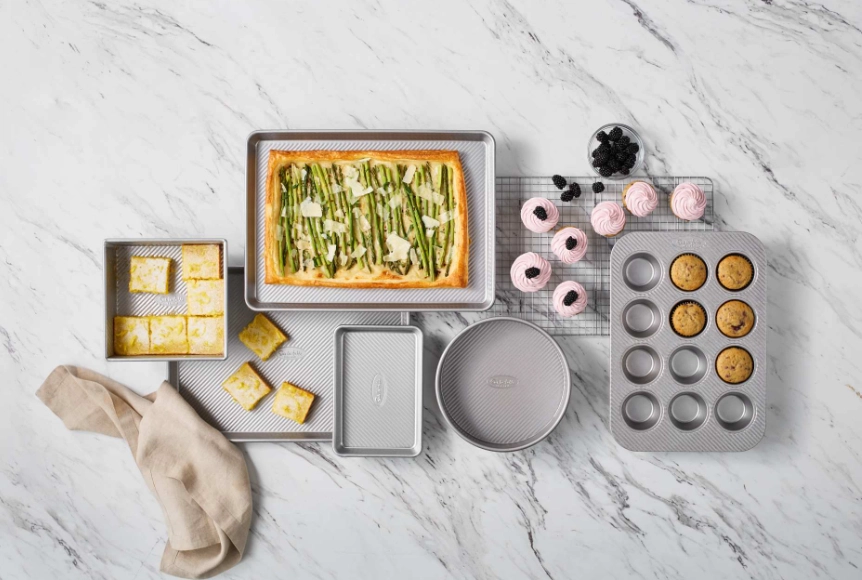
4. Silicone Baking Mats
Parchment paper is great, but reusable silicone mats (like Silpat) are better for consistency. They provide a perfect, non-stick surface that also promotes even browning on the bottom. No more greasing pans or cookies sticking. They pay for themselves quickly. Get the size that fits your half sheet pans.
5. A Set of Mixing Bowls in Various Sizes
Stainless steel bowls are best. They're lightweight, durable, don't retain odors, and you can set them over a pot of simmering water to create a double boiler. Glass bowls are fine but can break and are heavier. Have a set with small, medium, and large bowls. The cheap restaurant supply store ones are perfect.
Beyond the Basics: Specialized Equipment for Advanced Bakers
Once your foundation is solid, these tools open up new techniques and improve consistency for specific tasks.
| Tool | Primary Use & Why It's Professional |
|---|---|
| Stand Mixer | Kneading bread dough, whipping large volumes of egg whites or cream, creaming butter and sugar with perfect aeration and hands-free convenience. |
| Bench Scraper | Dividing dough cleanly, scooping up chopped ingredients, cleaning your work surface. An underrated multi-tasker. |
| Instant-Read Thermometer | Checking doneness of bread (internal temp of 190-210°F), custards, sugar syrups, and meat. Faster and more accurate than guessing. |
| Fine-Mesh Sieve | Sifting dry ingredients to combine and aerate, dusting powdered sugar, straining custards and purees for ultra-smooth texture. |
| Pastry Blender/Cutter | Cutting cold butter into flour for pie crusts, biscuits, and scones without melting the butter with your hands. |
A note on stand mixers: While iconic, they're not the first thing you should buy. A good hand mixer ($50-$80 from brands like Breville or Cuisinart) can handle 90% of tasks for a casual baker. Buy the stand mixer when you find yourself making multiple loaves of bread or large batches of frosting regularly.
How to Choose Professional Baking Tools: An Expert's Buying Guide
Walking into a kitchen store can be overwhelming. Use this framework to decide.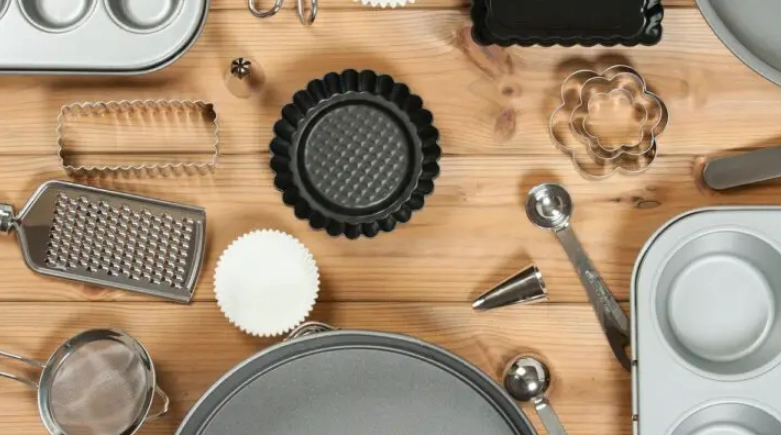
Material is King:
- Baking Pans: Light-colored, dull aluminum is best for even browning. Dark non-stick pans bake faster and can lead to over-browned bottoms. For delicate items like sponge cakes, many pros swear by uncoated aluminum.
- Mixing Tools: Silicone spatulas that can handle high heat. Stainless steel whisks. Nylon or silicone-coated beaters for non-stick cookware.
Weight and Feel: Pick it up. A good rolling pin, a sturdy bench scraper, a heavy saucepan—they should feel substantial, not cheap and hollow. This usually indicates better materials and construction.
Ease of Cleaning: If a tool is a pain to clean, you won't use it. Tools with lots of seams, crevices, or that aren't dishwasher-safe (check the manufacturer's instructions) might not be worth the hassle.
My personal rule? I buy most of my core, no-frills tools (bowls, sheet pans, whisks) from a local restaurant supply store. The prices are lower, and the gear is built for daily commercial abuse. I save specialty purchases (a specific Bundt pan, a French rolling pin) for dedicated kitchenware brands.
Setting Up Your Baking Workspace for Efficiency
Tools are useless if they're buried in a drawer. Think about your workflow: Mise en place (everything in its place) is a baker's mantra.
Keep your scale, most-used bowls, measuring spoons, and spatulas within arm's reach of your main counter. Store baking sheets, cake pans, and less-frequent items together. I use a vertical file organizer for my sheet pans and cooling racks—it saves a huge amount of cabinet space.
Lighting matters. Can you clearly see the color of your caramel or if your meringue has stiff peaks? A under-cabinet light can be a game-changer.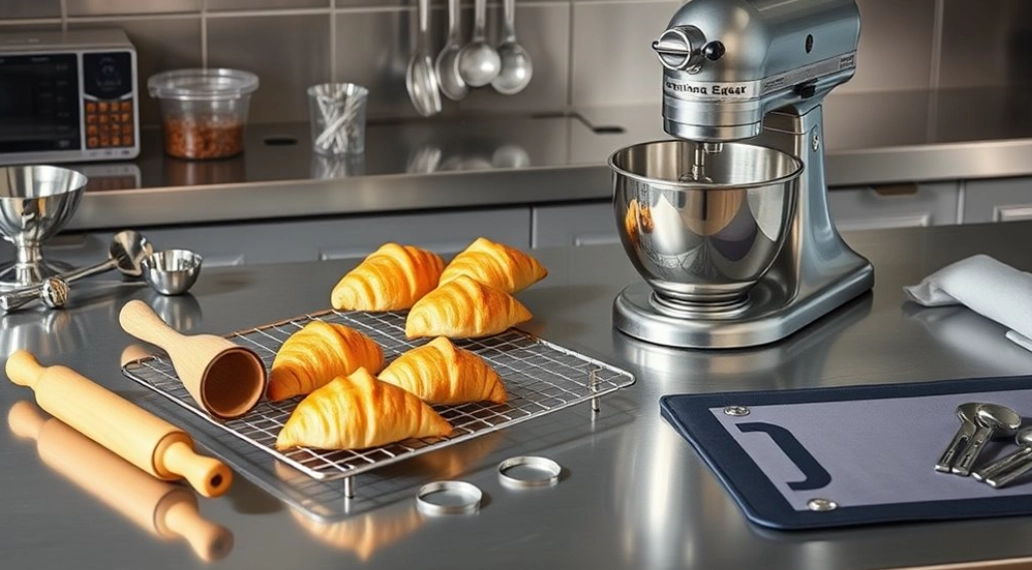
Common Baking Tool Mistakes and How to Fix Them
I've made these, and I see students make them all the time.
Using a Glass or Ceramic Pan for Cookies/Bars: These materials are insulators. They heat slowly and unevenly, leading to pale, soggy-bottomed cookies and undercooked blondie centers. Fix: Use a light-colored metal baking sheet for cookies and bars.
Not Preheating Your Oven (with the thermometer inside) Long Enough: It takes a solid 20-30 minutes for most ovens to truly reach and stabilize at a set temperature. Putting batter in too soon causes poor rise. Fix: Turn the oven on first, before you even measure your flour.
Using a Serrated Knife to Level Cake Layers: It tears the crumb. Fix: Use a long, plain serrated bread knife for sawing, or invest in a dedicated cake leveler for perfectly even layers.
Your Burning Baking Tool Questions, Answered
My cookies always spread too much. Could it be my baking sheets?
It's very likely. Thin, dark-colored baking sheets get too hot too fast, melting the butter in your dough before the structure can set. Switch to a heavy, light-colored aluminum half sheet pan. Also, make sure you're not putting dough on a warm sheet—always use a cool one for each batch.
Is a silicone baking mat really better than parchment paper for everything?
Not for everything. Silicone mats are fantastic for cookies, pastries, and anything you want a perfectly non-stick release from. However, they can inhibit browning on the bottom of some items compared to parchment. For maximum browning (like on certain breads or pizza), parchment or a bare, seasoned pan might be better. They're also not ideal for temperatures above 480°F (250°C).
 I want to start making bread. What's the one tool I should get after a scale and oven thermometer?
A dutch oven. Baking your loaf inside a preheated, lidded dutch oven (like a Lodge or Le Creuset) mimics a professional steam-injected oven. The trapped steam creates a crisp, blistered crust and fantastic oven spring. It's the single biggest upgrade for home artisan bread baking. A $60 cast-iron dutch oven will give you better results than a $200 specialty bread cloche.
How do I know if my baking powder or soda is still active?
This is a silent recipe killer. For baking soda, put a 1/4 teaspoon in a small bowl and add a few drops of vinegar or lemon juice. It should bubble vigorously immediately. For baking powder, put 1/2 teaspoon in a bowl and add 1/4 cup of hot water. It should also fizz strongly. If the reaction is weak, toss it. They typically lose potency after 6-12 months once opened. Mark the date on the container when you open it.
 The journey with professional baking tools is personal. It grows with your skills. Don't feel pressured to own it all. Master your scale, trust your oven thermometer, and build from there. The right tool doesn't just make baking easier—it makes it predictable, successful, and infinitely more satisfying.
Leave a Comment