Let's be honest. Most red velvet cake recipes are a letdown. They promise a luxurious, tender crumb and that iconic tangy-sweet flavor, but deliver a dry, bland, or oddly dense brick coated in overly sweet frosting. I've been there. After a decade of baking and, frankly, a few too many disappointing layers, I cracked the code. This isn't just another recipe; it's the best red velvet cake recipe because it focuses on the *why* behind every step. The result? A cake with an impossibly moist, fine, and yes, velvety texture, a balanced flavor that whispers cocoa and tang, and a cream cheese frosting that holds its shape. Forget the box mix. This is the real deal.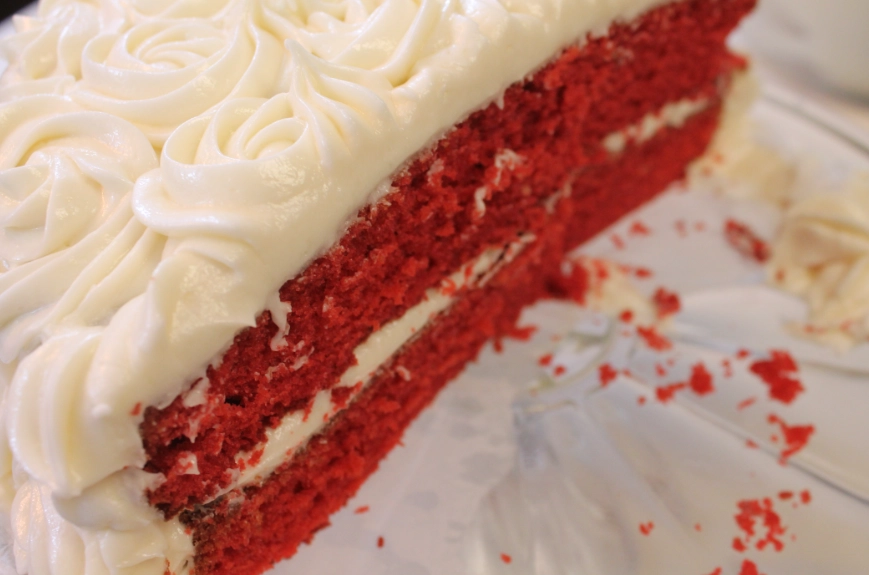
What You'll Find Inside
Why This Red Velvet Cake Recipe Actually Works
Most recipes just list ingredients. I want you to understand them. That's how you bake without fear.
Oil, Not Butter. This is the hill I will die on for a moist red velvet cake. Butter solidifies when cool, which can give structure but also dryness. Oil remains liquid, coating the flour proteins more thoroughly and creating that tender, melt-in-your-mouth crumb that stays soft for days. We're aiming for velvet, not pound cake.
The Buttermilk & Vinegar Tango. This is the soul of the flavor. The acidity from buttermilk and a touch of white vinegar does three crucial things: it tenderizes the gluten for a softer texture, reacts with the baking soda to create a fantastic rise, and provides that subtle tang that balances the sweetness. Don't you dare substitute the buttermilk with milk. If you're in a pinch, make a “clabbered” milk by adding 1 tablespoon of vinegar or lemon juice to 1 cup of whole milk and let it sit for 10 minutes.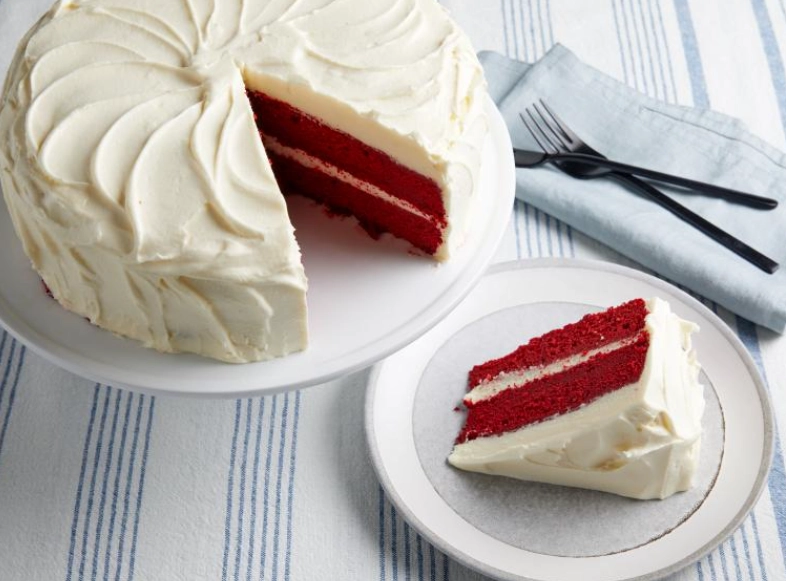
Cocoa Powder: The Unsung Hero. You don't need much—just two tablespoons. But its job is vital. It provides the base flavor (not chocolate, but a warm, round cocoa note) and, importantly, its anthocyanins react with the acidic buttermilk and vinegar to enhance the red color. Use a natural cocoa powder here, not Dutch-processed, for the best chemical reaction with the baking soda.
Your Shopping List for the Best Red Velvet Cake
For the Cake:
All-purpose flour (properly measured!)
Granulated sugar
Vegetable or canola oil (a neutral flavor is key)
Large eggs, at room temperature
Full-fat buttermilk, at room temperature
Natural unsweetened cocoa powder (like Hershey's)
Baking soda & salt
Pure vanilla extract
White vinegar
Gel red food coloring (liquid will dilute your batter)
For the Frosting:
Full-fat brick cream cheese, chilled
Unsalted butter, at room temperature
Powdered sugar, sifted Pure vanilla extract A tiny pinch of salt (cuts the sweetness perfectly)
Step-by-Step Baking Instructions
Read this whole section before you start. Mise en place—having everything measured and ready—is your best friend.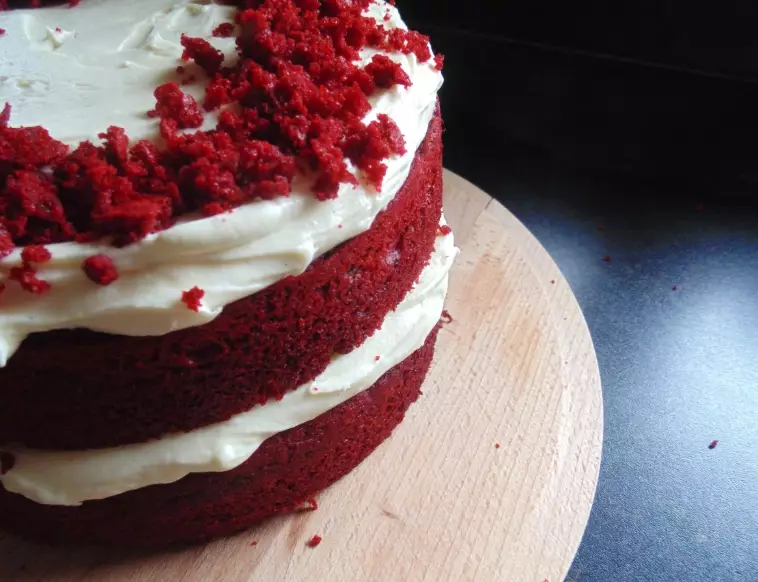
Preparing Your Pans and Oven
Preheat your oven to 350°F (175°C). This isn't a suggestion. A properly preheated oven is non-negotiable for even baking. Grease two 9-inch round cake pans with butter or baking spray. Line the bottoms with parchment paper circles. This guarantees a clean release every single time. Dust the sides with a little flour, tapping out the excess.
Mixing the Batter (The Right Way)
Here's where most people go wrong: they over-mix. We're using the reverse creaming method for minimal gluten development.
In a large bowl, whisk together your dry ingredients: flour, sugar, cocoa powder, baking soda, and salt. Whisk it really well. This distributes the leavening agent evenly, preventing tunnels in your cake.
In another bowl, whisk the wet ingredients: oil, eggs, buttermilk, vanilla, vinegar, and the red food coloring. Now, here's the trick. Pour the wet ingredients into the dry ingredients. Use a whisk and mix just until the last streak of flour disappears. Stop immediately. A few small lumps are fine. Over-mixing is the fast track to a tough cake.
Divide the batter evenly between your prepared pans. I use a kitchen scale for precision, but eyeballing is okay. Smooth the tops.
Baking and Testing for Doneness
Bake for 25-30 minutes. Do not open the oven door before 20 minutes. Set a timer.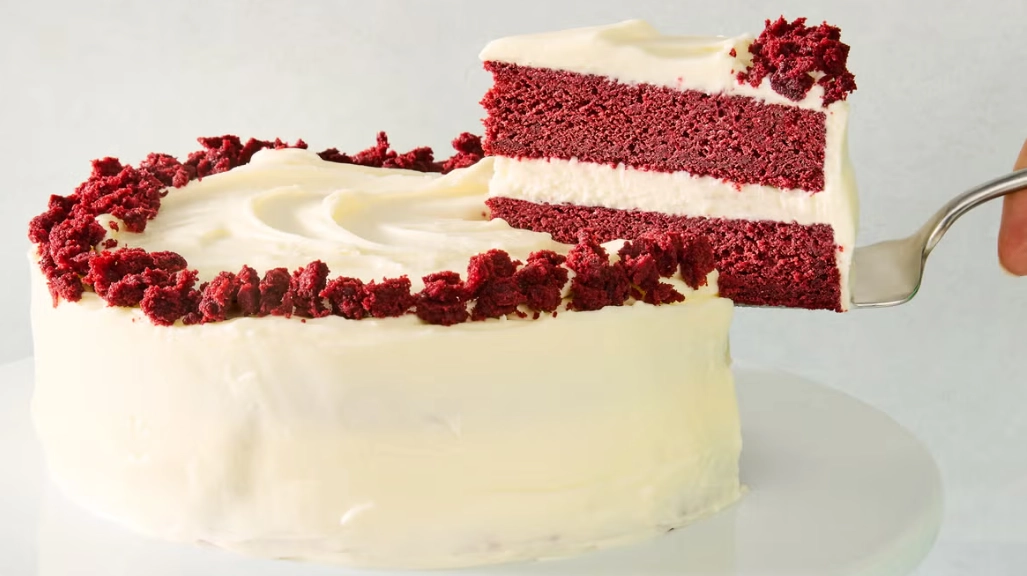
How do you know it's done? The edges will pull away from the pan slightly. The top will spring back when gently pressed. Most reliably, insert a toothpick into the center. It should come out with a few moist crumbs attached, not wet batter, but not completely clean either. A clean toothpick often means over-baked.
Let the cakes cool in their pans on a wire rack for 15 minutes. Then, run a knife around the edges, invert them onto the rack, peel off the parchment, and let them cool completely. I mean it. Completely cold. Frosting a warm cake is a disaster waiting to happen.
Making the Cream Cheese Frosting
While the cakes cool, make the frosting. Use an electric mixer. Beat the chilled cream cheese and room-temperature butter together until perfectly smooth and creamy, about 2 minutes. Scrape down the bowl. Add the sifted powdered sugar, vanilla, and salt. Start the mixer on low until the sugar is incorporated, then beat on medium-high for another 1-2 minutes until fluffy. Don't over-beat, or it can become runny. If it's soft, pop the whole bowl in the fridge for 20 minutes to firm up.
The Frosting & Assembly Masterclass
Place one cake layer on your plate or stand. Spread a generous, even layer of frosting on top. Add the second layer. Apply a thin “crumb coat” of frosting over the entire cake. This seals in crumbs. Chill for 20 minutes. Then, pile on the remaining frosting and smooth or swirl it decoratively. For a classic look, garnish the top with cake crumbs or a sprinkle of extra cocoa powder.
Expert Tips for the Best Results
These aren't just tips; they're the difference between good and legendary.
Measure your flour correctly. This is the #1 cause of dry cake. Do not scoop the measuring cup into the flour bag. You'll pack in 20% more flour. Instead, fluff your flour, spoon it gently into the cup, and level it off with a straight edge.
Room temperature matters. Your eggs and buttermilk need to be at room temp to emulsify properly with the oil. Cold ingredients can cause the batter to break or not rise evenly. Plan ahead.
Use gel food coloring. Liquid food coloring is mostly water. To get a deep, vibrant red, you'd need half a bottle, which throws off your liquid balance. Gel or paste coloring is concentrated. One to two teaspoons will give you a stunning color without affecting the batter.
Let's talk storage. This cake is even better the next day. Store it covered in the refrigerator for up to 5 days because of the frosting. Bring slices to room temperature for about 30 minutes before serving for the best texture and flavor.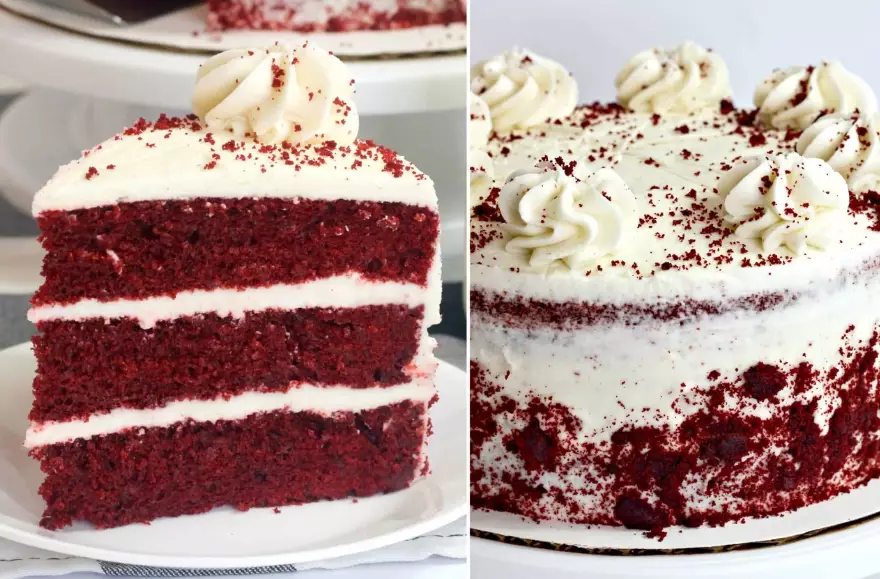
Frequently Asked Questions
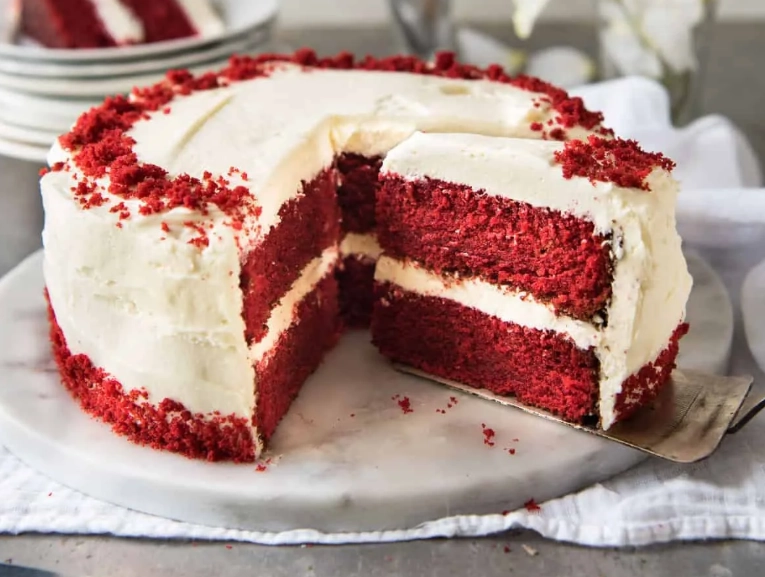 Baking this cake isn't just following steps; it's understanding a process. When you know why you're using oil, why the vinegar is there, and how to treat the flour, you move from a recipe follower to a confident baker. This best red velvet cake recipe is your foundation. Now go preheat that oven.



Leave a Comment