You're standing in your kitchen, ready to make doughnuts. The idea of a warm, glazed ring fresh from your own fryer is irresistible. But then the doubt creeps in. What goes into them, really? Is it just flour and sugar, or is there some secret bakery ingredient you're missing?
Let's cut through the confusion. Making great doughnuts isn't about magic powders. It's about understanding the role of each component in your bowl. Forget the vague recipes that just list "flour." We're going deep on why you choose bread flour over all-purpose, why the temperature of your milk matters more than you think, and the one mistake with yeast that makes doughnuts taste like old bread.
I've been baking them for over a decade, from dense failures to light, airy successes. Here’s everything you need, explained without the fluff.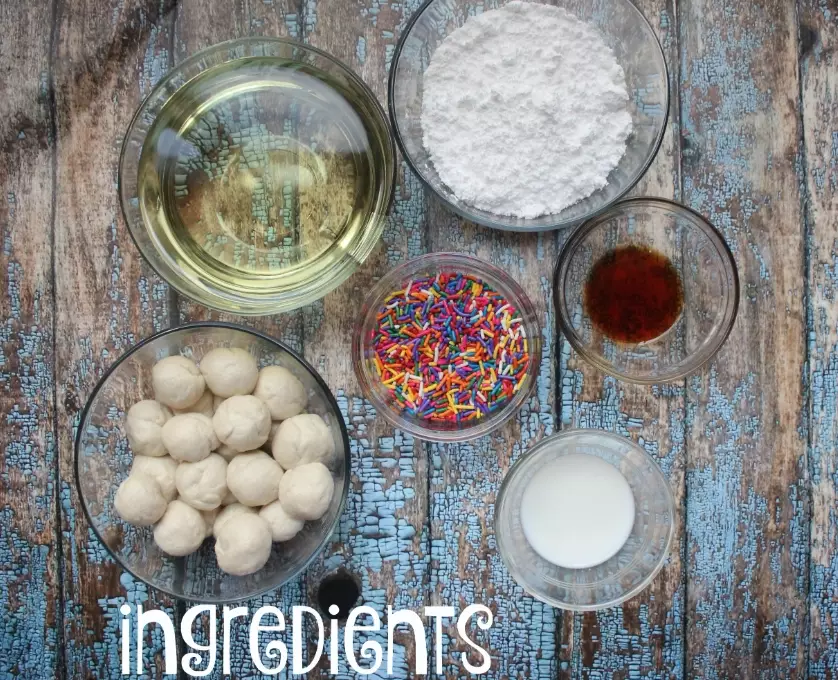
What's Inside This Guide
The Foundation: Flour
This is your structure. Get it wrong, and your doughnut will be tough, chewy, or crumbly.
Bread flour is the pro's choice for yeast-raised doughnuts. Why? Protein content. Bread flour has a higher protein percentage (usually 12-14%) than all-purpose flour. That protein forms gluten when mixed with water. For a yeasted dough that needs to trap gas bubbles and rise sky-high, you need that strong, elastic gluten network. It gives the doughnut its iconic airy, chewy texture.
All-purpose flour (around 10-12% protein) can work in a pinch, but your doughnuts might be slightly more tender and less robust. Where all-purpose flour shines is in cake doughnuts. Since cake doughnuts use chemical leaveners (baking powder/soda) and are meant to be more tender and crumbly like a muffin, the lower-gluten structure of all-purpose or even cake flour is perfect.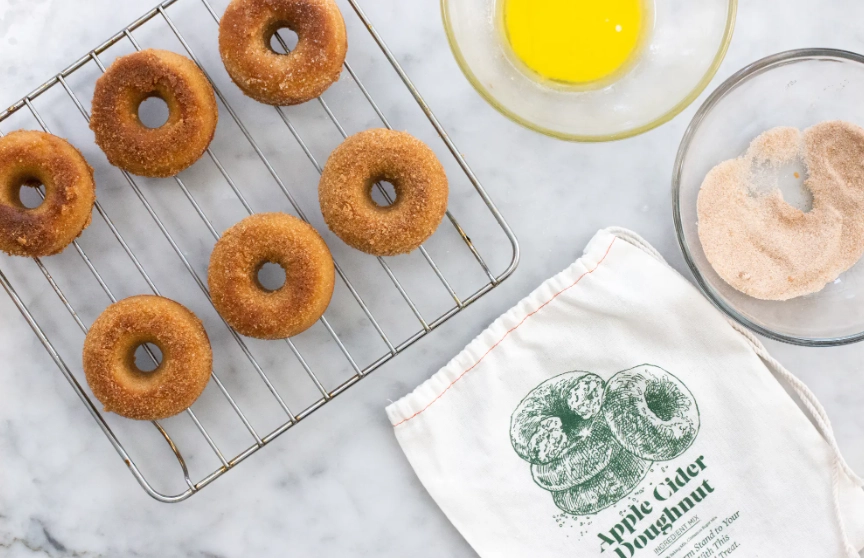
Here’s a quick comparison:
| Flour Type | Protein % | Best For | Texture Result |
|---|---|---|---|
| Bread Flour | 12-14% | Yeast-Raised Doughnuts | Chewy, airy, light with good structure |
| All-Purpose Flour | 10-12% | Cake Doughnuts, OK for Yeast | Softer, more tender, less chewy |
| Cake Flour | 7-9% | Cake Doughnuts (for extreme tenderness) | Very fine, delicate crumb |
A note on measuring: Spoon and level your flour. Scooping directly from the bag packs it in, leading to over-measuring and dry, dense doughnuts. For absolute precision, a kitchen scale is your best friend—most professional recipes, like those from the King Arthur Baking Company, use weight.
Liquids: Binders and Activators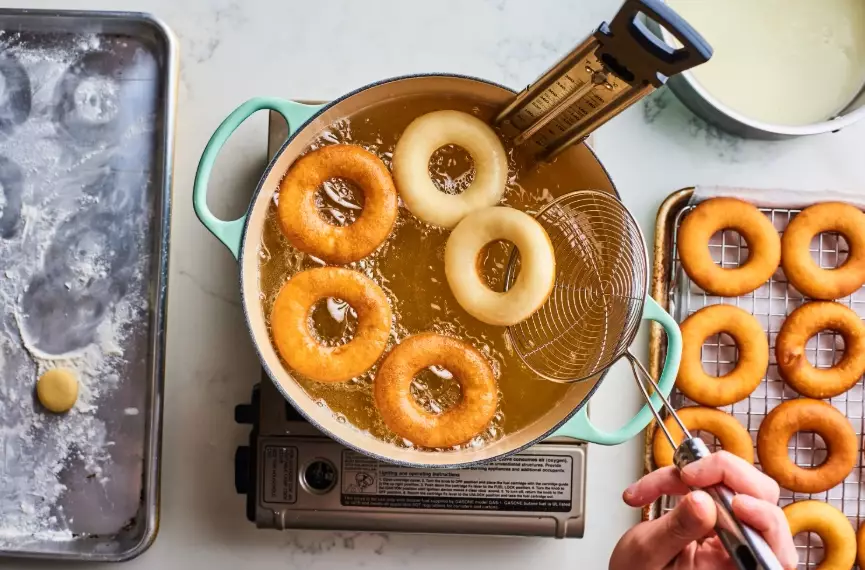
Liquids hydrate the flour, activate the yeast, and bind everything together. The temperature is critical.
Milk (whole is best) is the standard. It adds richness, softens the crumb, and promotes browning thanks to its sugar (lactose) and proteins. Scalding the milk (heating it to just below a boil then cooling) was traditionally done to denature proteins that could interfere with gluten, but with modern pasteurized milk, it's often skipped. I still do it out of habit—it also helps dissolve sugar and melt butter.
Water can be used, especially in conjunction with milk. For yeast doughs, the liquid temperature is non-negotiable. Too hot (above 115°F/46°C) and you kill the yeast. Too cold and it sleeps. Aim for 105-110°F (40-43°C)—warm to the touch, not hot. A digital thermometer costs $10 and saves batches.
Eggs are a liquid that also add fat, richness, color, and structure. They make the crumb more tender and cake-like. Most yeast doughnut recipes use at least one egg yolk or a whole egg. Cake doughnut recipes use more, contributing to their name.
Sweetness and Flavor Enhancers
Granulated sugar does more than sweeten. In yeast doughs, it's food for the yeast, fueling the rise. It also tenderizes the gluten, contributes to browning, and, of course, adds sweetness. Don't be tempted to drastically reduce it if you want a proper rise and color.
Brown sugar (light or dark) adds a molasses note and extra moisture, great in spiced cake doughnuts or old-fashioned sour cream doughnuts.
Salt. Never, ever forget the salt. It's not a flavor enhancer; it's a flavor necessity. Without it, your doughnuts will taste flat and vaguely yeasty, even with all the sugar and glaze. Salt also tightens the gluten structure, giving better control over the rise. Use fine sea salt or table salt.
Fats for Tenderness and Richness
Fat shortens gluten strands, making the final product tender and rich. It also carries flavor and adds moisture.
Butter is the gold standard for flavor. It should be unsalted so you control the salt level. For yeast doughs, it's often softened or melted and added after the initial mix. That rich, bakery flavor? That's butter.
Shortening or neutral oil (like vegetable) can be used. They create a more neutral flavor and can sometimes yield a slightly crispier exterior. Some bakers swear by a blend. I find all-butter doughnuts have a superior, complex taste that shortening can't match.
Egg yolks, as mentioned, are a source of fat too.
And then there's the frying fat. This is crucial. You need an oil with a high smoke point and neutral flavor. Peanut oil is fantastic—high smoke point, light flavor. Vegetable shortening (like Crisco) was traditional and gives a specific crispness, but pure vegetable, canola, or sunflower oil work well. Avoid olive oil (strong flavor, low smoke point). Maintain your fry temperature between 350-375°F (175-190°C). A candy/deep-fry thermometer is essential here. The USDA Food Safety guidelines recommend discarding oil after repeated use to avoid off-flavors and degraded quality.
The Leavening Agents
This is what makes them puff up.
Yeast (for raised doughnuts): Active dry yeast is the most common. Instant yeast works too and doesn't always require "proofing" in warm liquid first (check your brand's instructions). The key is freshness. Old yeast won't give you a good rise. Store it in the fridge or freezer.
Baking Powder & Baking Soda (for cake doughnuts): These are chemical leaveners that react to create gas. Baking powder is double-acting—it reacts once when wet and again when heated. Baking soda needs an acid (like buttermilk, sour cream, or brown sugar) to react. They provide the instant lift for cake doughnuts' dense, tender crumb. Make sure yours is fresh. Test baking powder by dropping a teaspoon in hot water—it should fizz vigorously.
The Essential Extras
Spices: Nutmeg is the classic, almost mandatory addition to cake doughnut batter. Just a quarter to a half teaspoon makes all the difference. Cinnamon, cardamom, and ginger are wonderful too.
Flavor Extracts: Pure vanilla extract is a must in both batter and glaze. Almond extract is a secret weapon in glazes, especially with raspberry jam fillings.
Yeast vs. Cake Doughnut Ingredients: A Side-by-Side Look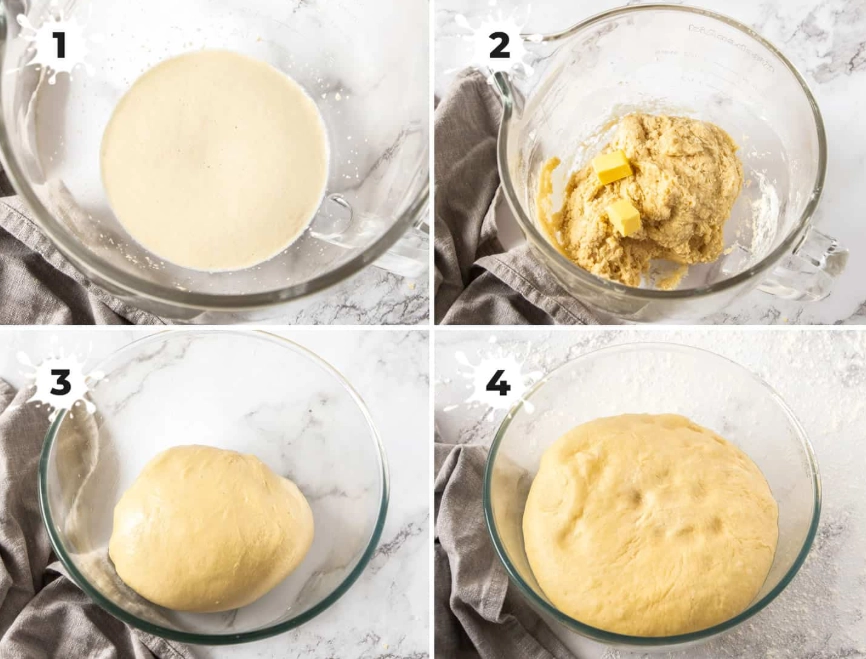
Let's see how these ingredients come together differently for the two main types. Think of yeast doughnuts as a lean, enriched bread dough, and cake doughnuts as a quick-bread or muffin batter.
Yeast-Raised Doughnut Dough relies on a wet, sticky dough that ferments and rises slowly. High-protein flour, a careful balance of sugar (enough to feed yeast but not inhibit it), and a patient rise are key. The texture goal is light and airy.
Cake Doughnut Batter is thicker, often mixed just until combined to avoid toughness. The lift comes instantly from baking powder/soda reacting with the wet acids (buttermilk, eggs). The texture goal is tender and crumbly.
The main difference in the bowl? Time and technique. Yeast demands patience. Cake batter demands a light hand and immediate frying.
Your Doughnut Ingredient Questions, Answered
 Can I use water instead of milk?
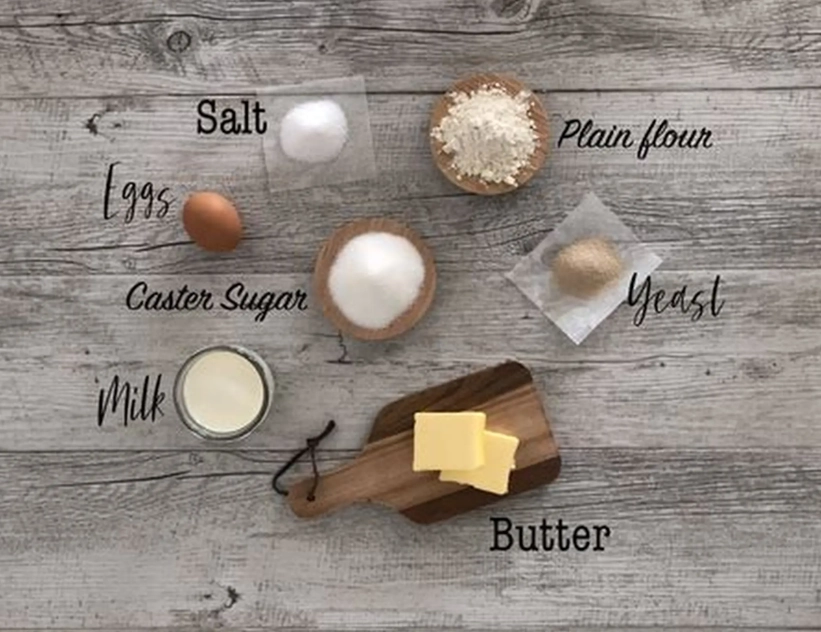 So, what do you need to make doughnuts? You need understanding more than anything. Understanding that flour builds structure, yeast needs warmth and time, and fat is for flavor as much as texture. Start with fresh, quality ingredients, respect their roles, and you're not just mixing a batter—you're engineering a treat.
Now go heat that oil.

Leave a Comment