Your Baking Companion: A Quick Overview
- The Absolute Must-Have Ingredients for Banana Bread
- The "Nice-to-Have" Squad: Ingredients That Elevate Your Loaf
- Answering Your Banana Bread Ingredient Questions
- Ingredient Substitutions: Your "In a Pinch" Guide
- Beyond the Basics: Thinking About Nutrition & Dietary Tweaks
- Putting It All Together: Your Action Plan
You know that moment. You've got a bunch of bananas on the counter that have gone from perfectly yellow to… well, let's call them "enthusiastically spotted." Maybe they're even leaning into black. The first thought that pops into your head? Banana bread. It's the law. But then you stop and think, wait, do I actually have everything I need? What are the ingredients of banana bread, really?
I've been there more times than I care to admit. I'd pull out a recipe, only to realize I'm out of baking soda or I used the last of the vanilla extract yesterday. It's the worst. So let's not just list stuff. Let's talk about what each thing actually does in your loaf. Why someingredients are non-negotiable, and where you can absolutely cheat if you're in a pinch. Because understanding the "why" behind the "what" is what turns a recipe follower into a confident baker.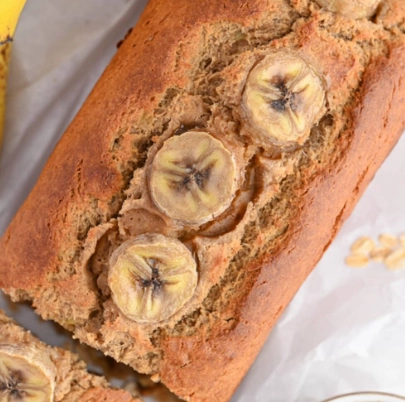
My Banana Bread Wake-Up Call
I remember the first time I tried to get fancy. I saw a recipe that called for cake flour instead of all-purpose. I didn't have any, but I figured, "Flour is flour, right?" Wrong. The result was a dense, gummy brick that even the birds in my garden looked at with suspicion. That failure taught me more about the role of gluten in quick breads than any textbook ever could. It's not just about throwing things in a bowl. Each component has a job.
The Absolute Must-Have Ingredients for Banana Bread
Let's start with the foundation. If you're asking "what are the ingredients of banana bread?", these are the ones you simply cannot do without. Forget one of these, and you're not making banana bread; you're making something else entirely.
The Star of the Show: Bananas
This seems obvious, but hear me out. The bananas are not just a flavoring; they're a major structural player. You want those overripe, black-speckled, super-soft bananas. Why? They're sweeter (as the starches have converted to sugars), they mash easily into a smooth puree, and their intense flavor permeates the whole loaf. Using a bright yellow, just-ripe banana will give you a bland bread with weird banana chunks. Not good.
Trust me on this.
For a standard loaf, you'll need about 3 medium bananas or 1 to 1.5 cups of mashed banana. I just mash them right in the mixing bowl with a fork—lumps are perfectly fine, even desirable for texture. Some people swear by freezing overripe bananas and then thawing them for an even more concentrated flavor. I've tried it, and while it works, the difference isn't night-and-day. Do it if you're a perfectionist, but don't stress.
Pro Tip: If your bananas aren't quite ripe enough, you can cheat a little. Place unpeeled bananas on a baking sheet and bake them in a 300°F (150°C) oven for 15-20 minutes, until the skins are black. Let them cool, and you've got perfect "overripe" bananas. It's a lifesaver.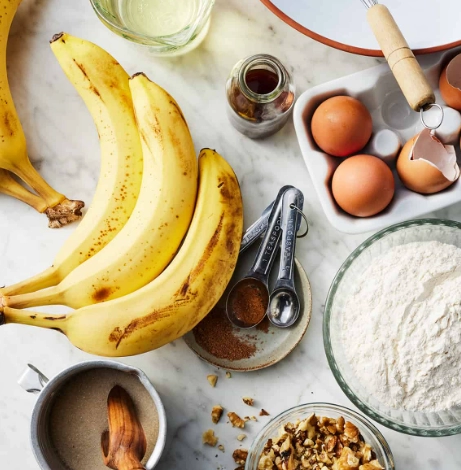
The Backbone: Flour
All-purpose flour is the standard, and for good reason. It has just the right amount of protein (usually around 10-12%) to provide structure without making the bread tough. The gluten network it forms gives the bread its crumb and prevents it from being a mushy mess.
Can you use other flours? Sure, but it changes the game. Whole wheat flour will give you a denser, nuttier loaf (I often use half all-purpose, half whole wheat for more fiber). If you need a gluten-free option, a good quality 1:1 gluten-free flour blend (like those from Bob's Red Mill or King Arthur) works surprisingly well. I tried almond flour once—it was tasty but crumbly and more like a heavy tea cake than bread.
The Leaveners: Baking Soda & Sometimes Baking Powder
This is where the magic of the rise happens. Banana bread is a "quick bread," meaning it relies on chemical leaveners, not yeast. Baking soda is absolutely essential. Why? Because the acidic components in the batter—the overripe bananas, often buttermilk or yogurt, sometimes brown sugar—need baking soda to react and produce carbon dioxide bubbles. Those bubbles make the bread rise.
Many recipes also include a bit of baking powder for a secondary rise in the oven's heat. If you only use baking powder and no soda, your bread might not rise properly because the acidity isn't fully neutralized. If you only use soda and no powder, it might rise quickly and then fall flat. Using both gives you a reliable, even crumb. Check the date on your boxes! Old leaveners are the number one reason for flat, dense banana bread.
Watch Out: Don't just swap baking soda for baking powder 1:1. They are chemically different. Baking soda is about 3-4 times stronger. If a recipe calls for 1 tsp of baking soda and you use 1 tsp of baking powder instead, you'll get a very sad, flat loaf.
The Binder & Moisture: Fat and Eggs
Fat adds richness, tenderness, and that melt-in-your-mouth quality. The classic choice is melted butter. It gives fantastic flavor. I've also used neutral oil (like vegetable or canola), and honestly, it often makes for an even moister loaf that stays soft for days longer. The choice is yours: butter for flavor, oil for moisture.
Eggs are the glue. They bind everything together, add structure, and contribute to the rise and browning. Usually, one or two large eggs do the job. For an egg-free version, a "flax egg" (1 tbsp ground flaxseed mixed with 2.5 tbsp water, left to gel for 5 minutes) is a decent substitute, though the texture will be slightly more dense.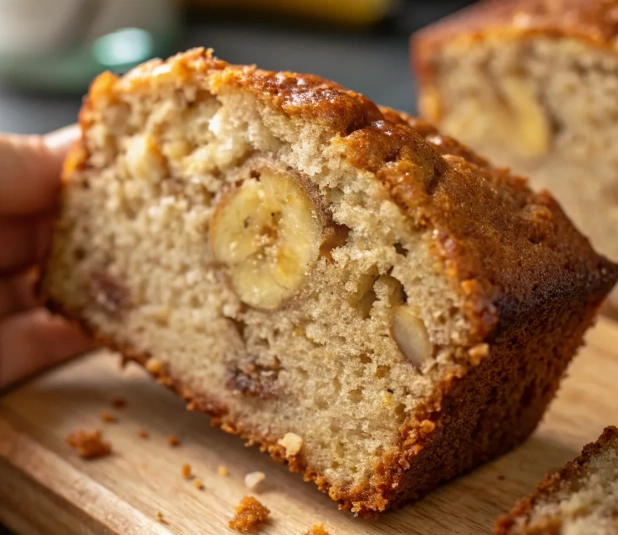
The Sweetener: Sugar
White sugar, brown sugar, or a mix? Brown sugar (light or dark) is my personal favorite for banana bread. The molasses in it adds a deeper, caramel-like flavor and, because it holds more moisture, it makes the crumb extra tender. White sugar will give you a lighter color and a cleaner sweetness. You can use all of one or a 50/50 mix. Don't skip the sugar entirely unless you're ready for a very different, almost savory result.
And yes, you can reduce the sugar a bit. Most recipes call for around 1 cup for a standard loaf. I often use 3/4 cup and find it plenty sweet, especially with very ripe bananas. Honey or maple syrup can be used, but they are liquid sweeteners, so you may need to slightly reduce other liquids in the recipe.
| Ingredient | Essential Role | What Happens If You Omit/Sub Wrong? | Best Substitute (in a pinch) |
|---|---|---|---|
| Overripe Bananas | Primary flavor, natural sweetness, moisture, and acidity (for leavening reaction). | Bland flavor, dry texture, poor rise. The bread won't taste like banana bread. | Unsweetened applesauce or pumpkin puree (for moisture only, flavor will differ). |
| All-Purpose Flour | Provides structure and gluten network for the crumb. | Bread collapses, becomes gummy (if using cake flour) or too dense (if using bread flour). | 1:1 Gluten-Free Flour Blend or half whole wheat/half all-purpose. |
| Baking Soda | Reacts with acids to create lift and airy texture. | Dense, flat, heavy loaf. The bread will not rise properly. | There is no direct 1:1 substitute. Must use a recipe formulated for baking powder only. |
| Fat (Butter/Oil) | Tenderizes, adds richness, and retains moisture. | Dry, crumbly, and lacking in flavor and mouthfeel. | Melted coconut oil, plain yogurt, or even mashed avocado (for oil). |
| Eggs | Bind ingredients, add structure, and aid in leavening. | Loaf may fall apart, be crumbly, and lack stability. | "Flax egg" or commercial egg replacer for binding. |
| Sugar | Sweetens, tenderizes, and promotes browning. | Pale, tough, bland bread. Browning reaction (Maillard) is reduced. | Reduce quantity slightly, or use coconut sugar, honey (adjust liquids). |
The "Nice-to-Have" Squad: Ingredients That Elevate Your Loaf
Now, these are what I call the supporting cast. Your banana bread will be perfectly fine without them, but with them? It can go from good to "oh-my-goodness-give-me-the-recipe" great.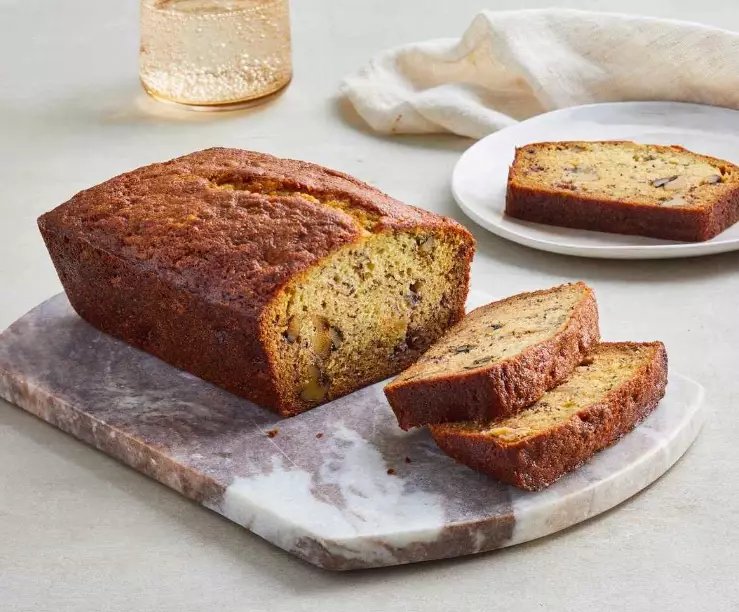
Salt and Vanilla Extract
Never, ever skip the salt. Even just a half teaspoon. It's not there to make things salty; it's there to make everything else taste more like itself. It balances the sweetness and heightens the banana and spice flavors. It's the difference between a flat-tasting bread and a vibrant one.
Vanilla extract is the same. A teaspoon or two rounds out all the flavors and adds a warm, bakery-like aroma. Use pure vanilla if you can—the artificial stuff can taste a bit chemical. I ran out once and used a dash of almond extract instead. It was… interesting. Not bad, but definitely a different profile.
Dairy or a Dairy-Like Thing
Many recipes call for buttermilk, yogurt, sour cream, or even regular milk. Their job is threefold: 1) add more acidity to react with the baking soda, 2) add moisture and tenderness, and 3) add a slight tang that complements the sweetness. Buttermilk is the classic. If you don't have it, make your own "soured milk" by adding a tablespoon of lemon juice or vinegar to a cup of milk and letting it sit for 5 minutes. Plain yogurt or sour cream work beautifully, too.
You can absolutely make banana bread without any added dairy. Use a non-dairy milk (like oat or almond) with a splash of lemon juice, or just skip it entirely. The bananas and fat provide plenty of moisture on their own.
Spices and Mix-Ins
This is where you make it your own. Cinnamon is the most common add-in—a teaspoon or two is heavenly. A pinch of nutmeg or allspice is lovely too. As for mix-ins, the world is your oyster:
- Nuts: Toasted walnuts or pecans are the gold standard. They add crunch and a nutty bitterness that cuts the sweetness. Chopped and tossed in a bit of flour so they don't sink.
- Chocolate: Chocolate chips (semi-sweet or dark) are a crowd-pleaser. I prefer mini chips because they distribute more evenly. A controversial opinion: sometimes chocolate overpowers the banana flavor for me.
- Dried Fruit: Raisins or chopped dates. Soak them in hot water or rum first to plump them up, or they can become little flavorless rocks.
- Seeds: A handful of sunflower or pumpkin seeds for a healthy crunch.
If you're adding a lot of heavy mix-ins (like a full cup of nuts and a cup of chocolate chips), consider increasing your leavening agents slightly (an extra 1/4 tsp of baking powder) to help lift that heavier batter.
Answering Your Banana Bread Ingredient Questions
Okay, so we've covered the basics. But when you're actually in the kitchen, more specific questions pop up. Let's tackle some of the most common ones I get asked (and have asked myself).
Ingredient Substitutions: Your "In a Pinch" Guide
We've all been there—mid-recipe, realizing we're missing something. Before you abandon hope, check this guide. Knowing what each ingredient does lets you make smart swaps.
Out of Brown Sugar?
Use white sugar. For a closer approximation, add a tablespoon of molasses to one cup of white sugar and mix well. Maple syrup or honey can work, but reduce other liquids by 2-3 tablespoons per cup of liquid sweetener used.
Out of Buttermilk/Yogurt?
The "soured milk" trick is perfect. 1 cup milk + 1 tbsp lemon juice/vinegar. Let it curdle for 5-10 minutes. Plain kefir or thinned-out sour cream also works. In a real pinch, you can often just use regular milk; the rise might be slightly less pronounced.
Out of Vanilla Extract?
You can simply omit it. The bread will still be good. A tiny bit of another extract (almond, orange) can add complexity, but use half the amount as they are stronger. Or, use the seeds from a vanilla bean if you happen to have one.
Out of Butter? (For the fat)
Neutral oil is a direct 1:1 substitute by volume. Melted and cooled coconut oil works too, adding a subtle flavor. For a healthier twist, unsweetened applesauce can replace up to half the fat, but the texture will be more cake-like and less rich.
See? Not so scary.
Beyond the Basics: Thinking About Nutrition & Dietary Tweaks
Once you've mastered the classic, you might wonder about making it healthier or adapting it to dietary needs. It's totally possible, but manage your expectations. A "healthy" banana bread is still a treat, not a salad.
For a whole-grain version, swap half the all-purpose flour for whole wheat pastry flour (lighter than regular whole wheat) or white whole wheat flour. You might need an extra tablespoon or two of liquid. To reduce sugar, you can safely cut the amount by 1/4 without major issues. Using mashed dates or a ripe, mashed pear can add natural sweetness, allowing you to reduce added sugar further.
For a vegan banana bread, the swaps are straightforward: flax eggs for chicken eggs, plant-based milk (with lemon juice) for buttermilk, and coconut oil or a vegan butter stick for dairy butter. The result is surprisingly close.
If you're curious about the nutritional breakdown, a standard slice (1/12th of a loaf) might have around 200-250 calories, depending on your specific ingredients and add-ins. Resources like the USDA FoodData Central are great for looking up the specifics of individual ingredients if you're tracking closely.
Putting It All Together: Your Action Plan
So, what are the ingredients of banana bread? It's a team. The bananas, flour, leaveners, fat, eggs, and sugar are your starting lineup. Salt, vanilla, and a bit of dairy are your key players off the bench. Spices and mix-ins are the flashy stars that get the crowd cheering.
The real secret isn't a secret ingredient. It's understanding why each thing is there. That knowledge frees you. It lets you look at a recipe and think, "I can do this. And if I'm missing X, I know what Y can do instead."
My final piece of advice? Don't overmix. Once you add the flour, stir just until the last streak of white disappears. Overmixing develops gluten and leads to toughness. Fold in your nuts or chips at the very end. Pour the batter into a greased loaf pan, bake in a preheated 350°F (175°C) oven for about 55-65 minutes, and let it cool in the pan for 10 minutes before turning it out.
The smell alone is worth the effort. And when someone takes a bite of your perfectly moist, flavorful loaf and asks, "What's in this?", you'll have the answer. Not just a list, but the story behind every spoonful.
Now go check those bananas. I think they're ready.

Leave a Comment