Let's be honest: most banana bread recipes promise moist, flavorful results, but too often they turn out dry, dense, or bland. I've been baking banana bread for over a decade, and after countless loaves—some triumphs, some disasters—I've nailed down a foolproof method that works every time. This isn't just another recipe; it's the one you'll come back to whenever those bananas on your counter turn spotty. We're diving deep into the why and how, so you can skip the guesswork and bake with confidence.
Jump to What Matters
Why This Banana Bread Recipe Stands Out
You might wonder what makes this recipe different. Well, it's all in the details. Most recipes gloss over key steps, like how to mash bananas properly or why resting the batter matters. I learned the hard way—my first loaf was so dry it could have doubled as a doorstop. Here, we focus on technique over fancy ingredients. The goal is a moist crumb, balanced sweetness, and a golden crust that doesn't crumble. It's adaptable too; whether you're out of eggs or prefer whole grains, I've got you covered.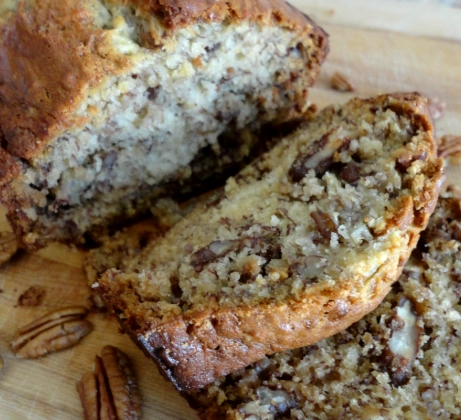
Ingredients: The Foundation of Great Banana Bread
Great banana bread starts with the right ingredients. Don't just toss things in a bowl; understand what each one does. I've seen recipes fail because they use underripe bananas or skimp on fat. Let's break it down.
The Role of Each Ingredient
Bananas are the star—they provide moisture, sweetness, and flavor. Use overripe ones with black spots; if they're not ripe enough, your bread will taste bland. Sugar adds sweetness and helps with browning, but we're not overdoing it. Flour gives structure; all-purpose works best for a tender texture. Eggs bind everything together, and oil (or butter) keeps it moist. Baking soda is the leavening agent, and a pinch of salt enhances all the flavors.
| Ingredient | Quantity | Purpose & Notes |
|---|---|---|
| Very ripe bananas | 3 medium (about 1.5 cups mashed) | Provides natural sweetness and moisture. Black spots are key. |
| All-purpose flour | 2 cups (240g) | Gives structure. Spoon and level to measure accurately. |
| Granulated sugar | 3/4 cup (150g) | Sweetens and aids browning. Can reduce to 1/2 cup if bananas are very sweet. |
| Eggs | 2 large | Bind ingredients and add richness. Room temperature works best. |
| Vegetable oil or melted butter | 1/2 cup (120ml) | Keeps bread moist. Oil yields a tender crumb; butter adds flavor. |
| Baking soda | 1 teaspoon | Leavening agent. Ensure it's fresh for proper rise. |
| Salt | 1/2 teaspoon | Enhances flavors. Don't skip it. |
| Vanilla extract | 1 teaspoon | Adds depth. Pure extract is better than imitation. |
| Optional add-ins | 1 cup walnuts or chocolate chips | Customize to taste. Fold in gently to avoid overmixing. |
A note on flour: I've tested various types, and all-purpose gives the best balance. If you want to go whole wheat, substitute half the amount, but expect a denser loaf. For gluten-free options, use a 1:1 gluten-free flour blend, but add an extra tablespoon of liquid.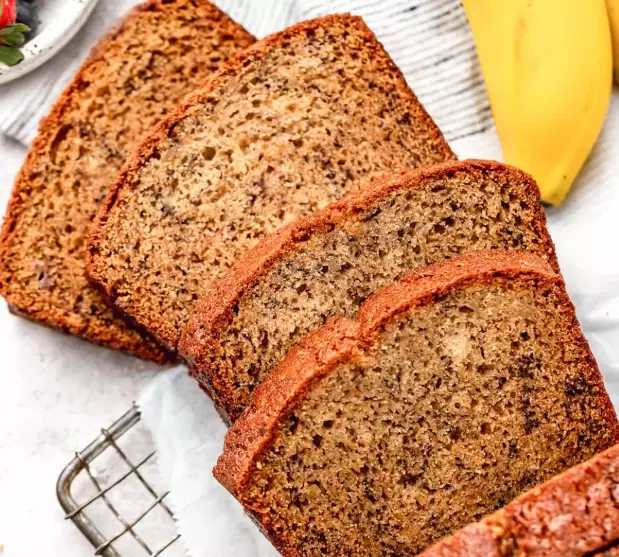
Step-by-Step Instructions for Perfect Banana Bread
Follow these steps closely. Rushing leads to mistakes—I've been there, mixing too vigorously and ending up with tough bread. Take your time.
Preparing the Bananas
Peel your ripe bananas and mash them in a bowl with a fork or potato masher. Don't use a blender; you want a chunky puree with some small lumps for texture. Over-mashing can make the bread gummy. Aim for about 1.5 cups of mashed banana. If your bananas aren't ripe enough, place them in a paper bag with an apple for a day to speed up ripening.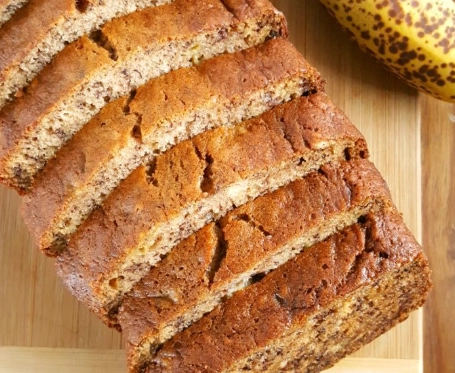
Mixing the Batter
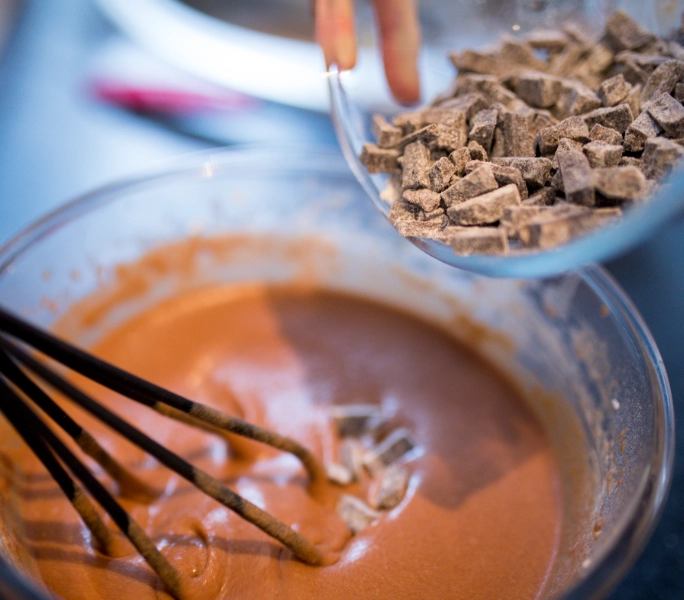
In a large bowl, whisk together the dry ingredients: flour, baking soda, and salt. In another bowl, mix the wet ingredients: mashed bananas, sugar, eggs, oil, and vanilla. Combine wet and dry ingredients with a spatula until just incorporated—overmixing develops gluten and leads to toughness. Fold in any add-ins like nuts or chocolate chips. The batter will be thick and lumpy; that's fine.
Baking and Testing for Doneness
Pour the batter into a greased 9x5-inch loaf pan. Bake at 350°F (175°C) for 55-65 minutes. To test, insert a toothpick into the center; it should come out clean. Don't overbake, or it'll dry out. Let it cool in the pan for 10 minutes, then transfer to a wire rack. This resting period is crucial for texture.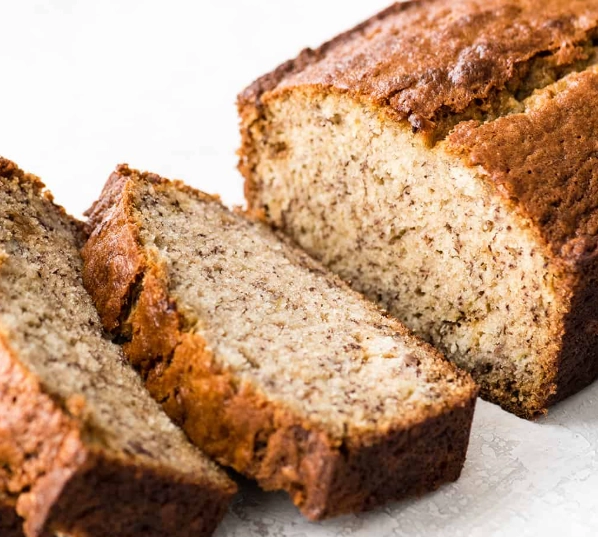
Pro Tip: For extra moisture, add a tablespoon of sour cream or Greek yogurt to the batter. It sounds odd, but it makes a world of difference—my family swears by it now.
Common Banana Bread Problems and Solutions
Even with a great recipe, things can go wrong. Here's how to troubleshoot based on my own blunders.
Dry bread: Usually from overbaking or using too much flour. Measure flour correctly by spooning it into the cup and leveling off. Also, ensure your bananas are ripe enough; underripe ones lack moisture.
Dense texture: Overmixing is the prime culprit. Mix until just combined—no more. Another reason could be old baking soda; check the expiration date.
Soggy middle: This happens if the bread is underbaked or if the bananas were too watery. If your bananas are very juicy, drain excess liquid after mashing.
Crust too hard: Often from baking at too high a temperature. Use an oven thermometer to verify accuracy. Cover with foil halfway through baking if browning too quickly.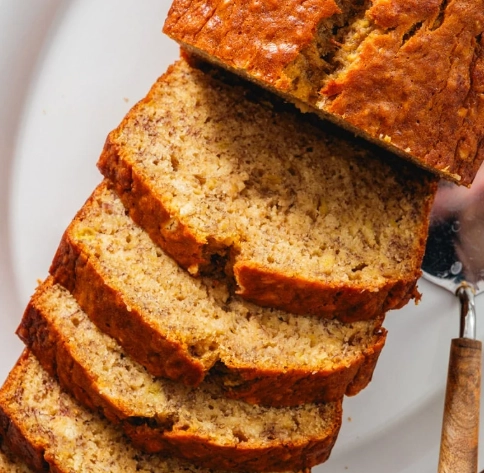
Expert Tips from a Seasoned Baker
After years of baking, I've picked up tricks that most recipes don't mention. These small adjustments elevate your banana bread from good to exceptional.
First, let the batter rest for 20 minutes before baking. This allows the flour to hydrate fully, resulting in a more even crumb. I learned this from a baker friend, and it's a game-changer.
Second, use oil instead of butter if you prioritize moisture. Butter adds flavor, but oil keeps the bread tender for days. For a hybrid approach, use half oil and half melted butter.
Third, don't skip the vanilla extract. It rounds out the banana flavor without overpowering it. If you're feeling adventurous, add a pinch of cinnamon or nutmeg.
Fourth, storage matters. Wrap cooled bread tightly in plastic wrap—air is the enemy of moisture. Freeze slices individually for quick snacks; they thaw in minutes.
Finally, experiment with add-ins. Toasted walnuts add crunch, but chop them finely to avoid sinking. Chocolate chips are a crowd-pleaser, but use dark chocolate for balance.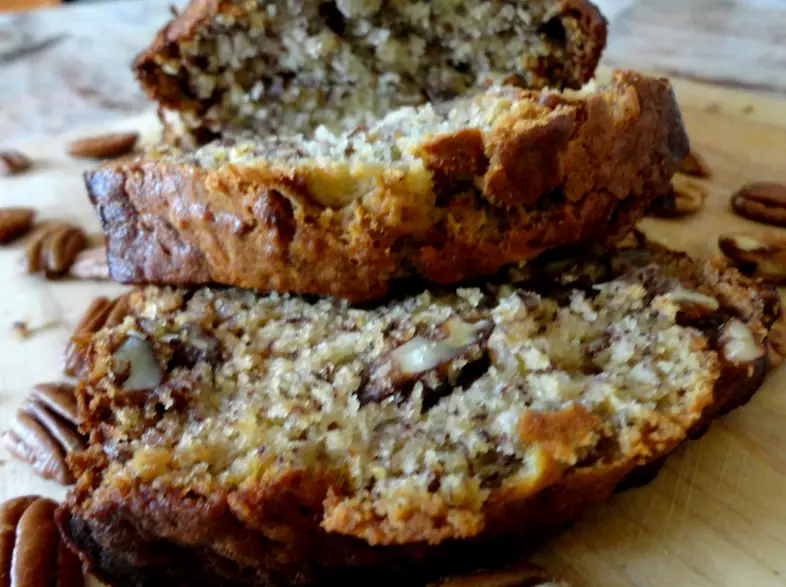
Frequently Asked Questions
Baking banana bread should be fun, not frustrating. With this recipe, you'll get consistent results that are moist, flavorful, and downright delicious. Remember, the key is ripe bananas and gentle mixing. Don't be afraid to tweak things based on your taste—after all, the best banana bread is the one you enjoy most. Happy baking!


Leave a Comment