Quick Navigation
- The Foundation: Where Most Common Baking Mistakes Begin
- The Process Pitfalls: Technique-Based Common Baking Mistakes
- The Oven Itself: Your Most Unpredictable Appliance
- Specific Bakes, Specific Common Baking Mistakes
- Your Baking FAQ: Quick Answers to Nagging Questions
- Putting It All Together: A Baker’s Checklist to Avoid Common Baking Mistakes
Let’s be honest. We’ve all been there. You follow a recipe to the letter, your kitchen smells divine, and then… disappointment. The cake is sunken in the middle. The cookies are one giant, sad puddle. The bread could double as a doorstop. It’s frustrating, and it makes you want to hang up your apron for good.
But here’s the secret: baking isn’t magic. It’s science. And when things go wrong, there’s almost always a specific, fixable reason. The real trick isn’t finding a perfect recipe—it’s understanding the common baking mistakes that trip everyone up, from total newbies to seasoned home bakers on a bad day.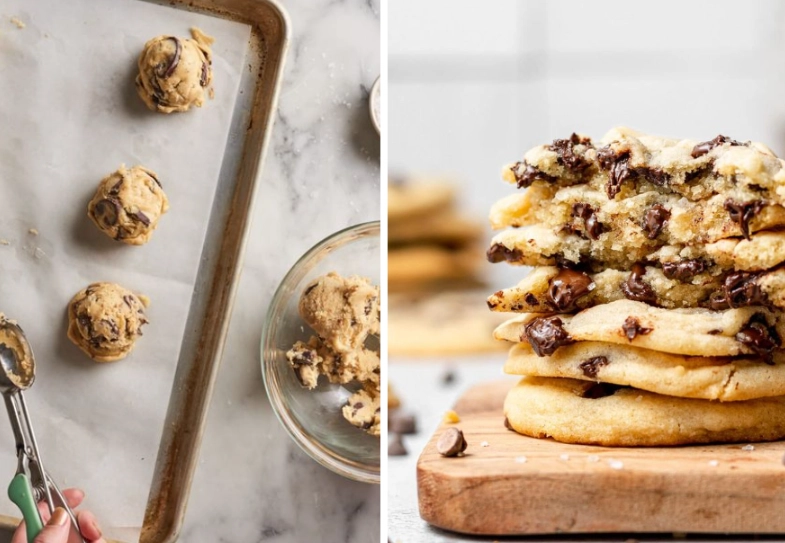
I’ve had my share of failures. I once made a birthday cake so dense, we joked about using it for self-defense. Another time, I created “cookies” that merged into a single, continent-shaped sheet on the pan. These flops taught me more than any success ever did. So, let’s roll up our sleeves and dig into the real reasons things go wrong in the oven. This isn’t about shame; it’s about empowerment. By the end of this, you’ll not only know what to avoid but why it matters, turning those frustrating fails into your personal baking masterclass.
The Core Truth: Baking success hinges on precision and process, not luck. The most common baking mistakes are almost always related to a handful of fundamental missteps.
The Foundation: Where Most Common Baking Mistakes Begin
Think of baking like building a house. If the foundation is off, the whole thing is shaky. In baking, your foundation is your ingredients and how you handle them. Get this part wrong, and nothing else can save you.
The Great Flour Fiasco: Measuring Wrong
This is, hands down, the number one culprit. I’d bet good money it’s behind half of all baking disasters. The problem? That innocent-looking cup of flour. The way you fill it changes everything.
Most people scoop the measuring cup directly into the flour bag, then level it off. This packs the flour in tightly. You can end up with way more flour than the recipe intended—sometimes up to an extra 20-30%! That extra flour sucks up moisture, leading to dry, crumbly, or dense results. Your chocolate chip cookies become rocks. Your muffins turn into hockey pucks.
The Fix: Use the “spoon and level” method. Fluff your flour in its container with a spoon first to aerate it. Then, gently spoon the flour into your measuring cup until it’s heaping. Finally, take the straight edge of a knife and level it off. No tapping, no packing. For ultimate precision, especially in bread or delicate pastries, a kitchen scale is a game-changer. Weighing your flour (120-125 grams per cup for all-purpose is a good standard) eliminates all guesswork. The USDA’s FoodData Central is a fantastic resource if you’re curious about the exact weight of different flours, though for home baking, a standard conversion works fine.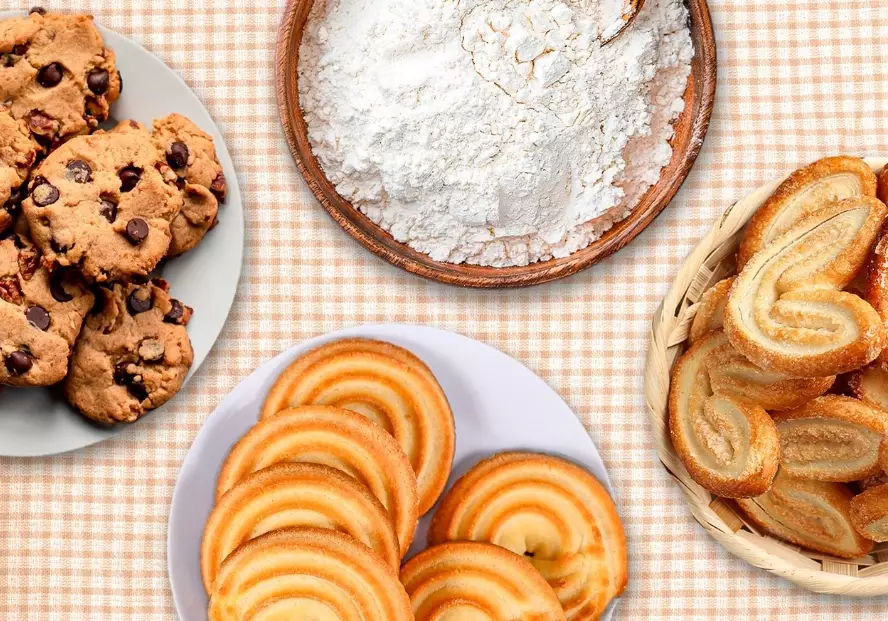
Just switching to spoon-and-level can transform your baking overnight. It’s that simple.
Butter and Eggs: Temperature is Everything
Recipes aren’t being fussy when they say “room temperature” butter and eggs. They’re giving you the key to proper emulsification and air incorporation. Cold butter won’t cream properly with sugar, which means less air and a flatter, denser texture. Cold eggs can cause a creamed butter mixture to “break” or look curdled, leading to a coarse cake crumb.
But “room temperature” doesn’t mean warm or soft. It means about 65-70°F (18-21°C). The butter should be cool to the touch but yield slightly to pressure. A quick fingerprint should leave a slight indent. For eggs, letting them sit in a bowl of warm (not hot) water for 5-10 minutes does the trick.
On the flip side, using melted butter when a recipe calls for softened is another classic error. Melted butter behaves completely differently in the chemistry of a recipe, often leading to greasy, spread-out cookies or a chewy texture where you wanted tender.
Leavening Agents: The Expiry Date Trap
Baking powder and baking soda don’t last forever. They lose their potency over time, especially if not stored tightly sealed in a cool, dry place. If your baked goods aren’t rising, old leaveners are a prime suspect.
Quick Test: For baking soda, put a teaspoon in a small dish and add a splash of vinegar or lemon juice. It should fizz vigorously immediately. For baking powder, put a teaspoon in warm water. It should also bubble up actively. If the reaction is weak or slow, it’s time for a new box. This is a silent, sneaky member of the common baking mistakes club.
The Process Pitfalls: Technique-Based Common Baking Mistakes
Okay, your ingredients are perfect. Now, what you do with them matters just as much. Rushing or misunderstanding these steps is where good intentions go to die.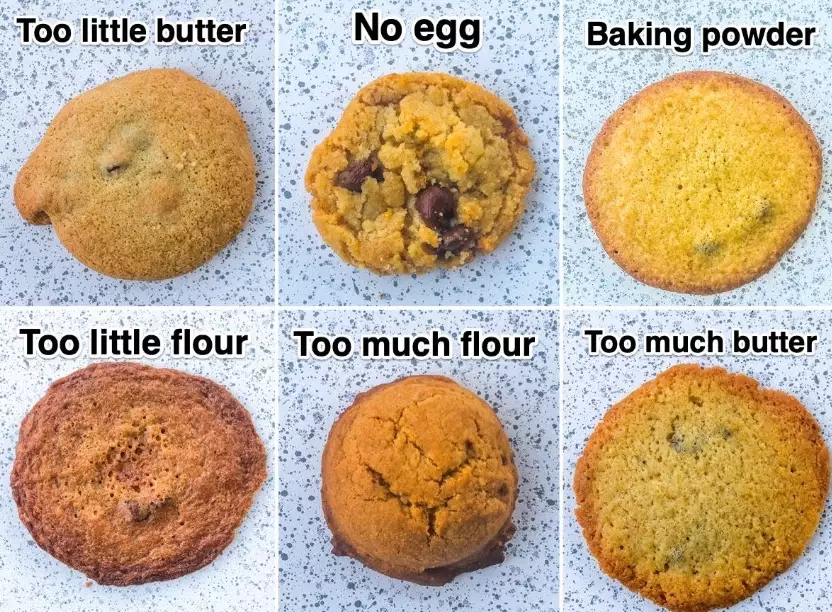
Overmixing: The Tenderness Killer
This is the enemy of tender cakes, muffins, and quick breads. When you mix flour with liquid, you develop gluten—the protein network that gives bread its chew. In cakes, you want minimal gluten for a soft, delicate crumb. Overmixing develops too much gluten, leading to a tough, rubbery, or dense texture.
Once you add the dry ingredients to the wet, switch to a gentle hand. Use a spatula and fold just until the last streaks of flour disappear. A few tiny lumps are infinitely better than a smooth, overworked batter. I have to consciously stop myself sometimes—the urge to make it perfectly smooth is strong, but it’s a trap!
Rule of Thumb: For batters (cakes, muffins), mix minimally after adding flour. For doughs (bread, scones), knead/mix as directed to develop the necessary structure.
Undermixing vs. Overcreaming
It’s a balancing act. While you don’t want to overmix the final batter, you do want to properly cream your butter and sugar at the beginning. This step incorporates air, which is a crucial leavening agent. Cream for a full 2-5 minutes with an electric mixer until the mixture is noticeably lighter in color and fluffy.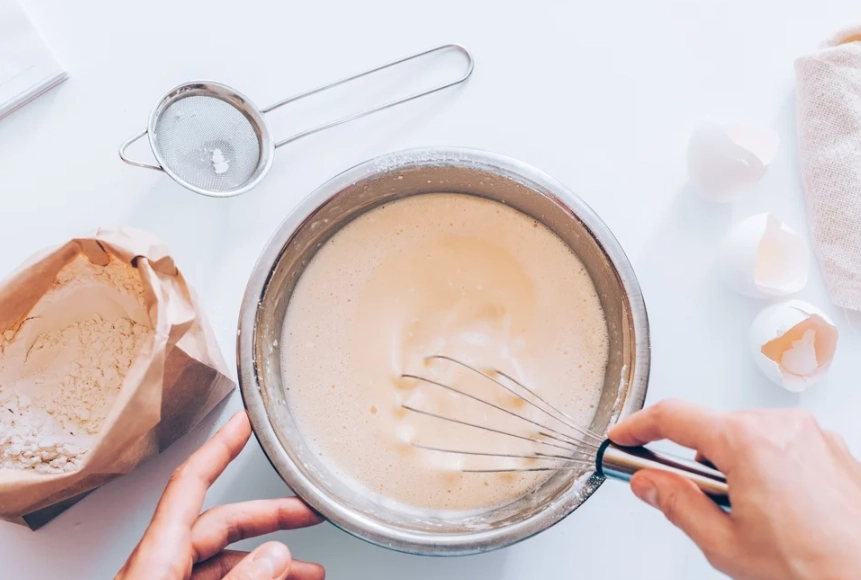
But can you over-cream? Technically, yes, especially with very soft butter. It can incorporate too much air that then collapses in the oven, or it can warm the butter too much. Stick to the “pale and fluffy” visual cue and you’ll be golden.
The Dreaded Peek
I know the temptation. You just want to see how it’s rising! But opening the oven door during the first 75% of baking time is a major no-no. It causes a sudden drop in oven temperature, which can make rising cakes and soufflés collapse. The rush of cooler air can also set the outside of your bake before the inside is done, leading to a sunken middle. Use the oven light and trust the process.
The Oven Itself: Your Most Unpredictable Appliance
This might be the most overlooked factor. We blindly trust that dial. Big mistake.
Oven Temperature Inaccuracy
Most home ovens are liars. They can be off by 25, 50, or even 75 degrees Fahrenheit. If your cookies always burn on the bottom, or your cakes take forever to bake, your oven temp is wrong. An oven that’s too hot will cause over-browning and a dry interior. An oven that’s too cool leads to poor rise, spreading, and a gummy center.
The Essential Tool: A standalone oven thermometer. Put it on the middle rack and preheat for a good 20-30 minutes. Compare the reading to your set temperature. Adjust your dial accordingly for future bakes. The King Arthur Baking Company has excellent, scientifically-tested resources on oven behavior and calibration that are worth a look for the truly dedicated baker.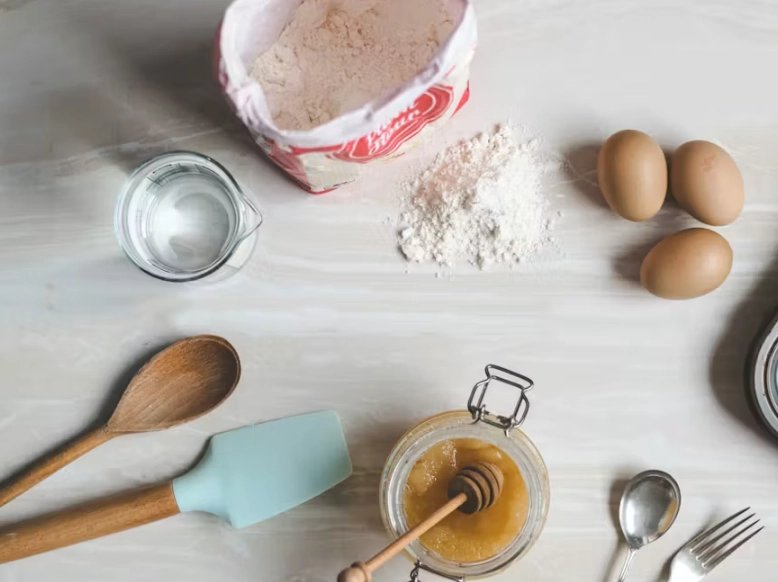
Rack Position and Pan Choice
Baking in the middle of the oven is usually safest for even heat. The top rack can lead to over-browned tops; the bottom rack can scorch bottoms. Also, avoid overcrowding the oven. Good air circulation is key.
Your pan matters, too. Dark, non-stick pans absorb more heat and can cause faster, darker browning (sometimes leading to burnt edges). Shiny, light-colored aluminum pans reflect heat and promote more even baking. Glass or ceramic pans also retain heat differently. If you’re switching pan types, you might need to adjust baking time or lower the temperature by 25°F.
Think your oven is fine? Check it. I was shocked to find mine ran 15 degrees cold. It explained so much.
Specific Bakes, Specific Common Baking Mistakes
Let’s get into the nitty-gritty of particular problems. Why did *your* specific thing fail?
Why Cakes Sink, Dome, or are Dense
- Sinking: Underbaking (the structure hasn’t set), too much leavener (it rises too fast and collapses), opening the oven door too early, or drastic oven temp fluctuations.
- Doming: Often the oven is too hot. The outside sets too quickly, forcing the still-rising batter up through the only available space—the center.
- Dense/Gummy: Overmixing (developing gluten), under-creaming (not enough air), incorrect flour measurement (usually too much), or using cold ingredients.
Why Cookies Spread Too Much or Don’t Spread Enough
- Too Much Spread: Butter was too warm or melted. Dough wasn’t chilled (chilling solidifies the fat so it melts slower in the oven). Baking sheet was still warm from a previous batch. Too much sugar.
- Not Enough Spread/Too Puffy: Butter was too cold. Too much flour (from incorrect measuring). Dough was over-mixed. Not enough sugar or leavening.
Why Bread is Dense or Doesn’t Rise
Yeast baking adds a living element to the list of common baking mistakes.
- Killing the yeast: Using liquid that’s too hot when proofing. Liquid should be warm, around 105-115°F (40-46°C)—comfortable bath water temperature, not scalding.
- Under-proofing: Not letting the dough rise long enough. The dough should roughly double in size and spring back slowly when gently poked.
- Over-proofing: Letting it rise too long. The dough becomes fragile, loses its structure, and can collapse in the oven. It may smell overly alcoholic.
- Incorrect kneading: Not developing enough gluten strength to trap gas (dense bread), or developing too much and tearing the network.
Your Baking FAQ: Quick Answers to Nagging Questions
Putting It All Together: A Baker’s Checklist to Avoid Common Baking Mistakes
Before you even turn on your oven, run through this list. It’s a simple way to sidestep most problems.
- Read the entire recipe first. No surprises.
- Mise en place. Get all your ingredients measured and ready. This prevents frantic mistakes.
- Check your leaveners. Do the fizz test if they’re old.
- Preheat your oven properly (20-30 min) with a thermometer inside.
- Prepare your pans (grease, line with parchment) before you start mixing.
- Measure flour correctly (spoon and level, or weigh).
- Ensure ingredients are at the correct temperature (especially butter and eggs).
- Mix with intention: Cream well, then fold gently once flour is added.
- Resist the peek! Use the oven light until the minimum bake time has passed.
- Test for doneness with a toothpick or thermometer, not just the clock.
- Cool completely as directed (in the pan, on a rack). Cutting into a warm cake releases steam and can make it gummy.
Baking is a skill, not an innate talent. Every failure is data. It’s telling you what to adjust next time. The most common baking mistakes are just stepping stones to becoming a more intuitive, confident baker.
So next time something goes wrong, don’t just toss it. Look at it. Taste it. Think about the texture. Was it dry? Probably too much flour. Was it dense? Maybe you overmixed. Did it spread like crazy? Your butter was likely too soft. This diagnostic process is how you learn. It turns a frustrating afternoon into a valuable lesson.
Now, go preheat that oven (with a thermometer!), spoon and level your flour, and give it another shot. I promise, understanding these principles is more powerful than finding the world’s “perfect” recipe. Happy baking!
Leave a Comment