You pull a loaf from the oven, wait for it to cool, slice into it—and it's dry, crumbly, or just not as soft as you hoped. I've been there. After baking bread for over a decade, I've learned that softness isn't about one magic trick; it's a combination of science, ingredients, and technique. Let's cut to the chase: to make bread softer, you need to focus on hydration, fat content, and gentle handling. But there's more nuance than that. In this guide, I'll walk you through everything from choosing flour to avoiding common pitfalls, so you can achieve that fluffy, tender crumb every time.
Jump to What Matters
The Science Behind Soft Bread
Soft bread comes down to moisture retention and gluten structure. When bread bakes, water turns to steam, creating air pockets. The more steam trapped, the softer the crumb. But if too much moisture escapes during baking or storage, bread hardens. It's a balance.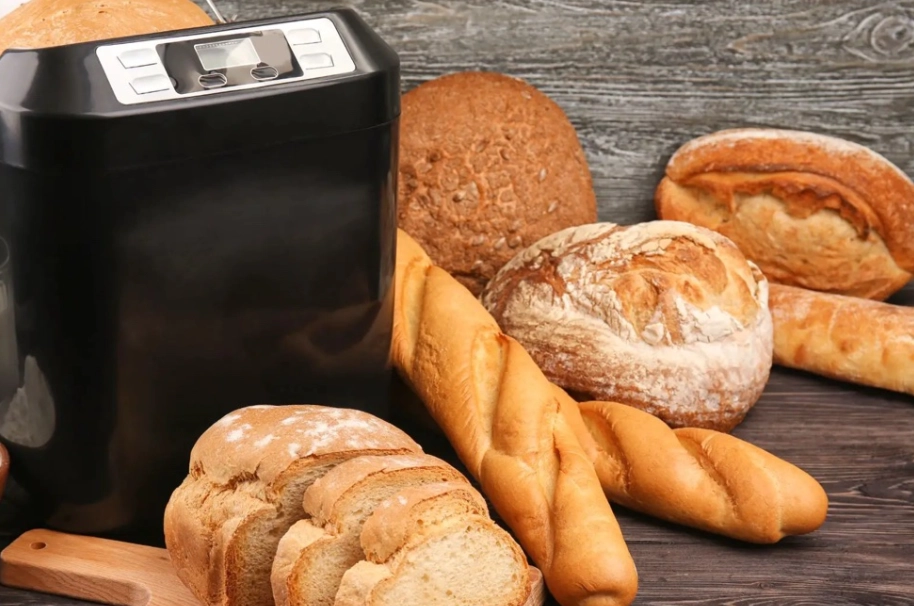
Gluten and Hydration: The Dynamic Duo
Gluten—the protein in flour—gives bread structure. But too much gluten development makes bread chewy and tough. That's why hydration matters. Higher hydration doughs (more water relative to flour) produce a more open, tender crumb. Think of ciabatta: it's soft inside because it's wet dough. For softer sandwich bread, aim for 65-75% hydration. For example, if you use 500g flour, add 325-375g water.
Here's something most recipes don't mention: the type of water affects softness. Hard water with minerals can strengthen gluten, leading to firmer bread. If your tap water is hard, try using filtered or bottled water. I switched to filtered water years ago and noticed my loaves stayed softer longer.
Yeast and Fermentation: The Time Factor
Yeast produces carbon dioxide, which expands the dough. Longer fermentation allows flavors to develop and gluten to relax, contributing to softness. But over-fermentation can collapse the structure. I've seen bakers rush proofing, resulting in dense bread. Let dough rise until doubled, which might take 1-2 hours at room temperature. In cooler kitchens, it could be longer. Patience pays off.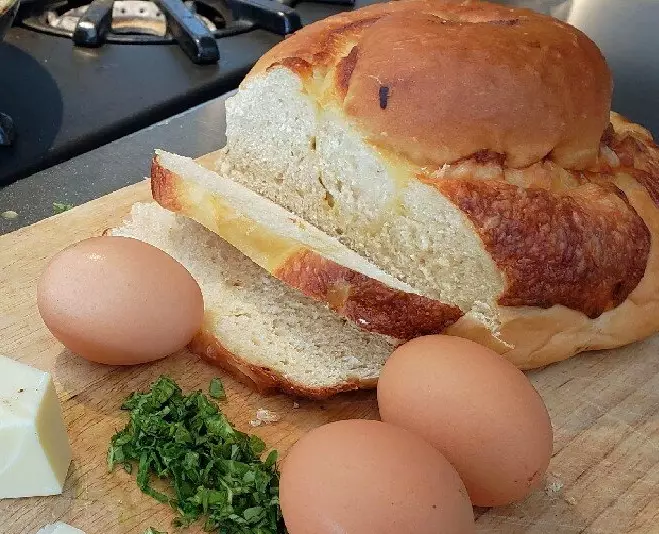
Ingredient Adjustments for Softer Bread
Ingredients are your first line of defense against hard bread. Small changes here make a huge impact.
Flour Choice: Not All Flours Are Equal
All-purpose flour works well for soft bread because it has moderate protein (10-12%). Bread flour has higher protein (12-14%), which can yield a chewier texture if not adjusted. For softer results, use all-purpose or a blend. I often mix 80% all-purpose with 20% cake flour for extra tenderness. Cake flour has lower protein, around 8%, which reduces gluten formation.
Whole wheat flour tends to make denser bread due to bran particles cutting gluten strands. To soften it, add an extra 2-3 tablespoons of water per cup and let the dough rest for 30 minutes before kneading. This autolyse technique hydrates the flour and improves softness.
Liquids: Water, Milk, and Beyond
Water is standard, but milk adds fat and sugar, enhancing softness and browning. Replace water with whole milk for a richer crumb. Buttermilk or yogurt introduce acidity, which tenderizes gluten. I once used buttermilk in a white bread recipe, and the loaf stayed soft for days. Just reduce other liquids slightly since buttermilk is thicker.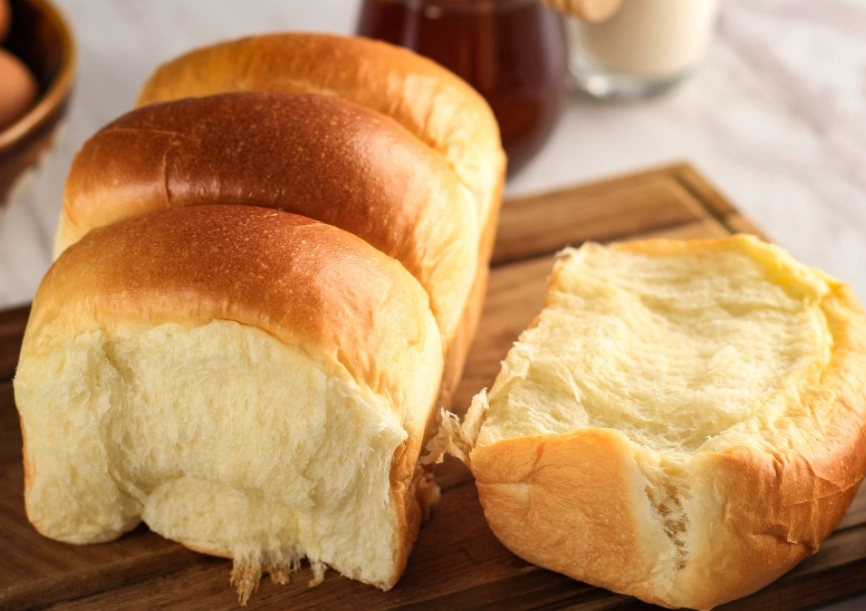
Hydration ratio is critical. For soft bread, I recommend 65-75% hydration. Here's a quick reference:
| Bread Type | Hydration Percentage | Effect on Softness |
|---|---|---|
| Sandwich Bread | 65-70% | Soft, moist crumb |
| Artisan Loaf | 70-75% | Open, tender interior |
| Whole Wheat Bread | 75-80% | Counteracts density |
Fats and Sugars: The Softening Agents
Fats like butter, oil, or shortening coat gluten strands, preventing them from forming a tough network. They also retain moisture. Add 2-4 tablespoons of fat per 3 cups of flour. Sugar attracts water, keeping bread soft. Up to 2 tablespoons per loaf helps, but more can cause over-browning. I avoid margarine; it can leave a waxy texture. Stick to unsalted butter or neutral oils like canola.
Eggs are another secret weapon. They add fat and emulsifiers, yielding a tender crumb. One egg per loaf can make a noticeable difference. In a brioche recipe, eggs give that iconic softness.
Baking Techniques That Make a Difference
How you handle dough before and during baking affects softness more than you might think.
Kneading and Proofing: Gentle Does It
Over-kneading is a common error. It develops too much gluten, leading to tough bread. Knead just until the dough is smooth and elastic, about 8-10 minutes by hand. For softer bread, I sometimes use the stretch-and-fold method instead of traditional kneading: fold the dough every 30 minutes during the first rise. This develops gluten gently.
Proofing temperature matters. Warmer environments (75-80°F) speed up rising but can weaken gluten. Cooler proofing (65-70°F) takes longer but produces better flavor and texture. I proof dough in the oven with the light on—it creates a consistent warm spot.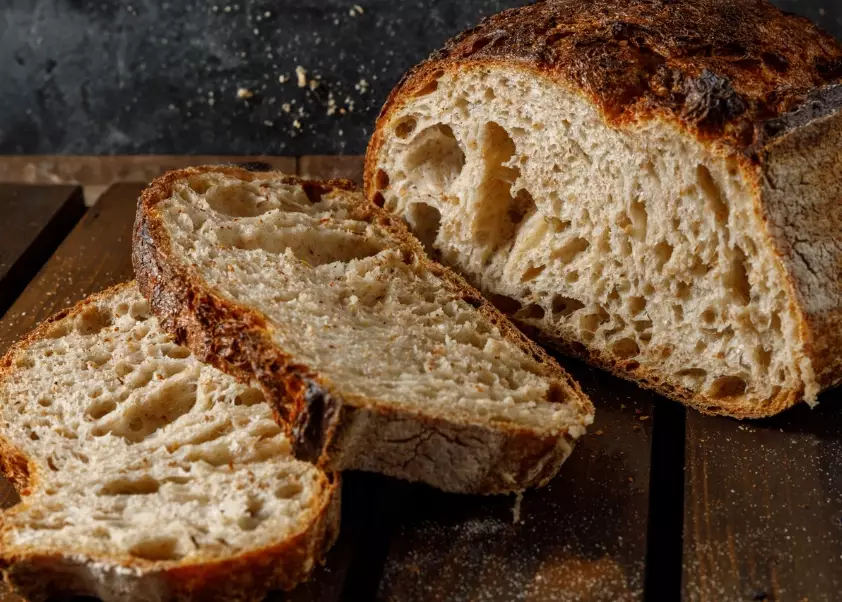
Baking Temperature and Steam
High heat initially sets the crust, but too high can dry out the bread. Start at 400-425°F for 10 minutes, then reduce to 350°F for the remainder. This allows the interior to cook without over-drying.
Steam during baking keeps the crust soft and delays hardening. Professional bakers inject steam, but at home, place a pan of water in the oven or spritz the dough with water before baking. I've tried both; spritzing works well for softer crusts. Just be careful not to wet the dough too much, or it might not brown properly.
Cooling and Storage: The Final Steps
Cool bread completely on a wire rack before slicing. Cutting into hot bread releases steam, making it dry out faster. I know it's tempting, but wait at least an hour.
Storage is crucial. Never store bread in the refrigerator—it accelerates staling. Instead, keep it in a bread box or paper bag at room temperature for 1-2 days. For longer storage, freeze slices in airtight bags. To revive frozen bread, toast it directly from the freezer. Plastic bags trap moisture and make crusts soggy, which some people mistake for softness, but it's actually staleness setting in.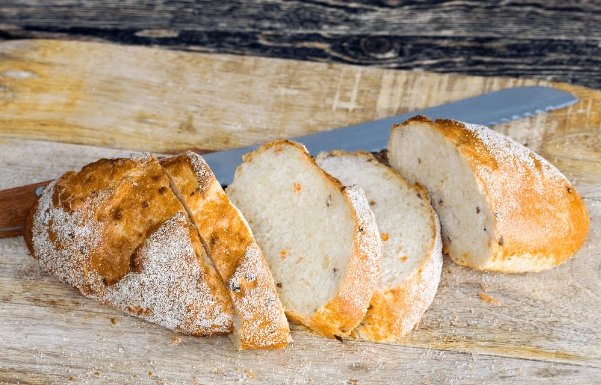
Common Mistakes and How to Fix Them
Let's address errors I've seen repeatedly in home kitchens. These can sabotage softness.
Mistake 1: Measuring flour incorrectly. Scooping flour directly from the bag packs it down, leading to too much flour and dry dough. Use a spoon to fluff flour into a measuring cup, then level it off. Better yet, weigh ingredients. A kitchen scale changed my baking—it ensures consistency. For soft bread, accuracy matters.
Mistake 2: Skipping the second rise. After shaping, let dough proof again. This relaxes gluten and ensures even softness. I've rushed this step and ended up with dense loaves. Give it 30-60 minutes until puffy.
Mistake 3: Baking at one temperature. As mentioned, start high, then lower. If you bake at 350°F the whole time, crust might harden before the interior sets. Adjust based on your oven; mine runs hot, so I drop the temp by 25°F.
Here's a quick fix table for common issues:
| Problem | Likely Cause | Quick Solution |
|---|---|---|
| Bread is too dense | Under-proofing or over-kneading | Extend proofing time, knead less |
| Crumb is dry | Low hydration or over-baking | Increase liquid by 10%, reduce bake time |
| Crust is too hard | Lack of steam or high heat | Add steam, lower oven temp after 10 min |
Expert Tips from a Seasoned Baker
Beyond basics, here are insights from my experience that aren't in every recipe book.
Use tangzhong or roux method: This Asian technique involves cooking a portion of flour and water into a paste before adding to dough. It gelatinizes starch, locking in moisture. I started using it for milk bread, and the softness is incredible. For a standard loaf, mix 50g flour with 250g water, cook until thickened, then cool and add to your recipe. It extends freshness too.
Add mashed potatoes or potato flour: Potatoes retain water beautifully. Replace 10% of flour with mashed potatoes or add 2 tablespoons potato flour. I learned this from an old baker; it gives bread a subtle sweetness and keeps it soft for days. Just adjust hydration slightly since potatoes add moisture.
Control oven spring: That initial rise in the oven affects softness. Score the dough top before baking to allow expansion. If it bursts randomly, the crumb can be uneven. Use a sharp knife or lame for clean cuts.
Experiment with enzymes: Some commercial bakers use dough conditioners like amylase, which breaks down starch into sugars, keeping bread soft. At home, you can add a pinch of diastatic malt powder—available from baking suppliers like King Arthur Flour. It's a natural enzyme that improves softness and browning. I use it in whole grain breads where softness is trickier.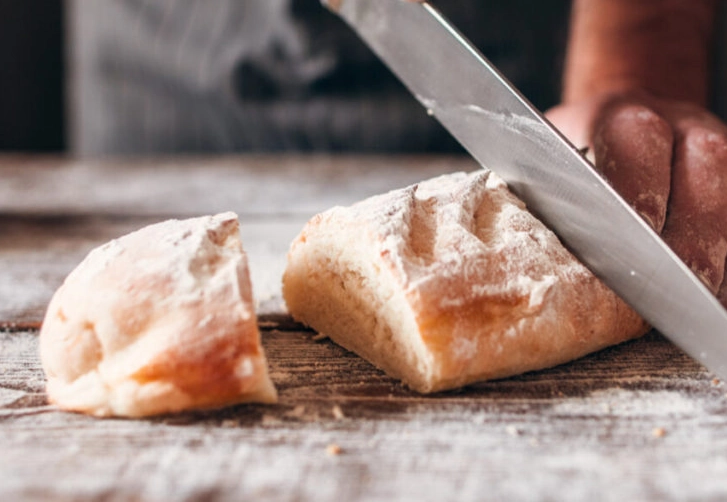
Your Bread Softness Questions Answered
Soft bread isn't a mystery—it's a skill you can master. Start with hydration, tweak ingredients, and handle dough with care. Remember, even failed loaves teach you something. I've had my share of bricks, but each one led to a better technique. Happy baking!



Leave a Comment