You smell them before you see them. That warm, spicy, buttery aroma that promises a gooey, soft, and utterly indulgent treat. Cinnamon rolls feel like a weekend luxury, but their magic isn't a secret—it's a precise combination of ingredients, each playing a critical role. Knowing what goes in isn't just a checklist; it's the key to troubleshooting a dense roll, a bland filling, or a glaze that's too sweet. Let's break down every component, from the foundational dough to the crowning glaze, and I'll share some hard-won lessons from years of baking (and a few failed batches).
What's Inside This Guide?
The Foundation: Dough Ingredients Explained
The dough is everything. Get this wrong, and you have spiced bread. Get it right, and you have clouds layered with cinnamon. Here’s what you need and why.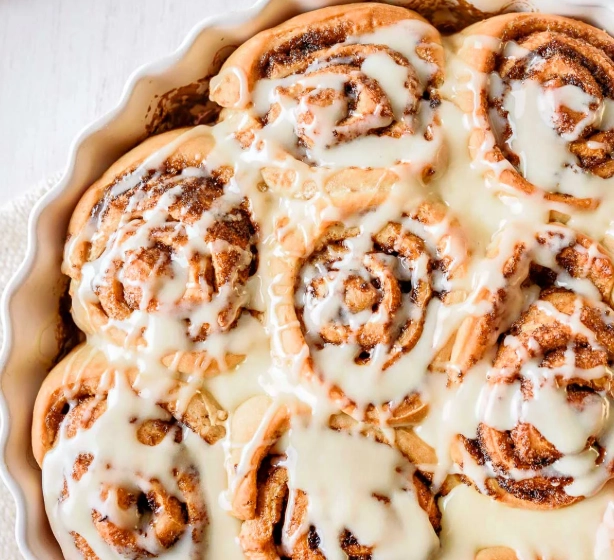
Flour: The Structural Backbone
You want bread flour. All-purpose flour works, but bread flour has a higher protein content (12-14% vs. 10-12%). That extra protein forms more gluten, giving your rolls that chewy, pull-apart texture we all crave. If you only have all-purpose, it's fine, but the crumb will be slightly more tender and less structured. I made this switch years ago and never looked back.
Yeast: The Leavening Agent
Active dry yeast or instant yeast? Instant yeast is my go-to. You can mix it directly with the dry ingredients, no proofing needed. It's more forgiving. Active dry yeast needs to be dissolved in warm liquid first. The temperature of your liquid is crucial—too hot (above 115°F/46°C) kills it; too cold and it stays dormant. Aim for 105-110°F (40-43°C), like warm bathwater. If your dough isn't rising, suspect dead yeast first.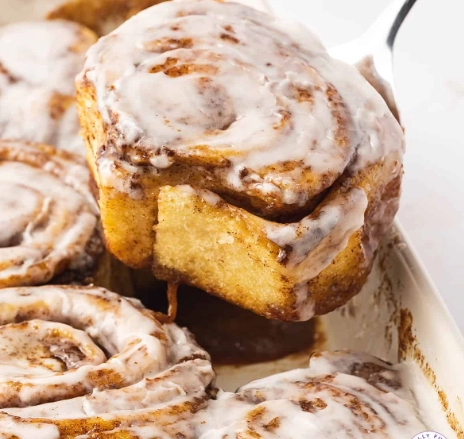
Dairy & Fat: Tenderness and Flavor
Whole milk and unsalted butter are non-negotiable for richness. The milk hydrates the flour and adds flavor, while the butter, when melted into the warm milk, creates an enriched dough that stays soft for days. Some recipes use water, but you lose that luxurious mouthfeel. I once tried substituting with a lower-fat milk, and the rolls tasted…sad. They dried out faster, too.
The Sweetener and Seasoning
Granulated sugar feeds the yeast and adds a hint of sweetness to the dough itself. Salt is the flavor enhancer that balances everything out. Don't skimp. Egg adds richness, color, and helps bind the dough. It's the difference between a good roll and a great one.
| Ingredient | Role in the Dough | Pro Tip / Watch Out For |
|---|---|---|
| Bread Flour | Provides structure & chewy texture. | If using AP flour, expect a slightly softer bite. |
| Instant Yeast | Makes the dough rise and become airy. | Check the expiration date. Store in the fridge or freezer. |
| Whole Milk | Adds richness, tenderness, and flavor. | Warm it gently. Scorched milk ruins the batch. |
| Unsalted Butter | Enriches dough, ensures softness. | Use unsalted to control the salt level in your recipe. |
| Granulated Sugar | Feeds yeast, adds subtle sweetness. | Don't reduce this; yeast needs it to be active. |
| Egg | Adds richness, color, and binding. | Bring to room temp for even mixing. |
| Salt | Balances sweetness, strengthens gluten. | Never let salt touch yeast directly; it can kill it. |
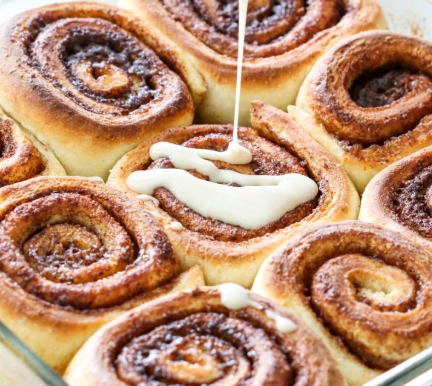
The Heart: Cinnamon Sugar Filling
This is the ooey-gooey center. It seems simple—just cinnamon and sugar, right? Not quite.
Brown Sugar vs. Granulated Sugar
Use brown sugar. Preferably dark brown sugar. The molasses in brown sugar adds a deep, caramel-like flavor and, crucially, moisture. When it bakes, it melts into a sticky, saucy layer. Granulated sugar just melts into a clear, less flavorful syrup. The difference is night and day.
Cinnamon: Quality Matters
Don't use that dusty jar that's been in your cupboard for three years. Cinnamon's volatile oils fade. For the best flavor, buy Ceylon cinnamon (true cinnamon) for a lighter, more complex citrusy note, or a high-quality Cassia cinnamon (what's most common in supermarkets) for that robust, familiar punch. Grind your own from cinnamon sticks if you're feeling fancy. The aroma alone is worth it.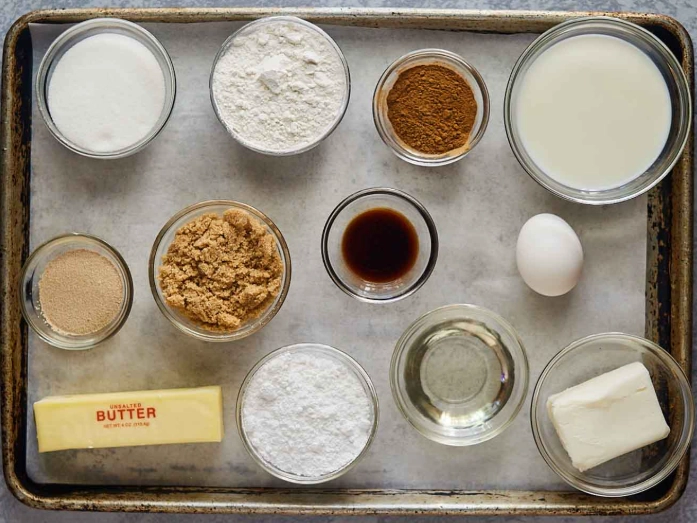
The Secret Weapon: Softened Butter
You'll spread a layer of very soft, almost melted butter on the rolled-out dough before sprinkling the cinnamon sugar. This does two things: it acts as glue to hold the sugar in place, and it creates steam during baking, helping separate the dough layers. Some recipes add a pinch of salt or other spices like nutmeg or cardamom to the filling. A little salt cuts the sweetness beautifully.
The Crown: Cream Cheese Glaze
The final flourish. A simple powdered sugar and milk glaze is fine, but a cream cheese glaze is iconic for a reason.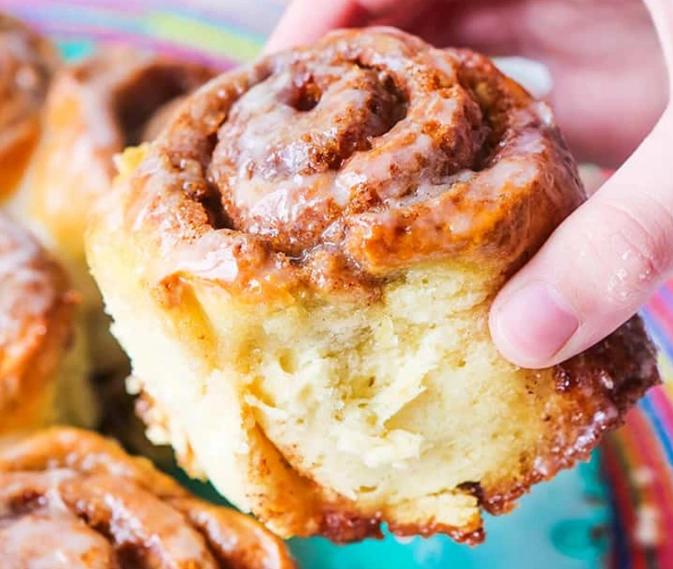
Cream cheese provides a tangy contrast that balances the intense sweetness of the roll. Use full-fat, brick-style cream cheese, not the spreadable kind in a tub (it has stabilizers that can make your glaze thin). Unsalted butter adds shine and richness. Powdered sugar (sift it!) provides sweetness and structure. A splash of milk or cream adjusts consistency, and pure vanilla extract or a tiny bit of lemon juice enhances the flavor.
The key is temperature. Your cream cheese and butter must be at room temperature to blend smoothly into a lump-free glaze. Trying to mix cold cream cheese is a battle you will lose.
How to Assemble and Bake Perfect Cinnamon Rolls
Let's put it all together. Assume your dough has completed its first rise and is doubled in size.
1. Roll it out. On a lightly floured surface, roll the dough into a rough 16x12 inch rectangle. Don't obsess over perfection. If it springs back, let it rest for 5 minutes.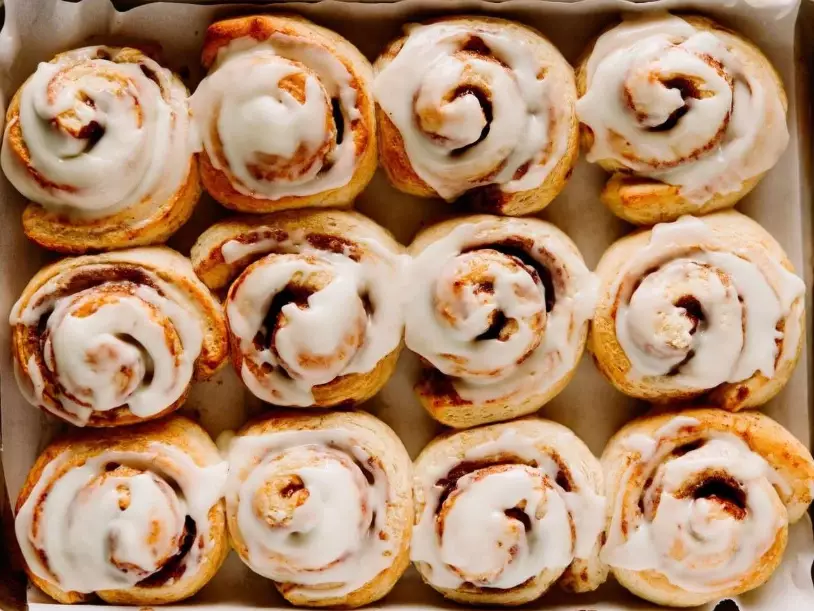
2. Spread the butter. Leave a ½-inch border along one long edge. This will help seal the roll later.
3. Sprinkle the filling. Press the cinnamon-sugar mixture gently into the butter.
4. Roll it up tightly. Start from the long edge opposite the clean border. Use a bench scraper or your hands to roll it as tightly as you can without squeezing out the filling.
5. Slice with dental floss. This is the pro trick. Don't use a knife—it squashes the dough. Slide unflavored dental floss under the roll, cross the ends over the top, and pull. Clean, perfect cuts every time.
6. Second rise. Place the cut rolls in a greased baking dish, cover, and let rise until puffy and nearly doubled, about 45-60 minutes. They should look relaxed and touch each other.
7. Bake. 350°F (175°C) for 22-28 minutes. They're done when golden brown on top and the internal temperature reaches 190°F (88°C). The center roll will look set.
8. Glaze. Let them cool in the pan for 10-15 minutes. They need to set a bit, but glazing while still warm allows it to seep into the layers just a little. Perfection.
Troubleshooting Common Cinnamon Roll Problems
My rolls are dense. (Likely over-measured flour, dead yeast, or under-proofed.)
My filling leaked out everywhere. (Too much butter or sugar, or rolled too loosely.)
The bottoms are burnt. (Used a dark metal pan; try a glass or light-colored pan, or place a baking sheet on the rack below.)
The glaze is runny. (Added too much liquid; add more sifted powdered sugar to thicken.)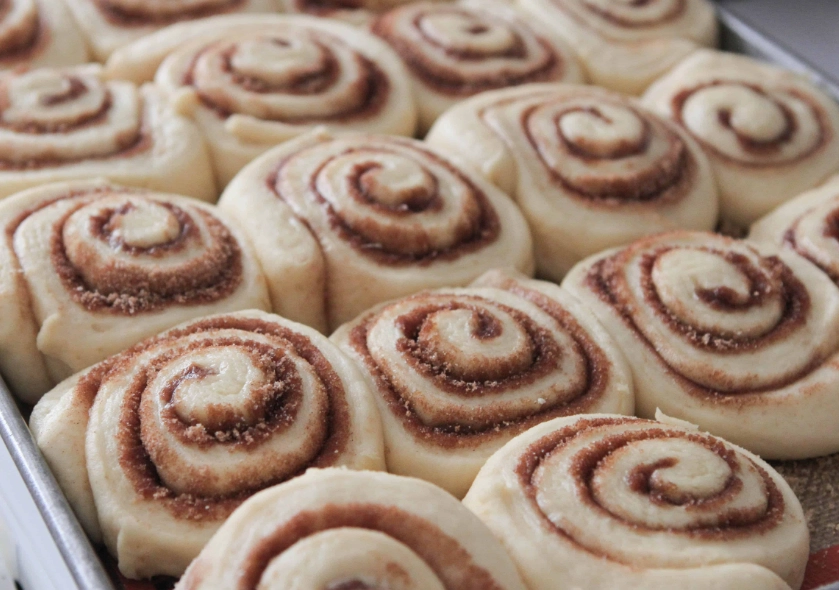
Your Cinnamon Roll Questions Answered
So, there you have it. The ingredients in cinnamon rolls are a symphony, not a solo. Each one—from the high-protein flour to the dark brown sugar and the tangy cream cheese—has a job. Understand their roles, treat them right, and you'll move from hoping your rolls turn out to knowing they will.
A note on measurements: For consistency, this guide uses volume (cups) for accessibility, but professional bakers and enthusiasts swear by weight (grams) for perfect results every time.
Leave a Comment