You reach for the loaf you bought two days ago. It feels like a brick. The crust, once invitingly crisp, now threatens to shatter. The inside? Dry, crumbly, and about as appealing as sawdust. Before you consign it to the compost bin or, worse, the trash, stop. That bread isn't dead—it's just stale. And reviving it is one of the simplest, most satisfying kitchen tricks you can learn.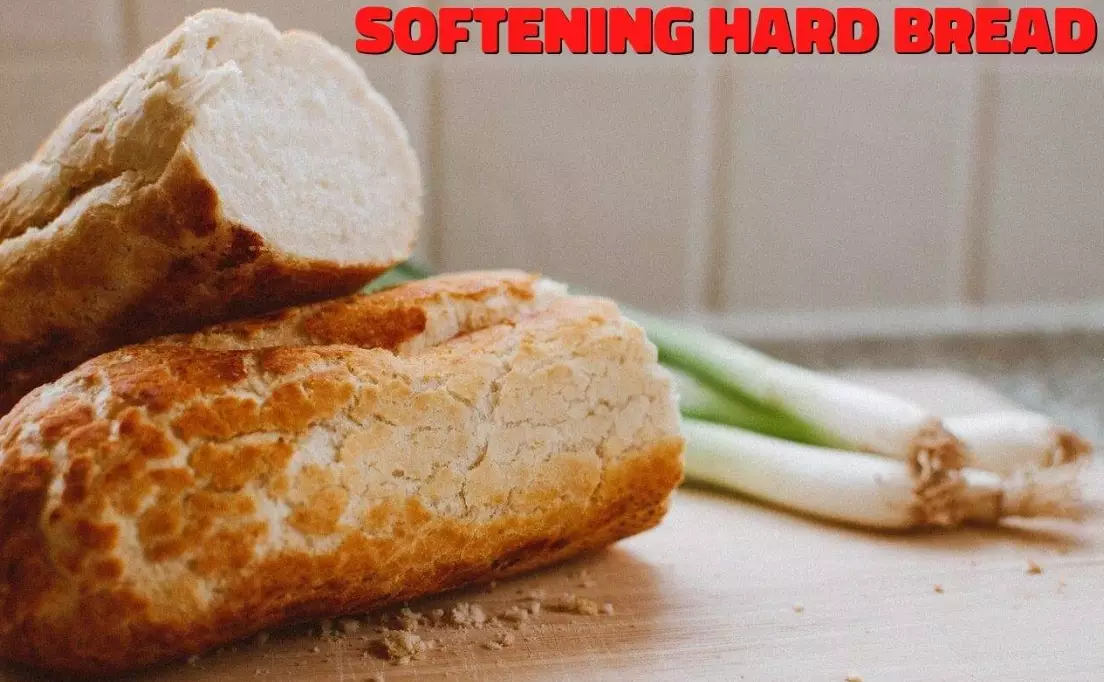
I've baked professionally and at home for over a decade. I've under-proofed, over-baked, and forgotten countless loaves on the counter. The tragedy of wasted bread is real, both for your wallet and your conscience. The good news? Softening hard bread isn't just possible; with the right method, you can bring it back to near-freshness. The secret lies in understanding why it gets hard and then strategically reintroducing moisture and heat.
What's Inside This Guide
The Science Behind the Brick: Why Bread Goes Hard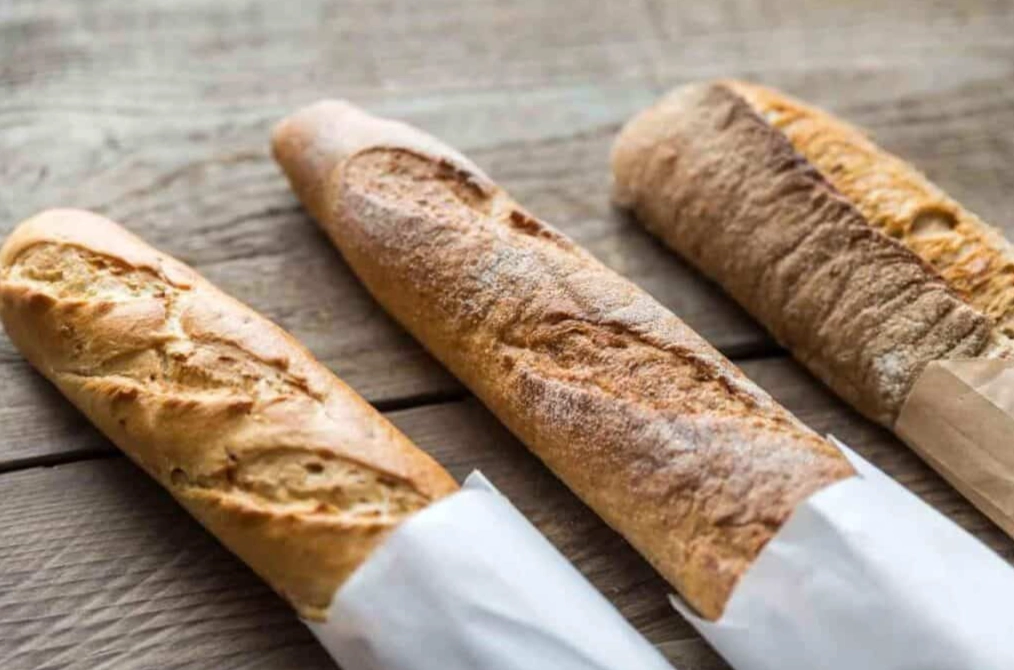
Contrary to popular belief, bread doesn't harden because it "dries out" in the simple sense of water evaporating into the air—at least, not entirely. The primary culprit is a process called retrogradation. When bread is fresh, the starch molecules in the flour are gelatinized and hold water in a nice, soft structure. As it cools and sits, those starch molecules start to recrystallize. They squeeze the water out from between them, pushing it into the gluten network and the crust. This makes the crumb (the inside) dry and firm, while the crust can become leathery or tough.
This is key: to reverse staling, you need to re-gelatinize the starch. That requires two things: moisture and heat. The heat melts the recrystallized starch, and the moisture gives it something to absorb, restoring that soft texture. The trick is applying them without turning your bread into a soggy sponge or ruining the crust.
The Steam Powerhouse Methods (Best Results)
These methods use controlled steam and heat for the most effective revival, especially for crusty artisan loaves, baguettes, and rolls.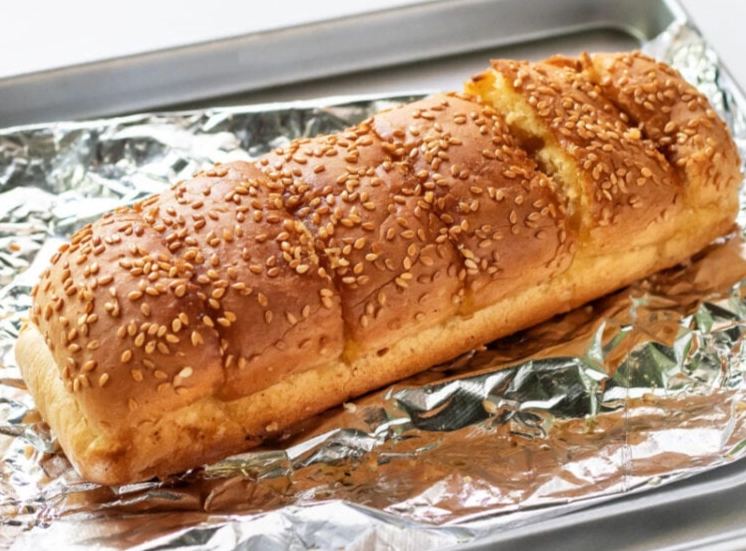
1. The Oven Steam Method (The Gold Standard)
This is my go-to for a reason. It gives you the most control and delivers results closest to fresh-baked bread, particularly for crusty varieties.
How to do it:
- Preheat your oven to 300°F to 350°F (150°C to 175°C). 325°F (163°C) is a sweet spot.
- Lightly run the whole loaf or individual slices under cold water, or sprinkle water using your fingers. You want it damp, not soaking wet. This creates the initial steam.
- Place the bread directly on the oven rack or on a baking sheet. For a whole loaf, you can wrap it loosely in aluminum foil to trap more steam around the crumb, but leave the top open if you want to re-crisp the crust.
- Bake for 5-10 minutes for slices, 10-15 minutes for a whole loaf. Check frequently. You're looking for it to feel soft and heated through.
Why It Works
- Superior texture revival: Best for re-gelatinizing starch.
- Crust control: Can re-crisp a crust if left unwrapped.
- Even heating: Revives the entire loaf uniformly.
Watch Out For
- Time & energy: Uses the oven for a small task.
- Over-drying risk: Baking too long will dehydrate it further.
Personal note: I once tried to revive a sourdough boule at 400°F, thinking "hotter is faster." What I got was a burnt exterior and a still-firm interior. Low and slow is the mantra here. Patience reactivates the starch without shocking the bread.
2. The Stovetop Steamer Method (The Professional's Hack)
If you have a steamer basket or a pasta pot with a colander that fits inside, this is a fantastic and often overlooked technique. It's like a spa treatment for your bread.
How to do it:
- Bring an inch or two of water to a simmer in a pot.
- Place the bread in a steamer basket, ensuring it's not touching the water.
- Cover with a tight lid and steam for 1-2 minutes for slices, 2-4 minutes for a larger piece.
- Remove immediately and let it sit for a minute on a rack. This lets excess surface moisture evaporate, preventing sogginess.
3. The Microwave Method (Fast & Risky)
The microwave is a tool of desperation in my kitchen. It works on the same principle—creating steam—but with zero control. The margin for error is about 5 seconds.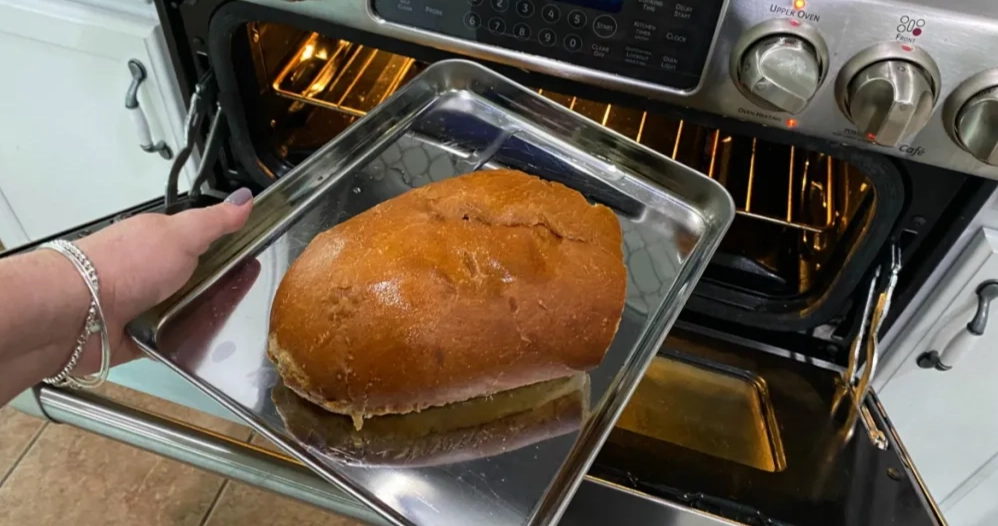
How to do it (if you must):
- Wrap the bread loosely in a barely damp paper towel. The towel provides moisture and prevents the bread from drying out in the microwave's intense heat.
- Microwave on medium power for 10-15 seconds.
- Check. If still hard, continue in 5-second bursts. The moment it feels pliable, stop.
- Let it sit, still wrapped, for a minute to allow the heat and moisture to distribute evenly.
Gentle, No-Heat Methods (Good for Sliced Bread)
Not all revival requires an appliance. These slower methods are perfect for a loaf of sandwich bread you want to use over the next day.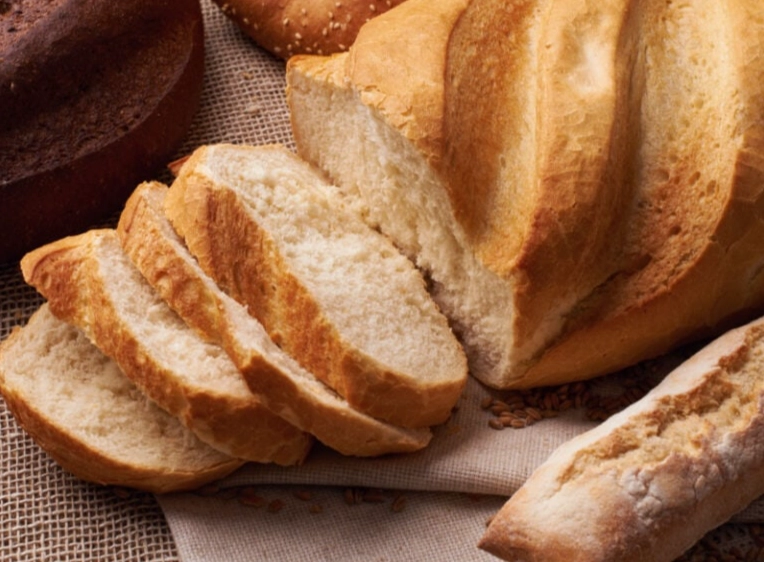
The Damp Towel Technique
This is the old-school method. Wrap the entire loaf tightly in a clean kitchen towel that has been run under water and thoroughly wrung out. Place the wrapped loaf in a paper bag or inside a loose plastic bag (don't seal it). Leave it on the counter for 4-8 hours, or overnight. The moisture from the towel slowly permeates the bread, softening it without heat. It won't taste freshly baked, but it will be perfectly acceptable for sandwiches or toast.
The Original Bag Trick
Sometimes, the solution is already there. If your bread came in a plastic bag, simply put the entire hard loaf back in, squeeze out most of the air, and seal it tightly. The moisture that migrated to the crust during staling will now slowly migrate back into the crumb. Give it 6-12 hours. This works surprisingly well for pre-sliced, soft-crust loaves.
Stop It Before It Starts: Proactive Storage Tips
The best way to deal with hard bread is to prevent it from happening. Storage is everything, and it changes based on your timeline.
- For eating within 2-3 days: For crusty bread (baguettes, sourdough), store it cut-side down on a wooden board or in a bread box. Never refrigerate. The fridge's cold, dry air accelerates starch retrogradation—bread stales up to 6 times faster there. The USDA notes that refrigeration is one of the worst environments for maintaining bread freshness. For soft sandwich bread, its original plastic bag at room temperature is fine.
- For longer storage (1 week+): Freeze it. This is the ultimate pro-tip. Slice the loaf first for convenience. Wrap it tightly in plastic wrap, then in foil or a freezer bag, squeezing out all air. Frozen starch doesn't retrograde. Thaw slices at room temperature or pop them straight into the toaster. The quality loss is minimal.
Think of it this way: the counter is for now, the freezer is for later, and the fridge is for never.
Your Bread Revival Questions, Answered
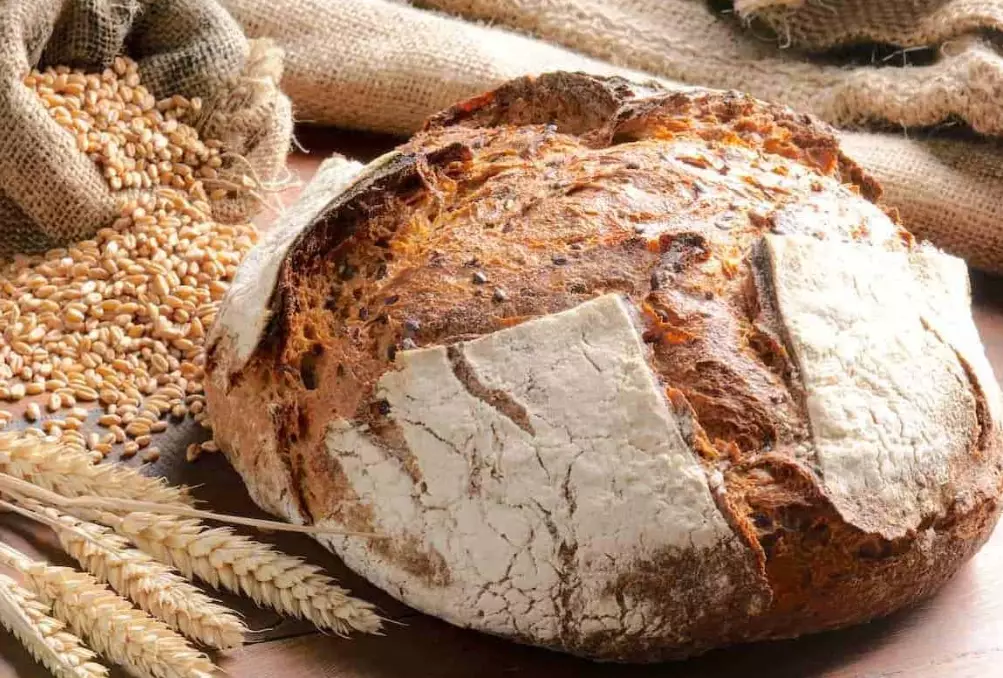 So next time you encounter a loaf that's past its prime, don't despair. See it as an opportunity. With a little water, a bit of heat, and the right method, you can transform that kitchen brick back into something delicious. It saves money, reduces waste, and honestly, pulling a warm, softened loaf from your oven feels like a small victory. Give it a try.





Leave a Comment