Let's cut to the chase. After making what feels like a thousand batches of pizza dough, I've realized most recipes obsess over the wrong things. They argue about 00 flour versus bread flour, active dry versus instant yeast, hand-kneading versus a mixer. But the real secret, the one variable that makes or breaks your homemade pizza dough, is something far simpler and almost never emphasized enough: water temperature and dough temperature management. Get that wrong, and even the best flour won't save you.
This recipe is built around that principle. It's a hybrid—a New York-style chew with a Neapolitan-style tenderness. It works in a standard home oven, doesn't require fancy gear, and, most importantly, it's forgiving. We'll walk through not just the ingredients and steps, but the why behind each one.
What’s Inside This Guide
Essential Ingredients for the Best Pizza Dough
Great pizza dough needs only four core ingredients. The magic is in their quality and proportions.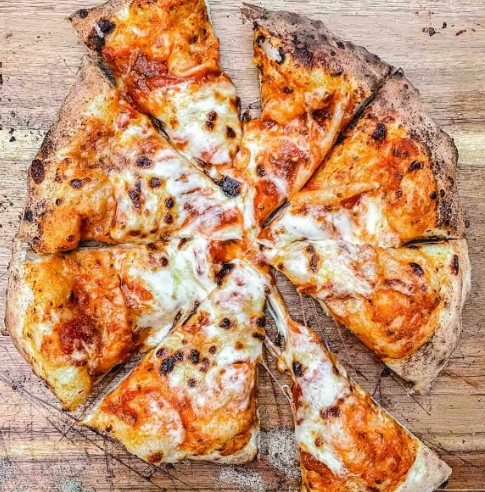
| Ingredient | Role & Why It Matters | My Go-To Choice & Notes |
|---|---|---|
| Flour | Provides structure (gluten) and flavor. Protein content is key. | Bread Flour (12-13% protein). King Arthur is reliable. 00 flour is great for super hot ovens, but bread flour gives better chew in a home oven. All-purpose can work in a pinch, but the crust will be less robust. |
| Water | Hydrates the flour, activates the yeast, and affects gluten development. | Lukewarm water (95°F-105°F / 35°C-40°C). This is non-negotiable for consistent yeast activation. Too cold, and fermentation stalls; too hot, you kill the yeast. I use a digital thermometer every single time. |
| Yeast | The leavening agent. It produces gas (rise) and develops flavor. | Instant Yeast. It's more forgiving and doesn't need to be pre-dissolved. SAF Instant is my favorite. You can use active dry—just use the same weight, not volume. |
| Salt | Strengthens gluten, controls yeast activity, and is the primary flavor enhancer. | Fine Sea Salt or Kosher Salt. Avoid iodized table salt; it can impart a slight chemical taste. Salt is crucial—never skip it. |
The Fifth "Secret" Ingredient: Time. Slow, cold fermentation (24-72 hours in the fridge) is the single biggest upgrade you can make to your pizza dough. It allows enzymes to break down starches and proteins, creating complex flavors and a more digestible, tender-yet-chewy crust. This recipe is designed for it.
Optional (But Highly Recommended) Additions
A tablespoon of olive oil adds tenderness and richness, making the dough easier to stretch. A teaspoon of diastatic malt powder (not the syrup) promotes browning and adds a subtle sweetness, especially useful if your flour isn't malted.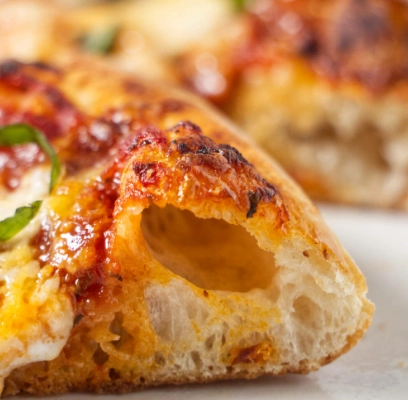
The Step-by-Step Process
Here's the detailed, no-shortcuts method. Total hands-on time is about 20 minutes. The rest is waiting.
1. Mixing & The Autolyse (Rest) Period
Measure 500g of bread flour and 325g of lukewarm water (that's 65% hydration—a sweet spot for manageability and open crumb) into your mixing bowl. Don't add the yeast or salt yet. Mix just until no dry flour remains. It will look shaggy. Cover it and let it sit for 20-30 minutes. This autolyse allows the flour to fully hydrate, making the gluten develop much easier later. You'll feel the difference when you start kneading.
2. Incorporating Yeast, Salt, and Kneading
After the rest, sprinkle 3g of instant yeast and 10g of fine sea salt over the dough. If using oil, add it now. Start mixing with a dough hook on low speed for 2-3 minutes, then increase to medium for another 5-7 minutes. The dough should clean the sides of the bowl and start slapping against it. If kneading by hand, use a stretch-and-fold technique on a lightly oiled surface for about 10 minutes. You're looking for a smooth, slightly tacky (but not sticky) ball. The "windowpane test" is a good goal: stretch a small piece thin enough to see light through without tearing immediately.
Newbie Mistake Alert: Over-kneading is real. Once the dough is smooth and elastic, stop. Kneading too much can tear the gluten network, leading to a tight, tough crust. If the dough feels very tight and resistant, you've probably gone too far.
3. The First Rise (Bulk Fermentation)
Place the dough ball in a lightly oiled container, cover tightly, and let it rise at room temperature (around 70°F/21°C) for 1.5 to 2 hours, or until roughly doubled in size. This is where flavor starts building.
4. Dividing, Shaping, and The Cold Fermentation
This is the game-changer. Gently deflate the dough and divide it into two equal pieces (about 415g each for two 12-inch pizzas). Shape each into a tight ball by tucking the edges underneath. Place each ball into a separate, well-oiled container with enough room to expand. Seal tightly and immediately refrigerate.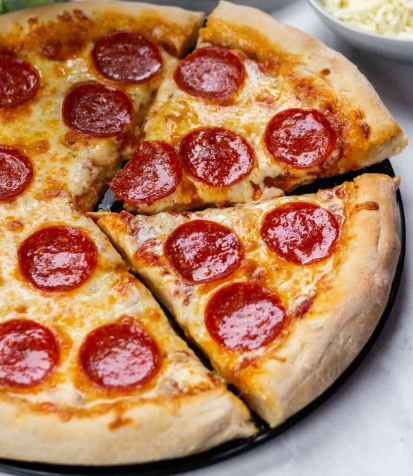
Let it ferment cold for at least 24 hours, and up to 72 hours. The flavor development between day 1 and day 3 is remarkable.
5. The Final Proof
Remove the dough balls from the fridge 2-3 hours before you plan to bake. Let them come to room temperature and puff up slightly. They should feel soft, airy, and relaxed, ready to be stretched without springing back aggressively.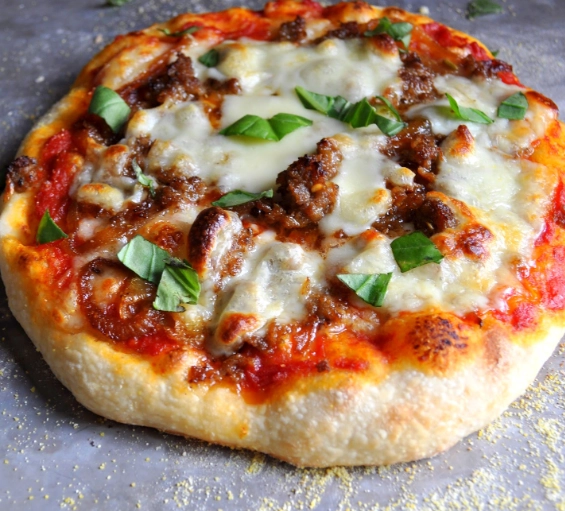
How to Avoid Common Pizza Dough Mistakes
I've messed these up so you don't have to.
- Sticky Dough Panic: Your hands and surface are your best tools. Lightly oil your hands and counter, don't dust with flour immediately. Flour only absorbs into the dough, making it stiffer. A little oil prevents sticking without altering hydration.
- The Dough Won't Stretch/Springs Back: The gluten is too tense. This usually means it's under-proofed or too cold. Let it rest, covered, for another 15-20 minutes. Gluten relaxes with time. Never fight the dough.
- Dense, Gummy Crust: Likely under-baked or the oven wasn't hot enough. Crank your oven as high as it goes (500°F-550°F) with a pizza stone or steel inside for at least an hour before baking. You need that thermal mass for a quick, strong bake.
- No Flavor Despite Long Ferment: Check your salt. Insufficient salt leads to bland, one-dimensional flavor and weak gluten. Also, ensure your yeast is fresh.
Baking & Finishing: From Oven to Table
Your tools matter here. A pizza stone or, better yet, a baking steel preheated for a full hour will mimic a pizza oven's floor. Stretch the dough on a lightly floured surface or on parchment paper. Add your sauce and toppings lightly—overloading is the enemy of a crisp crust.
Slide the pizza onto the hot stone. Bake for 6-10 minutes, rotating halfway, until the crust is puffed and deeply browned with some char spots. Immediately after taking it out, brush the crust edge with a tiny bit of olive oil and sprinkle with flaky sea salt. This elevates it from good to "wow."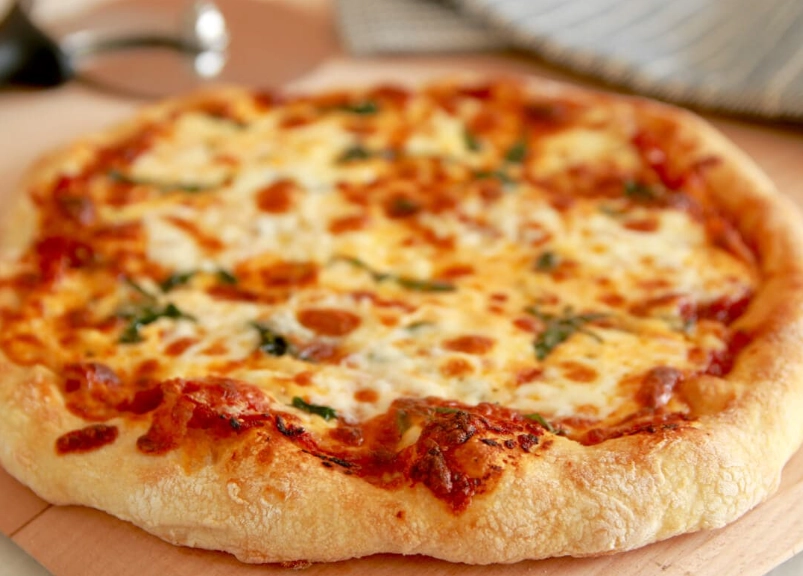




Leave a Comment