In This Guide
- Why Bother Making Homemade Pizza Dough?
- The Foundation: Understanding Your Ingredients
- The Foolproof Step-by-Step Recipe & Method
- Solving Your Homemade Pizza Dough Problems (Troubleshooting)
- Beyond the Basic: Exploring Pizza Dough Variations
- Storing and Freezing Your Dough for Later
- Taking Your Dough to the Next Level: Pro Tips
Let's be honest. The idea of making your own pizza dough from scratch can feel a bit intimidating. I remember my first attempt years ago – it was a sticky, dense disaster that could have doubled as a hockey puck. But you know what? That failure is exactly why I'm writing this. Because once you get past the initial hump, making homemade pizza dough becomes one of the most satisfying kitchen rituals you can have. It's cheaper than delivery, tastes a million times better than anything pre-made, and honestly, it's not that hard. This guide is everything I wish I'd known back then, rolled into one place.
We're going to go deep. This isn't just a recipe card. It's a full breakdown of the why and how, so you can not only follow steps but understand them. That way, you can troubleshoot on the fly and even start tweaking things to make the dough truly yours.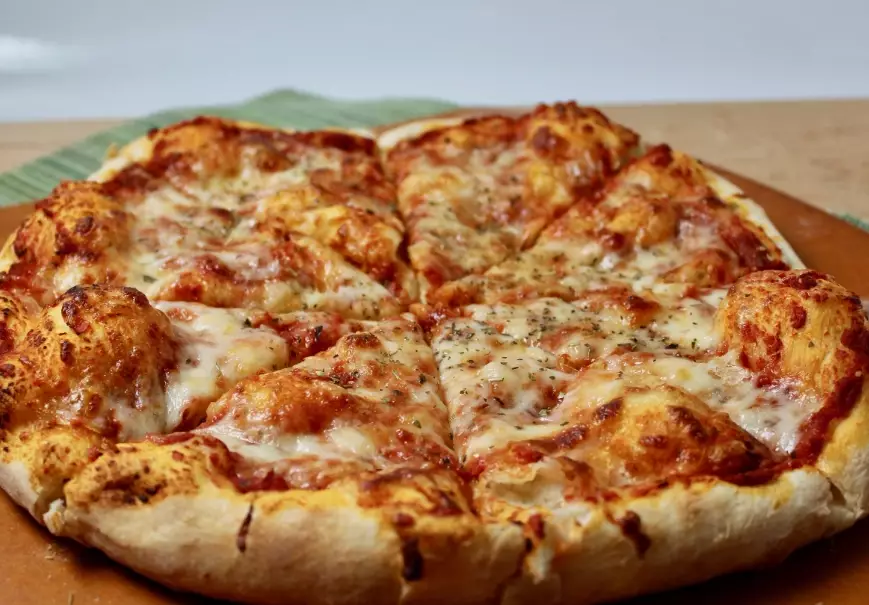
Why Bother Making Homemade Pizza Dough?
You can buy dough balls from the store, right? Sure. But it's never quite the same. When you make your own homemade pizza dough, you have complete control. Control over the ingredients (no weird preservatives), control over the texture (thin and crispy, thick and chewy, or something in between), and control over the flavor. A slow-fermented dough you let sit in the fridge for two days develops a complex, slightly tangy flavor that a commercial dough can't touch. It's the difference between a fast-food burger and a homemade one. Plus, there's a genuine sense of accomplishment. It's a foundational kitchen skill that opens doors to focaccia, calzones, and all sorts of other bread-adjacent delights.
The Foundation: Understanding Your Ingredients
Great homemade pizza dough starts with understanding what each ingredient does. It's not magic; it's simple food science.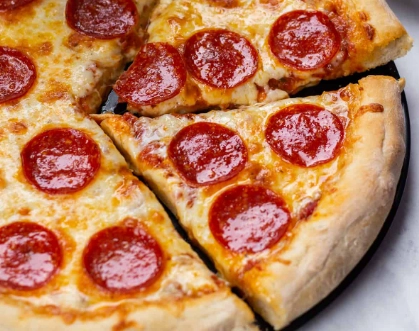
Flour: The Backbone
This is your main event. All-purpose flour works in a pinch, but for a truly great crust with good chew and structure, you want a flour with more protein. The protein (gluten) is what forms the network that traps the gas from the yeast, giving you those lovely air pockets.
- Bread Flour (My top choice): Higher protein content (12-14%) means stronger gluten, leading to a chewier, more structured crust perfect for New York or Neapolitan styles.
- All-Purpose Flour: The versatile workhorse (10-12% protein). It works well and is more forgiving, often resulting in a slightly more tender crust. Good for beginners.
- "00" Flour: A finely-ground Italian flour often used for authentic Neapolitan pizza. It's soft and creates a very tender, delicate crust. It has less protein than bread flour but behaves differently due to the grind. I find it can be trickier for beginners as it absorbs water differently.
The Wheat Foods Council has great resources on the different types of wheat and flour classifications if you want to dive deeper into the science.
Water: The Activator
It's not just H2O. The temperature of your water is crucial. Too hot, and you'll kill your yeast. Too cold, and it'll take forever to rise. Aim for lukewarm, around 105°F to 115°F (40°C to 46°C). Think baby-bottle warm. The water hydrates the flour and activates the yeast.
Yeast: The Engine
This tiny organism eats sugars and produces carbon dioxide gas, making your dough rise. You have options:
- Active Dry Yeast: Needs to be "proofed" or dissolved in warm water with a pinch of sugar before using. It's reliable and widely available.
- Instant Yeast: My go-to. It can be mixed directly into the dry ingredients. It works a bit faster and is more forgiving.
- Fresh Yeast (Cake Yeast): Less common, fantastic flavor, but perishable. It needs to be crumbled and dissolved.
Some purists swear by a natural sourdough starter for their homemade pizza dough, which we'll get to later. For now, instant yeast is your best friend for consistency.
Salt & Sugar: The Flavor Enhancers
Salt is non-negotiable. It tightens the gluten structure, controls yeast activity, and, most importantly, brings out flavor. Without it, your dough will taste bland and flat. Sugar is optional but helpful. It gives the yeast a quick snack to get started and can promote browning. A teaspoon is plenty.
The Foolproof Step-by-Step Recipe & Method
Alright, let's get our hands dirty. This is my workhorse recipe, designed for reliability and great results. It makes enough dough for two 12-inch pizzas.
Classic Homemade Pizza Dough Recipe
- Bread Flour: 500g (about 4 cups, but weighing is better)
- Warm Water: 325ml (about 1 ⅓ cups + 1 tbsp)
- Instant Yeast: 7g (about 2 ¼ tsp, or 1 standard packet)
- Fine Sea Salt: 10g (about 2 tsp)
- Olive Oil: 1 tablespoon (optional, for tenderness)
Step 1: The Mix. In a large bowl, whisk the flour and salt together. If using instant yeast, add it now and whisk it in. Make a well in the center and pour in the warm water (and olive oil, if using). Mix with a wooden spoon or your hands until a shaggy, messy ball forms. No dry flour should remain.
Step 2: The Knead. This is where the magic happens. Turn the dough out onto a lightly floured surface. Knead it. Push it away from you with the heel of your hand, fold it back over, give it a quarter turn, and repeat. You're developing that gluten network. Do this for about 8-10 minutes. The dough will transform from sticky and ragged to smooth, elastic, and slightly tacky. If it's sticking to your hands like glue, add a tiny bit of flour. If it's tearing easily, it might need a few drops of water. You'll feel the change.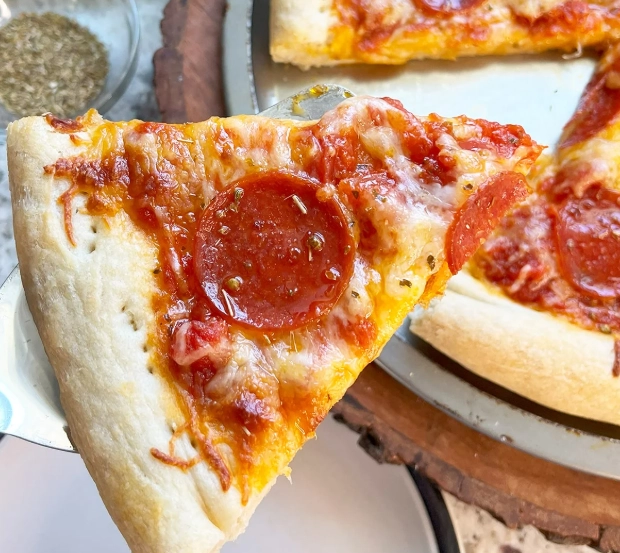
Step 3: The First Rise (Bulk Fermentation). Place your smooth dough ball in a lightly oiled bowl, turning it to coat. Cover the bowl tightly with plastic wrap or a damp towel. Let it rise in a warm, draft-free spot until doubled in size. This usually takes 1 to 1.5 hours. But here's a pro tip: for more flavor, put it in the fridge instead. Let it rise slowly for 24 to 72 hours. The cold ferment develops incredible taste.
Step 4: Divide and Shape. Once risen, gently punch the dough down to release the large air bubbles. Turn it out, divide it into two equal pieces, and shape each into a tight ball by tucking the edges underneath.
Step 5: The Second Rise (Proofing). Place the dough balls on a floured tray or individual containers, cover, and let them rest for another 30-60 minutes. This relaxes the gluten, making the dough much easier to stretch later. You can also refrigerate them at this stage for later use.
Step 6: Stretch, Top, and Bake. Preheat your oven as hot as it will go (500°F/260°C or higher) with a pizza stone or steel inside for at least 45 minutes. Stretch your dough ball into a round, add your toppings lightly (less is more!), and bake until the crust is puffed and charred in spots.
Solving Your Homemade Pizza Dough Problems (Troubleshooting)
Things don't always go perfectly. Here’s how to diagnose and fix common issues.
| Problem | Likely Cause | How to Fix It Next Time |
|---|---|---|
| Dough won't rise | Dead yeast (old or killed by hot water), salt killed yeast, cold environment. | Proof your yeast first to test it. Check water temp. Ensure salt is mixed with flour. Find a warmer spot (like an oven with the light on). |
| Dough is too sticky and unmanageable | Too much water, not enough kneading, high-humidity day. | Add flour a tablespoon at a time during kneading. Knead for the full time to develop gluten. Weigh your ingredients for accuracy. |
| Dough is too tough and dry | Too much flour, over-kneading. | Measure flour by weight, not volume. Add water a teaspoon at a time if dough seems dry during mixing. Knead just until smooth and elastic. |
| Crust is dense and heavy | Dough didn't rise enough, over-proofed and collapsed, toppings were too heavy/wet. | Give it more time to rise. Don't let it proof so long it deflates. Squeeze moisture out of veggies like mushrooms. |
| Crust is pale and soft | Oven not hot enough, no pizza stone/steel, too many wet toppings. | Max out your oven temp. Invest in a baking steel. Preheat for a full hour. Use a light hand with sauce. |
| Dough tears easily when stretching | Gluten isn't developed enough, dough needs more rest after shaping. | Knead more thoroughly. Let the shaped dough ball rest longer (up to 2 hours) to fully relax. |
Beyond the Basic: Exploring Pizza Dough Variations
Once you've mastered the classic, the world is your oyster. Here are some popular twists on the standard homemade pizza dough.
Sourdough Pizza Dough
This is the holy grail for many enthusiasts, myself included. Instead of commercial yeast, you use a bubbly, active sourdough starter. The process is longer (often involving a levain build and an overnight ferment), but the payoff is a crust with incredible depth of flavor, a beautiful chewy-crispy texture, and those signature irregular, blistered air pockets. It's less predictable than yeast dough but more rewarding. You'll need an established starter, which you can make yourself or get from a friend.
Whole Wheat or Multigrain Dough
Want to add some nutty flavor and fiber? Substitute up to half of your bread flour with whole wheat flour. Be warned: whole wheat flour absorbs more water and can make a denser dough. You might need to increase the water slightly and accept a heartier, less airy crust. I like a 70/30 blend of bread to whole wheat for a good balance.
Gluten-Free Pizza Dough
This is a completely different beast, as you're building structure without gluten. It relies on a blend of flours (like rice, tapioca, almond) and binders like xanthan gum or psyllium husk. The texture is more crumbly and cake-like, not chewy. If you're going gluten-free, I highly recommend finding a dedicated recipe rather than trying to adapt a standard one. The Beyond Celiac organization is a great resource for reliable information on gluten-free cooking and baking.
Thin Crust vs. Pan Pizza Dough
For a cracker-thin crust, use less water (a lower hydration dough) and roll it out very thin. For a thick, focaccia-like Detroit or Sicilian pan pizza, you use a higher hydration dough, let it rise right in an oiled pan, and it will create those signature airy holes and crispy, fried bottom edges. It's a different technique but uses the same core ingredients.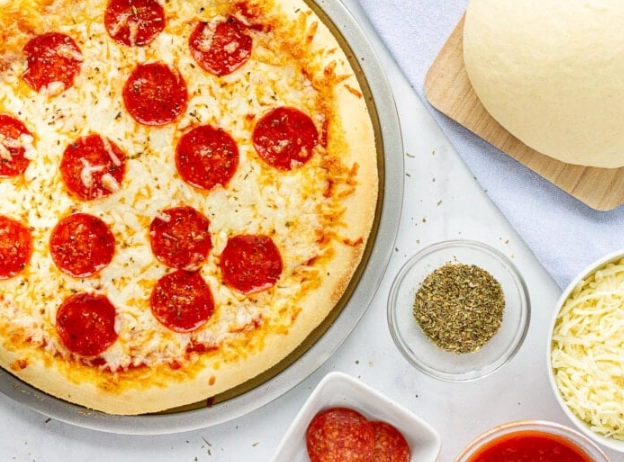
Storing and Freezing Your Dough for Later
Life is busy. The good news is that homemade pizza dough freezes beautifully.
Refrigeration: After the first rise and shaping into balls, you can store dough balls in an airtight container in the fridge for up to 3 days. The cold slows the yeast but doesn't stop it, leading to that great slow-fermented flavor. Let it sit at room temperature for an hour or two before stretching.
Freezing: After shaping into balls, wrap each one tightly in plastic wrap and then place in a freezer bag. It'll keep for up to 3 months. To use, thaw it in the refrigerator overnight, then let it come to room temperature on the counter for a few hours before using. According to the USDA's guidelines on freezing, this is a perfectly safe and effective way to preserve your dough.
Taking Your Dough to the Next Level: Pro Tips
You've got the basics down. Here are some finer points that can elevate your homemade pizza dough from good to "wow."
- Autolyse: This fancy term just means mixing just the flour and water and letting it sit for 20-30 minutes before adding the yeast and salt. It allows the flour to fully hydrate and starts gluten development with minimal kneading. It makes the dough smoother and easier to work with.
- Baking Surface Matters: A pizza stone or, even better, a thick baking steel, is a game-changer. It stores intense heat and transfers it quickly to the dough, creating that instant oven spring and a blistered, crispy bottom. A regular baking sheet just can't compete.
- The Broiler Trick: If your oven doesn't get super hot, try this. Preheat your stone/steel on the highest rack position for an hour. When you launch the pizza, switch the oven to the broiler setting (high). This blasts the top with direct radiant heat, mimicking a pizza oven. Watch it like a hawk—it can burn in seconds.
- Don't Over-sauce: This is the number one topping mistake. A few spoonfuls spread thinly are all you need. Too much sauce makes the center of the dough soggy and prevents a crisp crust.
- Use a Scale: I know I've said it, but it's worth repeating. Flour compaction in a measuring cup can vary wildly. A $20 digital kitchen scale is the single best investment for consistent homemade pizza dough (and baking in general).
So there you have it. The complete, no-BS guide to making incredible pizza dough in your own kitchen. It might take a try or two to get it exactly how you like it, but that's part of the fun. Each batch teaches you something. Start with the classic recipe, get comfortable with the process, and then start playing with hydration, fermentation times, and flours. Before long, you'll have your own signature dough, and the thought of ordering delivery will seem a little silly. Now go get some flour on your hands.



Leave a Comment