What You'll Discover in This Guide
Cookie decorating doesn't have to be complicated. If you've ever stared at a beautifully iced cookie and thought, "I could never do that," I'm here to tell you that you can. With a few simple cookie decorating techniques, even a complete beginner can create stunning results. I've been baking and decorating cookies for over a decade, and I've seen countless people get intimidated by fancy tutorials. Let's cut through the noise and focus on what really works.
The key is starting with the basics. In this guide, I'll walk you through everything from the tools you actually need to the tricks that pros use but rarely talk about. We'll cover royal icing, sprinkles, and buttercream—no fancy equipment required. By the end, you'll be decorating cookies with confidence for holidays, parties, or just a fun afternoon.
Essential Tools for Simple Cookie Decorating
You don't need a kitchen full of gadgets. I made that mistake early on, buying every piping tip and color gel under the sun. Here's what I actually use most often.
A basic set of piping bags is a must. Disposable ones are cheap and save you from cleanup hell. For tips, start with just two: a round tip (like Wilton #3) and a star tip (like Wilton #21). That's it. You can do 90% of simple designs with these.
Color gels are better than liquid food coloring. They don't thin out your icing. AmeriColor and Wilton are reliable brands. Get a small set of primary colors; you can mix them to create any shade.
Sprinkles and sanding sugar add instant charm. Jimmies, nonpareils, and coarse sugar are my go-tos. Store them in small jars for easy access.
Now, here's a tool most people overlook: a small offset spatula. It's perfect for spreading icing smoothly. You can find one for under $10, and it makes a huge difference.
Pro tip: If you're on a budget, use a ziplock bag with a corner snipped off as a piping bag. It works surprisingly well for simple designs.
How to Master Royal Icing Consistency
This is where most beginners fail. Royal icing consistency is everything. Too thick, and it won't spread; too thin, and it runs off the cookie. Let's get it right.
Royal icing is just powdered sugar, meringue powder, and water. Follow the recipe on your meringue powder container—I trust brands like Wilton or CK Products. Mix until stiff peaks form, then thin it out for different uses.
For outlining cookies, you want a stiff consistency. Think toothpaste. It should hold its shape when piped.
For flooding (filling in areas), you need a 10-second consistency. Here's how to test it: lift your spatula and let the icing drip back into the bowl. It should smooth out within 10 seconds. If it takes longer, add a few drops of water. If it's faster, add more powdered sugar.
Most tutorials say to add water slowly, but I've found that using a spray bottle gives you more control. Mist the icing lightly and mix. It prevents over-thinning.
A common mistake is not separating the icing. Divide your batch before coloring. Keep some stiff for outlines and thin the rest for flooding. Trust me, it saves time and frustration.
According to resources from King Arthur Baking Company, proper consistency prevents cracking. If your icing cracks after drying, it was too thick. Aim for that 10-second flow.
3 Simple Cookie Decorating Techniques for Beginners
Let's dive into three techniques that anyone can master. Each one builds on the last, so start with the first and work your way up.
Technique 1: Flooding with Royal Icing
Flooding is the foundation of cookie decorating. It creates a smooth canvas for other designs.
First, outline your cookie with stiff icing using a round tip. Then, fill in with thinned icing. Use a toothpick or offset spatula to spread it to the edges. Don't overwork it—let it flow naturally.
I remember my first flooded cookies; they looked messy because I tried to perfect every spot. The icing self-levels if you get the consistency right. Give it a gentle shake to even out.
Let it dry completely before adding details. This takes about 4-6 hours at room temperature. Rushing leads to smudges.
Technique 2: Using Sprinkles and Sanding Sugar
Sprinkles are the easiest way to add color and texture. No piping skills needed.
While the icing is wet, sprinkle them on. For more control, use your fingers or a small spoon. Tap off the excess.
Sanding sugar works great for a sparkly effect. Dip the cookie in a bowl of sugar or sprinkle it over wet icing. It's perfect for holiday cookies like snowflakes.
Here's a trick: mix different sprinkle shapes for a fun look. Combine jimmies and nonpareils for variety.
Technique 3: Simple Piping with Buttercream
Buttercream is forgiving and delicious. Use it for quick designs.
Whip up a batch of American buttercream: butter, powdered sugar, vanilla, and a pinch of salt. Color it as desired. Pipe dots, lines, or simple flowers with a star tip.
Buttercream sets softer than royal icing, so it's great for cookies that will be eaten soon. Store them in the fridge to keep the shape.
I often use this for kids' parties because it's less fussy. Just pipe and go.
To compare these techniques, here's a quick table:
| Technique | Best For | Drying Time | Difficulty Level |
|---|---|---|---|
| Flooding with Royal Icing | Smooth, detailed designs | 4-6 hours | Medium |
| Using Sprinkles | Quick, colorful accents | 1-2 hours | Easy |
| Piping with Buttercream | Soft, edible decorations | 30 minutes | Easy |
Common Mistakes and How to Avoid Them
We all make mistakes. Here are the big ones I see and how to fix them.
Using too much water in icing. It's tempting to thin it out quickly, but that leads to runny messes. Add water drop by drop. If it gets too thin, mix in more powdered sugar. A spray bottle helps, as I mentioned earlier.
Not letting layers dry. Impatience ruins designs. If you're adding details, wait for the base to crust over. Touch it lightly; if it's tacky but not wet, it's ready.
Overcomplicating designs. Start with simple shapes like circles or stars. Intricate patterns can come later. I once tried to pipe a detailed landscape on my first try—it was a disaster. Keep it simple.
Ignoring cookie texture. Your cookie base matters. Use a recipe that holds its shape, like a sugar cookie from Sally's Baking Addiction. Soft cookies crumble when decorated.
Watch out: Storing decorated cookies in airtight containers too soon traps moisture and makes icing soggy. Let them air-dry for a day first.
Color bleeding is another issue. If you're using multiple colors, let each layer dry completely before adding the next. Darker colors can bleed into light ones if they're wet.
FAQ About Simple Cookie Decorating
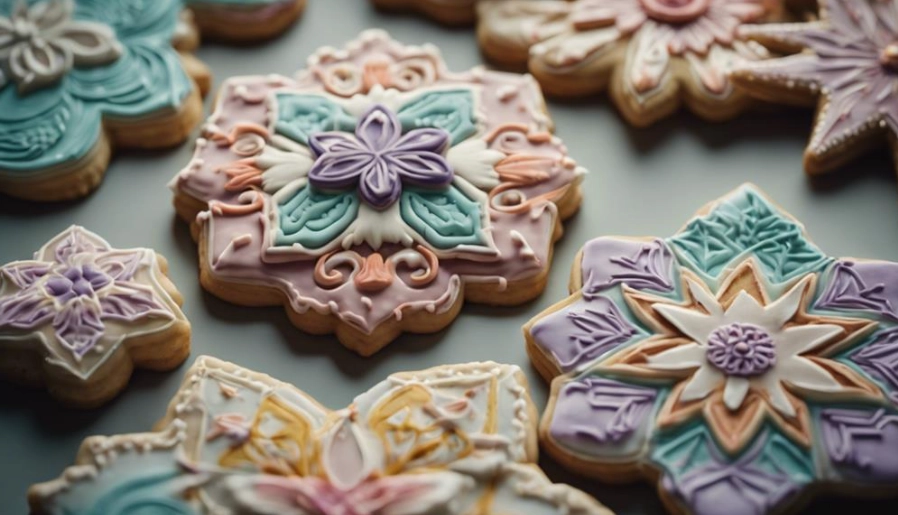 What's the easiest way to decorate cookies with kids?
That's it for simple cookie decorating techniques. Remember, practice makes progress. Start with one technique, get comfortable, and then try the next. Don't compare your first cookies to Instagram posts—those bakers have years of practice. Grab your tools, mix some icing, and have fun. Your cookies will taste great no matter how they look.


Leave a Comment