What You'll Learn in This Guide
I still remember the first time I tried to make Italian pizza dough. It was a disaster—the crust turned out dense and chewy, nothing like the airy, crispy base I'd had in Naples. After years of experimenting (and plenty of failed batches), I've nailed down a recipe that works every time. This isn't just another generic guide; it's based on hands-on experience and insights from Italian baking traditions. Let's dive into how you can make authentic Italian pizza dough at home, without needing a professional oven.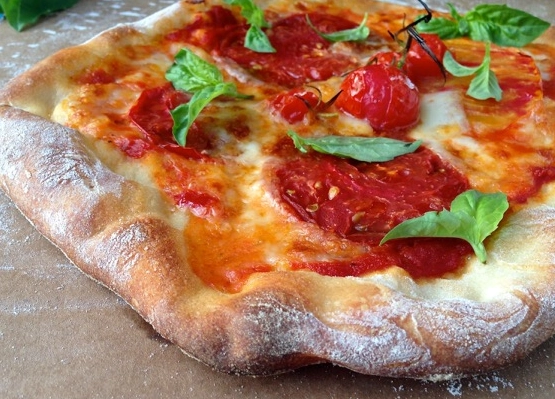
The Essential Ingredients for Italian Pizza Dough
Getting the ingredients right is half the battle. Most recipes list flour, water, yeast, and salt, but the devil's in the details.
Flour Types: 00 vs. All-Purpose
Many home cooks grab all-purpose flour because it's convenient. But for true Italian pizza dough, especially Neapolitan style, tipo 00 flour is key. It's finely milled with a lower protein content (around 11-12%), which gives a tender, elastic crust. All-purpose flour has more protein (12-13%), leading to a chewier texture—great for New York-style pizza, but not authentic Italian. If you can't find 00 flour, a blend of all-purpose and bread flour (like 70% all-purpose, 30% bread flour) works as a substitute, but it won't be the same.
Pro tip: Don't obsess over brand names. I've used Caputo 00 flour for years, but local millers often produce excellent alternatives. Check the protein percentage on the bag; aim for 11-12% for that classic Neapolitan feel.
Yeast and Water: The Key to Fermentation
Yeast is where things get interesting. Fresh yeast is traditional, but active dry yeast is easier to find. Use about half the amount of dry yeast compared to fresh (e.g., 2g dry vs. 4g fresh for 500g flour). Water temperature matters more than you think. Luke-warm water (around 95°F or 35°C) activates the yeast without killing it. Too hot, and you'll ruin the fermentation; too cold, and it'll take forever.
Salt? Use sea salt or fine table salt. I prefer sea salt for its subtle minerality, but any salt works as long as it's not iodized—iodine can inhibit yeast activity. A common mistake is adding salt directly to yeast; mix it with the flour first to avoid contact.
Step-by-Step Guide to Making Pizza Dough
Here's my go-to method, refined over countless batches. It's simple but requires patience.
Mixing and Kneading Techniques
Start by dissolving the yeast in warm water with a pinch of sugar (optional, but it helps kickstart fermentation). In a large bowl, combine the flour and salt. Pour in the yeast mixture and mix until a shaggy dough forms. Now, kneading. You don't need a stand mixer; hand-kneading works fine. Knead for about 10-15 minutes until the dough is smooth and elastic. A trick I learned from an Italian baker: if the dough sticks to your hands, wet them slightly instead of adding more flour. This keeps the hydration consistent.
Hydration ratio is crucial. For Italian pizza dough, aim for 60-65% hydration (water weight divided by flour weight). For 500g flour, that's 300-325ml water. Higher hydration (70%+) makes a more open crumb, but it's trickier to handle. Stick to 65% for beginners.
Proofing: Time and Temperature
This is where most people rush. After kneading, shape the dough into a ball, place it in an oiled bowl, cover with plastic wrap, and let it rise. Room temperature proofing (around 70°F or 21°C) takes 8-12 hours for a slow fermentation that develops flavor. If you're short on time, a warm spot (85°F) can cut it to 4-6 hours, but the crust won't be as flavorful.
I often do a cold ferment in the fridge for 24-72 hours. It deepens the taste and improves texture. Just take it out an hour before shaping to let it come to room temperature.
| Proofing Method | Time | Result | Best For |
|---|---|---|---|
| Room Temperature | 8-12 hours | Good flavor, airy crust | Same-day baking |
| Warm Spot | 4-6 hours | Faster rise, milder taste | Quick meals |
| Cold Ferment (Fridge) | 24-72 hours | Deep flavor, chewier texture | Advanced bakers |
After the first rise, divide the dough into balls (about 250g each for 12-inch pizzas). Let them rest covered for another 1-2 hours. This second proof relaxes the gluten, making stretching easier.
Common Mistakes and How to Avoid Them
I've made these errors so you don't have to. Let's break them down.
Over-kneading and Under-proofing
Over-kneading develops too much gluten, resulting in a tough crust. Knead just until smooth—if you poke the dough and it springs back slowly, it's ready. Under-proofing is worse. If the dough hasn't doubled in size, it'll be dense. Be patient; fermentation isn't a race. A telltale sign: if the dough tears easily when stretching, it needs more proofing time.
Handling the Dough: Stretching vs. Rolling
Never use a rolling pin for Italian pizza dough. It squashes the air bubbles, leading to a flat crust. Instead, stretch it by hand. Start from the center and work outwards, using your knuckles to gently pull the dough. If it resists, let it rest for 5 minutes—the gluten is too tight. I learned this the hard way after ruining a batch by forcing it.
Another subtle error: adding too much flour during shaping. A light dusting of semolina or rice flour prevents sticking without absorbing into the dough. Wheat flour can make the crust dry.
Baking Your Pizza: Oven Tips and Tricks
Baking is the final hurdle. Most home ovens max out at 500°F (260°C), but traditional Neapolitan pizza needs 800°F (430°C) or higher. Don't worry; you can adapt.
Home Oven vs. Pizza Oven
For a home oven, preheat it as high as possible (500°F) with a pizza stone or steel inside for at least an hour. The stone retains heat, mimicking a pizza oven floor. If you don't have one, an inverted baking sheet works in a pinch. I've used a cast-iron skillet too—just preheat it on the stovetop first.
Pizza ovens like Ooni or Gozney are fantastic but expensive. They reach high temperatures quickly, giving that charred, blistered crust in 60-90 seconds. For most home cooks, a well-preheated oven with a stone is sufficient.
Achieving the Perfect Crust
Slide the stretched dough onto a peel dusted with semolina, add toppings lightly (too many weigh it down), and transfer to the hot stone. Bake for 5-7 minutes until the crust is golden and bubbly. For extra crispiness, broil for the last minute. A trick from the Associazione Verace Pizza Napoletana: rotate the pizza halfway through for even baking.
Let it cool for a minute before slicing—this prevents the toppings from sliding off. The crust should be crisp on the outside, soft and airy inside. If it's soggy, your oven wasn't hot enough, or the dough was too wet.
Frequently Asked Questions (FAQ)
Making authentic Italian pizza dough is a journey, not a destination. It took me years to get it right, but the joy of pulling a perfectly blistered pizza from the oven is worth every failed attempt. Start with this recipe, tweak it based on your preferences, and don't be afraid to experiment. Remember, even in Italy, every nonna has her own secret twist. Happy baking!

Leave a Comment