Quick Guide
- First Things First: How Many Calories Are Actually in Sourdough?
- Beyond the Calorie Count: The Nutrition That Comes With It
- Sourdough vs. The World: How Its Calories Stack Up
- Sourdough, Calories, and Weight Management: Can You Have Your Bread and Eat It Too?
- Your Sourdough Calorie Questions, Answered (The FAQ)
- Final Thoughts: It's About the Loaf, Not Just the Number
Let's be honest. You're here because you love sourdough – that tangy, chewy, impossibly satisfying bread – but you're also keeping an eye on what you eat. Maybe you're counting calories, maybe you're just curious, or maybe you've heard conflicting things and want the straight story. I get it. I've been there too, standing in the bakery aisle, turning a loaf over in my hands, squinting at the tiny print and wondering, "Just how many sourdough bread calories are we talking about here?"
The short answer? It's complicated, but in a good way. The calorie count isn't some scary, diet-blowing number. In fact, understanding sourdough bread calories is the first step to seeing why this bread might just be a smarter choice than you think. We're not just talking about a number here. We're talking about how your body uses those calories, what comes with them, and how a simple slice fits into your whole day.
So, grab a cup of coffee (or tea), and let's dive in. No fluff, no scary science jargon – just a clear, practical breakdown from one bread lover to another.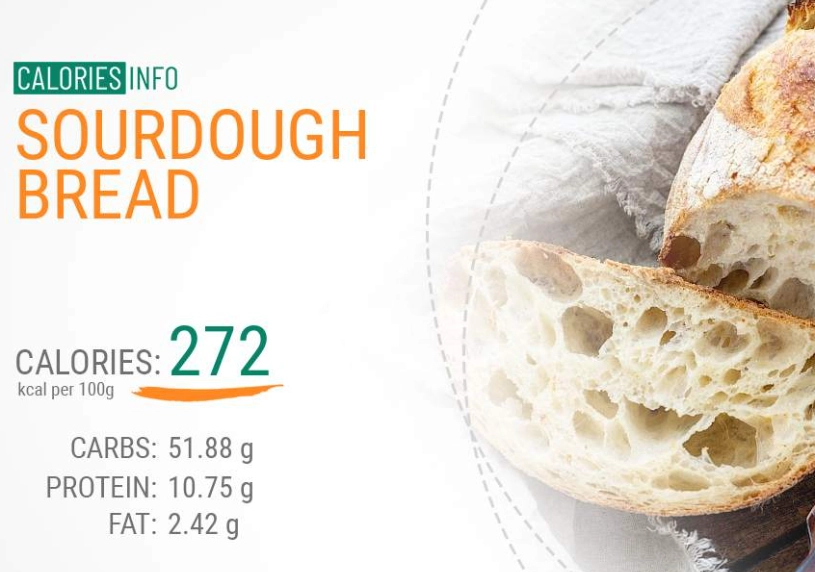
First Things First: How Many Calories Are Actually in Sourdough?
Okay, let's cut to the chase. You want numbers. I promised them, so here they are.
The most common figure you'll see thrown around is based on data from the USDA FoodData Central, which is basically the gold standard for this stuff. For a standard, commercially produced sourdough bread (think the kind you get pre-sliced at a big grocery store), you're looking at roughly:
- 80 to 100 calories for a medium slice (about 28-30 grams).
- 160 to 200 calories for a two-slice serving (a typical sandwich).
See? Not so terrifying.
But here's where it gets interesting, and where most generic articles stop. That range exists for a reason. The exact calories in sourdough bread depend on a few key things:
- The Flour: Is it 100% white bread flour? A mix with whole wheat? Rye? Whole grain flours add a bit more fiber and nutrients, and can slightly alter the calorie density.
- The Recipe & Hydration: A wetter, more hydrated dough (higher hydration) often results in a more open crumb and, surprisingly, can sometimes mean slightly fewer calories per gram because of the higher water content. A denser, packed loaf will have more.
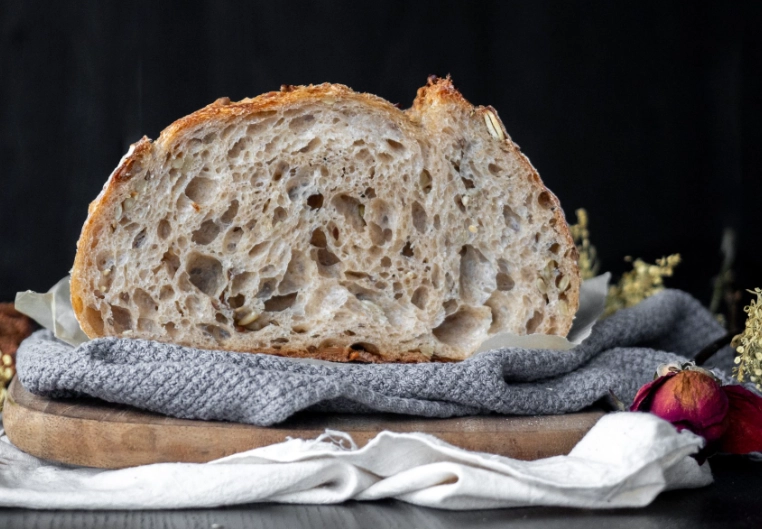
- The Size of the Slice: This is the biggest variable. My "medium slice" might be your "generous cut." A thick, hearty slice from an artisan boule can easily weigh 50 grams or more, pushing the calorie count toward 150-180 for a single slice. This is why weighing your bread, at least once, isn't a crazy idea if you're being precise.
- Add-ins: Seeds (sunflower, pumpkin, flax), nuts, olives, cheese, dried fruit – these are delicious but are absolute calorie game-changers. A seeded sourdough can jump up by 20-30 calories per slice.
My Personal Reality Check: I once bought a gorgeous, crusty sourdough loaf from a local farmer's market. I sliced it thick, toasted it, slathered on avocado – it was heaven. Out of curiosity, I weighed a slice. 62 grams. That one slice was pushing 180 calories before I put a single thing on it. It was a wake-up call about portion size, not about the bread being "bad." The bread was incredible. I just needed to adjust my mental picture of a "serving."
Commercial vs. Homemade vs. Artisan Bakery: The Calorie Spectrum
Not all sourdough is created equal, and the sourdough bread calories reflect that.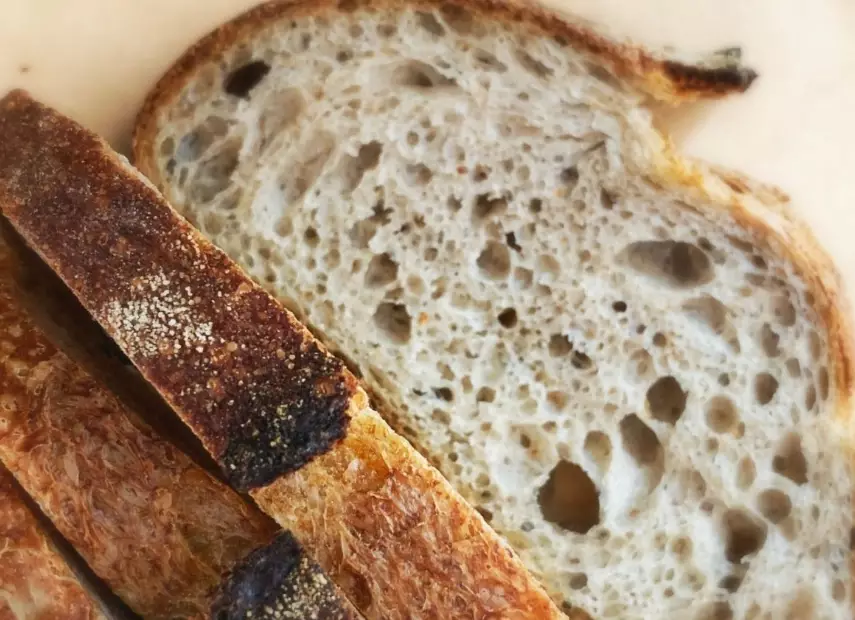
| Type of Sourdough | Typical Slice Weight | Estimated Calories (per slice) | Why the Difference? |
|---|---|---|---|
| Mass-produced, Pre-sliced (e.g., supermarket brand) | ~28g | 80-95 | Consistent recipe, often includes small amounts of added fats/sugars for shelf-life and uniformity. Lower hydration for easier machine slicing. |
| Artisan Bakery Loaf (crusty, irregular slices) | 35g - 50g+ | 100 - 150+ | Higher hydration, no additives, denser crumb or larger air pockets. Slice size is highly variable. |
| Homemade (your kitchen!) | Totally up to you! | 85 - 120 (for a ~30g slice) | You control everything: flour blend, hydration, added fats (like olive oil). Can be the healthiest and most tailored option. |
So, when someone asks "How many calories in sourdough bread?", the real answer is: It depends on whose sourdough bread you're talking about. A generic number is a starting point, but your specific loaf is what matters.
Beyond the Calorie Count: The Nutrition That Comes With It
If we only talk about sourdough bread calories, we're missing 90% of the story. Calories are just the energy tag. What's inside the package is what makes sourdough special. This is where it pulls ahead of regular white bread in a big way.
Thanks to the long, slow fermentation with its wild yeast and lactic acid bacteria, sourdough undergoes some pretty neat transformations:
- Prebiotics & Probiotics (Maybe): The fermentation process creates prebiotics (food for your good gut bugs). While most commercial baking kills the live probiotics, some beneficial compounds and organic acids remain, which can support a healthy gut environment. Homemade sourdough might retain some live cultures if eaten unbaked (like in a starter discard recipe), but in a baked loaf, they're largely gone. The real gut benefit is from the prebiotics and the improved digestibility.
- Lower Phytate Levels: Phytates are compounds in grains that can bind to minerals like iron and zinc, making them harder for your body to absorb. Fermentation breaks a lot of these down, meaning you might actually get more minerals from the flour in sourdough than in quick-rise breads. It's like unlocking the nutrients that were already there.
- Blood Sugar Impact (Glycemic Index): This is a huge one. The organic acids produced during fermentation (like lactic acid) and the changes to the starch structure can slow down how quickly your body converts the bread to sugar. Studies, including some referenced by resources from the Harvard T.H. Chan School of Public Health, suggest sourdough often has a lower glycemic index (GI) than comparable white bread. What does this mean for you? Fewer blood sugar spikes, more sustained energy, and potentially less of that carb-crash feeling an hour after eating.
Think of it this way: 100 calories of pure sugar hit your body very differently than 100 calories from a slice of sourdough with fiber, protein, and a lower GI. The sourdough calories are delivered on a slow, steady train, not a rocket ship.
The Macronutrient Breakdown: Carbs, Protein, Fat
Let's look at what makes up those sourdough bread calories in a typical 30g slice (~100 cal):
- Carbohydrates: ~20g. This is the main energy source. But remember, some of this is the fiber (1-2g per slice), which your body doesn't fully digest as calories.
- Protein: ~3-4g. Not a ton, but it's something. The fermentation can also improve the availability of certain amino acids.
- Fat: ~0.5-1.5g. Naturally very low, unless the recipe specifically adds oil or butter.
- Fiber: 1-2g. Choosing a whole wheat or multigrain sourdough can bump this up to 3-4g per slice, making it much more filling.
It's a fairly clean, simple profile. The magic isn't in an extreme macro ratio; it's in the quality and digestibility of those macros.
Sourdough vs. The World: How Its Calories Stack Up
Is sourdough "lower calorie" than other breads? Sometimes yes, sometimes no, but that's the wrong question. The better question is: "Which bread gives me more nutritional bang for my calorie buck?"
| Bread Type (per ~30g slice) | Approx. Calories | Key Nutritional Notes |
|---|---|---|
| White Sourdough | 80-100 | Better mineral availability, lower GI, easier to digest than standard white. |
| Standard White Bread | 75-90 | Often has added sugars, preservatives. Higher GI, less nutrient retention. |
| 100% Whole Wheat Bread | 80-100 | Higher in fiber, nutrients. Can be denser. GI varies. |
| Whole Wheat Sourdough | 85-105 | Best of both worlds: whole grain nutrition + fermentation benefits. |
| Rye Bread (dark) | 70-85 | Often high in fiber, very dense. Distinct flavor. |
| Multigrain / Seeded Bread | 90-120+ | Higher in calories from seeds/nuts, but also in healthy fats, fiber, and protein. |
Look at that. The calories in sourdough bread are right in line with everything else. It's not a "diet bread" in the low-calorie sense. It's a quality bread. You're trading maybe 5-10 calories per slice for significantly better digestion, blood sugar response, and nutrient absorption. That's a deal I'll take any day.
A word of caution on "Sourdough" labels: Not everything labeled sourdough is the real, long-fermented deal. Some supermarket breads are "sourdough flavored" – they use vinegar or citric acid to mimic the tang and use commercial yeast for a fast rise. Check the ingredients. Real sourdough should have just flour, water, salt, and a sourdough culture/starter. No yeast, no dough conditioners. If you see those, the sourdough bread calories might be similar, but you're missing all the fermentation benefits.
Sourdough, Calories, and Weight Management: Can You Have Your Bread and Eat It Too?
This is the million-dollar question, right? Let's get real.
Sourdough is not a magic weight-loss food. No bread is. You can't eat an entire loaf a day and expect to lose weight. Calories in versus calories out still matters. Full stop.
However, sourdough can be a fantastic tool in a weight-conscious diet for several psychological and physiological reasons:
- Satiety & Satisfaction: That chewy texture, robust crust, and complex flavor make it incredibly satisfying. You're less likely to mindlessly munch through three slices of a dense, tangy sourdough than three slices of fluffy, sweet white bread. It feels like real food, which helps with portion control.
- Stable Energy: The lower glycemic response means you're less likely to get a sugar rush and crash, which often leads to cravings and overeating later. Stable blood sugar helps manage hunger hormones.
- Better Digestion: Many people who feel bloated or uncomfortable after regular bread find sourdough easier on their stomach. If your gut feels good, you're more in tune with your real hunger signals.
So, the key isn't fearing the sourdough bread calories. It's about making them count.
Practical Tips for Enjoying Sourdough While Managing Calories
- Weigh Your First Few Slices. Seriously. Just do it once for your favorite loaf. It takes 10 seconds and calibrates your eyeballs forever. Knowing that your "normal" slice is 45g and 130 calories is empowering, not restrictive.
- Choose Open-Faced Sandwiches. One thick, substantial slice (50g) with lots of protein (eggs, chicken, tuna) and veggies is often more satisfying than two thin slices of lesser bread. You save on calories in sourdough bread overall while upping the nutrient density of the meal.
- Pair it Right. Don't let your sourdough be a vehicle for empty calories. Top it with avocado, smoked salmon, ricotta and berries, eggs, or hummus and roasted vegetables. The fat, fiber, and protein from the toppings will slow digestion even further and keep you full for hours.
- Go Whole Grain. If you're buying or baking, opt for a recipe that uses at least 50% whole grain flour (whole wheat, spelt, rye). The extra fiber adds minimal calories but major fullness factor.
- Freeze It. A great loaf is a terrible thing to waste, but it's also easy to overeat when it's fresh. Slice it, bag it, and freeze it. Toast slices straight from the freezer. This prevents spoilage and makes you more intentional about your portions.
Your Sourdough Calorie Questions, Answered (The FAQ)
I've been talking and reading about this stuff for years, and these are the questions that always pop up.
This is a question for a doctor or dietitian first. However, the generally lower glycemic index of genuine sourdough makes it a potentially better choice than standard white bread for blood sugar management. The key is pairing it with protein and fat, watching portion size (start with one slice), and monitoring your own blood glucose response. The American Diabetes Association emphasizes carbohydrate quality and portion control, both of which align with a mindful approach to sourdough.
No, toasting doesn't magically add or remove calories. It removes water, making the slice lighter. So, a toasted slice might have slightly more calories per gram, but since you're eating the same physical slice, the total calorie count is essentially identical. What toasting does is change the texture and flavor, which can increase satisfaction!
Oh, absolutely. A bread bowl is a lot of bread. You're easily eating the equivalent of 3-4 thick slices or more, plus any butter/oil used to crisp it up. The sourdough bread calories in a bread bowl can easily exceed 400-500 before you even add the soup. Enjoy it as an occasional treat, not a low-calorie vessel.
Ask them! A good bakery should be able to tell you the basic flour composition. If they can't give you precise numbers, you can get a very good estimate. Weigh a slice. If it's a basic white flour sourdough, assume ~3.3 calories per gram. So a 40g slice is ~132 calories. For whole wheat, maybe 3.5 cal/g. It won't be lab-perfect, but it's close enough for practical tracking.
Not necessarily lower, but you have complete control. You can make it with higher hydration (slightly lower cal density), use part whole grain flour, and avoid any added sugar or oil that many commercial recipes include. You control the slice thickness, too. So you can optimize it, but the base calories in sourdough bread from flour and water are fairly constant.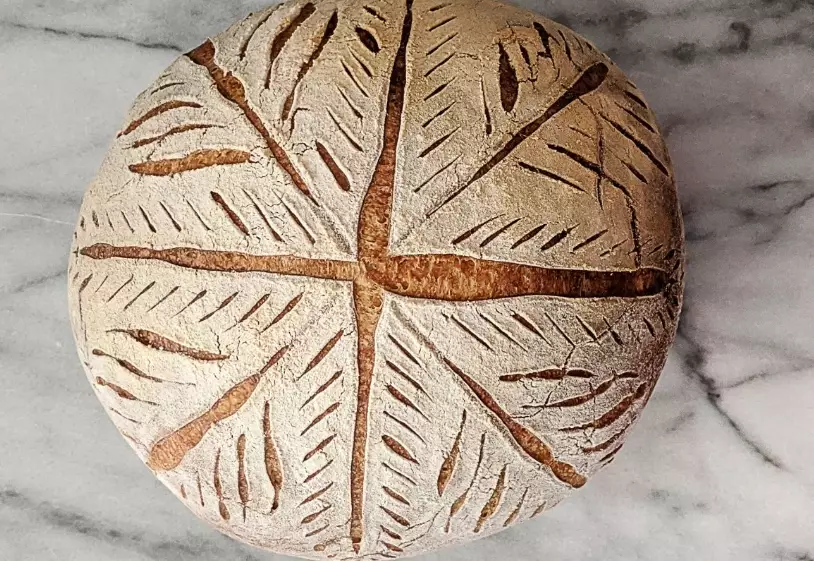
Final Thoughts: It's About the Loaf, Not Just the Number
After all this, my takeaway is simple. Obsessing over the exact sourdough bread calories in a single slice misses the forest for the trees.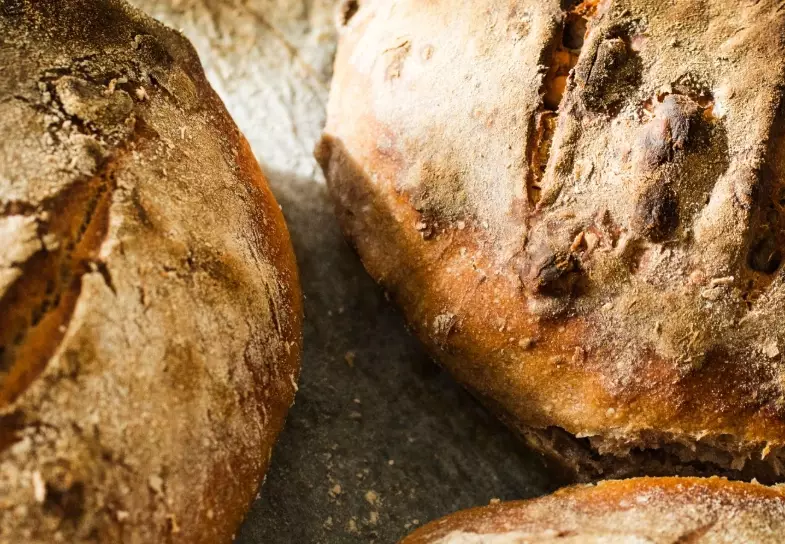
Sourdough is one of the oldest, most natural forms of bread we have. The fermentation process does something special that a nutrition label can only hint at. It creates a food that nourishes in a broader sense – it's digestively easier, metabolically gentler, and deeply satisfying in a way that goes beyond just filling your stomach.
So, yes, be aware that a typical slice has about 100 calories. Weigh it if you need to. Choose whole grains when you can. Pair it wisely.
But also, enjoy it. Savor the crackle of the crust, the tang of the crumb, the way it turns a simple meal into something special. Those calories in sourdough bread are delivering not just energy, but also pleasure, tradition, and a connection to a simpler way of making food. In a world of ultra-processed options, that's worth its weight in gold – or, should I say, its weight in perfectly fermented dough.
Now, if you'll excuse me, I think my starter is hungry, and I've got a date with my kitchen scale and a bag of whole wheat flour. Happy eating.



Leave a Comment