That moment you reach for the bread bag, only to find a loaf that could double as a building material. We've all been there. Your first thought might be the microwave – it's fast, it's right there. But if you've ever tried it and ended up with bread that's somehow both soggy and tough, you know it's not as simple as hitting "start." I've been baking and, frankly, rescuing bread for over a decade. Let me tell you, the microwave is a powerful tool for this job, but it demands respect. This guide isn't just about zapping your bread; it's about understanding the why behind every step so you get soft, pleasant bread every single time, not a chewy disappointment.
What You'll Learn
Why Bread Turns into a Brick (The Simple Science)
Bread doesn't go stale because it dries out. That's the biggest misconception. It goes stale because the moisture inside migrates. When bread cools after baking, the starch molecules start to crystallize in a process called retrogradation (fancy word, simple idea). They push water out from their structure. That water moves to the crust, evaporates, and the starch crystals left behind make the crumb hard and dry.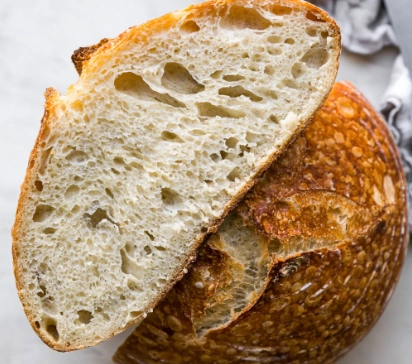
Think of it like a sponge that's had its water rearrange into little rigid pockets. The microwave's job is to melt those starch crystals. The heat energy gets the starch molecules moving again, allowing them to re-absorb the available moisture. But here's the kicker – if you apply too much heat too fast, you'll evaporate what little moisture is left before the starch can grab it. That's how you get bread that's hot, dry, and tough as leather.
Key Insight: You're not adding moisture from the outside (mostly). You're using heat to unlock and redistribute the moisture already trapped inside the bread's structure.
The Foolproof Microwave Method, Step-by-Step
Forget the old "30 seconds on high" advice. That's a one-way ticket to Tough Bread Town. Follow this sequence, and you'll see a dramatic difference.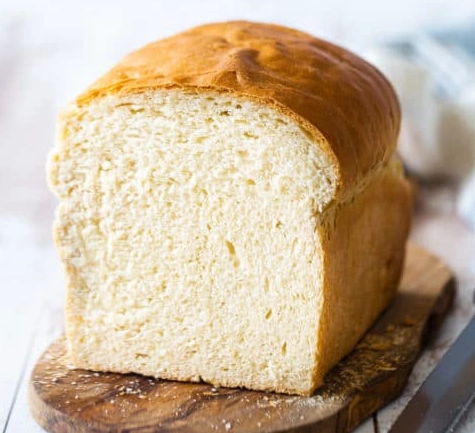
What You Need (Beyond the Microwave)
- Your stale bread (slices, rolls, or part of a loaf).
- A microwave-safe plate.
- 1-2 paper towels (the kind you use in the kitchen, not facial tissue).
- A small microwave-safe cup or bowl of water (about ½ to 1 cup full). This is non-negotiable.
The Process
Step 1: Prepare the Bread. For slices or a small section of a loaf, lightly dampen a paper towel. I mean light – run it under the tap and wring it out completely until it's just barely moist. Wrap the bread loosely in this towel. The towel acts as a moisture buffer, preventing the surface from drying out while the inside heats.
Step 2: The Steam Source. Place the cup of water in the back corner of the microwave. This is the pro move. The water absorbs excess microwave energy and creates a humid environment, providing gentle, ambient steam that surrounds the bread. It prevents the crust from hardening.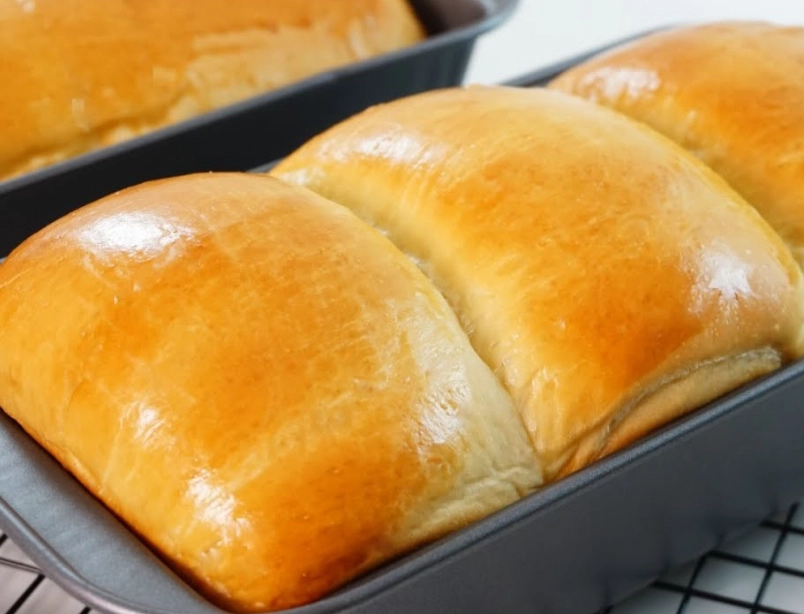
Step 3: Power & Time – The Critical Part. Set your microwave to 50% power (Medium). Never use full power. Place your wrapped bread on the plate next to the water cup.
Now, the timing magic:
- For 1-2 slices: Start with 10 seconds.
- For a half loaf or 3-4 rolls: Start with 15 seconds.
Step 4: Check and Repeat. After the first burst, carefully feel the bread. It should be warm, not hot. If it's still firm, give it another 5-10 seconds at 50% power. Do not exceed 20-25 seconds total for a few slices. The goal is warmth, not cooking.
Step 5: The Rest. This might be the most important step everyone skips. Leave the bread wrapped in the paper towel for 1-2 minutes after microwaving. This allows the heat and moisture to equalize throughout the entire piece, finishing the job of softening the starch from the inside out.
Watch Out: If you see the paper towel is completely dry after microwaving, you used too much power or time. The towel should still feel slightly damp. A dry towel means the bread stole all its moisture, which is a bad sign.
Adjusting for Your Bread: Baguette vs. Sandwich Loaf
Not all breads are created equal. A dense sourdough and a fluffy white sandwich loaf need different approaches.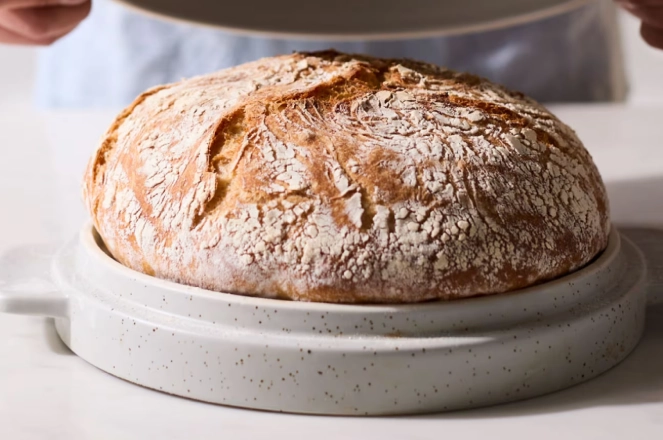
For Crusty Artisan Breads (Baguette, Sourdough Boule): These have a thick, hard crust. You need to be more aggressive with moisture. Before wrapping in the damp paper towel, sprinkle a few drops of water directly onto the cut surface of the bread. Then wrap. The extra moisture helps penetrate the dense crumb. You might need an extra 5-second burst, but stick to 50% power.
For Soft Sandwich Bread or Rolls: These dry out faster because they have a finer, more porous crumb. The standard damp-towel-and-water-cup method is perfect. Be extra cautious with time—overdo it by 5 seconds, and they can become gummy.
For Bagels or English Muffins: Slice them in half first. The goal is to warm and soften the dense interior. The damp towel is crucial here to prevent the outside from turning to rubber.
The Game-Changing Secrets Most Guides Miss
After years of trial and error (and some truly terrible results), I've landed on a few techniques that separate a good result from a great one.
1. The Double-Towel Trick for a Whole Loaf. Trying to soften half a loaf? Wrap it first in a dry paper towel, then in a damp> one. The dry inner layer absorbs excess condensation that can make the surface mushy, while the damp outer layer provides the steam. It creates a perfect moisture gradient.
2. Revive, Then Toast. If you want your revived bread for toast, don't toast it straight from stale. Microwave it to soften it first using this method, then pop it in the toaster. You'll get toast that's crisp outside but still tender inside, not a shard of carbon.
3. The "Bread Saver" Plate Cover. If you don't have paper towels, use a second microwave-safe plate inverted on top of the bread like a lid. It traps steam effectively. Just make sure there's that cup of water in there too.
Top 3 Mistakes That Ruin Microwave-Softened Bread
- Using 100% Power. This is the cardinal sin. High heat excites the water molecules so violently they escape as steam before the starch can re-absorb them. You're left with dehydrated, toughened bread. Medium power (50%) is your only setting for this task.
- Skipping the Resting Time. Pulling the bread out and immediately unwrapping it releases all the built-up steam and stops the equalization process. That minute of patience makes the texture consistent from center to crust.
- Not Using a Steam Source (The Water Cup). Microwaving the bread alone creates a dry heat chamber. The crust becomes desiccated and chewy. The cup of water moderates the environment, giving you a much more forgiving and effective result.
When to Skip the Microwave: Oven & Steamer Methods
The microwave is for speed—a 30-second revival for immediate eating. But if you have 10-15 minutes and want to restore a larger quantity or achieve a more "fresh-from-the-bakery" crust, use the oven.
The Oven Method: Preheat your oven to 300°F (150°C). Run the whole loaf or slices under the tap quickly to wet the crust lightly (don't soak it). Place it directly on the oven rack for 5-10 minutes if sliced, 10-15 minutes for a small loaf. The slow, even heat revitalizes the bread beautifully, especially the crust. The USDA's FoodKeeper app notes that dry heat can restore texture effectively. This is my go-to for reviving crusty artisan loaves.
The Steamer Method: For a single slice or roll, holding it over a pot of boiling water for 10-15 seconds can work in a pinch. It's direct steam injection. But it's easy to over-steam and make the bread soggy, so it's a less controlled method.
The microwave, when done right, is unbeatable for a quick fix. It's about finesse, not force.



Leave a Comment