Quick Baking Highlights
- Before You Even Preheat: The Mindset for Easy Baking
- The Hall of Fame: My Top 3 No-Fail, Beginner-Friendly Recipes
- Leveling Up: Simple Techniques That Make a Huge Difference
- Your Easy Baking Recipe Troubleshooting Guide
- Answering Your Burning Baking Questions (FAQ)
- Safety and Sourcing: Being a Smart Baker
- Where to Go From Here: Your Next Steps
Let's be real for a second. You've probably clicked on "easy baking recipes" before, only to find a list that starts with "first, make your own puff pastry from scratch." Yeah, no. That's not easy. That's a weekend project you didn't sign up for.
When I first started, I thought baking was this magical, precise science only grandmas and pastry chefs could master. My early attempts? Let's just say I've created more than my share of hockey puck cookies and sunken cake disasters. It was frustrating. But over time, through many, many mistakes (some of them genuinely hilarious in hindsight), I learned that easy baking isn't about fancy techniques or a pantry that looks like a grocery store aisle. It's about a handful of reliable recipes, understanding a few basic principles, and most importantly, giving yourself permission to keep it simple.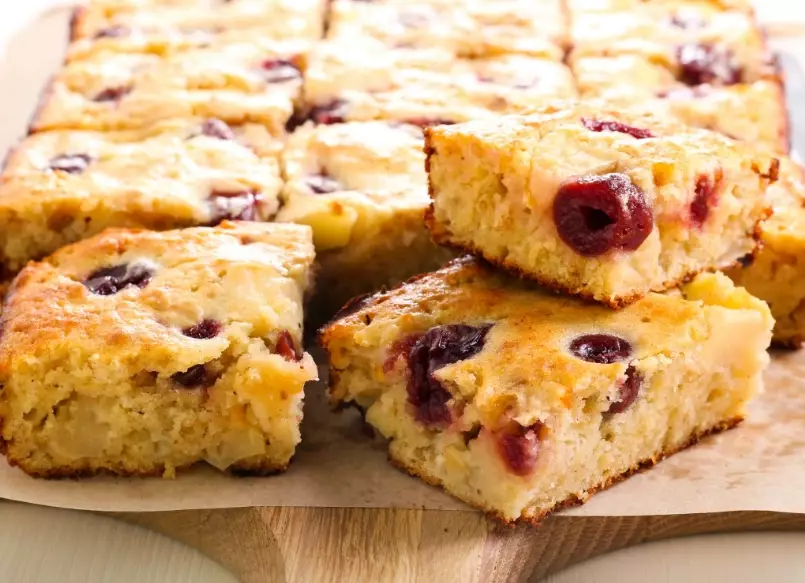
That's what this guide is for. I'm not here to impress you with complexity. I'm here to give you a toolkit of truly easy baking recipes that work, every single time. Recipes where you likely have most ingredients already, don't need any special equipment beyond a bowl and a spoon, and can be done start-to-finish before you lose interest. Whether you're a total newbie who thinks the oven is just for storing pans, or someone who bakes occasionally but wants to cut the stress, you're in the right place.
Before You Even Preheat: The Mindset for Easy Baking
This might sound silly, but your headspace matters more than your measuring cups. If you approach baking like a high-stakes exam, you're going to be tense, and tense bakers make mistakes. Think of it more like following a map to a cool destination. The recipe is the map. You just have to follow the turns.
One big mental shift: embrace imperfection. That cookie that spread a little too much? It's still a cookie. It will still taste delicious. I once brought slightly lopsided cupcakes to a party, and you know what? They were gone in ten minutes. Nobody cares about perfect symmetry. They care about flavor.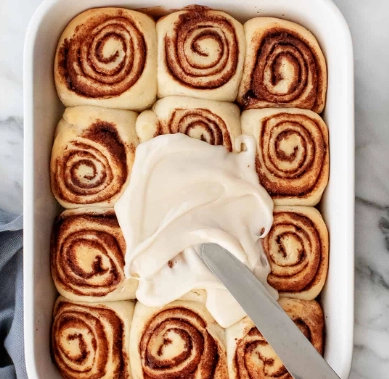
The Non-Negotiable Basics (Your Baking Survival Kit)
You don't need a KitchenAid stand mixer. Seriously. A large bowl, a sturdy wooden spoon or silicone spatula, a set of measuring cups and spoons, a baking sheet, and maybe one 9-inch round or square pan will get you through 90% of simple baking recipes. A whisk is nice but a fork works in a pinch for beating eggs.
Ingredients are where people get tripped up. For the recipes I'm talking about, you need staples, not obscure extracts from a specialty store. Here's your core shopping list:
- Flour: All-purpose is your best friend. It works for almost everything. Don't overthink it.
- Sugar: Granulated white sugar and maybe some brown sugar for chewiness and flavor.
- Fat: Unsalted butter (lets you control salt) and a neutral oil like vegetable or canola.
- Eggs: Large eggs. They're the standard in recipes.
- Leaveners: Baking powder and baking soda. They are NOT interchangeable. Check expiry dates! Old ones won't make things rise.
- Salt: A fine salt like table salt or sea salt. It enhances all flavors, even sweet ones.
- Vanilla Extract: The good stuff makes a difference, but pure extract is fine. Avoid "imitation" if you can.
- Chocolate Chips: Because... obviously.
See? Nothing scary. You probably have half of this already.
The Hall of Fame: My Top 3 No-Fail, Beginner-Friendly Recipes
These are the recipes I go back to again and again. They've survived my worst days, my distracted baking, and have been tested on friends and family who are brutally honest. They are the definition of easy baking recipes for beginners.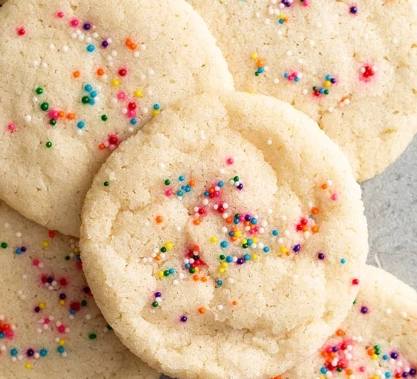
#1: The Ultimate One-Bowl Chocolate Chip Cookie
This is the gateway drug of baking. Everyone loves a chocolate chip cookie, and this version is forgiving and flexible. The secret? Melting the butter slightly. No waiting for it to soften, no creaming required. Just mix.
You'll need: 1/2 cup (1 stick) unsalted butter, 1/2 cup white sugar, 1/4 cup packed brown sugar, 1 large egg, 1 tsp vanilla, 1 1/4 cups all-purpose flour, 1/2 tsp baking soda, 1/2 tsp salt, 1 heaping cup chocolate chips.
Do this: Melt the butter in a medium-sized microwave-safe bowl for about 45 seconds, until just melted but not hot. Whisk in both sugars until smooth. Whisk in the egg and vanilla. Dump the flour, baking soda, and salt right on top. Stir it all together until just combined—don't overmix. Fold in the chocolate chips. The dough will be soft. Chill it for 30 minutes if you can (for a thicker cookie), or just scoop tablespoon-sized balls onto a parchment-lined baking sheet. Bake at 350°F (175°C) for 10-12 minutes, until the edges are golden but the centers look soft. Let them cool on the sheet for 5 minutes before moving. Trust me on this.
Why does this work so well? The melted butter gives you a chewy texture with crispy edges. It's foolproof. I've added a pinch of cinnamon, used M&M's instead of chips, even thrown in some oats when I was feeling adventurous. It always works.
#2: Ridiculously Easy Banana Bread
This is the recipe for when your bananas go from yellow to black speckled. No mixer, just a fork to mash. It's moist, forgiving, and feels wholesome even though it's cake for breakfast.
You'll need: 3 very ripe bananas, 1/3 cup melted butter or oil, 3/4 cup sugar (white or brown), 1 large egg, 1 tsp vanilla, 1 tsp baking soda, a pinch of salt, 1 1/2 cups all-purpose flour.
Do this: Mash the bananas in a large bowl with a fork until mostly smooth. Stir in the melted butter. Mix in the sugar, egg, and vanilla. Sprinkle the baking soda and salt over the mixture and stir. Gently stir in the flour until just disappeared. Pour into a greased 4x8 inch loaf pan. Bake at 350°F (175°C) for 55-65 minutes. A toothpick inserted should come out mostly clean. Let it cool in the pan for 10 minutes, then turn it out.
This is the recipe that taught me baking doesn't have to be precise. A little more banana? Fine. A little less sugar? It'll still be good. Want to add nuts or chocolate chips? Go for it. It's a template for creativity.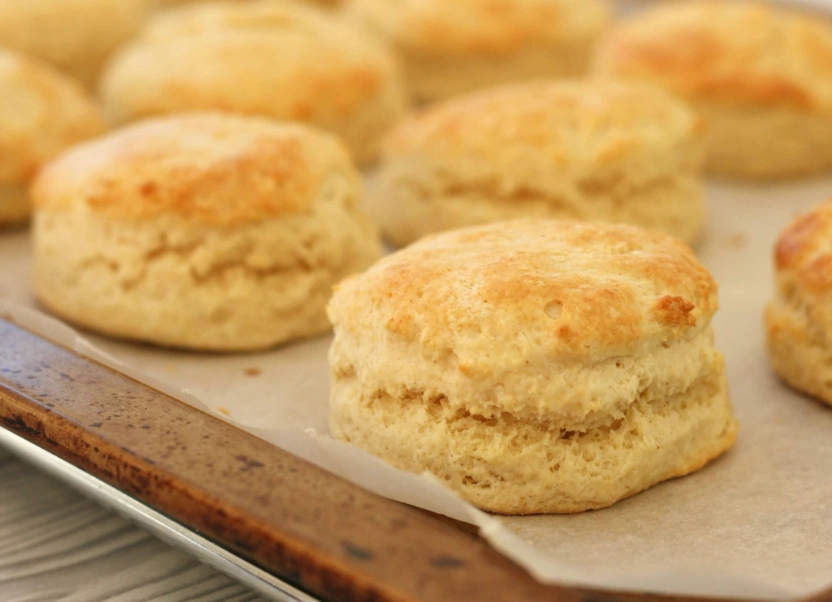
#3: 5-Minute Prep Mug Cake
For when you need a single-serving dessert NOW. This is the ultimate quick baking recipe with zero cleanup. Is it gourmet? No. Is it a warm, chocolatey treat in 90 seconds? Absolutely.
You'll need: 1 large microwave-safe mug, 4 tbsp all-purpose flour, 3 tbsp sugar, 2 tbsp cocoa powder, 1/4 tsp baking powder, a tiny pinch of salt, 3 tbsp milk, 2 tbsp oil (or melted butter), a splash of vanilla.
Do this: Add all the dry ingredients (flour, sugar, cocoa, baking powder, salt) to the mug. Whisk with a fork. Add the milk, oil, and vanilla. Whisk until smooth. Microwave on high for 60-90 seconds. Start with 60 and check—it should look set on top. Let it cool for a minute (it's molten lava hot). Eat straight from the mug.
It's not fancy, but it solves the midnight chocolate craving without turning on the big oven. A lifesaver.
Leveling Up: Simple Techniques That Make a Huge Difference
Once you've made those a few times, you'll feel more confident. Here are a few pro-tips that sound fancy but are actually simple.
How to Measure Flour Correctly (This is a Big One)
The number one reason baked goods turn out dense? Too much flour. The most common way to measure—scooping the cup directly into the flour bin—packs it in. You end up with way more than the recipe intended.
The right way: Fluff the flour in its container with a spoon. Then, gently spoon the flour into your measuring cup until it's heaping. Use the flat edge of a knife to level it off. Don't tap the cup. This gives you a much more accurate, lighter measure. The difference in your cakes and cookies will be noticeable.
The Magic of Parchment Paper
Buy a roll of parchment paper. It's not wax paper (which will smoke in the oven). Lining your baking sheets and pans with it means nothing sticks. Ever. No more scraping burnt cookie bits off the tray. It also makes cleanup a dream—just toss the paper. Worth every penny.
Your Easy Baking Recipe Troubleshooting Guide
Things will go wrong sometimes. It's okay. Here's how to diagnose common issues.
| Problem | Likely Cause | How to Fix It Next Time |
|---|---|---|
| Cookies spread into one giant sheet | Butter was too warm or dough wasn't chilled; baking sheet was warm when you put dough on it. | Chill dough for 30 min. Use cool baking sheets or parchment. |
| Cookies are hard as rocks | Overbaked, or too much flour was measured. | Check earlier; use the spoon-and-level method for flour. |
| Cake/Bread is soggy in the middle | Underbaked. The top looked done but inside wasn't. | Use a toothpick or skewer. It should come out with a few moist crumbs, not wet batter. |
| Baked good didn't rise | Old baking powder/soda; overmixed batter; oven wasn't preheated. | Check expiry dates, mix less, always preheat for 20 mins. |
| Burnt bottoms | Dark-colored pans conduct more heat; oven rack too low. | Use lighter pans, or lower oven temp by 25°F. Move rack to center. |
See? Most problems have a simple explanation. It's not you, it's usually just one small step.
Answering Your Burning Baking Questions (FAQ)
These are questions I had, and questions friends constantly ask me. Let's clear them up.
Safety and Sourcing: Being a Smart Baker
This part is boring but crucial. Baking is science, and ingredients matter for safety too.
Always wash your hands and surfaces before starting. When working with raw eggs, be mindful. While the risk is low, it's higher for young children, the elderly, pregnant people, or those with compromised immune systems. Using pasteurized eggs (available in many stores) can eliminate this concern for recipes like cookie dough or mousse that aren't fully cooked. For more detailed guidelines on egg safety, the U.S. Food and Drug Administration (FDA) provides clear, science-based information.
Flour is a raw agricultural product. It's not typically treated to kill germs like E. coli. That's why you shouldn't taste raw dough or batter that contains flour. The baking process kills any potential bacteria. The Centers for Disease Control and Prevention (CDC) has straightforward advice on this. Once it's baked, you're golden.
Understanding your ingredients can also improve your baking. For instance, different types of flour have different protein contents, which affects gluten development. If you ever want to dive deeper into that, resources from established institutions like King Arthur Baking Company's Flour Guide are incredibly thorough and reliable. They've been around since 1790, so they probably know a thing or two about flour.
Where to Go From Here: Your Next Steps
You've got the recipes, the tips, the fixes. Now what? Pick one of the three Hall of Fame recipes and make it this weekend. Just one. Don't overthink it. Gather your ingredients, read the recipe twice, and go for it.
The goal isn't a picture-perfect Pinterest post. The goal is something warm and homemade that you made yourself. That feeling of accomplishment, of sharing something you created with your own hands (even if it's just for you)—that's the real magic of baking.
Once you've conquered those, the world of easy baking recipes opens up. Try blueberry muffins (just add a cup of berries to the banana bread base, but use 1/2 cup less banana). Try a simple shortbread (just butter, sugar, flour, and salt). The principles are the same: measure carefully, mix with a light hand, and trust the process.
Baking stopped being a chore for me when I stopped trying to be perfect and started just enjoying the process. The smell of cookies in the oven, the quiet focus of stirring a batter, the joy of sharing the results—that's what it's about. So preheat that oven, grab your bowl, and make something delicious. You've totally got this.



Leave a Comment