Quick Guide
You know the feeling. You're halfway through mixing the batter for your favorite muffins, your hands are covered in flour, and you reach for the baking powder. You give the canister a shake. Nothing. It's lighter than a feather. Panic sets in. The grocery store is closed, or maybe you just don't want to put on real pants. Is your baking project doomed? Absolutely not.
I've been there more times than I'd like to admit. Once, during a midnight brownie craving, I realized I had zero baking powder. That moment of despair led me down a rabbit hole of kitchen science experiments. Some were glorious successes (hello, surprisingly fluffy pancakes). Others were... well, let's just say my dog even turned his nose up at the resulting hockey puck of a biscuit.
Finding a reliable substitute for baking powder isn't just about salvaging a recipe. It's about understanding the quiet magic that makes our cakes rise and our scones tender. Baking powder is a leavening agent, which is a fancy term for "stuff that makes baked goods puff up." It does this by creating carbon dioxide gas bubbles when it gets wet and again when it heats up. No gas, no lift. No lift, dense baked goods.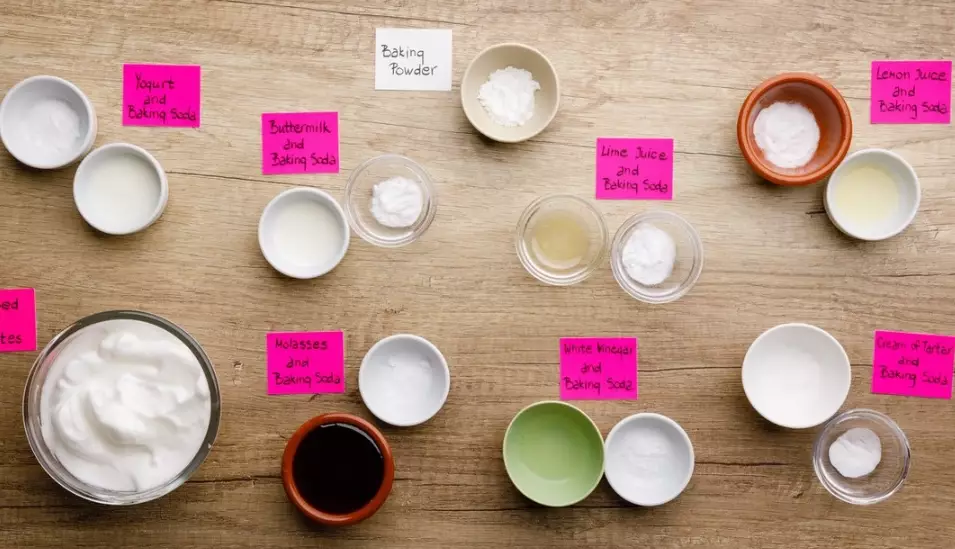
So, what can you use instead? The good news is your pantry is probably hiding several perfect baking powder replacements. The trick is knowing which one to use and when. Using the wrong swap can lead to a metallic aftertaste, a sunken center, or a texture that's all wrong.
Why You Might Need a Baking Powder Alternative
It's not just about running out. Sometimes, you need a different substitute for baking powder for dietary reasons, flavor preferences, or just plain curiosity. Maybe you're cooking for someone who needs to limit their sodium intake (some baking powders contain aluminum compounds and sodium). Perhaps you're exploring a more natural pantry and want to avoid commercial blends. Or, you could be mid-recipe and realize your baking powder has been sitting in the back of the cupboard since last Christmas and has lost its potency. (Pro tip: test it by mixing 1/2 teaspoon with 1/4 cup of hot water. If it doesn't fizz vigorously, it's dead).
The quest for the perfect baking powder alternative forces you to become a better, more intuitive baker. You start to see recipes as chemical formulas you can tweak, not just rigid instructions.
The Top Contenders: Your Go-To Baking Powder Substitutes
Let's cut to the chase. Here are the most effective, kitchen-tested alternatives. I've ranked them based on reliability, availability of ingredients, and how well they mimic the double-acting nature of commercial baking powder.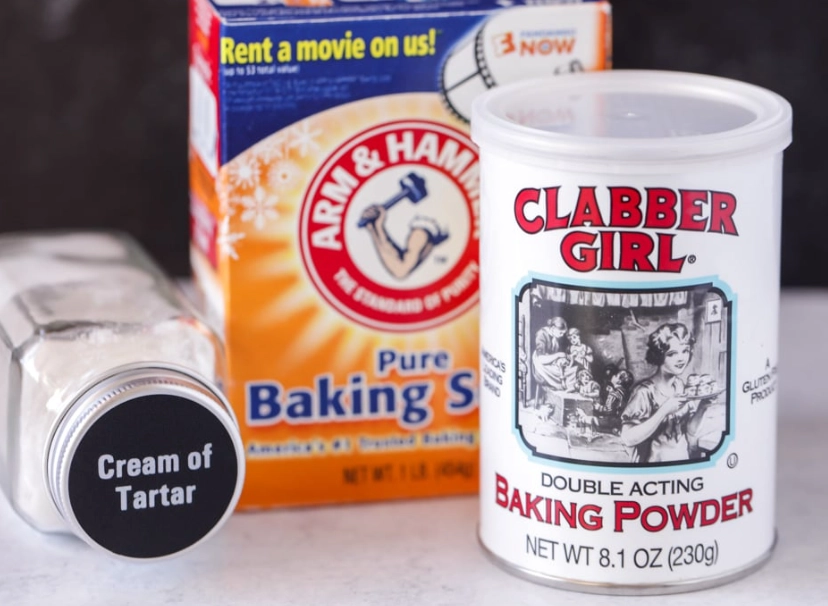
The Dynamic Duo: Baking Soda + An Acid
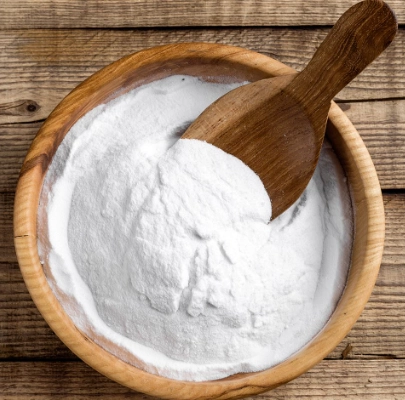
This is the classic, most reliable method. Baking soda (sodium bicarbonate) needs an acid to react with to produce carbon dioxide. Commercial baking powder has that acid built-in (usually cream of tartar). At home, you provide the acid separately. The standard ratio is: 1/4 teaspoon baking soda + 1/2 teaspoon cream of tartar = 1 teaspoon baking powder.
But cream of tartar isn't always on hand. No problem. Here’s where your pantry flexibility comes in. You can use many different acids. The trick is adjusting the liquid in your recipe slightly, as some alternatives add their own moisture.
| Acid Source | How to Use It as a Substitute for 1 tsp Baking Powder | Best For | Watch Out For |
|---|---|---|---|
| Cream of Tartar | Mix 1/4 tsp baking soda + 1/2 tsp cream of tartar. | Cakes, cookies, biscuits. The gold standard for a neutral taste. | Can be pricey. Makes a single-acting substitute. |
| Lemon Juice or Vinegar | Mix 1/4 tsp baking soda + 1/2 tsp lemon juice/vinegar. Reduce other liquid in recipe by 1/2 tsp. | Pancakes, waffles, quick breads. The slight tang works well here. | Can impart a faint tangy flavor. Not ideal for delicate vanilla cakes. |
| Buttermilk or Yogurt | Use 1/2 cup to replace 1 cup regular milk + add 1/4 tsp baking soda (omit baking powder). | Biscuits, muffins, ranch dressing! Adds wonderful tenderness. | Requires rebalancing the entire recipe's wet/dry ratio. Not a direct 1:1 swap. |
| Molasses or Brown Sugar | Use 1/4 cup molasses or packed brown sugar to replace some sugar + add 1/4 tsp baking soda (omit baking powder). | Gingerbread, dark cakes, bran muffins. Adds moisture and rich flavor. | Adds strong color and flavor. Makes things very moist. |
| Unsweetened Cocoa Powder (natural) | In chocolate recipes, the cocoa acts as the acid. Use 1/4 tsp baking soda alone. | Chocolate cakes, brownies. Often you don't need extra acid! | Only works in recipes already using natural (non-Dutched) cocoa powder. |
See? Your options are wider than you thought. That bottle of white vinegar hiding behind the olive oil? It's a leavening agent waiting to happen.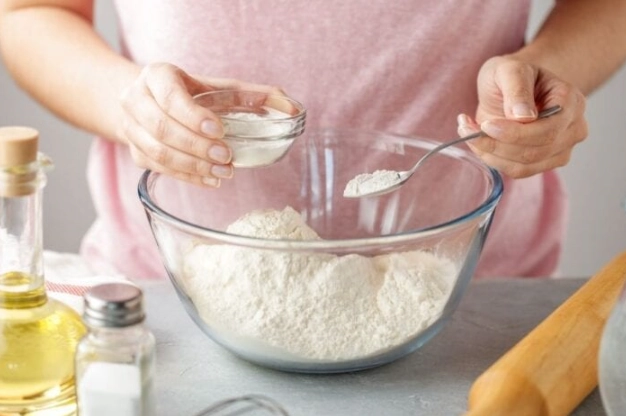
The Straight Swap: Whipped Egg Whites
This is a fantastic, often overlooked technique, especially if you're also out of baking soda. It doesn't chemically replicate baking powder; it mechanically replicates the lift. You beat air into the egg whites and fold them gently into your batter. The air expands in the oven, causing the bake to rise. It's the technique behind angel food cake and soufflés.
How to do it: Separate the eggs in your recipe. Whip the whites with a pinch of cream of tartar (which helps stabilize them, but you can skip it in a pinch) until stiff peaks form. Mix the yolks with the other wet ingredients. Fold the whipped whites in as the very last step. This method adds incredible lightness and a melt-in-your-mouth texture.
The Specialty Player: Self-Rising Flour
This is almost cheating, but it works. Self-rising flour is simply all-purpose flour with baking powder and salt already mixed in. The substitution isn't for the baking powder itself, but for the entire flour + leavener system in your recipe.
How to do it: Replace 1 cup of all-purpose flour + 1 1/2 teaspoons baking powder + 1/4 teaspoon salt with 1 cup of self-rising flour. Then, omit the baking powder and salt from your recipe. Simple. The catch? You must use it immediately. If your recipe has unusual amounts of baking powder or salt, this swap gets tricky. It's perfect for simple biscuits, pancakes, and some cakes.
I keep a bag in my pantry specifically for biscuit emergencies. It's a lifesaver.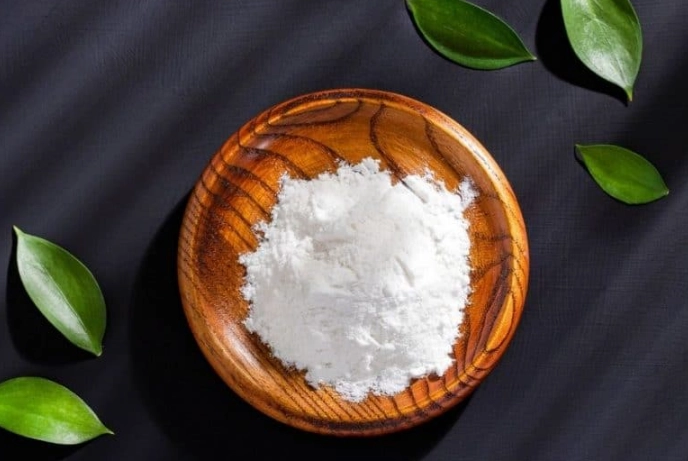
Choosing Your Champion: A Decision Guide
With all these options, how do you pick? Don't just grab the first thing you see. Think about what you're baking.
- Making light, fluffy pancakes or waffles for breakfast? Go with the baking soda + lemon juice/vinegar combo. The quick reaction is perfect for the griddle, and any tangy flavor is welcome.
- Baking a delicate vanilla birthday cake? Your best bet is baking soda + cream of tartar. It's the most neutral in flavor. If you don't have cream of tartar, consider a quick run to the store, or be prepared for a slightly denser crumb.
- Whipping up a batch of tender, flaky biscuits? Buttermilk + baking soda is the classic Southern approach for a reason. It creates unparalleled tenderness and flavor. If you don't have buttermilk, make your own "soured milk" by adding 1 tablespoon of lemon juice or vinegar to 1 cup of milk and letting it sit for 5 minutes.
- Out of everything except eggs and flour? Time to practice your egg white folding technique. It's more work, but the texture can be even better than using baking powder.
The wrong baking powder replacement can throw everything off. A chocolate chip cookie made with too much baking soda and vinegar might taste soapy. A muffin made with whipped egg whites might collapse if you overmix. Context is king.
Advanced Tactics and Niche Substitutes
Okay, let's say you're in a real bind. No baking soda, no cream of tartar, no lemons, maybe even no eggs. What then? Get creative.
- Club Soda or Seltzer Water: This works for pancake or waffle batter only. Replace the liquid in your recipe with an equal amount of cold club soda. The dissolved carbon dioxide provides lift. The key is cold and work fast. The bubbles dissipate quickly.
- Yeast: A long-shot for quick breads, but technically a leavener. It requires proofing time (usually an hour or more) and won't work for recipes designed for instant chemical rise. It will change the flavor and texture completely, giving you a more bread-like result. I tried this once in a muffin recipe out of sheer desperation. They weren't muffins. They were weird, yeasty, dinner rolls in a cupcake liner. Not recommended unless you're intentionally experimenting.
- Potassium Bicarbonate: This is a direct, one-to-one substitute for baking soda for those on a strict low-sodium diet. You still need to pair it with an acid (like cream of tartar) to replace baking powder. It's a specialty item, but good to know it exists. The USDA has information on sodium replacements for those with specific dietary needs.
Your Burning Questions, Answered
Putting It All Into Practice: A Simple Formula
Let's make this foolproof. Next time you're stuck, follow this mental checklist:
- Identify your recipe type: Is it light and sweet (cake, muffin)? Tangy and tender (biscuit, scone)? Quick-cooking (pancake)?
- Scan your pantry for acids: Lemon? Vinegar? Buttermilk/yogurt? Cream of tartar?
- Apply the correct ratio: Remember the 1:2 rule for baking soda to cream of tartar. Adjust liquids for wet acids.
- Commit to speed: Mix wet and dry, combine, and bake. Immediately.
Baking is part art, part science. Needing a substitute for baking powder forces you to engage with the science part, which ultimately makes you a more confident and capable baker. You stop seeing recipes as scripture and start seeing them as guidelines.
The best resource for understanding the core science behind these ingredients is diving into resources from established culinary science authorities. For instance, the explanations on how leaveners work from sources like King Arthur Baking are incredibly clear and practical, born from decades of testing. Similarly, the Exploratorium's Cooking project breaks down the chemistry in an accessible way. It's not about blindly following a substitution chart; it's about understanding the "why" so you can adapt any recipe.
So go ahead. Be bold. Run out of baking powder on purpose. Okay, maybe not on purpose. But when it happens, you're now equipped not just with a list of substitutes, but with the knowledge to use them wisely. Your muffins will rise, your cakes will be light, and you'll have earned the right to call yourself a resourceful baker. Now, if you'll excuse me, I'm off to make some buttermilk biscuits. I just used the last of my baking powder writing this.



Leave a Comment