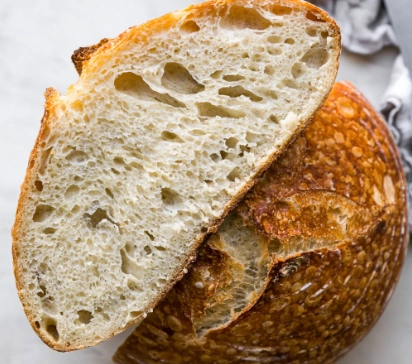
That perfect slice of soft, fluffy bread—the kind that yields to a gentle squeeze and has an airy, cloud-like crumb. It's the holy grail for home bakers. But what's the real difference between a loaf that's a joy to eat and one that doubles as a doorstop? It's not magic. It's science, a bit of patience, and avoiding a few common traps.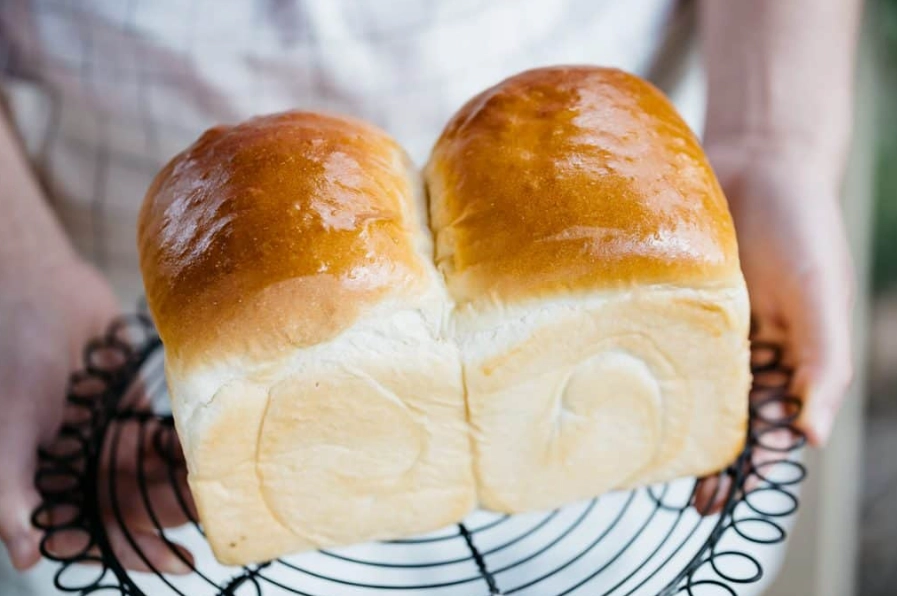
What You'll Find In This Guide
The Core Ingredients for Softness (And One Common Pitfall)
Let's start with the building blocks. Every ingredient in your dough has a job.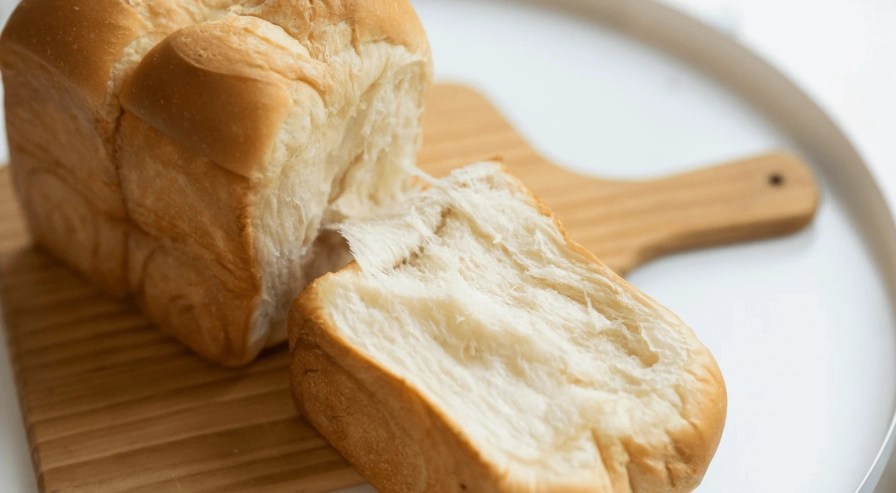
Flour: The Foundation
Bread flour, with its higher protein content (usually 12-13%), is the go-to for a strong gluten network. But here's a nuance: that network needs to be elastic, not just strong. Using a small percentage (10-20%) of a lower-protein flour, like all-purpose or even pastry flour, can interrupt the gluten just enough to create a more tender crumb. Think of it like building a skyscraper with flexible joints—it holds up but doesn't become rigid.
Water: The Activator
Hydration level is huge. A wetter dough (higher hydration) allows for more steam production during baking and creates larger, more irregular air pockets. This leads to an open, soft crumb. Many classic soft sandwich bread recipes are on the lower hydration side (around 60-65%), which gives a finer, more uniform softness. Artisan boules might push 75%+ for an airy, holey crumb. The Wheat Foods Council notes that proper hydration is critical for fully activating the wheat proteins.
Yeast & Sugar: The Engine
Yeast eats sugars and produces carbon dioxide gas. That gas is what gets trapped in the gluten network, making the bread rise. A bit of sugar (even just a tablespoon) gives the yeast a quick start and can tenderize the crumb. But too much sugar can actually dehydrate yeast or make the crust brown too fast.
Fat: The Tenderizer
This is a big one for long-lasting softness. Fats—butter, oil, milk, eggs—coat the strands of gluten. This lubrication prevents them from forming an overly tight, tough network. It's like putting a little oil between sheets of paper; they slide instead of sticking fast. That's why brioche and milk bread stay soft for days.
The Magic of Gluten: Building Your Bread's Structure
Gluten is your bread's skeleton. It's formed when two proteins in flour—glutenin and gliadin—mix with water and are agitated (kneaded).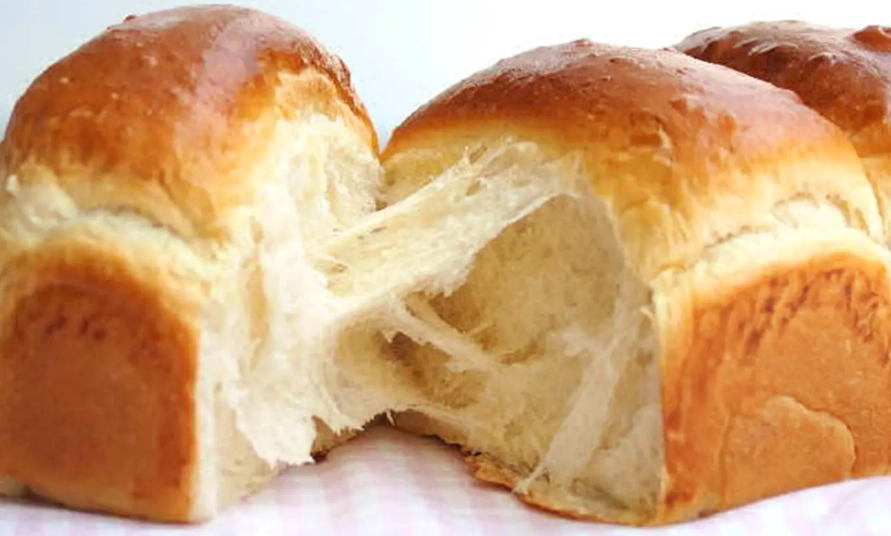
Under-kneading means a weak skeleton. The dough can't trap gas effectively, and your bread will be dense. The classic test is the "windowpane." Take a small piece of dough and gently stretch it. If you can stretch it thin enough to see light through it without it tearing, you've developed enough gluten. If it tears right away, keep kneading.
But here's the expert twist many miss: over-kneading is a real problem, especially with powerful stand mixers. You can over-develop the gluten to the point where the network becomes so tight and rigid it can't expand gracefully during fermentation. The bread might still rise but have an oddly tough, chewy crumb. It loses that delicate softness.
For most standard doughs, 8-10 minutes on medium-low speed in a stand mixer is plenty. Watch the dough, not the clock.
Fermentation: Where Fluffiness is Born
This is the phase most home bakers rush, and it's the heart of flavor and texture. Fermentation isn't just about waiting for the dough to get bigger.
During the bulk fermentation (the first rise), yeast is producing gas and organic acids. These acids gently relax the gluten network you built during kneading, making it more extensible—able to stretch further without snapping. This extensibility is key for achieving that light, fluffy volume.
How do you know it's done? The dough should look lively, feel airy to the touch, and roughly double in size. A fingertip indentation should fill in slowly, not spring back immediately. A slow, cool rise (even overnight in the fridge) often produces more complex flavor and a better, more resilient crumb structure than a fast, warm one.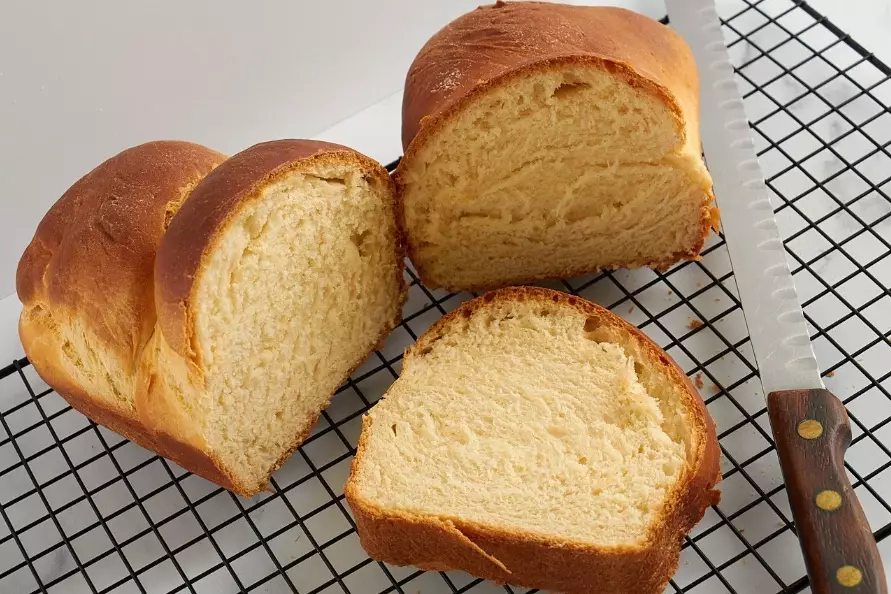
Baking and Beyond: Setting the Softness
The oven is where everything gets locked in.
Steam is your secret weapon for initial oven spring. The burst of heat and steam keeps the crust soft and supple for the first few minutes, allowing the dough to expand to its maximum volume before the crust sets. You can create steam by spraying the oven walls with water (carefully!) or placing a pan of boiling water on the bottom rack.
Temperature matters. Most soft breads bake well at 375-400°F (190-200°C). Too low, and the bread dries out before it sets. Too high, and the crust sets before the inside has fully expanded.
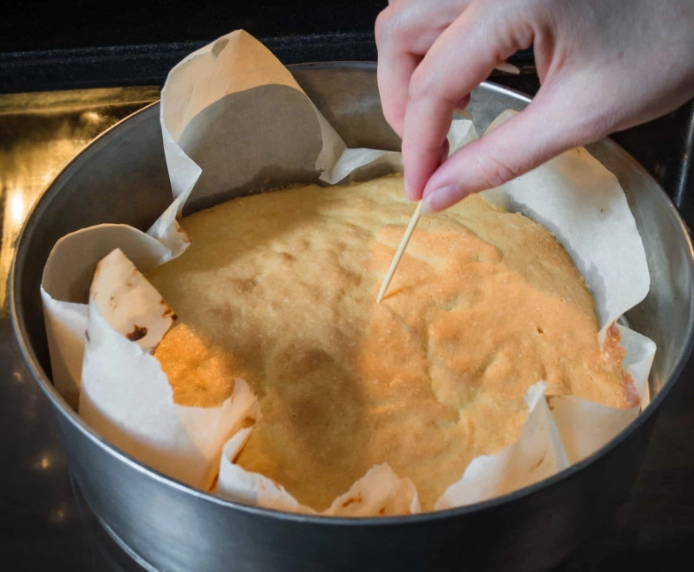
Don't skip the internal temperature test. A perfectly baked loaf of bread will register 190-210°F (88-99°C) at its center when measured with an instant-read thermometer. This ensures the starches are fully gelatinized and the structure is set.
Cooling is part of baking. I know it's tempting, but you must let the bread cool completely on a wire rack. Slicing into a hot loaf releases steam that hasn't yet been re-absorbed into the crumb, leaving you with a gummy, damp texture. The crumb structure finishes setting as it cools.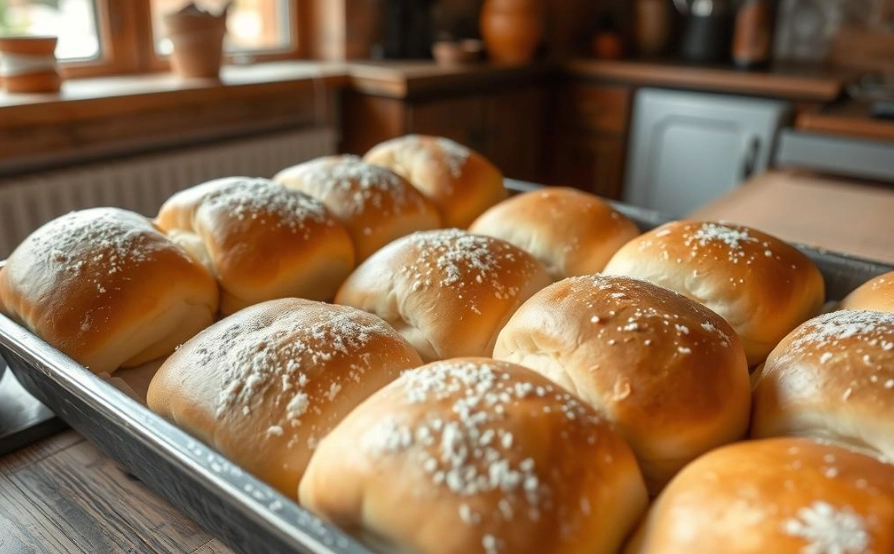
Common Mistakes That Lead to Dense Bread (And How to Fix Them)
Let's diagnose the usual suspects. If your bread is dense, check this list.
| Mistake | Why It Happens | The Fix |
|---|---|---|
| Old Yeast | Yeast loses potency over time. It might bubble a little but lacks the power for a full rise. | Test yeast in warm water with a pinch of sugar. It should foam vigorously in 5-10 minutes. Store yeast in the freezer. |
| Under-proofing | The dough hasn't produced enough gas or developed the right acidity to relax the gluten. | Let it rise until truly doubled. Use the fingertip test. Be patient—it might take longer on a cool day. |
| Over-flouring the Surface | Adding cups of flour during shaping to prevent sticking works, but it creates dry, tough patches in your dough. | Use a light dusting of flour or a non-stick silicone mat. A bench scraper is your best friend for handling sticky dough. |
| Incorrect Oven Temperature | An oven that runs cold won't create a strong oven spring; one that runs too hot sets the crust prematurely. | Use an oven thermometer. Preheat for a full 30-45 minutes. |
| Kneading in a Food Processor | The intense, fast friction can overheat and over-knead the dough in seconds, breaking down the gluten. | Use a stand mixer with a dough hook or your hands for better control. |
My own worst loaf came from a combination of rushing the proof (it was a busy day) and then being overzealous with flour on the counter. The result was a sad, tight-crumbed brick that made decent croutons but not much else. It taught me to respect the timeline of the dough.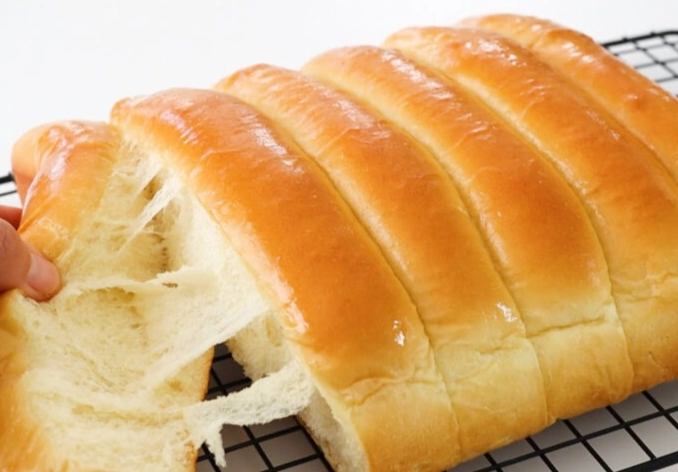
Your Soft Bread Questions, Answered
What is the most important ingredient for soft bread?
Can I make soft bread without a stand mixer?
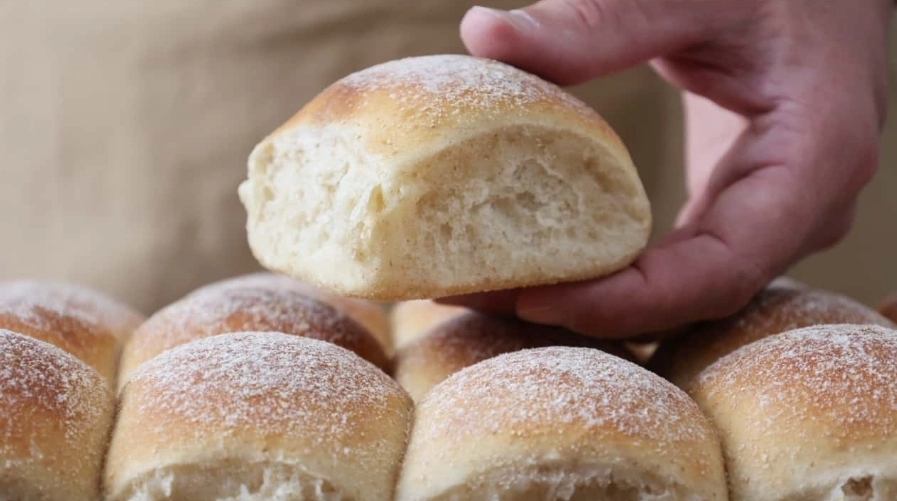 Why is my homemade bread dense and not fluffy?
Does adding milk or fat really make bread softer?
Getting that dreamy, soft and fluffy texture isn't about one trick. It's a chain of events: choosing the right flour, hydrating it properly, developing—but not over-developing—the gluten, giving fermentation the time it deserves, and baking with purpose. When each step is respected, the result is inevitable. A loaf that's light, tender, and profoundly satisfying. Now go preheat your oven.

Leave a Comment