Let's be honest. Most homemade pizza recipes promise restaurant quality but deliver a sad, soggy mess. The crust is either tough like cardboard or floppy, the sauce tastes like sweet ketchup, and the cheese slides off in one greasy sheet. I've been there. After years of trial, error, and a few inedible frisbees, I cracked the code. Making incredible pizza at home isn't about fancy equipment; it's about nailing a few non-negotiable fundamentals. This guide strips away the fluff and gives you the exact steps, ratios, and—most importantly—the why behind each one.
What You'll Learn in This Guide
How to Make Perfect Pizza Dough at Home
The foundation of everything. Get this wrong, and no amount of toppings will save you. The goal is a crust that's crisp on the bottom, chewy and airy inside, with a complex flavor. Forget bread flour vs. all-purpose debates for a second. The single biggest factor is time.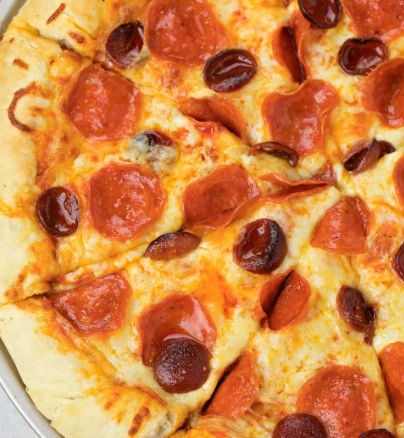
Basic Neapolitan-Style Dough (Makes two 12-inch pizzas)
- 500g (about 4 cups) bread flour (Higher protein creates better gluten structure)
- 325g (1 ⅓ cups + 1 tbsp) warm water (65% hydration – this is key for an open crumb)
- 10g (2 tsp) fine sea salt
- 3g (1 tsp) active dry yeast (That's it. Less yeast means slower, better fermentation.)
- 5g (1 tsp) olive oil (Optional, adds tenderness)
Here's the process, broken down:
Mixing and Kneading: Less is More
Combine everything in a bowl until it forms a shaggy mass. Let it rest for 20 minutes (autolyse). This lets the flour hydrate fully, making kneading easier. Then, knead for just 5-7 minutes until smooth. You don't need a stand mixer. The dough should be slightly tacky but not stick to your clean hands. If it's sticking, you likely measured the flour incorrectly (always weigh for accuracy).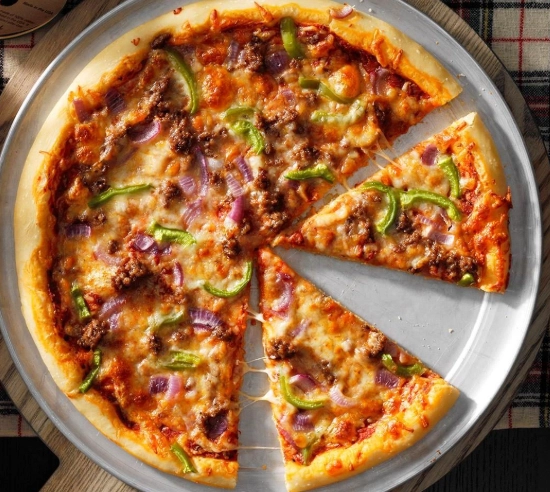
The Fermentation Secret: Cold and Slow
This is where most recipes drop the ball. They tell you to let it rise for 1-2 hours. Don't. Place the dough ball in a lightly oiled container, cover it, and put it in the fridge. For at least 24 hours, up to 72 hours. This long, cold fermentation is the magic. The yeast works slowly, developing incredible flavor (those subtle, tangy notes) and a stronger, more elastic gluten network. It also makes the dough much easier to handle.
The 3-Ingredient Pizza Sauce That Beats Any Jar
Your sauce should be a bright, savory accent, not a sweet, gloppy stew. The best pizza sauce is uncooked. Cooking it concentrates the sugars and mutes the fresh tomato flavor. Here's all you need:
- One 28-oz can of whole San Marzano tomatoes (Look for D.O.P. certification. The difference in flavor and lower water content is real.)
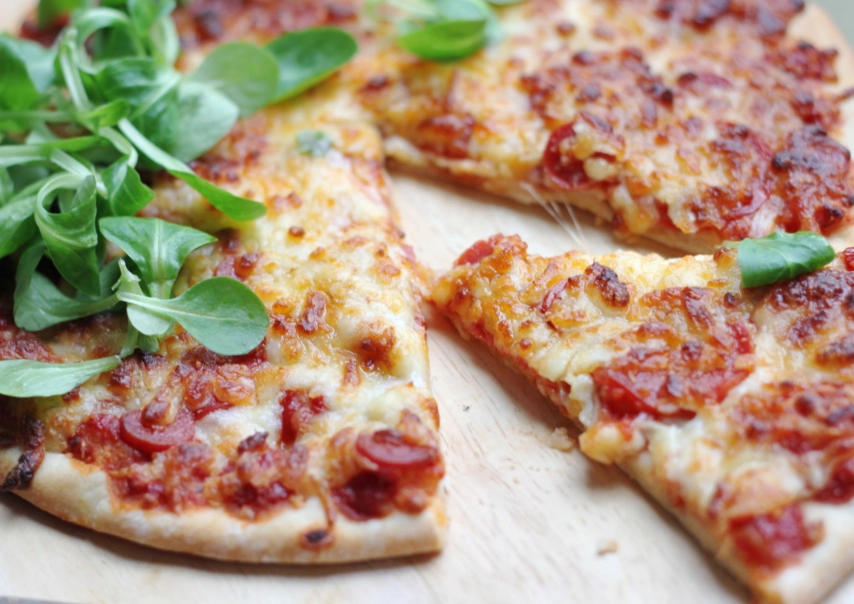
- 3-5g (about 1 tsp) fine sea salt
- A few fresh basil leaves (Optional, but authentic)
Drain the tomatoes from their liquid (save it for soups!). Crush them by hand in a bowl or pulse briefly in a food processor. You want a chunky texture, not a smooth puree. Mix in the salt and torn basil. That's it. The salt will draw out the natural tomato flavor. This sauce explodes with a clean, acidic brightness that cooked sauces can't match.
Choosing and Arranging Your Pizza Toppings
Less is more. A overloaded pizza steams instead of bakes, leading to a soggy center. Think of toppings as accents, not the main event.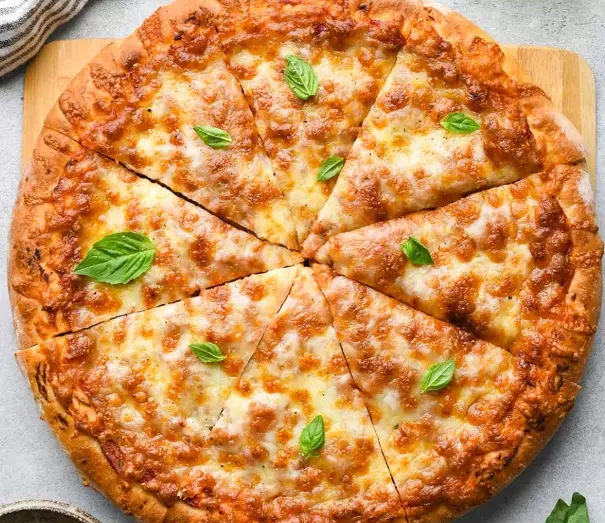
| Topping | Key Preparation Step (The Game Changer) | Why It Matters |
|---|---|---|
| Fresh Mozzarella | Slice and drain on paper towels for 1-2 hours. | Removes excess moisture that would make your pizza soggy. |
| Pepperoni | Use smaller, thicker cups. | Cups up when baked, creating little pools of flavorful fat. |
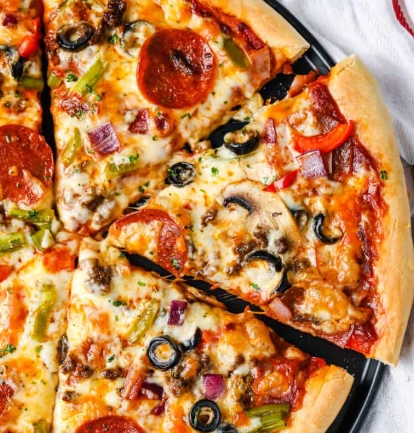
| Vegetables (Mushrooms, Peppers, Onions) | Sauté or roast briefly before adding. | Removes water and concentrates flavor. Raw veggies release too much steam. |
| Fresh Herbs (Basil, Arugula) | Add after baking. | Preserves their fresh flavor and vibrant color. |
Cheese application is critical. Use a moderate hand and leave a small border between cheese and crust edge. This allows the crust to puff up properly (the cornicione). Grated, low-moisture mozzarella is easier for beginners, but the flavor of fresh mozzarella is superior if you drain it properly.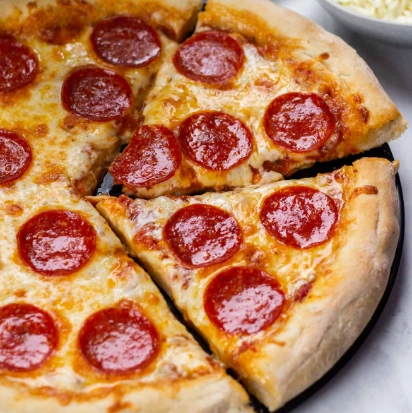
How to Bake Pizza in a Home Oven
You don't have a 900°F wood-fired oven. Neither do I. We compensate with strategy and the right surface.
1. Preheat Like Your Life Depends On It
Place your pizza stone or steel on a rack in the upper third of your oven. Preheat to your oven's maximum temperature (usually 500-550°F / 260-290°C) for at least one full hour. The stone needs time to store massive thermal energy. A half-hour preheat is insufficient.
2. Shaping the Dough (The Gentle Approach)
Take your cold dough ball from the fridge and let it sit at room temp for an hour. Don't use a rolling pin. It crushes the gas bubbles you worked so hard to create. Gently press the center with your fingertips, working outwards, leaving a thick border. Then, use the backs of your hands to gently stretch, letting gravity do the work.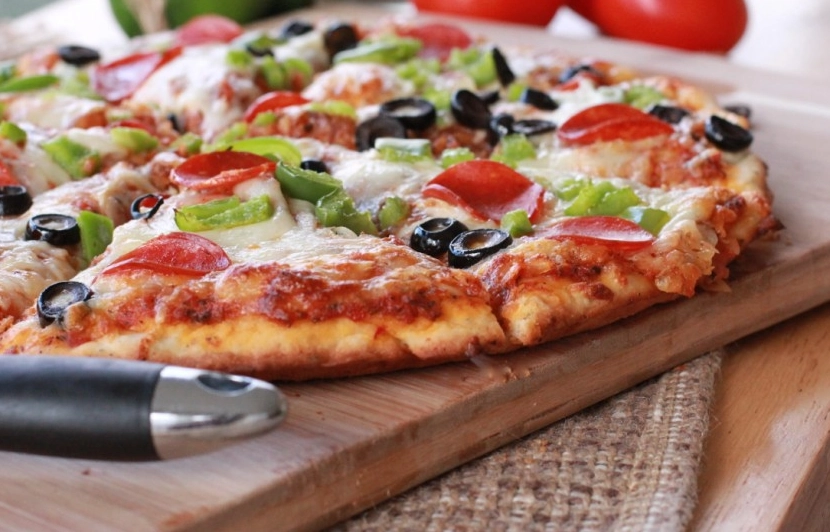
3. The Bake
Assemble your pizza quickly on a floured peel (or an inverted baking sheet). Give it a shake to ensure it's not stuck. Slide it onto the screaming hot stone. Bake for 6-10 minutes, rotating halfway, until the crust is puffed and charred in spots and the cheese is bubbly and browned.
Top 5 Homemade Pizza Mistakes (And How to Fix Them)
- Using Too Much Yeast and Rushing the Rise: This gives you a puffy but flavorless crust with a yeasty aftertaste. Fix: Use less yeast and ferment cold for 24+ hours.
- Overloading with Wet Toppings: Creates a soupy, undercooked center. Fix: Pre-cook watery veggies. Drain cheeses. Practice restraint.
- Not Preheating the Baking Surface Long Enough: Results in a pale, soft bottom crust. Fix: Preheat your stone/steel for a full 60 minutes.
- Using a Rolling Pin to Shape: Compresses the dough, making it dense. Fix: Stretch by hand gently.
- Spreading Sauce to the Edge: Prevents the crust border from rising properly. Fix: Leave a ¾-inch to 1-inch border bare.



Leave a Comment