Let's be honest. Most store-bought pizza sauce is a letdown. It's either too sweet, tastes like tin, or is just... boring. I spent years tweaking my pizza dough, buying fancy cheese, only to ruin it with a mediocre sauce from a shelf. Then I tried making my own. The difference wasn't subtle; it was a revelation. A rich, tomatoey base with the perfect balance of herbs and a hint of garlic that cooked into the crust. It made my homemade pizza taste, well, like it came from a real pizzeria. And the best part? It's embarrassingly simple. This isn't about slaving over a stove for hours. It's about knowing a few key tricks that turn a can of tomatoes into magic.
In This Guide: Your Sauce Journey
Why Homemade Pizza Sauce Wins Every Time
You control everything. That's the short answer. When you make pizza sauce from scratch, you decide the salt level, the sweetness, the thickness, and the herb profile. Most commercial sauces add sugar (or high-fructose corn syrup) as a cheap flavor enhancer and preservative. Have you ever wondered why your pizza sometimes tastes vaguely like ketchup? That's why. Homemade sauce lets the natural sweetness of quality tomatoes shine through.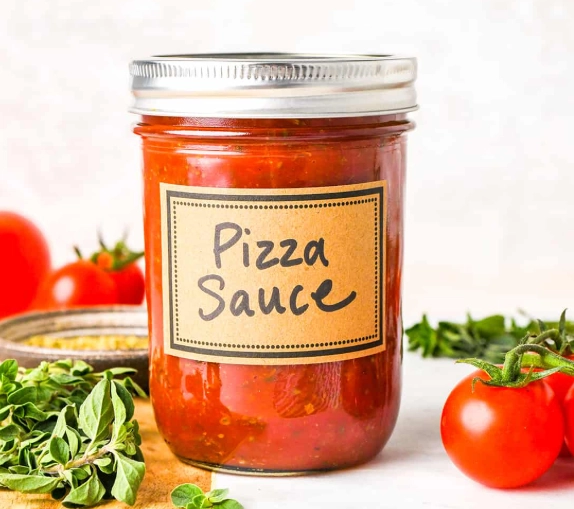
It's also fresher. Dried herbs in a jar lose their potency over months on a shelf. Adding a pinch of dried oregano you bought last week versus one that's been sitting in a factory for a year makes a world of difference. The flavor is brighter, more aromatic.
And let's talk cost. A 28-ounce can of good whole peeled tomatoes costs about the same as a 15-ounce jar of mid-range pizza sauce. From that one can, you'll get nearly double the amount of superior sauce. It's a no-brainer for your wallet and your taste buds.
The 5 Essential Ingredients (And What to Avoid)
Great homemade pizza sauce doesn't need a long ingredient list. In fact, simplicity is its strength. Here’s what you absolutely need, and one common ingredient you should think twice about.
1. Canned Tomatoes: This is the foundation. You want whole peeled plum tomatoes (like San Marzano or a good domestic brand). They're picked at peak ripeness and canned quickly. Avoid "pizza sauce" or "crushed tomatoes" that already have seasonings added—you're the boss here. The quality of your tomato directly dictates the quality of your sauce.
2. Good Olive Oil: A couple of tablespoons of extra virgin olive oil adds fruity depth and helps carry the flavors of the herbs. Don't use your fancy finishing oil for cooking; a decent, mid-range EVOO is perfect.
3. Garlic: One or two fresh cloves, finely minced or pressed. Powdered garlic can't compare. A tiny, often overlooked trick? Don't brown it. Cook it gently in the oil just until fragrant (about 30 seconds) to avoid any bitter, burnt taste.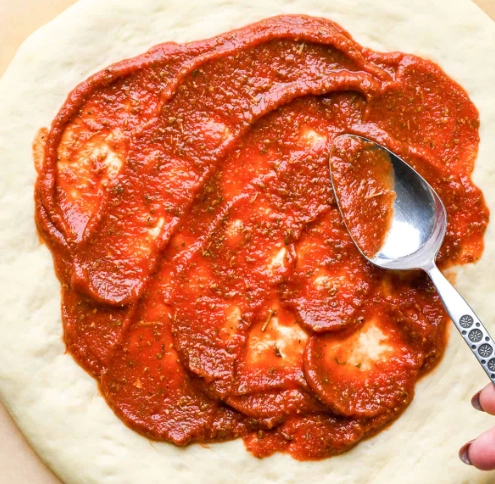
4. Dried Oregano: The classic pizza herb. Dried is actually better than fresh here because its flavor is more concentrated and stands up to the oven's heat. Crush it between your palms as you add it to wake up the oils.
5. Salt: Kosher salt or sea salt. It's not just for seasoning; it brightens the tomato flavor.
How to Make Homemade Pizza Sauce: A Step-by-Step Guide
This is my go-to, no-cook method. It's fast, preserves the fresh tomato flavor, and thickens perfectly in the hot oven. The whole process takes about 10 minutes.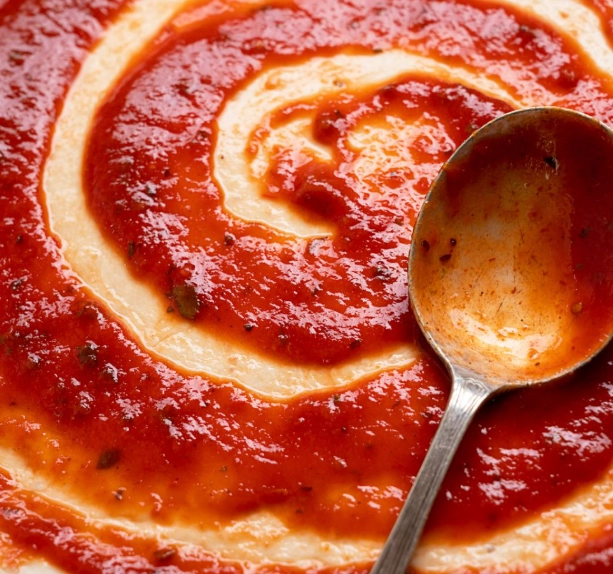
Gather Your Tools
A food processor or blender, a bowl, a fine-mesh strainer (optional but helpful), and a spatula.
The Process
First, open your can of whole peeled tomatoes. Pour them into the strainer over a bowl to catch the juice. Let them drain for a minute. You want to get rid of most of that liquidy puree they're packed in—it's too watery for our purposes. (Save the juice! It's great for soups or drinking.)
Add the drained tomatoes to your food processor. Throw in your minced garlic, a generous tablespoon of olive oil, a teaspoon of dried oregano (crushed), and about 3/4 teaspoon of kosher salt.
Pulse it. Don't over-blend into a super smooth puree. You're aiming for a texture with a little bit of body, some small tomato pieces still visible. It should look rustic, not like baby food. This gives the sauce a better mouthfeel on the pizza.
Taste it. This is crucial. Dip a spoon in. Does it need more salt? A pinch more oregano? Adjust now. Remember, the flavors will concentrate a bit when it bakes. It should taste vibrant and a little salty on its own.
And that's it. Seriously. No cooking. The sauce will cook with the pizza, melding its flavors into the cheese and crust in a way pre-cooked sauce never does.
Tomato Showdown: Which Type is Best for Your Sauce?
This is where most people get stuck. The tomato aisle is overwhelming. Here’s a breakdown to cut through the confusion.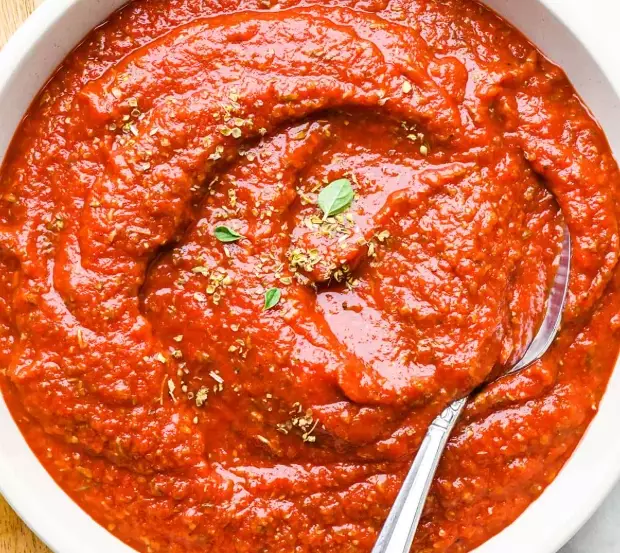
| Tomato Product | Best For | Flavor & Texture Notes | Prep Needed |
|---|---|---|---|
| Whole Peeled Plum Tomatoes (San Marzano DOP) | The gold standard. Authentic, rich flavor, fewer seeds, lower acidity. | Sweet, complex, thick flesh. Makes a vibrant red sauce. | Drain excess liquid, crush by hand or pulse in processor. |
| Whole Peeled Plum Tomatoes (Standard) | Excellent, reliable, and more affordable. Look for "plum" or "Roma." | Balanced sweet-tart flavor. Consistent results. | Same as above. A fantastic everyday choice. |
| Crushed Tomatoes | Convenience. Good in a pinch. | Can be slightly more watery or acidic. Check label for added puree or citric acid. | Minimal. Just season. May need a longer drain in a strainer. |
| Tomato Puree or Passata | A very smooth, restaurant-style sauce. | Very smooth texture, can taste flat or "cooked" compared to whole tomatoes. | Just season. Often needs a bit of tomato paste to deepen flavor. |
| Fresh Ripe Tomatoes | Peak summer only. A project. | Incredibly fresh, bright flavor, but very watery. | Blanch, peel, seed, and drain extensively to remove water. Not recommended for beginners. |
My verdict? Start with a can of good whole peeled tomatoes. The difference in flavor and texture over pre-crushed is noticeable and worth the extra 30 seconds of draining and pulsing.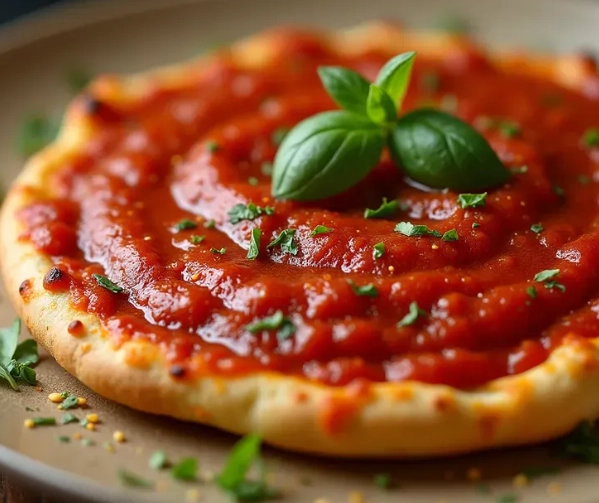
Pro Tips, Storage, and How to Use Your Sauce
You've made a bowl of fantastic sauce. Now what?
The Secret Weapon: Tomato Paste. This is my non-negotiable pro tip. After you've pulsed your sauce, stir in a tablespoon of tomato paste. Don't cook it first, just mix it in. It won't taste raw. What it does is add an intense, concentrated tomato depth (umami, if you want the fancy term) and helps thicken the sauce naturally, ensuring no sogginess. It's the trick that makes people ask, "What did you put in this?"
Storage: This sauce keeps beautifully. Pour it into a sealed container and it'll last 5 days in the fridge. For longer storage, freeze it in an ice cube tray, then pop the cubes into a freezer bag. One or two cubes are perfect for a single pizza. Thaw in the fridge overnight.
How Much to Use: Don't drown your pizza. For a standard 12-inch pizza, use about 1/2 to 2/3 cup of sauce. Spread it thinly with the back of a spoon, leaving a small border for the crust. Less is more—you want a flavor layer, not a soup.
Beyond Pizza: This sauce is incredibly versatile. Use it as a quick dip for breadsticks or mozzarella sticks, a base for a fast pasta arrabbiata (add red pepper flakes), or a simmering sauce for meatballs. Once you have it on hand, you'll find excuses to use it.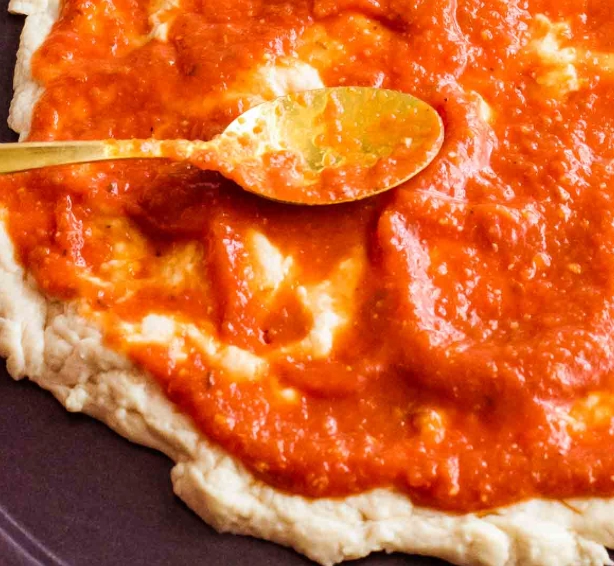
Your Homemade Pizza Sauce Questions, Answered
Can I use fresh tomatoes instead of canned?
You can, but it's a different, more advanced project. Fresh tomatoes (like Romas) are about 95% water. To avoid a watery pizza disaster, you need to blanch them to peel them, cut them open to remove the seeds and gel, then grate or chop the flesh and let it drain in a colander for at least 30 minutes to remove even more liquid. The yield is low and the flavor, unless your tomatoes are garden-perfect, can be less intense than good canned ones. I only do this in late August with tomatoes from my farmer's market. For reliability year-round, canned is superior.
My sauce tastes acidic or tinny. How do I fix that?
The tinny taste usually comes from the can itself, not the tomatoes. Always transfer your tomatoes to a non-reactive bowl (glass, ceramic, stainless steel) immediately after opening. Never store leftover tomatoes in the can. For acidity, a tiny pinch of sugar is the common fix, but try this first: add a small pinch of baking soda (literally 1/8 teaspoon). It neutralizes acid without adding sweetness. Mix it in and wait a minute, then taste. The other culprit could be your tomato brand—some are more acidic than others. Try a different one next time.
Should I cook the sauce before putting it on the pizza?
I strongly recommend you don't. An uncooked (raw) sauce has a brighter, fresher tomato flavor. When you put it on the raw dough and bake it, the sauce cooks and reduces right into the pizza, creating a better bond with the crust. A pre-cooked sauce can sometimes just sit on top, and you lose that integration. The only time I pre-cook is if I'm making a large batch for freezing and want to concentrate the flavor a bit more, but for immediate use, raw is the way to go.
How can I make my sauce thicker so it doesn't make the crust soggy?
Three keys. First, drain your canned tomatoes well, as described in the recipe. Second, add that tablespoon of tomato paste—it's a game-changer for thickness and flavor concentration. Third, don't over-sauce the pizza. A thin, even layer is all you need. If you're still worried, you can lightly pre-bake your dough (without sauce or cheese) for 3-4 minutes before adding toppings. This creates a barrier.
Can I make this sauce ahead of time for meal prep?
Absolutely. In fact, the flavors improve after melding in the fridge for a day. Make a double or triple batch on Sunday, store it in a jar, and you have instant pizza (or pasta) night readiness for the whole week. It freezes perfectly for up to 3 months. This is the ultimate meal prep hack for easy, impressive dinners.


Leave a Comment