Quick Guide
You know that feeling. You’re craving something sweet, simple, and satisfying. Not a fancy cake, not a fussy pastry. Just a good, honest cookie. That’s the sugar cookie. It’s the blank canvas of the baking world, and its power lies in its beautiful simplicity. But that simplicity can be deceiving. Get one of the core elements wrong, and your dream of a crisp-yet-tender, buttery-sweet treat can turn into a puddle of disappointment or a hockey puck.
So let’s cut right to the chase. What are the three ingredients in sugar cookies? At its most fundamental, stripped-down level, a classic sugar cookie dough needs just three things: flour, butter, and sugar. That’s it. Flour for structure, butter for flavor and texture, and sugar for sweetness and, crucially, tenderness.
It sounds almost too easy, right? I thought so too when I first started. I figured, "Three ingredients? How hard can it be?" My first batch was a disaster—they spread into one giant, greasy cookie-sheet blob. The problem wasn't the list; it was my understanding of how those ingredients work together. That’s what we’re really going to dig into here.
Breaking Down the Big Three
Anyone can list three items. But knowing why they’re there and how to choose the right ones is what separates a so-so cookie from a spectacular one. Let’s get personal with each member of this essential trio.
Flour: The Backbone of Your Cookie
Flour is what gives your cookie structure. When mixed with liquid (from the butter and eggs, if you use them), the proteins in flour (glutenin and gliadin) get together and form gluten. Think of gluten as a network of tiny elastic bands. More mixing and more protein mean more gluten, which means a tougher, chewier structure. For a tender sugar cookie, you want to develop just enough gluten to hold things together, but not so much that it becomes tough.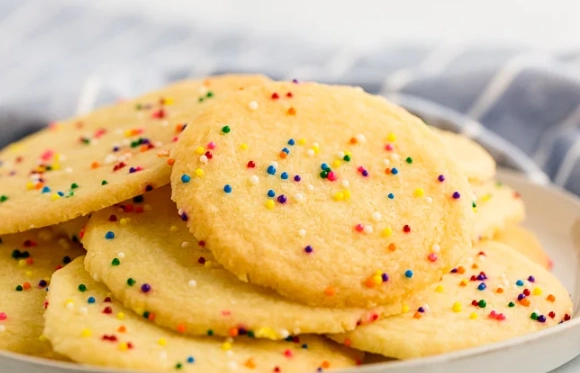
That’s why the type of flour matters.
Most classic sugar cookie recipes call for all-purpose flour. It’s the Goldilocks option—not too much protein, not too little. It gives you a reliable structure that’s still tender. Bread flour, with its high protein content, will make your cookies too tough and chewy (save that for bagels). Cake flour, on the other hand, is very low in protein and would make an extremely tender, almost crumbly cookie that might not hold its shape well for cut-outs.
Pro Tip: If you find your cookies are spreading too much, a tiny swap can help. Try replacing 2-3 tablespoons of the all-purpose flour in your recipe with an equal amount of cornstarch. It “softens” the flour’s protein, promoting a more delicate, melt-in-your-mouth texture and can help with spread control. It’s a neat little baker’s trick.
And here’s a question I get a lot: can you use gluten-free flour? Absolutely. A 1:1 gluten-free baking blend (like those from King Arthur Baking or Bob’s Red Mill) works well. The texture might be slightly more sandy or short, but it’s a great option. The key is to use a blend meant for baking, not a single flour like almond or coconut, which behave completely differently.
Butter: The Flavor King (and Texture Wizard)
If flour is the backbone, butter is the soul. It’s not just fat; it’s flavor, moisture, and a key player in texture. The temperature of your butter is arguably the most critical variable in your entire baking process. It’s messed up more of my batches than anything else.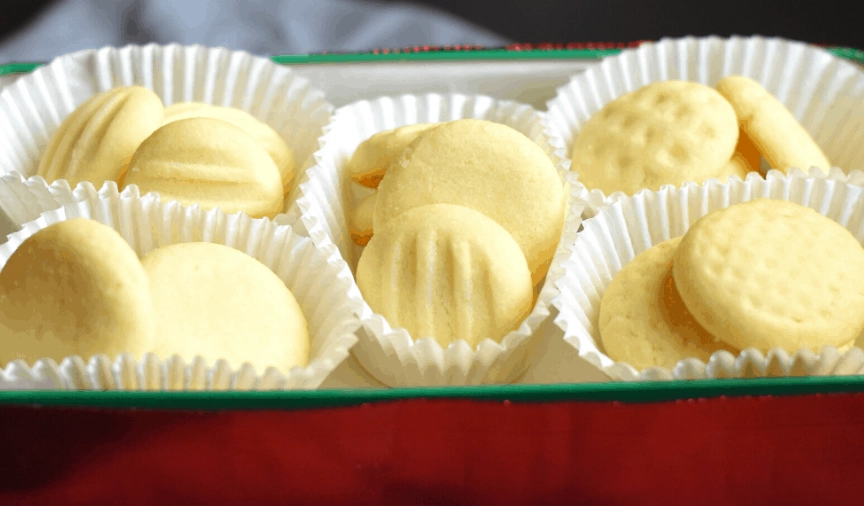
Unsalted butter is the unanimous choice for bakers. Why? You want total control over the salt level in your recipe. Different butter brands have different salt amounts. Starting unsalted lets you add the exact salt you want (and yes, you always want a little salt—it makes the sweet flavors pop).
Let’s talk temperature. Recipes scream "room temperature butter" for a reason. What does that mean? It should be cool to the touch but soft enough that you can easily press a finger into it, leaving a clear indentation. It shouldn’t be greasy, melted, or shiny. If it’s too cold, it won’t cream properly with the sugar. If it’s too warm, it won’t trap air during creaming, leading to a dense cookie, and it will cause excessive spread in the oven.
My Biggest Mistake: I used to think "room temperature" meant taking it out of the fridge 15 minutes before baking. In a cool kitchen, that’s nowhere near enough. Now, I plan ahead and leave it out for at least an hour, sometimes two. Patience is a baking ingredient too.
What about margarine or shortening? You can use them, but I don’t love the flavor trade-off. Shortening makes a cookie that holds its shape incredibly well (great for detailed cut-outs) and stays softer longer, but it lacks that irreplaceable, rich buttery taste. Margarine often has more water, which can throw off your texture. For the best flavor, stick with real butter. The USDA even has guidelines on what constitutes butter, which is why the real stuff is so consistent for baking.
Sugar: More Than Just Sweetness
This seems obvious, right? Sugar=sweet. But its role is so much more sophisticated. Sure, it sweetens, but it also tenderizes by interfering with gluten formation, it helps with browning (through caramelization), and it retains moisture, keeping your cookies from turning into rocks a day later.
The type of sugar changes the game. The standard is granulated white sugar. It gives you that classic crisp edge and chewy center if your recipe is designed for it. But have you ever wondered why some recipes use powdered sugar (confectioner’s sugar)? Powdered sugar contains a bit of cornstarch, which, as we mentioned, tenderizes. Cookies made with powdered sugar often have a finer, more delicate, almost shortbread-like crumb. They’re less likely to spread wildly.
And then there’s brown sugar. It contains molasses, which adds moisture and a deep, caramel-like flavor. Using some brown sugar in place of white will give you a softer, chewier cookie with a richer taste. It’s a fantastic variation, though it strays from the "pure" sugar cookie flavor.
So, when someone asks, "What are the three ingredients in sugar cookies?" you can now say: flour for structure, butter for flavor and texture, and sugar for sweetness and tenderness. But the magic is in the details of each.
The Classic Ratio: A Simple Blueprint
Knowing the players is one thing. Knowing how much of each to use is another. While every recipe has its quirks, most foundational sugar cookie recipes hover around a common ratio. This isn't a hard rule, but a starting point that explains why recipes work.
Think of it as a parts game. A very common foundational ratio by weight is roughly 3 parts flour : 2 parts butter : 1.5 parts sugar (e.g., 300g flour, 200g butter, 150g sugar). This creates a dough that’s sturdy enough to roll out but still tender.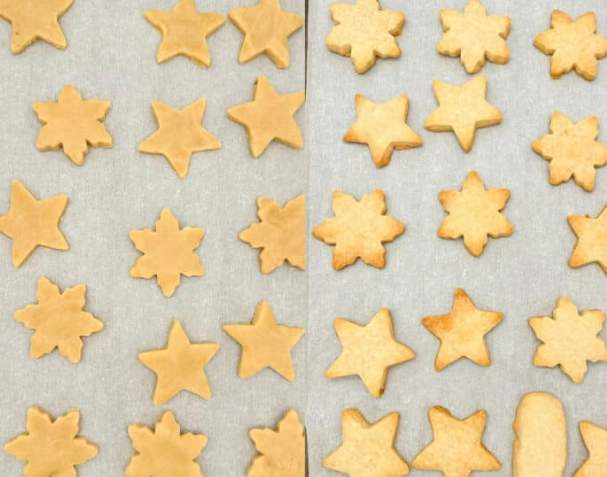
Here’s a quick look at how this basic trio functions in the most straightforward recipe:
| Ingredient | Primary Role | What Happens If You Change It? | Best Practice |
|---|---|---|---|
| All-Purpose Flour | Provides structure & framework. | Too much = dry, tough cookie. Too little = excessive spread, greasy feel. | Measure by weight with a scale for accuracy. If using cups, fluff, spoon, and level. |
| Unsalted Butter | Adds flavor, moisture, and affects spread & texture. | Too warm = flat, greasy cookie. Too cold = dense, crumbly cookie. | Bring to true room temp (65-68°F / 18-20°C). Use unsalted for control. |
| Granulated Sugar | Sweetens, tenderizes, promotes browning. | Too much = over-spread, over-browning. Too little = bland, pale, dry cookie. | White sugar for crispness. Blend with powdered or brown for texture variation. |
This ratio is your skeleton. Almost every recipe you see adds to it—eggs for richness and binding, leaveners like baking powder for lift, vanilla for flavor, salt to balance. But these three are the non-negotiable foundation. When you understand their balance, you can start to look at any recipe and predict how the cookie will behave.
Beyond the Basics: The "Secret" Fourth and Fifth Ingredients
Okay, I can hear you thinking, "But my grandma’s recipe has eggs and vanilla!" You’re absolutely right. While we can talk about the three core structural ingredients, most recipes we know and love include a couple of other key players that transform the basic dough into the cookie we recognize.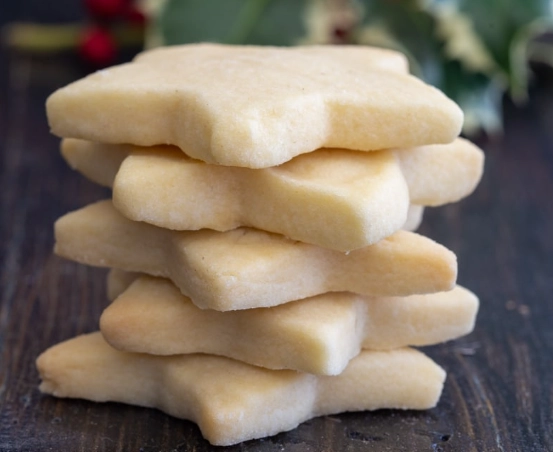
Let’s call them the essential supporters.
Eggs (usually just the yolk, sometimes the whole egg) are a binder and enrich the dough. They add fat and emulsifiers (lecithin) that help create a smoother, more cohesive dough. A yolk will make a richer, more tender cookie that browns nicely. A whole egg adds more structure and can make it slightly cakier.
Vanilla Extract is the flavor enhancer. It rounds out the buttery and sweet notes, adding depth. You could technically leave it out, but why would you? It’s like salt—it makes everything else taste more like itself. A pure extract like those recommended by the Nielsen-Massey brand makes a noticeable difference over imitation.
So, in practice, when bitters ask what are the three ingredients in sugar cookies, they often mean the core dry/wet foundation. But for a complete, delicious cookie, you’re almost always looking at flour, butter, sugar, egg, and vanilla as the starting five.
Your Sugar Cookie Questions, Answered
Can I make sugar cookies with just the three ingredients?
Technically, yes. Mix softened butter and sugar, work in the flour, shape, and bake. You’ll get a very shortbread-like cookie. It will be crumbly, sandy, and rich. It’s delicious in its own way! But it won’t have the cohesive, rollable dough or the slight chew that most American-style sugar cookies have. The egg (or even just a yolk) really helps bind it into a more versatile dough.
Why did my cookies spread into one big blob?
This is the #1 problem. It usually comes down to two culprits related to our big three:
1. Butter too warm: If your butter was meltingly soft or your dough got warm, it will spread before it sets in the oven.
2. Flour mis-measured: If you scooped flour directly from the bag with your measuring cup, you likely packed in too much, but the ratio is actually off—effectively, you have too little flour relative to your butter. Always spoon and level flour into a cup, or use a scale.
A quick fix is to chill your shaped dough balls on the baking sheet for 15 minutes before baking. It solidifies the butter.
Can I reduce the sugar?
You can, but remember sugar is a tenderizer and moisturizer. Reducing it by more than 25% will give you a drier, tougher, and less flavorful cookie. It might also spread less. If you want less sweetness, I’d suggest slightly reducing it and adding a pinch more salt to balance what sweetness remains.
My cookies are tough. What went wrong?
Overmixing. Once you add the flour, mix just until the streaks disappear. Developing too much gluten is the enemy of tenderness. Also, check your flour—did you accidentally use bread flour?
Hands-On vs. Mixer: I prefer using a hand mixer for creaming the butter and sugar (to get that crucial air in there), but I always switch to a spatula or wooden spoon when adding the flour. It gives me more control and prevents overmixing. It’s a small step that makes a big difference in texture.
Leveling Up: Pro Tips from the Three Ingredients Outward
Once you’ve mastered the balance of flour, butter, and sugar, the world of sugar cookies opens up. Here’s how the pros use this knowledge.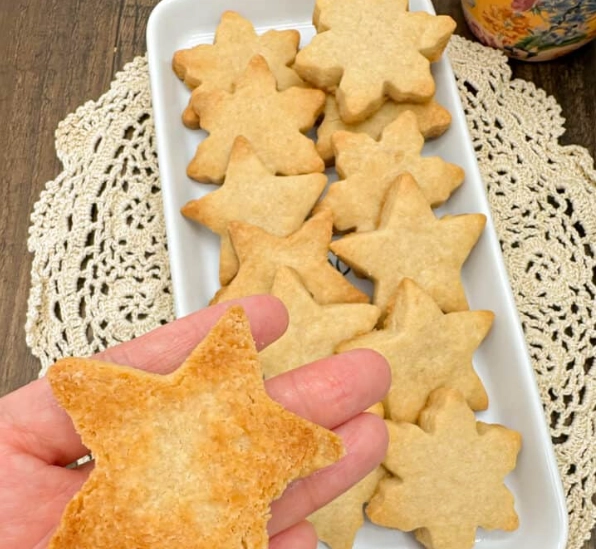
Ingredient Temperature is Everything: We said it before, but it’s worth its own headline. Your butter should be cool-room-temp. Your eggs should be room temp too (to avoid seizing the butter). If your kitchen is hot, work quickly or even chill your dough partway through mixing.
The Creaming Method is Non-Negotiable: Beating the room-temperature butter and sugar together for a good 2-3 minutes until light and fluffy isn’t busywork. It’s incorporating tiny air bubbles that act as leavening, giving your cookie a better texture. Don’t rush this step.
Chill Your Dough: After mixing, wrap the dough and chill it for at least 1 hour, preferably overnight. This hydrates the flour evenly, firms up the butter, and deepens the flavors. It also prevents spread. I never skip this.
Weigh Your Ingredients: A cup of flour can weigh anywhere from 120 to 150 grams depending on how you scoop it. That’s a huge variance that directly affects your flour-butter-sugar balance. A $20 kitchen scale is the best investment for consistent baking. Resources like the USDA’s FoodData Central can give you precise weight conversions for ingredients if you’re converting an old volume recipe.
So, what are the three ingredients in sugar cookies? They’re flour, butter, and sugar. But they’re also science, patience, and a little bit of practiced feel. Start with good quality versions of each, understand their roles, handle them with care, and you’ll have a timeless treat that never goes out of style. The best part? Once you own this basic formula, you can add citrus zest, spices, sprinkles, or dip them in chocolate—the classic trio is your perfect, reliable starting point.
Go preheat your oven. It’s cookie time.


Leave a Comment