Let's be honest. Your first few attempts at gluten free baking probably didn't go as planned. I've been there. A brick-like loaf of bread, cookies that spread into one giant, crumbly mess, or a cake with the texture of dry sand. It's discouraging. I spent years thinking gluten free baking was just destined to be second-rate—a necessary compromise for health. I was wrong. The real secret isn't just finding a recipe; it's understanding why gluten free flours behave so differently and learning how to work with them, not against them.
What You'll Discover
How Gluten Free Flours Behave Differently
Wheat flour is a brilliant, complex ingredient. Its gluten proteins form an elastic network that traps air, giving bread its rise and chew. When you remove it, you're not just removing an ingredient; you're removing the structural engineer of your bake. That's why throwing a single flour like rice flour into a traditional recipe leads to disaster. You need a team of ingredients to do the job.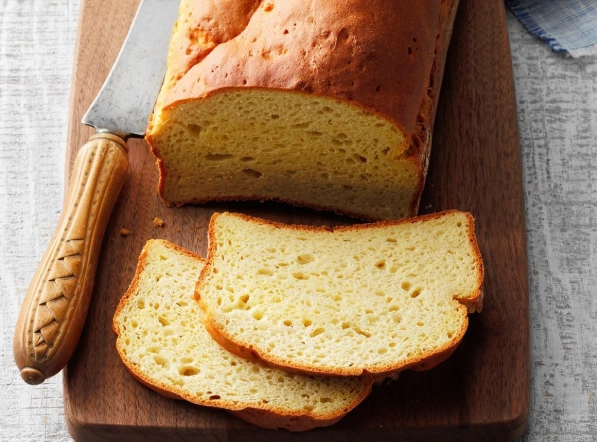
Think of it like building a house. You need bricks (protein flours), mortar (starches), and rebar (binders).
My Non-Consensus View: Everyone talks about flour blends, but the real game-changer is patience. Gluten free batters and doughs need time to hydrate. Letting your mixed batter rest for 30 minutes before baking allows the flours and gums to fully absorb liquid, leading to a less gritty, more cohesive crumb. It's a step most recipes omit, but it's critical.
The Flour Team: Who Does What?
Here’s a breakdown of the key players. I don't just buy a pre-mixed blend; I keep these separate to have full control.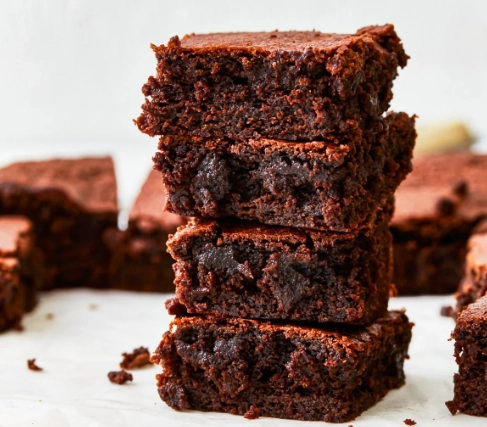
| Flour Type | Role & Flavor | Best Used In | Notes |
|---|---|---|---|
| Brown Rice Flour | Neutral base flour, mild nutty taste. | Breads, cookies, pancakes. | Can be gritty; often combined with starches. |
| Almond Flour | Adds moisture, richness, protein. | Cookies, cakes, muffins. | High fat content, can make things dense. |
| Oat Flour | Adds chewiness, mild flavor. | Cookies, muffins, quick breads. | Ensure it's certified gluten-free. |
| Tapioca Starch | Lightness, chew, binding. | Almost everything (in combo). | Great for creating "stretch" in pizza dough. |
| Potato Starch | Lightness, moisture retention. | Cakes, breads, gravies. | NOT potato flour! That's a dense, distinct product. |
Three Foolproof Core Recipes to Master First
Start here. Master these, and you'll understand the principles that apply to almost everything else.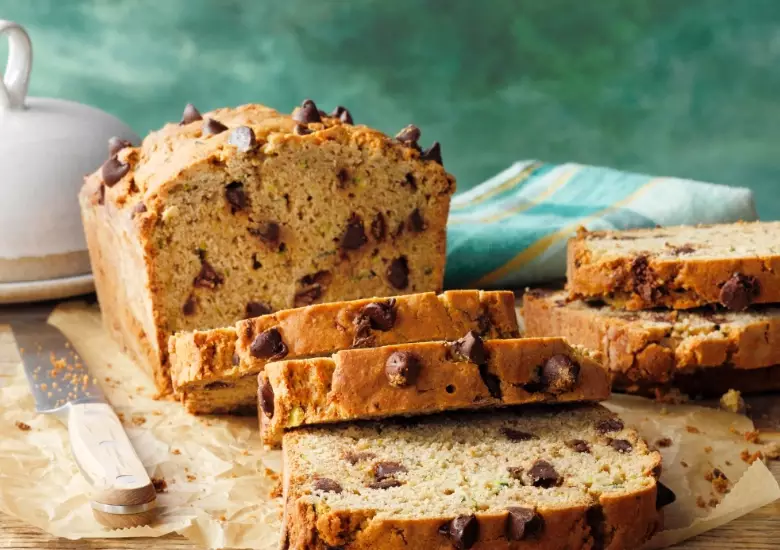
1. The Everyday Sandwich Bread
This is the holy grail. The key is psyllium husk powder—it creates a fantastic, wheat-like crumb. Don't use whole husks; the powder is essential.
My Go-To Blend for this loaf: 200g brown rice flour, 150g potato starch, 50g tapioca starch, 20g psyllium husk powder, 10g sugar, 7g salt, 7g instant yeast. Whisk dry. Add 400ml warm water, 2 tbsp oil, 1 tbsp vinegar. Mix into a thick, gel-like batter (not a dough).
Here’s the crucial part: pour it into a greased loaf pan, smooth the top, cover, and let it rise in a warm place for 60-75 minutes. It won't double like wheat dough; a 50% rise is great. Bake at 375°F (190°C) for 50-55 minutes. Let it cool completely in the pan. Slicing it warm guarantees gumminess.
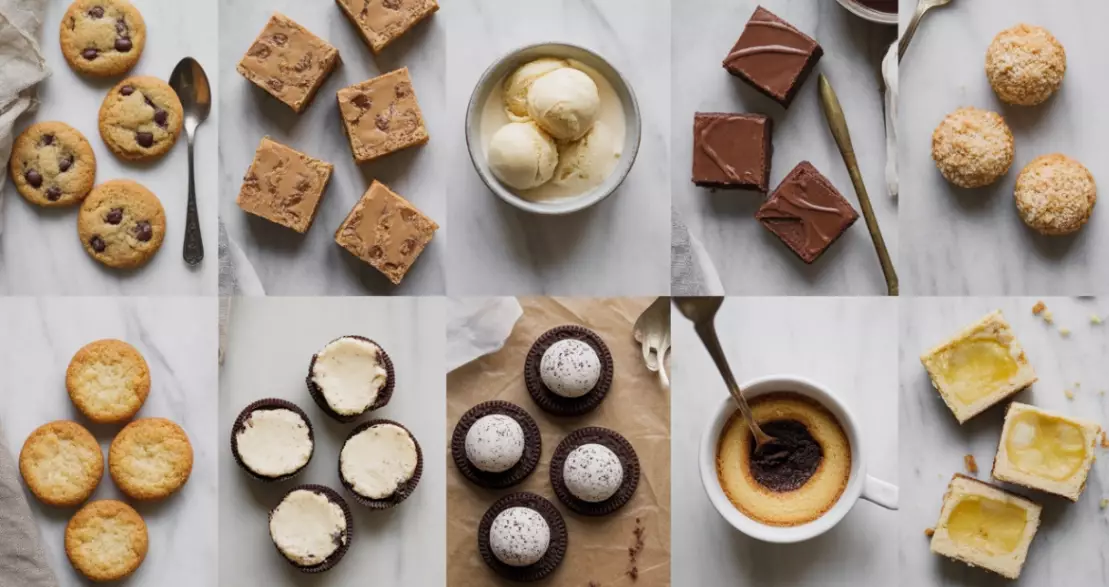
2. Simple Chocolate Chip Cookies
Cookies are easier. The challenge is they can spread too much or be too crumbly. This recipe uses a balanced blend and chilling to control spread.
Blend: 120g oat flour, 60g almond flour, 30g tapioca starch. Cream 115g soft butter with 100g brown sugar. Add 1 egg, 1 tsp vanilla. Mix in dry ingredients, then fold in chocolate chips. Chill the dough for at least 1 hour. Scoop, bake at 350°F (175°C) for 10-12 minutes. They'll look soft but firm up perfectly.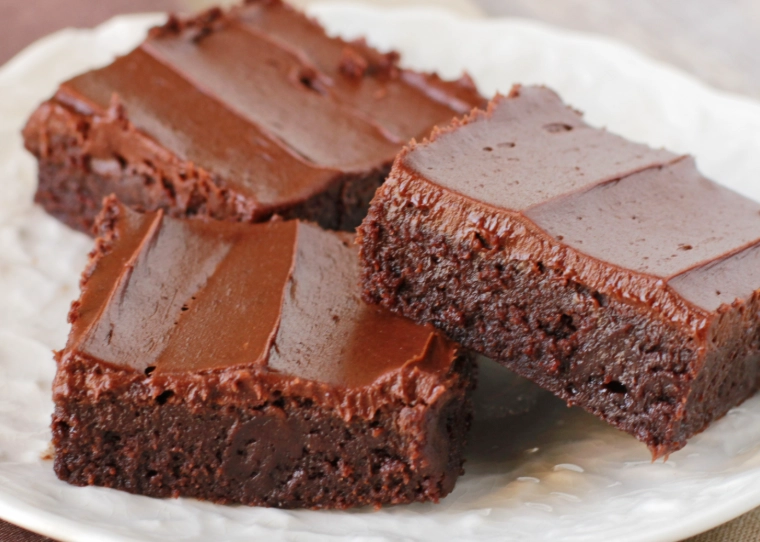
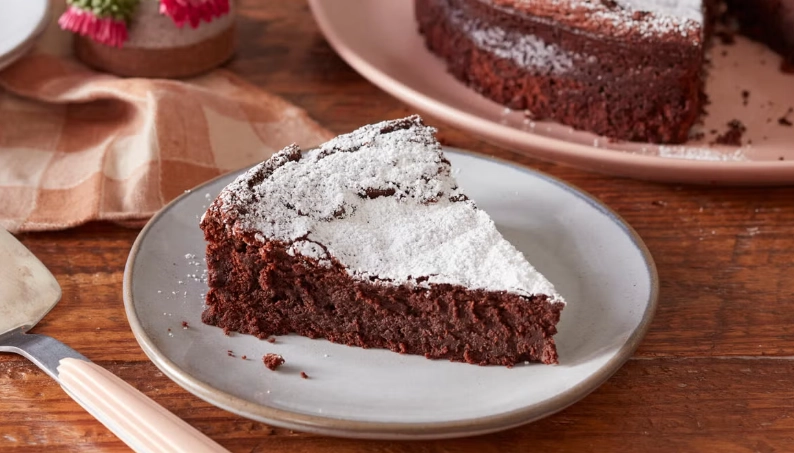
3. A Moist Vanilla Cake
Dry cake is the most common complaint. The fix? Extra fat and moisture, and never overbake. Start checking 10 minutes early.
Blend: 150g gluten-free all-purpose 1:1 blend (like Bob's Red Mill), 50g almond flour. Whisk with 1 tsp baking powder, ½ tsp baking soda, ½ tsp xanthan gum, ¼ tsp salt.
In another bowl, whisk 2 eggs, 150g sugar, 120ml oil, 120ml buttermilk (or milk + 1 tsp vinegar), 2 tsp vanilla. Combine wet and dry. Pour into a lined pan. Bake at 350°F (175°C) for 25-30 minutes. A toothpick should have moist crumbs, not be clean.
Common Gluten Free Baking Mistakes and How to Fix Them
We've all made these. Recognizing them is half the battle.
- The Brick Loaf: Cause: Under-hydration, no binder, or dead yeast. Fix: Use more liquid (gluten free flour is thirsty), ensure your binder (xanthan/psyllium) is present, and check yeast expiration.
- Crumbly Cookies that Don't Hold: Cause: Not enough binder or fat. Fix: Add ¼ tsp xanthan gum to your dry ingredients or increase the butter/oil by a tablespoon.
- Gummy, Dense Texture: Cause: Over-mixing or using too much binder. Fix: Mix just until combined. Measure your xanthan gum precisely—more is not better.
- Bitter Aftertaste: Cause: Often from using too much baking soda or certain bean flours (like chickpea) in sweet applications. Fix: Stick to blends meant for sweets, or use chickpea flour only in savory recipes like socca.
The Pro's Pantry: Ingredients That Make All the Difference
Beyond flour, these are my secret weapons.
Psyllium Husk Powder: For bread. It creates incredible elasticity and a moist crumb. It turns your batter into a workable, bread-dough-like consistency.
Vinegar (Apple Cider or White): A teaspoon in bread dough or cake batter tenderizes and can help activate baking soda. It also neutralizes any aftertaste from certain flours.
Buttermilk or Yogurt: The acidity and fat add incredible moisture and tenderness to cakes and quick breads. If you're dairy-free, thin coconut milk with a bit of lemon juice works.
I learned the hard way that swapping in a cup of almond flour for a cup of rice flour in a cake recipe made it incredibly oily and dense. They aren't interchangeable 1:1. You have to think about the role each flour plays.
Your Gluten Free Baking Questions, Answered
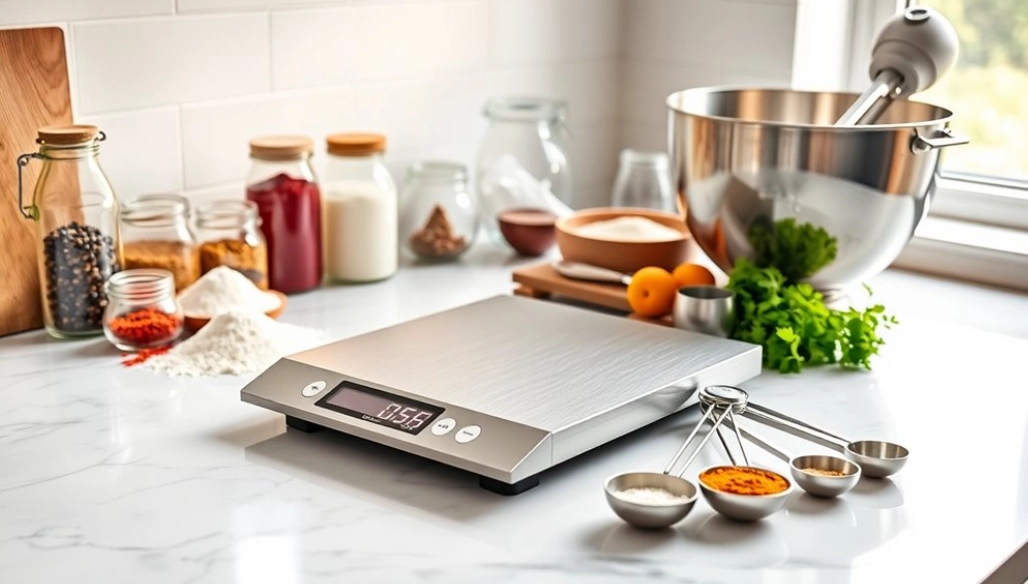
Gluten free baking isn't about deprivation. It's a new culinary skillset. It requires more attention to detail—measuring by weight with a scale is a must for consistency—and a willingness to experiment. Start with a solid recipe, understand the role of each component, and give your batters time. Your kitchen is about to be filled with the smell of fresh, delicious bread that just happens to be gluten-free. And that's the best kind of success.

Leave a Comment