Let's be honest. A lot of gluten-free baking out there is... disappointing. It's often dry, crumbly, and tastes more like a science project than a treat. And the "healthy" versions? They can be just as bad, loaded with refined starches and weird gums. But after a decade of tweaking recipes for my own family (some with celiac disease, others just choosing to eat less gluten), I've learned it doesn't have to be that way. You can make gluten-free bread that's fluffy, cakes that stay moist for days, and cookies with a perfect chew—all while keeping things genuinely nutritious. The secret isn't one magic flour. It's understanding how to work without gluten's glue-like structure and choosing ingredients that add flavor and nutrients, not just empty calories.
What You'll Find in This Guide
- Why Healthy Gluten-Free Baking Is Different
- Your Healthy Gluten-Free Pantry Essentials
- The Science of a Great Gluten-Free Flour Blend
- Foolproof Seeded Sandwich Bread Recipe
- One-Bowl Chocolate Almond Cake
- Chewy Oatmeal Raisin Cookies (Gluten-Free & Dairy-Free)
- 5 Common Gluten-Free Baking Mistakes (And How to Fix Them)
- Your Gluten-Free Baking Questions, Answered
Why "Healthy" Gluten-Free Baking Is a Different Game
Most commercial gluten-free mixes rely on white rice flour, potato starch, and tapioca starch. They create a decent texture but offer zero nutritional value—it's basically carbs on carbs. When we talk about healthy gluten-free baking recipes, we're shifting the goal. We want fiber, protein, and healthy fats from whole food sources. Think almond flour, oat flour, buckwheat flour, and nutrient-dense add-ins like seeds and nut butters.
This changes the hydration game. Whole grain flours and nut flours soak up more liquid. They also lack the elastic network of gluten, so we need clever binders. Not just xanthan gum (which can cause digestive issues for some), but things like psyllium husk powder, ground flax seeds, or even chia seeds. These are the tricks that move you from sad, brittle baked goods to ones with structure and heart.
Your Healthy Gluten-Free Pantry: The Non-Negotiables
You don't need twenty different bags of flour. Start with these core ingredients. I buy most of mine in bulk online or from a trusted source like Bob's Red Mill to ensure they're certified gluten-free and free from cross-contamination.
- Almond Flour: My go-to for moisture and richness. It's not the same as almond meal, which is coarser. For cakes and cookies, you want fine, blanched almond flour.
- Oat Flour: Make your own by grinding certified gluten-free rolled oats in a blender. It adds a lovely, mild sweetness and chew.
- Buckwheat Flour: Don't let the name fool you—it's gluten-free. It has a strong, earthy flavor that's perfect for pancakes and hearty breads.
- Tapioca Flour/Starch & Potato Starch: Yes, I still use these. In moderation, they're essential for creating a light texture and crisp crust. They're the "starch" part of the blend.
- Psyllium Husk Powder: This is the secret weapon for gluten-free bread. When mixed with water, it forms a gel that mimics gluten's elasticity. Get the fine powder, not the whole husks.
- Natural Sweeteners: Maple syrup, honey, and coconut sugar. They add flavor depth that white sugar just doesn't have.
The Science of a Great All-Purpose Gluten-Free Flour Blend
The biggest mistake I see? Trying to swap regular flour 1:1 with a single gluten-free flour. It never works. You need a blend. Here’s my workhorse blend, built for nutrition and performance. It works in about 80% of recipes.
| Ingredient | Amount (for ~4 cups) | Role in the Blend |
|---|---|---|
| Fine Almond Flour | 1.5 cups | Adds moisture, protein, healthy fats. |
| Gluten-Free Oat Flour | 1 cup | Provides fiber and a soft chew. |
| Brown Rice Flour | 1 cup | Neutral base flour, adds structure. |
| Tapioca Starch | 0.5 cup | Lightens the blend, helps with browning. |
| Psyllium Husk Powder | 2 tablespoons | The key binder for elasticity. |
Whisk everything together thoroughly in a large bowl and store it in the fridge. For every cup of this blend you use in a recipe, add 1/2 teaspoon of baking powder (unless the recipe specifies otherwise). This blend is heavier than white flour, so your batters will be thicker. Don't panic. That's normal.
Foolproof Seeded Sandwich Bread Recipe
This is the recipe I get asked for the most. It toasts beautifully, holds up to sandwiches, and doesn't have that weird gummy line at the bottom that plagues so many gluten-free loaves.
Ingredients:
- 3 cups of the All-Purpose Blend (from the table above)
- 1 tbsp active dry yeast
- 1 tbsp coconut sugar
- 1.5 tsp salt
- 1.25 cups warm water (about 110°F)
- 2 large eggs, at room temperature
- 2 tbsp olive oil or melted coconut oil
- 1 tbsp apple cider vinegar
- 1/4 cup mixed seeds (sunflower, pumpkin, sesame)
Method: In a small bowl, mix the yeast and coconut sugar into the warm water. Let it sit for 5-7 minutes until frothy. In a stand mixer with a paddle attachment, combine the flour blend and salt. Add the yeast mixture, eggs, oil, and vinegar. Beat on medium-high for 3 full minutes. The dough will be like a very thick cake batter. Stir in the seeds. Scoop into a greased 9x5 loaf pan, smooth the top, and cover. Let rise in a warm place for 45-60 minutes, until just cresting the pan rim. Bake at 375°F for 45-50 minutes. Let it cool completely in the pan before slicing. I know it's hard to wait, but slicing it warm guarantees a gummy texture.
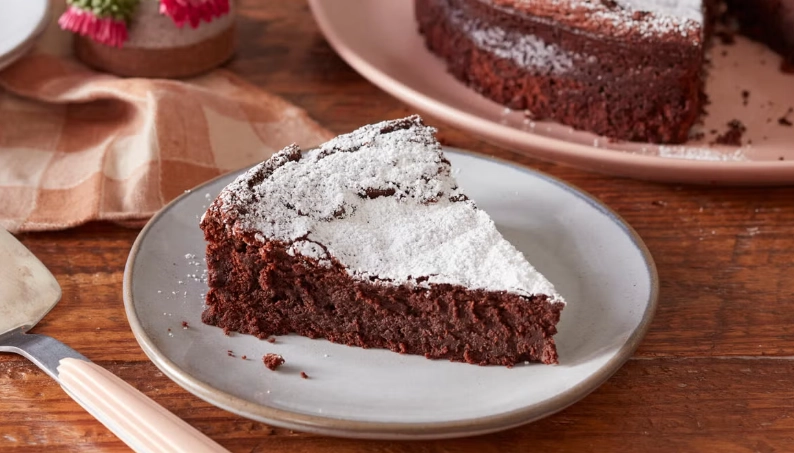
One-Bowl Chocolate Almond Cake (Naturally Sweetened)
This cake is stupidly easy and always impresses. It's moist, rich, and uses almond flour as the base. You don't need a fancy blend here.
Whisk together 2 cups fine almond flour, 1/4 cup cocoa powder, 1 tsp baking soda, and a pinch of salt. In another bowl, mix 3 eggs, 1/2 cup maple syrup, 1/4 cup melted coconut oil, and 1 tsp vanilla. Add the wet to the dry and mix until just combined. Pour into a lined 8-inch round pan. Bake at 350°F for 25-28 minutes. A toothpick should come out with a few moist crumbs. Let it cool. It's fantastic with just a dusting of powdered sugar or some fresh berries.
Chewy Oatmeal Raisin Cookies (Gluten-Free & Dairy-Free)
These are my pantry-cleaner cookies. Chewy, spiced, and satisfying. The key is letting the dough rest for 30 minutes so the oat flour hydrates fully.
Use 1.5 cups of the All-Purpose Blend. Cream 1/2 cup coconut oil (softened) with 3/4 cup coconut sugar until smooth. Beat in 1 egg and 1 tsp vanilla. Mix in the flour blend, 1 tsp cinnamon, 1/2 tsp baking soda. Fold in 1 cup certified GF rolled oats and 3/4 cup raisins. The dough will be stiff. Roll into balls, place on a parchment-lined sheet, and flatten slightly. Bake at 350°F for 10-12 minutes. They'll look soft—let them cool on the sheet for 5 minutes to firm up.
5 Common Gluten-Free Baking Mistakes (And How to Fix Them)
I've made every single one of these. Learning from them is what makes the difference.
- Overmixing after adding the flours. Once the wet and dry are combined, stop. Overmixing can make things tough.
- Not measuring flour by weight. Gluten-free flours have different densities. A cup of almond flour weighs much less than a cup of rice flour. For consistency, use a kitchen scale. If you must use cups, fluff the flour, spoon it in, and level it off. Never scoop.
- Baking in a cold oven. Always preheat thoroughly. Gluten-free baked goods rely on immediate heat for a good rise.
- Skimping on salt or acid. Salt enhances flavor dramatically, and a touch of vinegar or lemon juice brightens everything and helps tenderize.
- Expecting a 1:1 texture match. It will be different. But different can be incredible—more moist, more nutty, more substantial. Embrace it.
Leave a Comment