You know the feeling. It's Friday night, the pizza craving hits hard, but you open the pantry and... no yeast. The little jar is empty, or maybe it expired six months ago. The dream of a homemade crust seems dead. I've been there, staring into the abyss of my baking supplies. But after years of making bread (and plenty of mistakes), I've learned a secret: some of the best, fastest, and most forgiving pizza doughs don't need yeast at all.
This isn't a consolation prize. A no-yeast pizza dough is a legitimate, fantastic alternative. It skips the hours of rising, delivers a satisfyingly crisp and sturdy crust perfect for loading with toppings, and comes together in about 45 minutes from bowl to oven. Let's ditch the idea that good pizza requires advanced planning.
What's Inside This Guide
Why Choose a No-Yeast Pizza Dough?
Speed is the obvious winner. From mixing to eating, you're looking at under an hour. There's no waiting for the dough to double, no punching it down, no second rise. It's the ultimate solution for impulsive pizza cravings.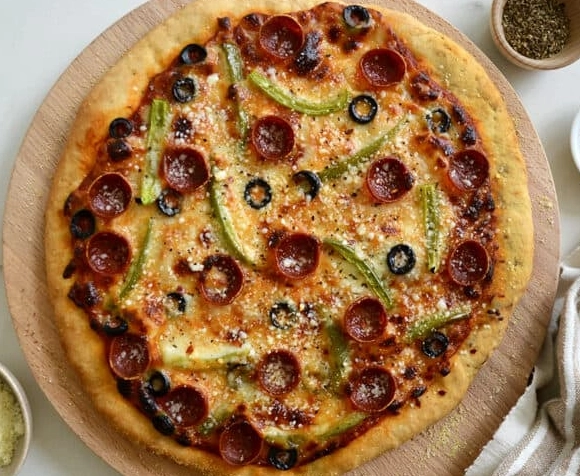
But there's more to it. Consistency. Yeast can be finicky—water too hot, it dies; too cold, it sleeps. A no-yeast dough, leavened with baking powder or soda, is predictable. It works every single time. The texture is different, sure. Think more along the lines of a crisp flatbread or a sturdy focaccia than a puffy Neapolitan crust. It holds toppings like a champ without getting soggy.
I find it perfect for sheet pan pizzas, individual personal pizzas, or when you want a thin, cracker-like base. It's also a lifesaver for those with minor yeast sensitivities, as the fermentation is chemical, not biological.
What You Need: Ingredients & Their Roles
Simplicity is key here. You likely have everything already.
The Core Recipe (Makes one 12-inch pizza)
- All-purpose flour (300g / 2 ½ cups): The backbone. Bread flour works for more chew, but AP gives a tender crispness I prefer.
- Baking powder (15g / 1 tablespoon): This is your leavening agent. It creates bubbles when mixed with liquid and heated. Make sure it's fresh for maximum rise.
- Salt (5g / 1 teaspoon): Non-negotiable for flavor. It tightens the gluten structure slightly, too.
- Plain yogurt or milk (180g / ¾ cup): The liquid and the acid. Yogurt (or buttermilk) reacts with baking powder for extra lift and adds a subtle tang. Milk makes a milder, softer dough. Water works in a pinch but yields a plainer crust.
- Olive oil (30ml / 2 tablespoons): For richness, tenderness, and a better browning crust.
That's it. No sugar, no waiting. The yogurt is my personal twist—it mimics the slight acidity of a slow-fermented dough better than just milk and water. If you only have milk, add a squeeze of lemon juice (about a teaspoon) to the measure.
Step-by-Step: Making Your Dough
This process is almost foolproof. The biggest mistake? Overworking it.
- Mix Dry, Then Wet. In a large bowl, whisk the flour, baking powder, and salt together. This ensures the baking powder is evenly distributed, which is critical for an even rise. In another jug, combine your yogurt (or milk) and olive oil.
- Combine Gently. Make a well in the center of your dry ingredients. Pour the wet mix in. Use a fork or your fingertips to bring it together into a shaggy mass. It will look messy and a bit dry. That's fine.
- The Crucial Rest (Not a Rise). Here's the expert tip nobody talks about: walk away for 10 minutes. Cover the bowl with a towel. This autolyse period lets the flour fully hydrate. When you come back, the dough will be noticeably softer and more cohesive. This rest does more for the texture than five minutes of kneading.
- Brief Knead. Turn the dough out onto a lightly floured surface. Knead it for just 30-60 seconds, until it forms a smooth ball. You're not developing gluten like with yeast dough; you're just finishing the mixing. If it's sticky, dust with a tiny bit more flour.
- Rest Again, Then Roll. Let the ball sit, covered, for another 15-20 minutes. This relaxes the gluten, making it infinitely easier to roll out without springing back. Now it's ready to shape.

Comparing No-Yeast Leavening Methods
Baking powder isn't the only way. Here’s a quick breakdown of your options, based on what you have on hand.
| Method | How It Works | Best For | Texture Result |
|---|---|---|---|
| Baking Powder + Yogurt/Milk | Double-acting powder creates gas when wet and when heated. Acid in dairy boosts reaction. | All-purpose, reliable crust. My top recommendation. | Light, tender, with a fine, even crumb. Slight tang. |
| Baking Soda + an Acid (e.g., lemon juice, vinegar) | Single reaction happens immediately upon mixing. Requires an acidic liquid. | When you're out of baking powder. Work fast after mixing. | Can be slightly denser if not baked immediately. Good crispness. |
| Self-Rising Flour | Flour pre-mixed with baking powder and salt. Just add wet ingredients. | The ultimate shortcut. No measuring of leaveners. | Similar to Baking Powder method, but can be saltier. |
| Beer or Soda (Carbonated) | Uses dissolved CO2 in the liquid for bubbles. No chemical leavener needed. | A fun, flavorful experiment. Beer adds a malty note. | Open, irregular holes. Lighter but can be cakey if overmixed. |
The baking powder/yogurt combo is the workhorse. It's forgiving and delivers consistent results. The beer method is fun for a weekend project, but the flavor can be distinct.
Shaping, Topping, and Baking for Perfection
Preheat your oven as high as it will go—250°C (480°F) or higher. A baking steel or inverted baking sheet placed on a high rack is ideal for bottom heat.
Roll your rested dough directly onto a piece of parchment paper. Don't fight it. If it shrinks back, let it rest another 5 minutes. Aim for about ¼ inch thickness. This dough won't puff up dramatically, so you can roll it thin for a cracker crust or leave it a bit thicker for a more substantial bite.
Topping strategy is key. Because there's no long fermentation to dry the dough, go lighter on super-wet ingredients like fresh mozzarella balls (pat them dry) or watery veggies. Pre-cook mushrooms and peppers. Use a thin layer of sauce. A sprinkle of semolina or cornmeal on the parchment under the dough adds extra crunch.
Bake for 10-15 minutes. Look for deep golden brown spots on the bottom and edges. The top should look set and your cheese beautifully melted.
Expert Troubleshooting & Pro Tips
After making this dozens of times, here are the subtle pitfalls I've seen.
The dough is too tough after baking. You likely over-kneaded it or didn't let it rest after shaping. Remember, gentle handling and patience are your friends here, not muscle.
The crust is dense or gummy. Old baking powder is the usual suspect. Test it by dropping a teaspoon in hot water—it should fizz vigorously. Also, ensure your oven is properly preheated. A cold start leads to a sad, dense crust.
It tastes bland. Don't forget the salt! Also, try brushing the shaped crust with a little garlic-infused olive oil before saucing. Or mix dried herbs (oregano, basil) right into the dry flour. This dough is a blank canvas for flavor.
My favorite hack? After rolling out the dough, pre-bake it naked (just dough on parchment) for 4-5 minutes. This sets the structure, prevents a soggy middle, and gives you an even crisper base. Then add toppings and finish baking.

Leave a Comment