I pulled the loaf from the bread box on day three, expecting the usual disappointment—a crust that had morphed into a shell, a crumb that had tightened into a dense, sad sponge. But this time, it was different. The bread gave under my fingers with a gentle sigh, and the slice I tore off was still cloud-soft. That was the moment I realized I'd finally cracked the code. If you're tired of your homemade bread having a shelf life measured in hours, you're in the right place. This isn't about vague tips; it's about the science and craft of building long-lasting softness right into your loaf.
What You'll Learn Here
The Real Enemy Isn't What You Think
Most of us blame dryness. We think our bread turns into a brick because all the moisture has escaped. That's part of it, but it's not the main villain. The primary process is called starch retrogradation. As your fresh bread cools, the gelatinized starch molecules start to realign and crystallize. This process pushes water out from between the starch chains (a process called syneresis), making the crumb firm and gritty. The bread isn't just dry; its structure has fundamentally changed.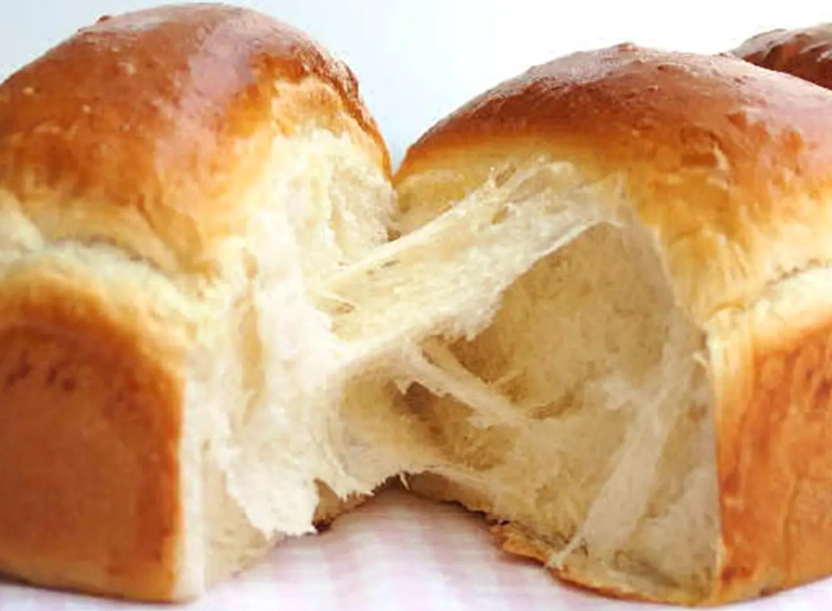
Here's a nuance most recipes won't tell you: a completely dry crust can actually help slow this down internally by creating a better moisture barrier. The trick is managing moisture within the crumb and slowing the starch's desire to crystallize. That's where our strategy comes in.
Ingredient Secrets for Lasting Softness
Your recipe is the blueprint for longevity. Swap out or adjust a few key players, and you change the entire game.
1. Embrace the Tangzhong or Yudane (The Game Changer)
This Asian baking technique is the closest thing to a magic trick. You cook a small portion of the flour with water (or milk) to create a gel. This pre-gelatinizes the starch, allowing it to absorb and hold vastly more water. When added to the main dough, it results in a loftier, moister loaf that retrogrades much, much slower. A tangzhong (flour cooked with liquid) or yudane (flour mixed with boiling water) isn't an extra step; it's an investment in days of better bread. My standard sandwich loaf recipe with tangzhong stays softer on day four than my old recipe did on day one.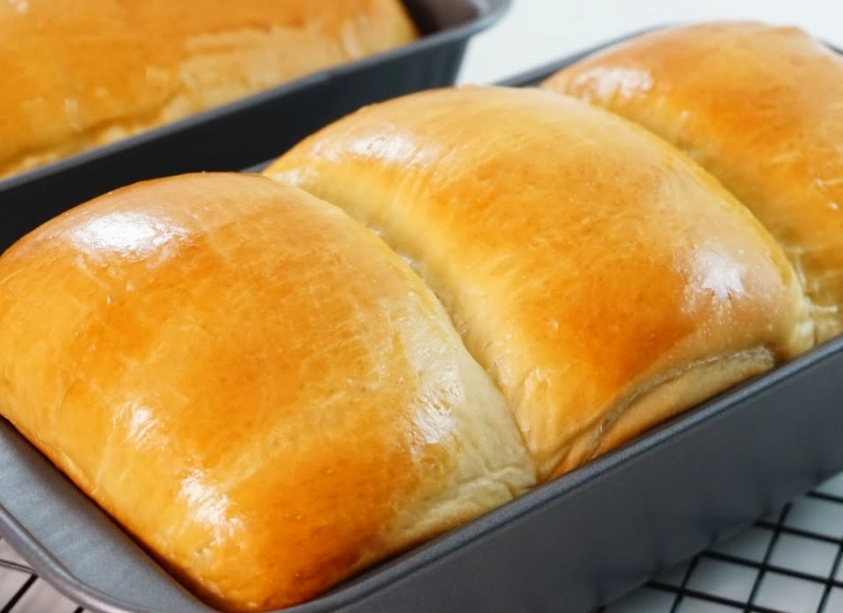
2. Fats Are Your Friend, But Choose Wisely
Butter, oil, eggs, milk powder—these ingredients coat the starch and gluten strands, creating a tenderizing effect and a barrier against moisture loss and starch crystallization. But here's my non-consensus take: Don't just add more fat blindly. I once tried adding a quarter cup of olive oil to a lean dough, hoping for super softness. The result? A heavy, greasy loaf with a weirdly slick crumb. The gluten was so lubricated it couldn't form a strong network. The loaf was dense. Fat softens, but it also weakens. Balance is key. For a standard loaf, 1-2 tablespoons of butter or oil is often the sweet spot.
3. The Sweet Spot of Sweetness
Sugar is hygroscopic—it attracts and holds water. A little sugar (even a tablespoon of honey or brown sugar in a non-sweet bread) helps retain moisture in the crumb. It also feeds the yeast for a better rise, leading to a more aerated, tender structure. Don't overdo it unless you're making a brioche.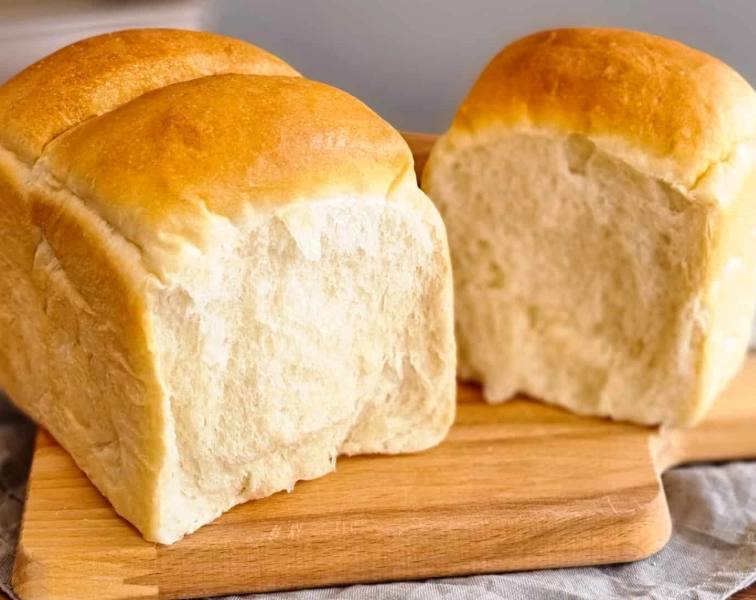
- Hydration: Aim for a slightly higher water-to-flour ratio than you're used to. A wetter dough is a softer crumb.
- Tangzhong/Yudane: Use 5-10% of your total flour for this pre-gel.
- Fat: 1-2 Tbsp butter/oil per 3 cups of flour.
- Sweetener: 1-2 Tbsp sugar/honey for moisture retention.
The Baking Process: Where Softness is Sealed
How you bake is as important as what you bake with.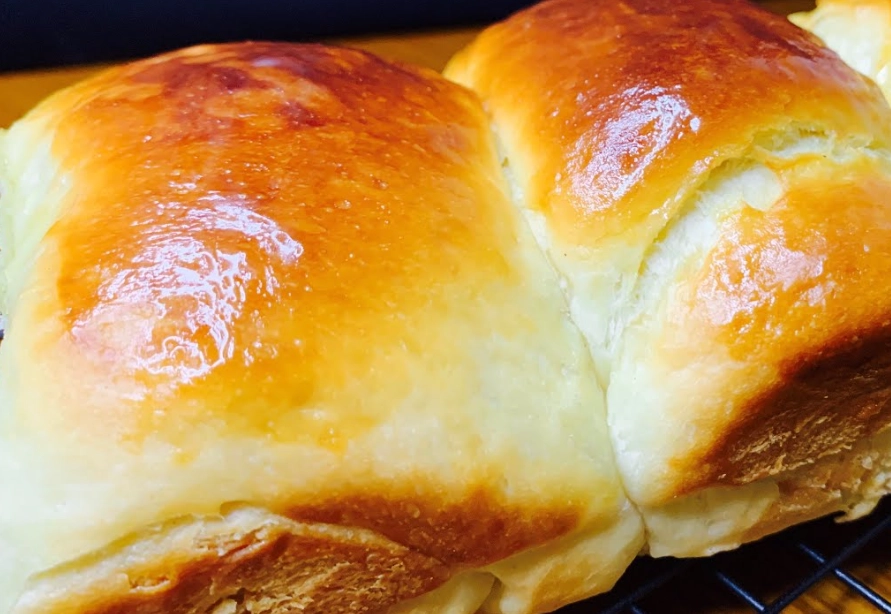
The Power of Steam (Especially for Crusty Loaves)
For artisan boules, steam in the first 10 minutes of baking is non-negotiable. It keeps the crust pliable, allowing the loaf to achieve maximum oven spring (final rise). A bigger, more open crumb stays tender longer. No fancy steam oven? Toss a handful of ice cubes into a preheated pan on the oven floor, or spray the loaf and oven walls with water at the start.
Don't Underbake
This feels counterintuitive. Surely a less-baked loaf is moister? Wrong. An underbaked loaf has excess water still trapped as water, not bound within the starch. That free water will evaporate quickly or, worse, make the crumb gummy. A fully baked loaf, where the internal temperature reaches 190-210°F (88-99°C) depending on the type, has set the starch structure properly, locking in moisture effectively for the long haul.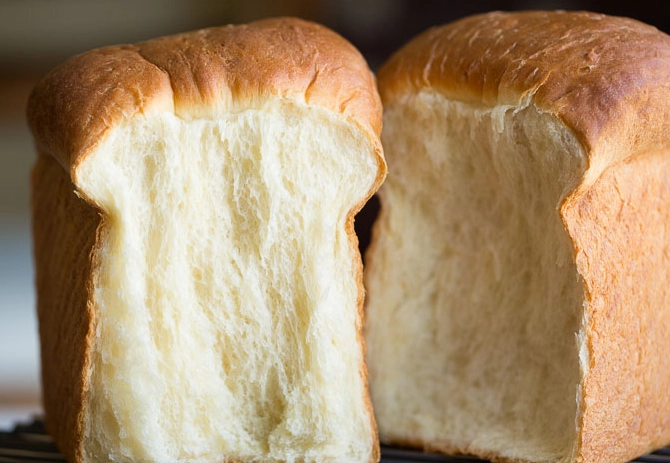
Cooling is Part of Baking
Let the loaf cool completely on a wire rack. Slicing into a warm loaf releases a torrent of steam—the very steam that was keeping your crumb soft for the days ahead. It's tempting, but wait. Let the structure set.
Smart Storage Solutions (and One Big Mistake)
You've baked the perfect loaf. Now, don't ruin it.
The Cardinal Sin: The Refrigerator. Storing bread in the fridge is the single fastest way to make it stale. Starch retrogradation happens fastest at temperatures just above freezing. The Institute of Food Technologists notes that the staling process peaks around 40°F (4°C)—exactly your fridge temperature. Unless you live in a tropical climate with immediate mold issues, keep it out of the cold.
| Storage Method | Best For | How Long Softness Lasts | Key Detail |
|---|---|---|---|
| Bread Box (Ceramic/Wood) | Whole loaves, 1-3 days | 3-5 days | Creates a humid micro-climate; prevents drying but allows slight breathability. |
| Paper Bag | Crusty artisan loaves | 1-2 days (crust stays crisper) | Protects from drying but isn't airtight, preserving crust texture. |
| Linen/Cotton Bag or Tea Towel | Any loaf, short-term | 2-3 days | The classic method. Breathable, prevents condensation and sogginess. |
| Freezer (Sliced) | Long-term (weeks/months) | Excellent upon thawing | The winner for longevity. Halts staling completely. Toast slices straight from frozen. |
| Plastic Bag (Room Temp) | Very soft, enriched loaves | Can keep soft 4-5 days | Risks a soggy crust and condensation/mold if sealed too warm. Use with caution. |
My personal routine? I slice the entire cooled loaf, pop the slices into a large freezer bag, press out the air, and freeze. I pull out slices as needed for toast or to thaw at room temperature. The texture is nearly fresh-baked.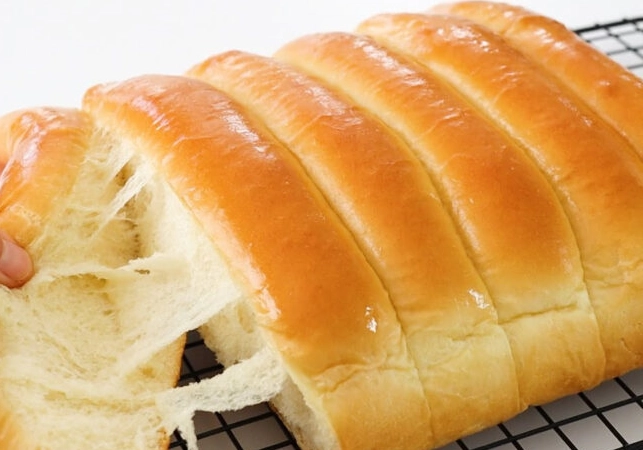
Your Soft Bread Questions, Answered
So, ditch the notion that homemade bread is a same-day affair. By understanding the science of staling and strategically using ingredients like a tangzhong, managing your bake, and storing intelligently (hello, freezer!), you can absolutely produce loaves that rival—and surpass—the softness and shelf life of anything store-bought. The secret isn't one trick; it's a series of small, intentional choices from mixing to munching.


Leave a Comment