Let's be honest. A lot of cheesecake recipes online promise perfection but leave you with a cracked, sunken, or dense brick. I've been there. After years of baking (and yes, failing), I've learned it's not about finding one magic recipe. It's about understanding the why behind each step. This guide strips away the fluff and gives you the core principles, two foolproof recipes (baked and no-bake), and solutions to every problem you might face. Whether you're a first-timer or a seasoned baker looking to up your game, start here.
What's Inside This Guide
Cheesecake 101: The Non-Negotiable Basics
Before you preheat the oven or crush a single graham cracker, get these three things right. This is where most beginners trip up.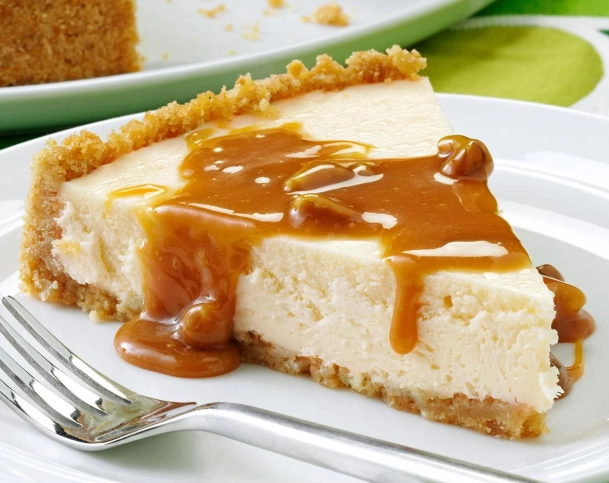
1. Ingredient Temperature is Everything
This is the hill I will die on. Every single dairy ingredient must be at room temperature. Cream cheese, eggs, sour cream—take them out of the fridge at least 2 hours before you start. Cold cream cheese will never blend smoothly, no matter how long you beat it. You'll get a lumpy batter, which leads to an uneven bake. Lumps trap air, and that air expands and cracks your cake. I learned this the hard way with my first dense, grainy cheesecake.
2. The Crust is More Than Just Crumbs
A soggy bottom ruins everything. For a crisp base that holds its shape, you need the right binder-to-crumb ratio and proper pre-baking (for baked cheesecakes). A little melted butter is good, but too much makes it greasy. I add a pinch of salt and sometimes a tablespoon of sugar to graham cracker crusts to balance the flavor. Press it firmly up the sides? That's a style choice, but I prefer a flat, compact layer on the bottom only. It's easier to slice cleanly.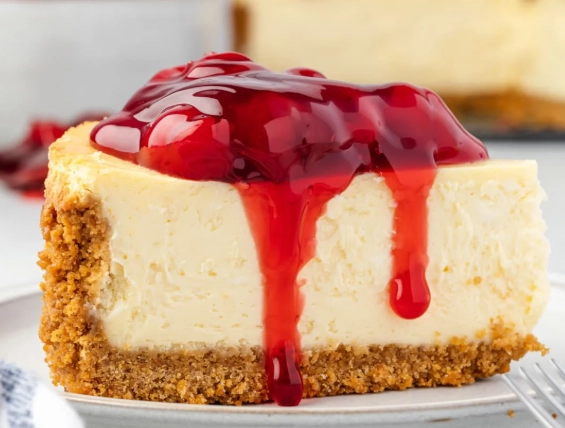
3. Mixing Method: Gentle Does It
You are not making bread. Over-mixing is the silent killer of creamy texture. Once you add the eggs, mix just until combined. Beating in too much air creates bubbles that rise and fall dramatically in the oven, causing cracks and a puffy, then collapsed, texture. Use a paddle attachment on low speed if you have a stand mixer, or mix by hand with a spatula at the final stage.
The Classic New York Cheesecake Recipe
This is the dense, rich, and tangy king of cheesecakes. It's simpler than you think if you follow the process.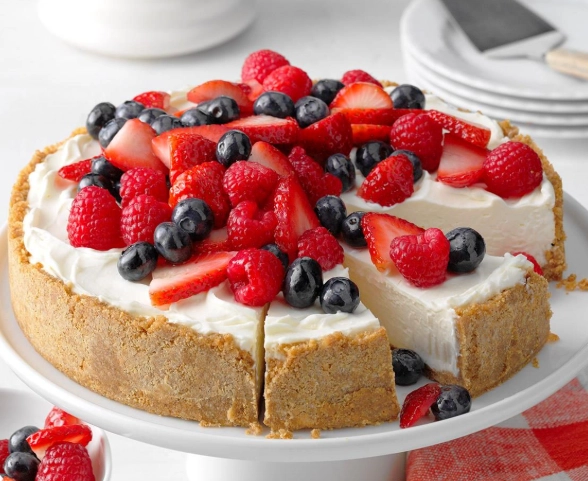
New York-Style Cheesecake
Yield: One 9-inch cheesecake, about 12 servings
Prep Time: 30 minutes (plus 5+ hours for ingredients to warm up)
Bake Time: 1 hour 10 minutes, plus cooling
Total Time: About 8 hours (mostly inactive)
For the Graham Cracker Crust:
| Ingredient | Quantity | Notes |
|---|---|---|
| Graham cracker crumbs | 1 1/2 cups (150g) | About 10 full sheets, finely ground |
| Granulated sugar | 1/4 cup (50g) | Helps the crust caramelize slightly |
| Unsalted butter, melted | 6 tablespoons (85g) | Use the full amount for a sturdy base |
| Salt | 1/4 teaspoon | Enhances all flavors |
For the Filling:
| Ingredient | Quantity | Critical Detail |
|---|---|---|
| Full-fat cream cheese | 32 oz (900g), room temp | Four 8-oz blocks. Do not use spreadable or low-fat. |
| Granulated sugar | 1 cup (200g) | |
| Full-fat sour cream | 1 cup (240ml), room temp | Adds tang and creaminess |
| Pure vanilla extract | 2 teaspoons | |
| Fresh lemon juice | 2 teaspoons | Brightens the flavor |
| Large eggs | 4, room temp | Add one at a time |
| All-purpose flour | 3 tablespoons (24g) | The secret stabilizer to prevent cracks |
Step-by-Step Instructions:
- Prepare the Pan & Crust: Preheat oven to 325°F (160°C). Wrap the outside of a 9-inch springform pan tightly with 2 layers of heavy-duty aluminum foil to prevent water seepage. Mix crust ingredients and press firmly into the bottom of the pan. Bake for 10 minutes. Let it cool on a rack while you make the filling.
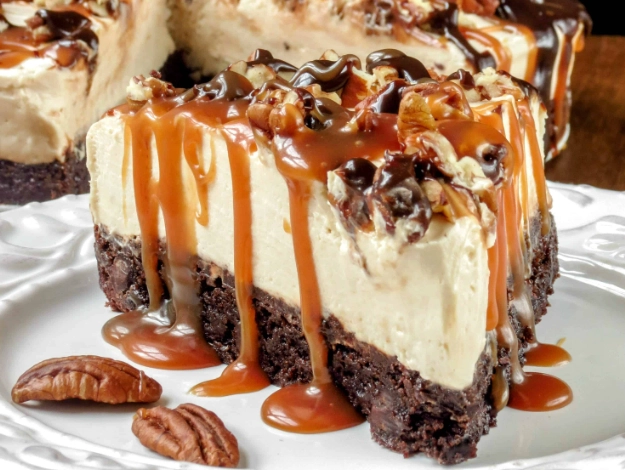
- Make the Filling: In a large bowl, beat the room-temperature cream cheese on medium-low speed until perfectly smooth and creamy, about 2 minutes. Scrape down the bowl. Add the sugar and beat for another minute until combined. Beat in the sour cream, vanilla, and lemon juice.
- Incorporate Eggs & Flour: Add the flour and beat on low until just mixed. With the mixer on low, add the eggs one at a time, beating just until the yolk disappears after each addition. Stop mixing as soon as the last egg is incorporated. The batter should be thick, smooth, and glossy.
- Bake in a Water Bath: Pour batter over the cooled crust. Place the springform pan inside a large roasting pan. Pour hot water into the roasting pan until it comes halfway up the sides of the springform. Bake for 70-80 minutes. The edges will be set, but the center (about a 4-inch circle) will still jiggle slightly when gently shaken.
- Cool Slowly: Turn off the oven, crack the door open with a wooden spoon, and let the cheesecake cool in the oven for 1 hour. This gradual cooling is the #1 defense against cracking. Remove, run a thin knife around the edge to release it from the pan, then cool completely on the counter before refrigerating for at least 6 hours, preferably overnight.
Why the water bath? It creates a humid, gentle heat that cooks the custard evenly without curdling or over-browning the edges. Yes, it's a bit fussy, but it's non-negotiable for that flawless texture.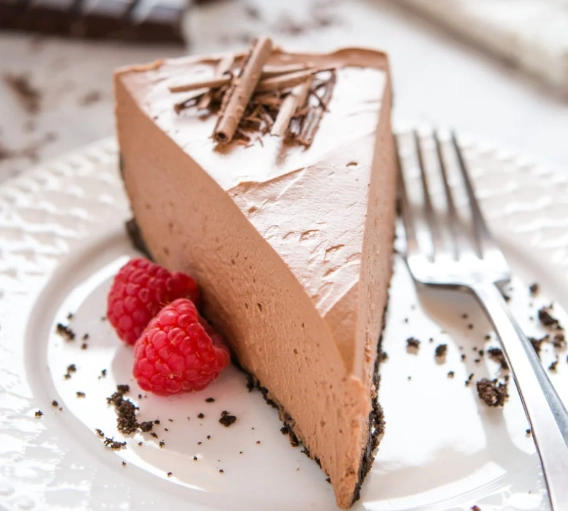
The Foolproof No-Bake Cheesecake Recipe
No oven, no water bath, no cracks. This is your secret weapon for hot days or when you need a stunning dessert fast. The texture is lighter and airier than baked cheesecake.
Easy No-Bake Cheesecake
Yield: One 9-inch cheesecake
Prep Time: 20 minutes
Chill Time: 6 hours minimum
For the Crust:
| Ingredient | Quantity |
|---|---|
| Graham cracker crumbs | 2 cups (200g) |
| Granulated sugar | 2 tablespoons |
| Unsalted butter, melted | 10 tablespoons (140g) |
For the Filling:
| Ingredient | Quantity | Purpose |
|---|---|---|
| Full-fat cream cheese, softened | 24 oz (675g) | Room temp is still crucial here |
| Powdered sugar | 1 cup (120g), sifted | Dissolves easily, no graininess |
| Pure vanilla extract | 1 tablespoon | |
| Heavy whipping cream, cold | 1 1/4 cups (300ml) | Must be cold to whip properly |
| Fresh lemon juice | 1 tablespoon | Balances sweetness |
How to Make It:
- Make & Chill the Crust: Combine crust ingredients and press firmly into a 9-inch springform or pie dish. Refrigerate for at least 30 minutes to set.
- Whip the Cream: In a cold bowl, whip the cold heavy cream to stiff peaks. Set aside.
- Make the Cheese Base: In another bowl, beat the softened cream cheese until smooth. Beat in the sifted powdered sugar, vanilla, and lemon juice until fully combined.
- Fold & Combine: Gently fold the whipped cream into the cream cheese mixture in two additions. Use a spatula and a light hand to keep the air in the cream.
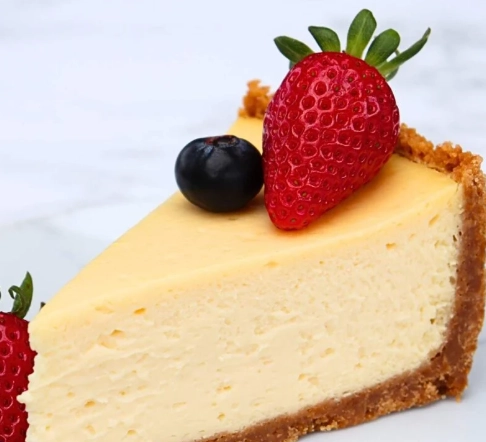
- Chill to Set: Pour filling into the chilled crust, smooth the top, and refrigerate for at least 6 hours, or until completely firm. Top with fresh berries or a fruit compote before serving.
Solving Common Cheesecake Problems
Even with a great recipe, things can go sideways. Here’s how to fix (or prevent) the big three.
Cracks on the Surface
Cause: Rapid temperature change, over-baking, or over-mixing.
Fix/Prevention: The water bath and slow cooling in the oven are your best friends. Don't skip them. If you get a crack, don't panic. Cover it with a sour cream topping (mix 1 cup sour cream with 2 tbsp sugar, spread on warm cheesecake, bake 5 more minutes) or a pile of whipped cream and fruit. It'll taste just as good.
Soggy or Crumbling Crust
Cause: Not pre-baking ("blind baking") the crust for baked cheesecakes, or using too little butter.
Fix/Prevention: Always pre-bake the crust for 8-10 minutes to set it. For no-bake, make sure you chill it thoroughly before adding the filling. Ensure your springform pan is well-sealed with foil during the water bath to keep moisture out.
Dense or Grainy Texture
Cause: #1 culprit: cold ingredients. #2: over-mixing after adding eggs. #3: using low-fat cream cheese.
Fix/Prevention: This is purely a prevention game. Follow the temperature and mixing rules religiously. Use full-fat, brick-style cream cheese every time. Resources from the American Dairy Association often explain the science of dairy fats in baking, which reinforces why full-fat is essential for structure.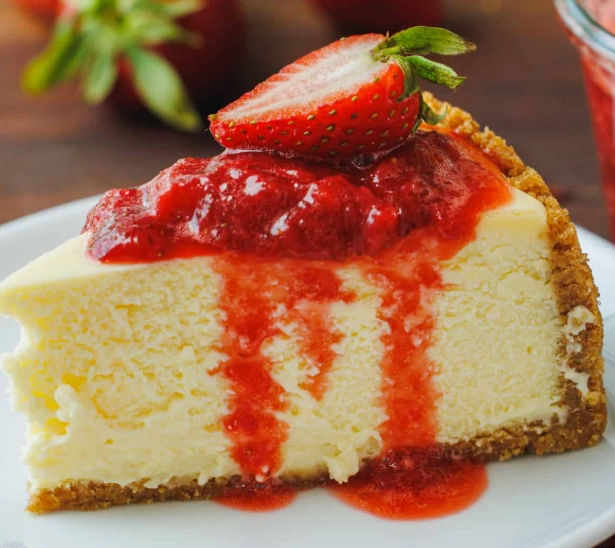


Leave a Comment