You pull a loaf from the oven. The crust is golden, the aroma is intoxicating. You wait, slice into it, and… it's dense. Chewy. Disappointing. We've all been there. The quest for that cloud-like, tender crumb in homemade bread feels like a culinary mystery. But here's the truth: fluffy bread isn't magic. It's science you can control.
After years of baking (and plenty of doorstop loaves), I've learned that softness hinges on five precise, interconnected factors. Forget vague advice. Let's break down exactly what makes bread soft and fluffy, from the molecular dance of gluten to the alchemy of your oven.
What You'll Discover in This Guide
1. The Gluten Network: Your Bread's Scaffolding
Think of gluten as the steel frame of a skyscraper. It needs to be strong enough to hold up the building, but flexible enough to sway in the wind. That's your bread.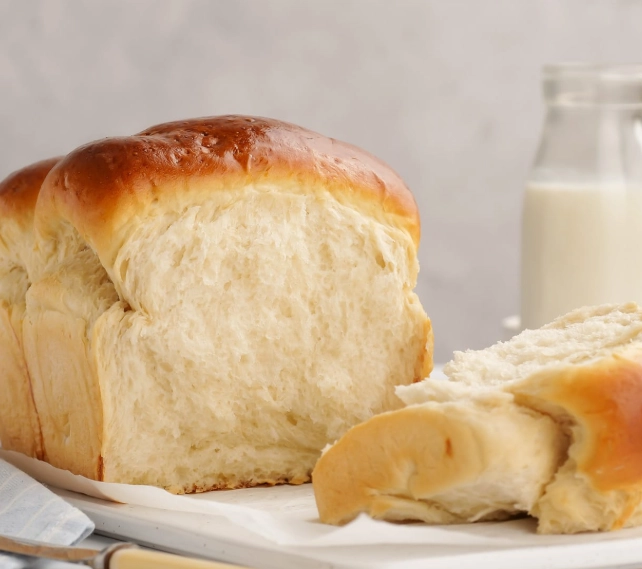
When flour meets water, two proteins—glutenin and gliadin—link up to form gluten. This network traps the carbon dioxide gas produced by yeast. A strong, elastic network holds more gas, creating those beautiful, irregular holes that define an airy crumb.
But here's the common mistake: thinking more gluten is always better. An over-developed, super-tight gluten network can make bread tough and chewy, not soft. The goal is optimum development—a network that's elastic and stretchy, not rigid.
2. The Hydration Secret: Why Water is Everything
This is the most underrated factor. Hydration refers to the amount of water relative to flour (baker's percentage). A wetter dough is a softer dough. Period.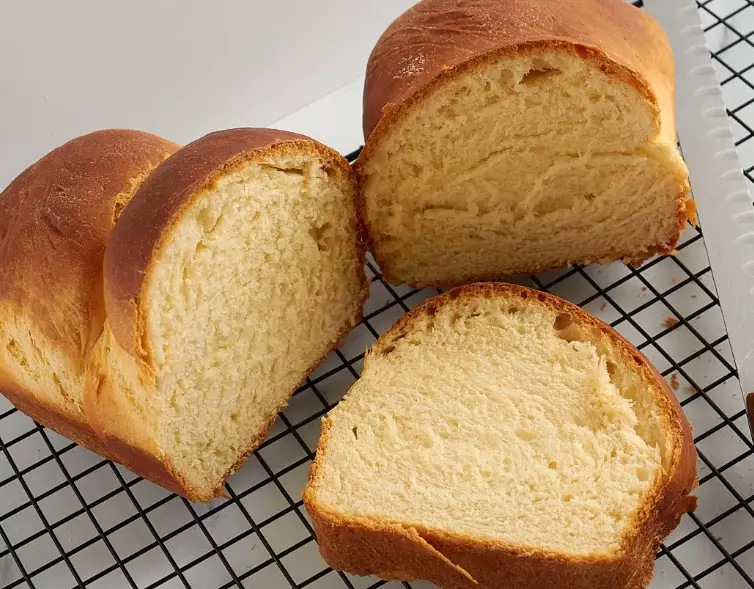
Water does several critical things. It hydrates the starch granules, which later gelatinize in the oven to set the crumb's structure. More water means more gelatinization potential, leading to a softer set. It also makes the gluten proteins more mobile, allowing them to form a better, more extensible network. A dry dough (low hydration) feels stiff, resists expansion, and bakes up dense.
Most basic sandwich loaf recipes hover around 60-65% hydration. But artisan-style boules can go to 75-80%. Higher hydration doughs are sticky and harder to handle—they feel like a batter more than a dough—but they bake into incredibly open, moist crumb.
I learned this the hard way. My early loaves were always at 62% hydration because the dough was "easy to work with." They were fine, but never great. Pushing to 68% was a game-changer. The dough was messier, but the crumb turned tender and stayed soft for days.
How to Gauge Hydration Without a Scale
If you don't weigh ingredients, pay close attention to dough feel. After mixing, it should be slightly tacky to the touch but not stick to your fingers like glue. It should cling to the bottom of the bowl but release with a soft *shloop* sound when you pull it. If it's a dry, shaggy ball that cleans the bowl instantly, add water, one tablespoon at a time.
3. The Power of Yeast & Fermentation: Creating the Air Pockets
Yeast is your tiny, hungry construction crew. They eat sugars and exhale carbon dioxide (CO2). This gas is what inflates the gluten network, creating the air pockets that make bread light.
But timing and temperature are everything. A fast, warm rise makes lots of gas quickly, but the flavor is bland and the gluten network can be weak and over-stretched, leading to large, uneven holes that might collapse. A slow, cool fermentation (like a cold overnight rise in the fridge) allows for more complex flavor development and gives the gluten network time to strengthen gradually. This often results in a more even, tender crumb.
The poke test is your best friend. After proofing, gently poke the dough with a floured finger. If the indentation springs back immediately, it needs more time. If it springs back slowly and leaves a slight dent, it's perfectly proofed. If the dent remains and doesn't spring back, it's over-proofed—the gluten network is exhausted and may deflate in the oven.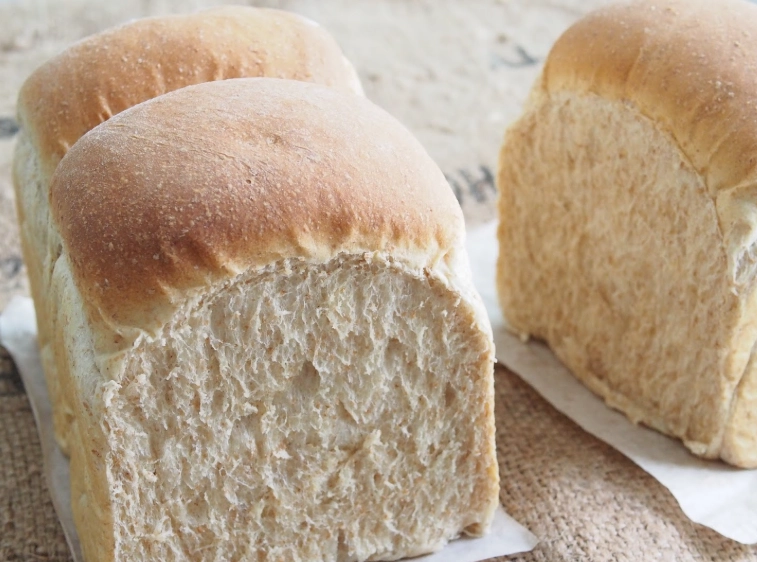
4. Kneading: Myths and Must-Dos
Kneading develops the gluten network. No development, no structure to hold the gas. But the "knead for 10 minutes" rule is misleading.
You can over-knead, especially by machine. Over-kneaded dough becomes tight, tears easily, and bakes into a tough crumb. The goal is to reach the "windowpane stage." Take a small piece of dough and gently stretch it between your fingers. If you can stretch it thin enough to see light through it without it tearing immediately, the gluten is well-developed. That's your cue to stop.
For ultimate softness, consider no-knead or autolyse methods. The autolyse is a pro trick: mix just flour and water and let it rest for 20-60 minutes before adding yeast and salt. This allows the flour to fully hydrate and gluten strands to start forming on their own with minimal effort. It results in a more extensible dough that's easier to handle and yields a remarkably tender crumb.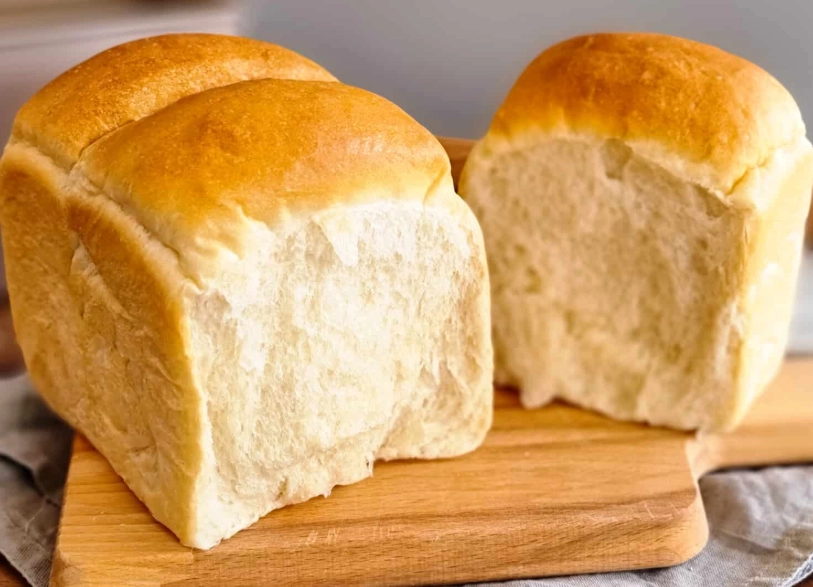
5. The Final Bake: Locking in Softness
The oven isn't just a cooking box; it's where the final structure sets. Two things are crucial here: oven spring and starch gelatinization.
Oven Spring: The final burst of expansion when the dough first hits the heat. The trapped gas expands rapidly, and yeast has one last frenzied activity before it dies at 140°F (60°C). A good oven spring creates lift and lightness. To maximize it, bake in a preheated oven. Using a Dutch oven or spraying the loaf with water creates steam, which keeps the crust soft and pliable longer, allowing for maximum expansion before it hardens.
Starch Gelatinization: Around 150°F (65°C), the starch granules in the dough absorb water, swell, and then burst, releasing a gel that sets the crumb's structure. This is why proper hydration is so vital—if there's not enough water, the starch can't gelatinize fully, leaving the crumb dry and crumbly instead of soft and moist.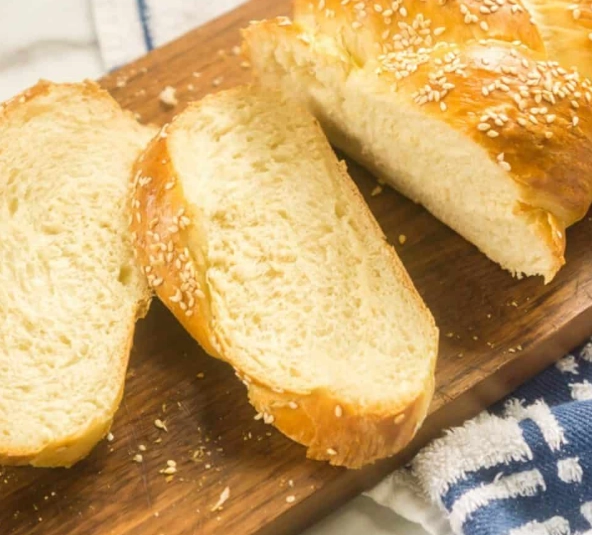
Don't underestimate the power of fat. Ingredients like butter, oil, milk, and eggs are "crumb tenderizers." They coat the gluten strands, shortening them (that's where the term "shortening" comes from) and interrupting the network just enough to create tenderness. They also retain moisture. That's why enriched doughs like brioche or Japanese milk bread (which often uses a tangzhong or water roux starter) are legendary for their soft, pillowy texture that lasts.
It sounds like a lot, but you don't need to master all five at once. Start by increasing the hydration in your favorite recipe by 3%. Or try an autolyse. Small, controlled changes let you see exactly what makes bread soft and fluffy in your own kitchen.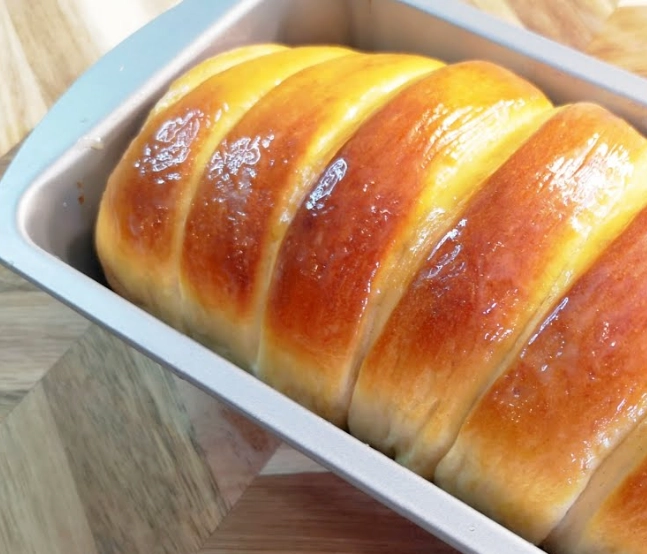
Your Bread Baking Questions, Answered
Why does my homemade bread get hard the next day?
Can I make soft bread with all-purpose flour instead of bread flour?
My dough never doubles in size during proofing. What am I doing wrong?
Does adding fat like butter or oil really make bread softer?

Leave a Comment