Let's cut to the chase. You're here because you want a donut recipe that actually works. Not the kind that looks good in a photo but turns out dense and oily. You want that impossibly light, fluffy interior with a crisp, sugar-glazed shell you get from a great bakery. I've tested dozens of recipes over the years, and this one is the winner. It's a yeasted donut, which is non-negotiable for that classic texture, but it's streamlined to be doable on a weekend morning. No stand mixer? No problem. We'll walk through it.
I learned this recipe the hard way. My first batch was a disaster—greasy, heavy, and pale. The issue? I was scared of the oil temperature. Getting that right is 80% of the battle. This guide will not only give you the recipe but the why behind every step, so you understand the process, not just follow it.
What You'll Find in This Guide
Why This Recipe Works (The Science of Fluff)
Most failed homemade donuts are either tough or taste like fried bread. The difference lies in the dough hydration and proofing. This recipe uses a higher ratio of milk and egg to flour, creating a more enriched, tender dough. The active dry yeast gives it that signature airy structure. The real trick, though, is a double proof. First, let the dough rise until doubled. Then, after you cut out the donuts, you let them proof again. This second rise is what creates those huge, irregular air pockets inside.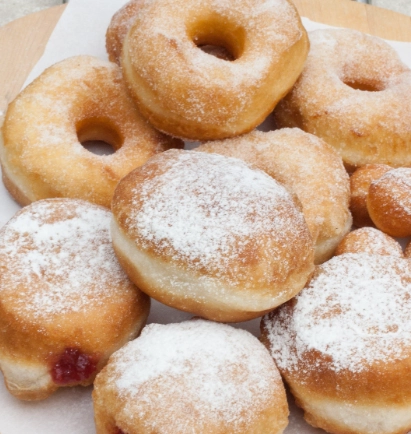
I see a lot of recipes rushing this. They'll say "proof for 1 hour." But your kitchen isn't a pro bakery with a proofing cabinet. If your room is cool, it might take 90 minutes. You need to go by look and feel, not just the clock. A properly proofed donut will feel light and airy, and if you gently poke it, the indentation will slowly spring back. If it springs back immediately, it's under-proofed. If it doesn't spring back at all, it's over-proofed and might collapse in the oil.
Ingredients: What You Need & Why
Here's everything you'll need. I've listed brands I trust, but use what you have. The quality of your flour matters more than you think.
| Ingredient | Quantity | Purpose & Notes |
|---|---|---|
| Bread Flour (like King Arthur) | 3 ½ cups (455g) | Higher protein than all-purpose. Creates a stronger gluten network for better rise and chew. All-purpose will work but yields a slightly more cakey texture. |
| Granulated Sugar | ⅓ cup (67g) | Feeds the yeast and adds sweetness. Don't skimp. |
| Active Dry Yeast | 2 ¼ tsp (1 packet) | The leavening agent. Ensure it's not expired. Instant yeast can be used 1:1. |
| Whole Milk, warmed | 1 cup (240ml) | Must be warm, not hot (110°F/43°C). Hot milk kills yeast. Whole milk adds richness. |
| Large Egg | 1 | Adds structure, richness, and color. |
| Unsalted Butter, melted | ¼ cup (57g) | For tenderness and flavor. Salted butter is okay, but reduce added salt by ¼ tsp. |
| Fine Sea Salt | 1 tsp | Balances sweetness and strengthens gluten. |
| Neutral Oil for Frying | 8-10 cups | Vegetable, canola, or peanut oil. High smoke point is key. Avoid olive oil. |
| Vanilla Extract | 2 tsp | For the glaze. Pure extract makes a difference. |
| Powdered Sugar | 3 cups (360g) | For the glaze. Sift it to avoid lumps. |
Pro Tip: Weigh your flour. Cup measurements are notoriously inconsistent. 455 grams of bread flour is far more accurate than 3.5 scooped cups. If you're serious about baking, a $20 kitchen scale is your best investment. Trust me on this.
Step-by-Step Donut Making Guide
This is the process, broken down. Set aside about 2 hours from start to first bite, with most of that being hands-off rising time.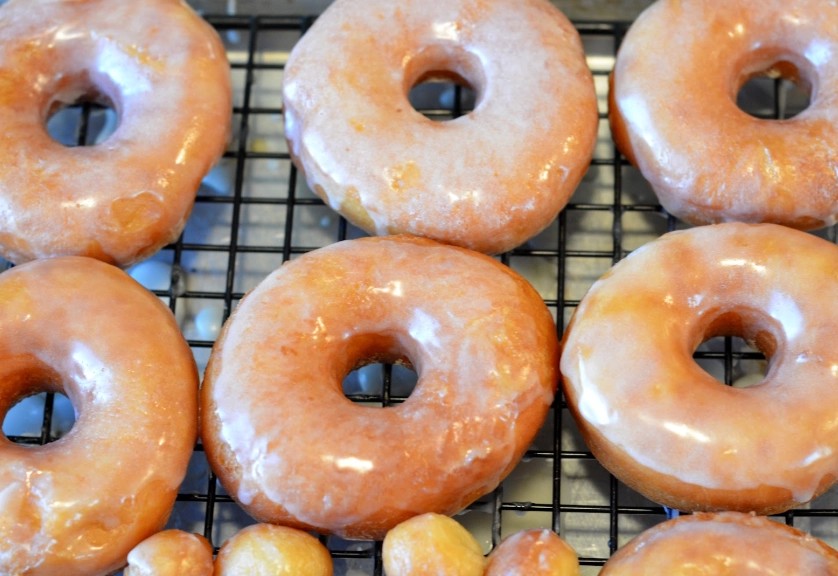
1. Making and Kneading the Dough
In a large bowl, whisk together the warm milk, sugar, and yeast. Let it sit for 5-7 minutes until it gets foamy. This "proofs" the yeast—if it doesn't foam, your yeast is dead, and you need to start over. Once foamy, whisk in the egg and melted butter.
Add the bread flour and salt. Stir with a wooden spoon until a shaggy dough forms. Turn it out onto a lightly floured surface. Now, knead. This is where people give up too soon. Knead for 8-10 minutes by hand. The dough will start sticky but will become smooth, elastic, and barely tacky. If it's sticking badly, add a tiny bit of flour, but resist the urge to add more than an extra tablespoon or two. A wetter dough means a lighter donut.
2. The First Rise (Bulk Fermentation)
Place the dough in a lightly oiled bowl, turn to coat, and cover with plastic wrap or a damp kitchen towel. Let it rise in a warm, draft-free spot until doubled in size. This takes 60-90 minutes. My spot is inside my oven with the light on (oven OFF).
3. Shaping the Donuts
Punch down the dough gently to release air. Roll it out on a floured surface to about ½-inch thickness. Use a 3-inch round cutter (a wide glass works) for the donuts and a 1-inch cutter (a bottle cap) for the holes. Re-roll the scraps once to cut more. Place the cut donuts and holes on parchment-lined baking sheets, leaving about 2 inches between them.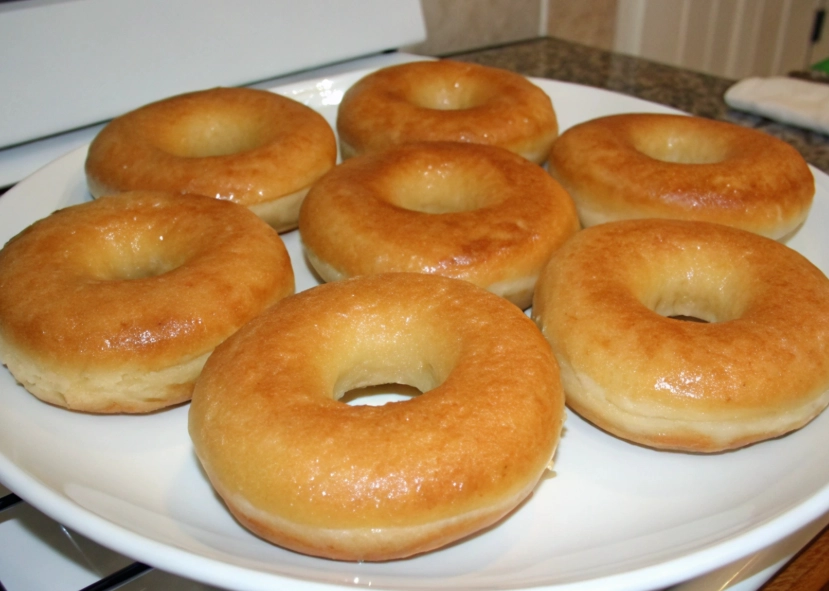
4. The Second Rise (Final Proof)
Cover the sheets loosely with kitchen towels and let them proof again for 30-45 minutes. They won't double this time but will look puffy and relaxed. This is the critical step for that airy texture.
Common Mistake: Don't let them over-proof here. If they proof too long, they'll become too delicate and might deflate when fried. Set a timer for 30 minutes and check. They should feel like a soft pillow.
5. Frying to Perfection
While they proof, heat your oil. Use a heavy-bottomed pot or Dutch oven. Fill it with 2-3 inches of oil. Attach a candy/deep-fry thermometer. Heat over medium to 365-370°F (185-188°C). This temperature is non-negotiable. Too low, and the donuts soak up oil. Too high, they brown outside before cooking inside.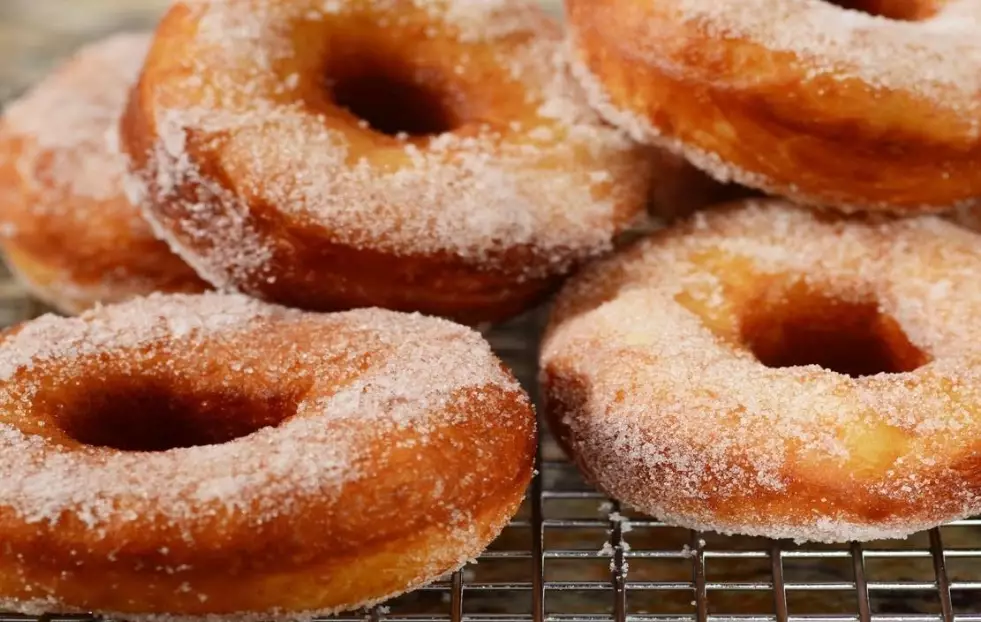
Carefully slide 2-3 donuts into the hot oil. Don't crowd the pot. Fry for 60-75 seconds per side until deep golden brown. The holes take about 45 seconds total. Use a slotted spoon or spider to flip and remove. Drain on a wire rack set over a baking sheet—never on paper towels, which makes the bottom soggy.
Secrets to the Perfect Glaze
The classic vanilla glaze is simple but easy to mess up. In a medium bowl, whisk together 3 cups of sifted powdered sugar, ½ cup of milk, and 2 teaspoons of vanilla extract. The consistency should be thick but pourable—like heavy cream. If it's too thin, add more sugar. Too thick, add milk a teaspoon at a time.
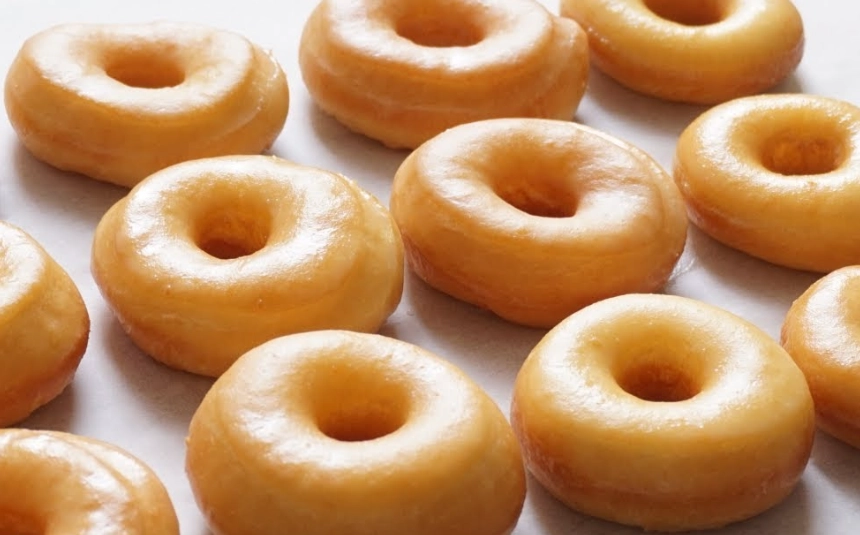
Here's the key: glaze the donuts while they're still warm, not hot. If they're piping hot, the glaze will melt and become transparent. Wait 2-3 minutes after frying, then dip the top of each donut into the glaze, twist slightly, and lift. Let the excess drip off, then return to the wire rack. The glaze will set in about 5 minutes.
For a chocolate glaze, replace ½ cup of the powdered sugar with unsweetened cocoa powder and add an extra tablespoon of milk.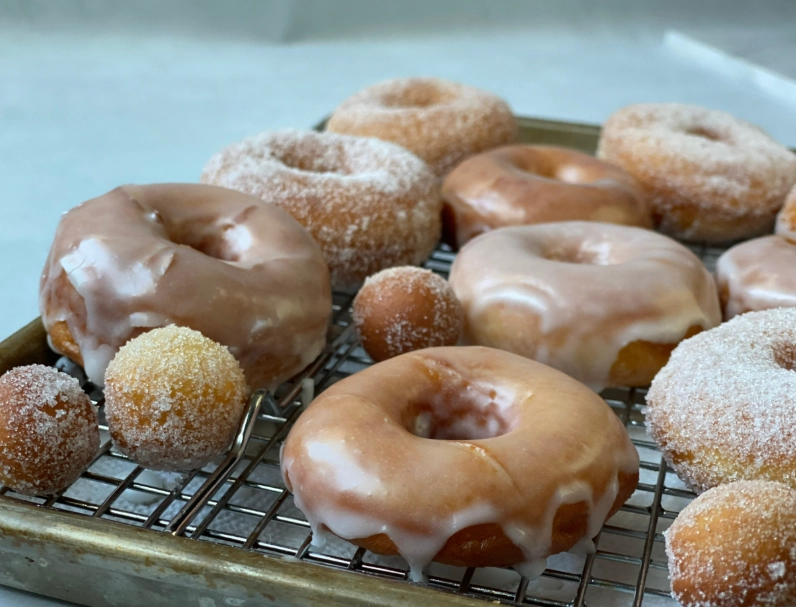
Frying Tips & Troubleshooting
- Oil Temperature Management: The temperature will drop when you add donuts. Adjust the heat to maintain 365-370°F. Let it recover between batches.
- Testing Readiness: No thermometer? Drop a small piece of dough in. It should bubble actively and rise to the surface within 15 seconds, browning in about 60 seconds.
- My Donuts Are Raw Inside: Oil was too hot, causing the outside to brown before heat penetrated the center. Lower the temp for the next batch.
- My Donuts Are Greasy: Oil was too cold, or you overcrowded the pot, causing a major temp drop.
- Storing: Donuts are best eaten the day they're made. Store leftovers in a single layer in a container at room temperature for a day. They freeze well for up to a month—freeze unglazed, then glaze after thawing.

Leave a Comment